Quick summary
The Philippines is a premier adventure playground across 7,000+ islands—spanning wreck diving in Coron to Cloud 9 surfing in Siargao—best explored during the November–May dry season. Because navigating regional transfers requires stamina, flying business class to Manila (saving substantially off typical $6,800–$9,200 retail fares) ensures you arrive energized. We recommend focusing on 1–2 specific regions per trip and planning an overnight stopover in Manila to streamline domestic connections.
The Philippines doesn't ease you in gently. Over 7,000 islands, five distinct climate zones, world-class dive sites, an active volcano you can hike, and surf breaks that have drawn professionals for decades — it's a lot. Arriving in Manila after 18 hours in economy is genuinely depressing when you realize what's waiting for you. Arriving in business class, rested, is a different trip entirely.
Before we get to the islands themselves, a word on getting there.
Flying to Manila in business class: your real options
Manila's Ninoy Aquino International Airport (MNL) is well-served from the US and Europe, though the routing choices matter more here than on most long-haul destinations.
From the US East Coast, the most competitive option is Philippine Airlines' PR 127 (JFK–MNL nonstop), operated on their A350-900 in a 1-2-1 business class configuration with direct aisle access from every seat. Retail fares hover around $6,800–$9,200 roundtrip in business. Through our airline contracts at CEOFLIGHTS, we regularly place clients on this route for considerably less — call (888) 851-6897 and ask specifically about MNL consolidator inventory.
From the US West Coast, Cathay Pacific via Hong Kong (HKG) is the premium product I'd choose every time. Their A350 business class — flatbed, 18-inch wide, superb catering — connecting at HKG gives you access to The Wing or The Pier lounges, which are genuinely among the best airport lounges on earth. Qatar Airways via Doha in QSuite is the other serious contender, particularly from the East Coast: the QSuite product on QR's 777s is the best business class seat flying today, full stop.
From Europe, Lufthansa via Frankfurt or Singapore Airlines via Singapore (SIN) both deserve consideration. Singapore's Business Class on the SIN–MNL segment is regional, so the real product experience is on the long-haul leg — their A350 and 777 cabins between European gateways and Singapore are consistently excellent. The SATS Premier Lounge at Changi Terminal 3 makes the connection painless.
Retail roundtrip business class to Manila from major European hubs runs £4,200–£7,800. CEOFLIGHTS — top rated on Trustpilot and ASTA-accredited (member #900292735) — works with contracted fares that bring those numbers down meaningfully. Worth a conversation before you book direct.
Now. The islands.
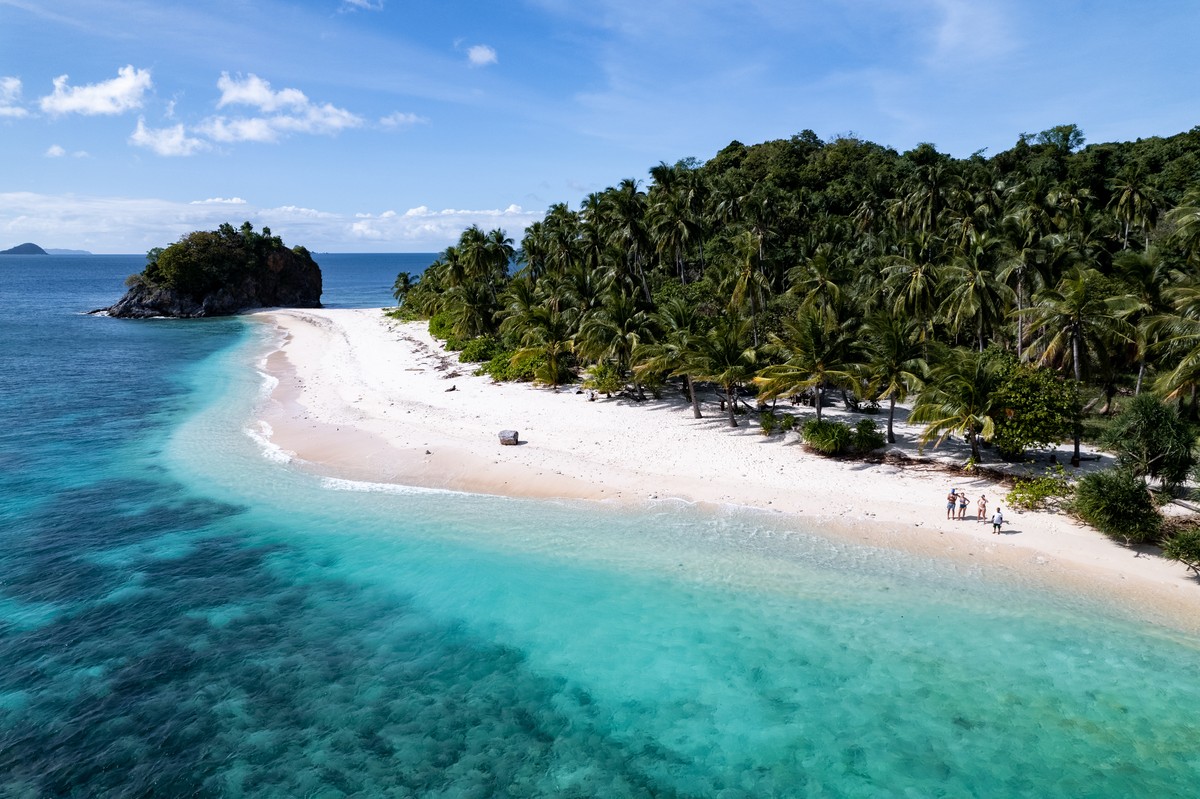
Palawan
Palawan is the answer to "which island should I go to first?" — and I'll give that opinion without qualification. Travel + Leisure and Condé Nast Traveler have both named it among the world's most beautiful islands, and for once the hype is accurate.
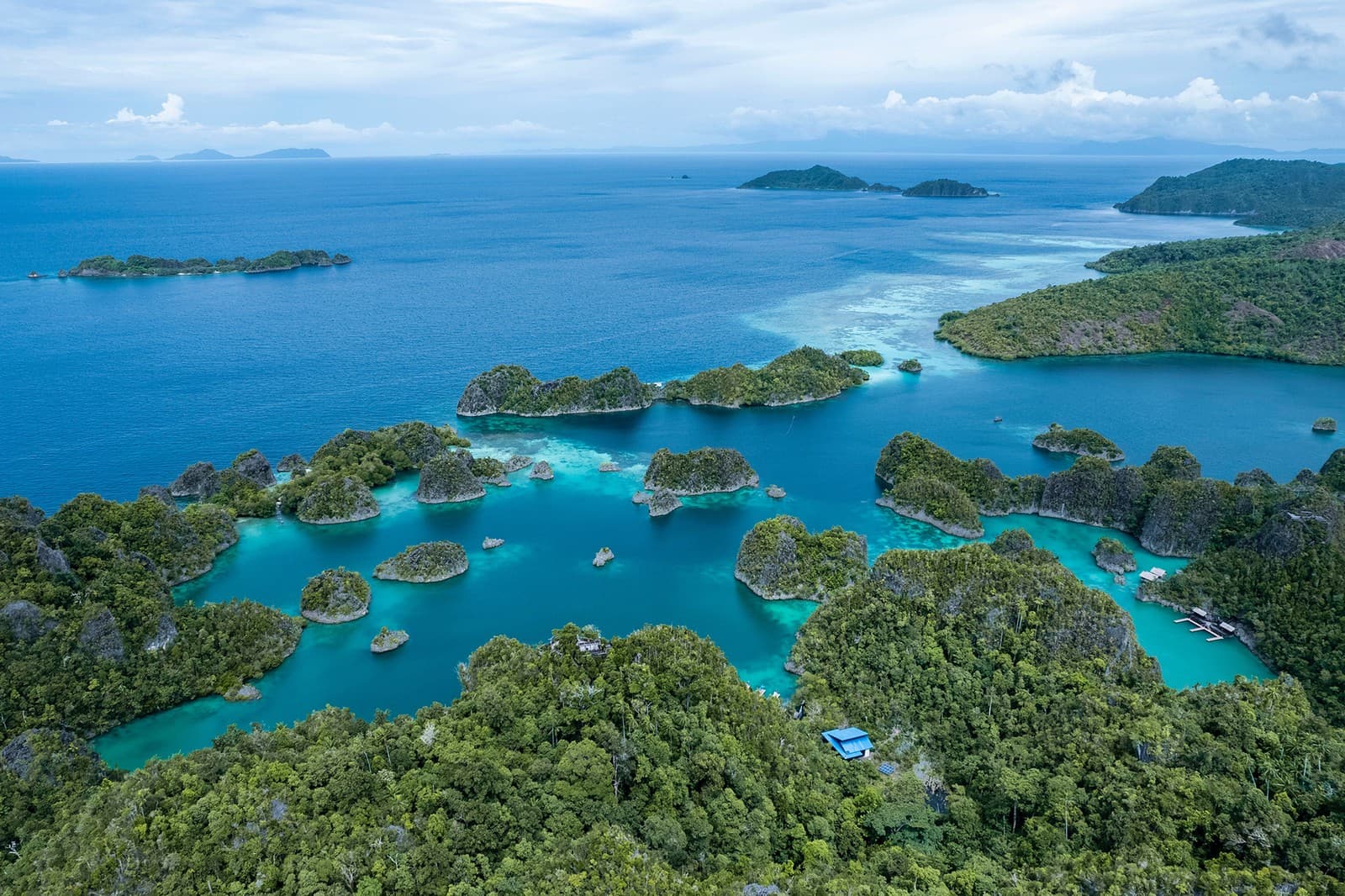
The island province runs roughly 450 kilometers and contains several entirely distinct destinations within it. El Nido in the north is where most visitors start: dramatic karst limestone cliffs, emerald lagoons, and a handful of genuinely world-class private island resorts. The scenery inspired the setting for The Beach, though Boyle ultimately filmed in Thailand. El Nido's Big Lagoon and Secret Beach are best reached by private boat — skip the group tours, negotiate a solo charter, and you'll have the lagoons to yourself before 8am.
Coron, a few hours southeast by boat or a short flight, is a different proposition entirely. This is a diver's destination. The WWII Japanese shipwrecks scattered across Coron Bay — the Okikawa Maru, the Irako, the Kogyo Maru — have been colonized by decades of coral growth and now host extraordinary marine life. Non-divers find less to do here, but divers rank it among the world's top wreck sites without argument.
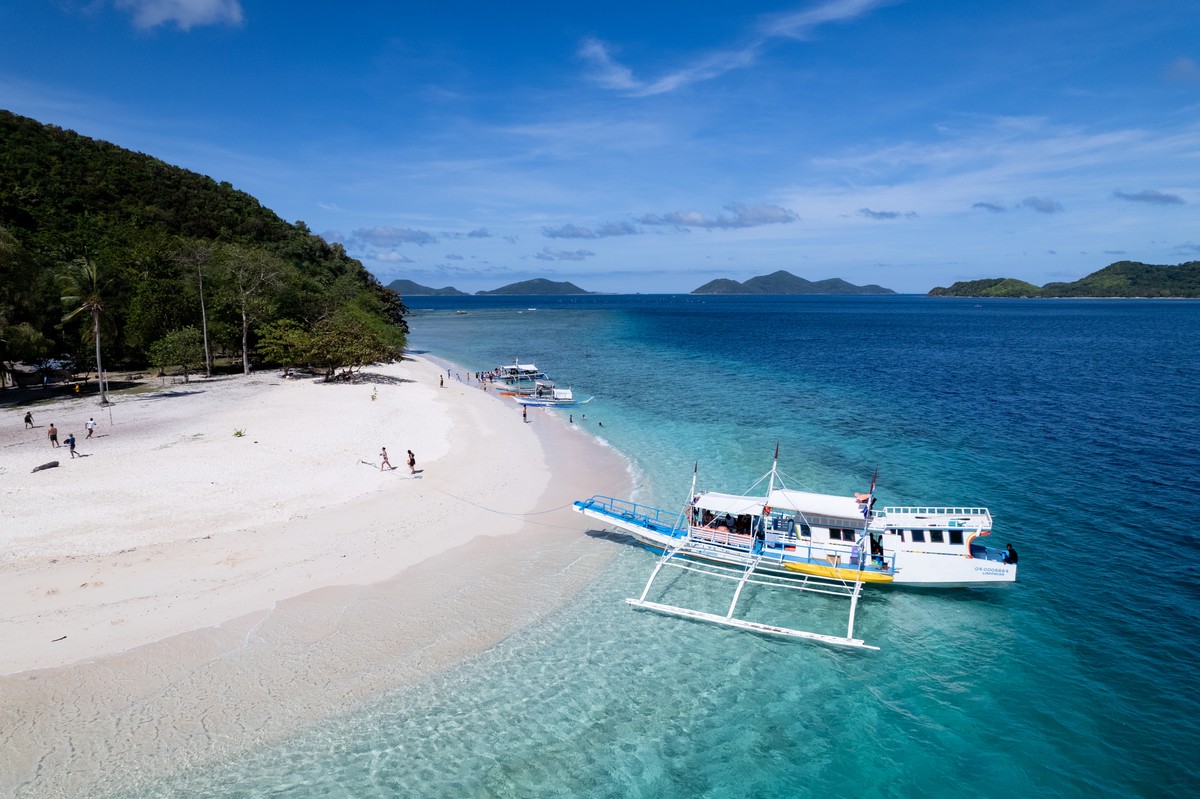
Between El Nido and Coron sit the Linapacan Islands, which most visitors skip entirely. That's a mistake. TAO Philippines and Keelooma both run multi-day sailing expeditions through these islands, camping on beaches with water so clear it looks photoshopped. This is not a luxury experience — it's purposefully rustic — but it's the kind of thing you'll still be talking about ten years later.
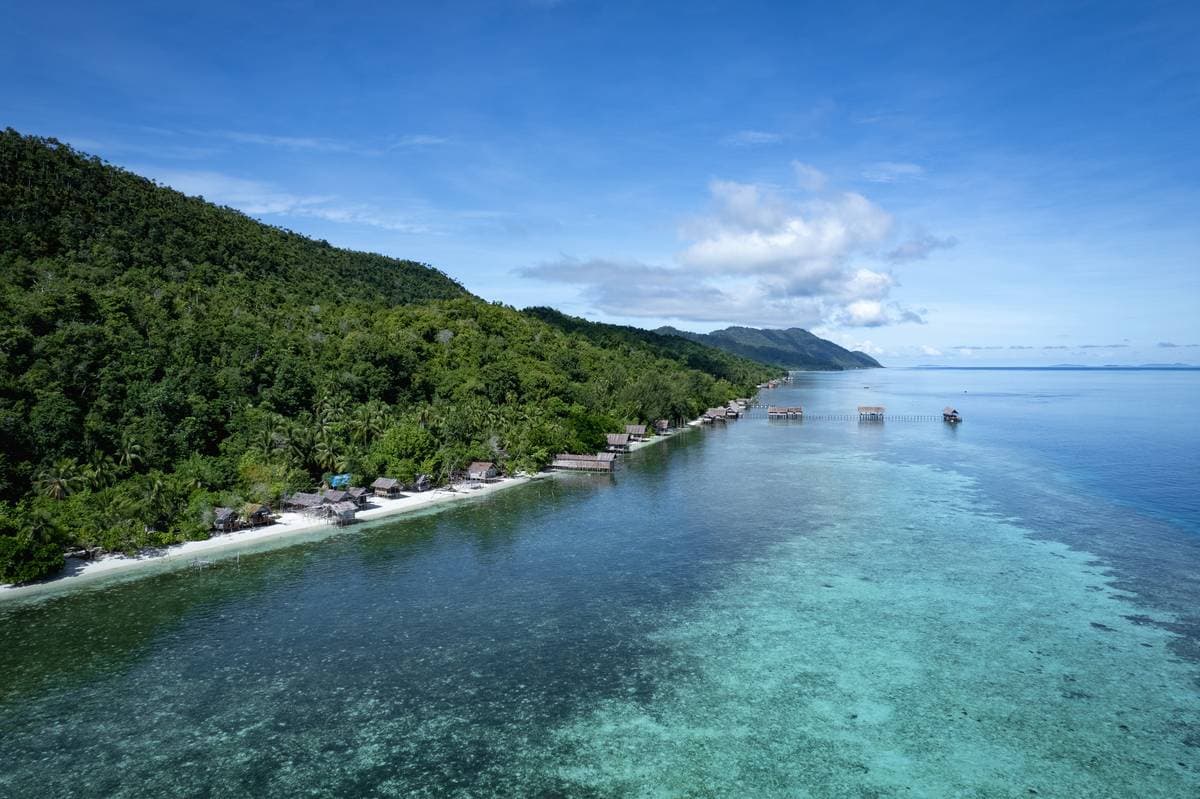
Further south, Balabac near the Malaysian border offers untouched beaches with almost no tourist infrastructure. Getting there is an adventure in itself; the reward is white sand and turquoise water that looks like the Maldives with no resort branding.
For serious divers, Tubbataha Reef in the middle of the Sulu Sea is a UNESCO World Heritage Site and one of the genuinely elite dive destinations on the planet. Hammerheads, manta rays, whale sharks, pristine coral walls. It's only accessible by liveaboard from March to June, berths are limited, and boats sell out months in advance. Book this one as early as you book your flights.
Where to stay
Pangulasian Island Resort, Lagen Island Resort, and Miniloc Island Resort are the marquee El Nido options — all owned by Ten Knots Group, all offering genuine seclusion and serious food. Rates run $500–$900/night and worth it. Coron is more modest on the accommodation front; Club Paradise on Dimakya Island is the standout.
Best time to go
Dry season runs November to May. Tubbataha liveaboards operate March to June only. Palawan's southwest monsoon hits June through October and makes island hopping genuinely unpleasant.
Cebu Island
Cebu is the practical choice for first-timers who want variety: world-class diving, canyon adventures, whale shark encounters, and a city (Cebu City) with decent hotels and direct flights from Manila. Mactan-Cebu International Airport (CEB) receives direct flights from Tokyo, Seoul, Singapore, and Hong Kong, which opens up some interesting routing options if you're coming from Asia.
Malapascua, a tiny island off Cebu's northern tip, is one of the only places in the world with reliable thresher shark sightings year-round. These are deep dives — 25 to 30 meters — at Monad Shoal at dawn. Worth every early alarm.
Moalboal on the southwest coast offers the sardine run: millions of sardines moving in tight formation just meters from shore, occasionally pursued by sea turtles and tuna. You can snorkel it. You don't even need to dive.
Canyoneering at Kawasan Falls in Badian is the island's best land-based adventure — trekking, cliff jumping, and swimming through narrow canyon passages ending at a multi-tiered turquoise waterfall. Budget four to five hours and hire a certified guide. Don't wear anything you care about.
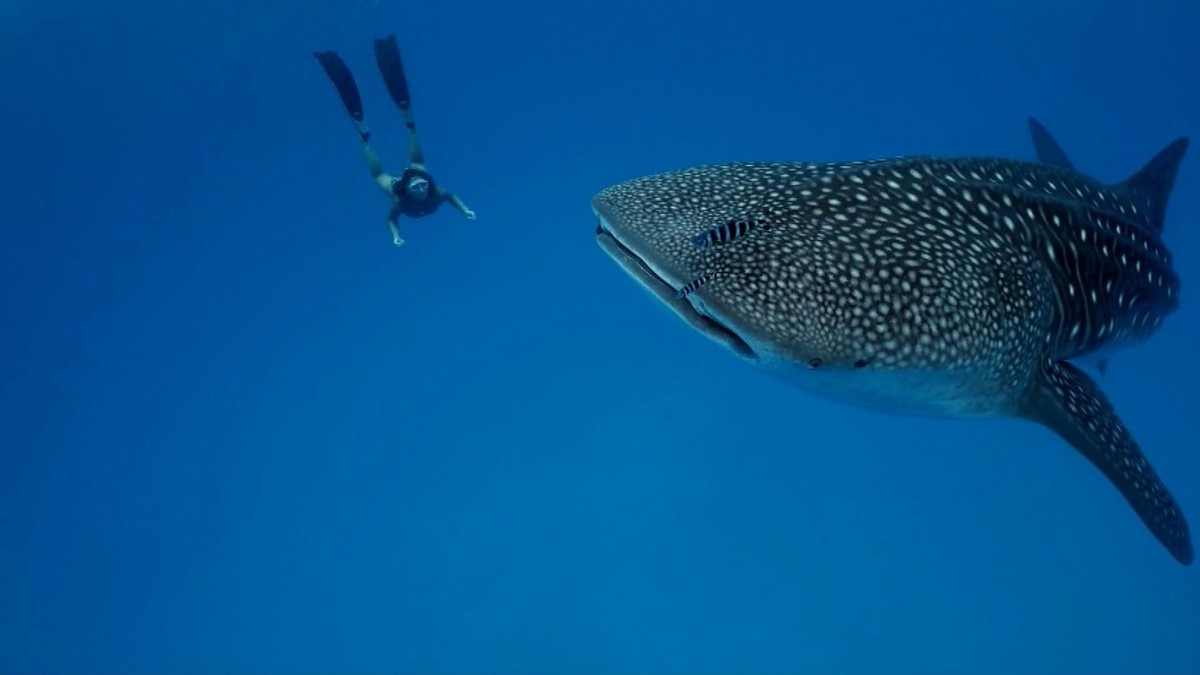
The whale shark snorkeling at Oslob is complicated. The feeding practices that keep sharks in the area are not in line with best conservation standards, and this publication won't enthusiastically recommend it. The far better option is Donsol in Bicol (more on that below) or a dive trip to Tubbataha.

Bohol, a short ferry ride from Cebu City, has the Chocolate Hills, the Philippine tarsier (tiny, enormous-eyed, nocturnal primates that should absolutely be on your list), and Balicasag Island for excellent coral diving.
Where to stay
Thresher Cove Dive Resort in Malapascua is the best base for shark diving. In Cebu City, the Marco Polo Plaza or Radisson Blu offer reliable business-standard rooms. For southern Cebu, Qing Ting Resort in Moalboal.
Best time to go
January to May for dry season. March to May is peak season — seas are flat, visibility is exceptional.
Siargao Island
Siargao has a reputation as a surfer's island, and that reputation is completely deserved. But it has also evolved into something more interesting than a single-sport destination, which is why it earns a place on this list for non-surfers too.
Cloud 9 is the headline: a fast, hollow right-hand reef break that produces the kind of barrels that appear on magazine covers. It's world-class surf in a genuinely photogenic setting — the wooden boardwalk extending over the reef is one of the most recognizable images in Philippine travel.
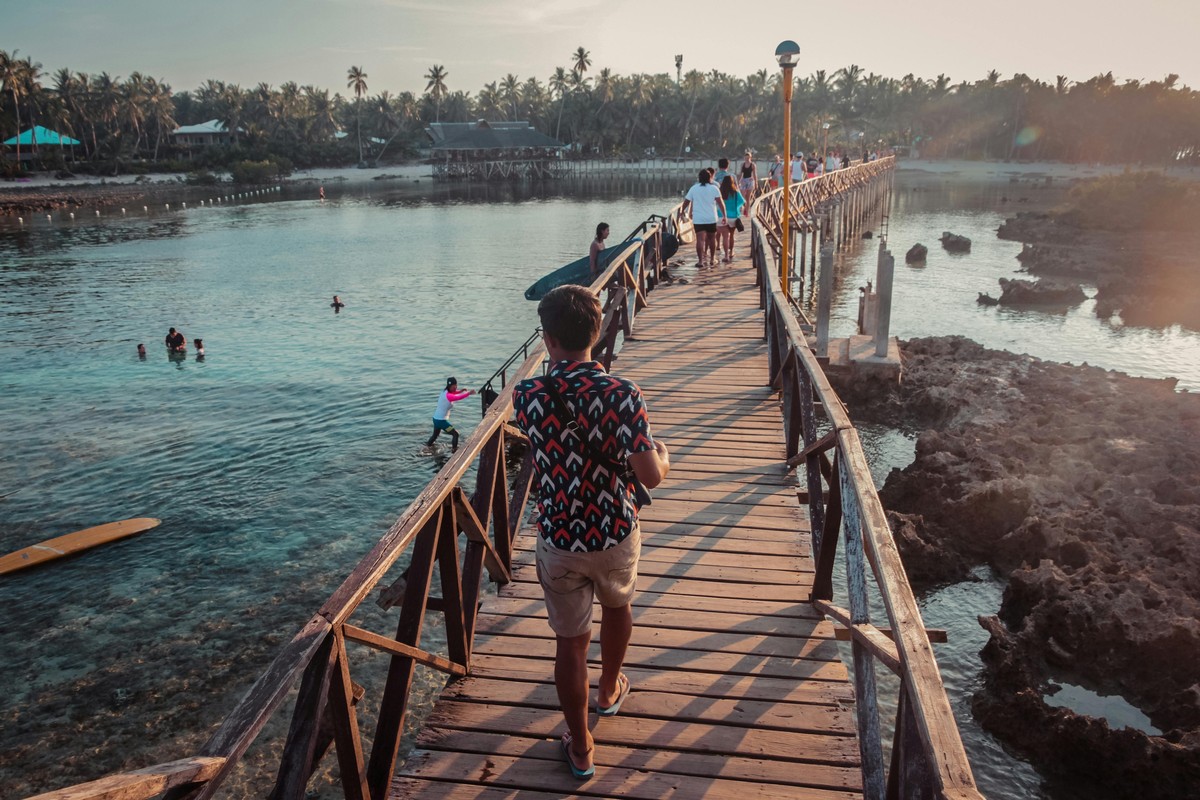
Beyond Cloud 9, the island offers island hopping to Naked Island, Daku, and Guyam — each a different size and personality, all worth a half-day. Sugba Lagoon is a standout: emerald water, a wooden diving platform, and a silence that feels earned given how far you've traveled to get here.
Sohoton Cove and Bucas Grande require a longer boat trip but reward it with stingless jellyfish, submerged caves, and a bioluminescent lagoon after dark. Go with a guide who knows the tides.
Getting to Siargao means flying via Cebu or Manila into Sayak Airport (IAO). The runway is short and the planes are small — Cebu Pacific and Philippine Airlines both operate turboprops on this route. It's perfectly safe and adds to the sense of arrival.
Where to stay
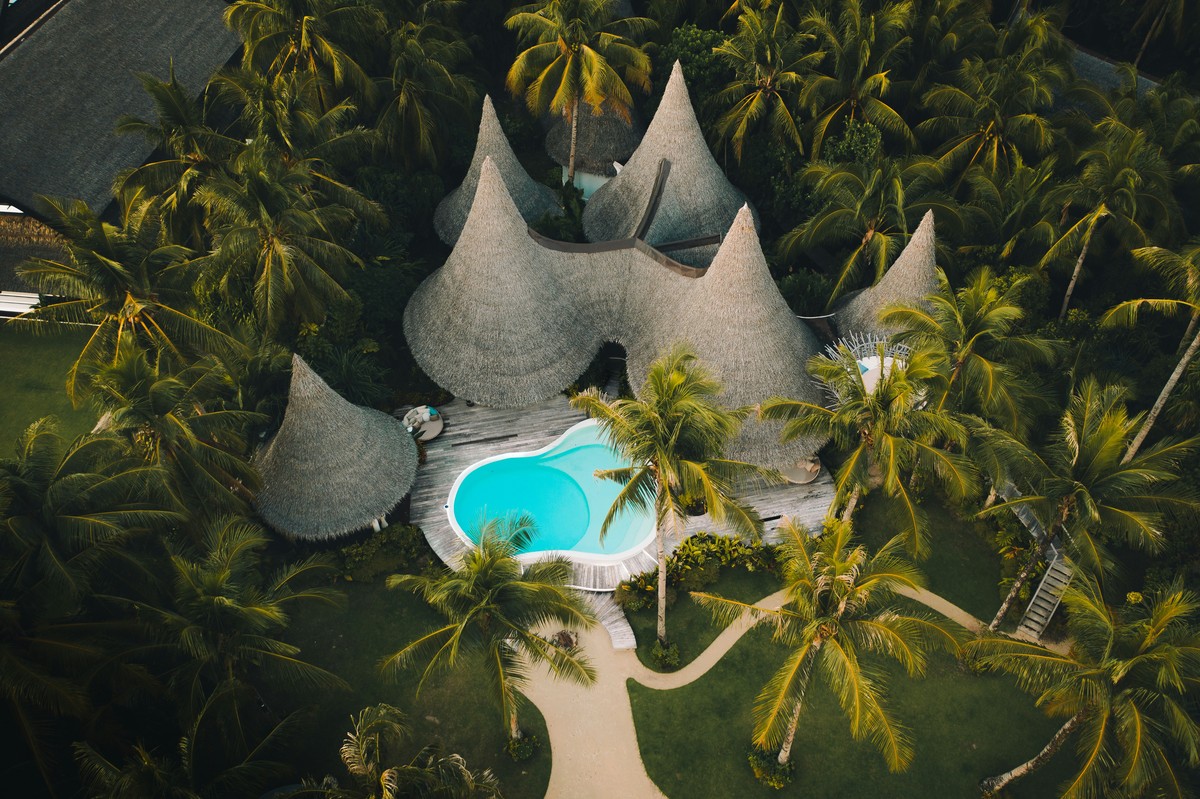
Nay Palad Hideaway is the top-tier choice — 10 nipa huts on a private stretch of beach, exceptional food, and a level of privacy that justifies the price. For surfers who want to be closer to the break, Harana Surf Resort delivers a more social, local-feeling experience.
Best time to go
March to October for good conditions overall. September to November for peak surf. March to May for calmer seas if you're not chasing waves.
Boracay
Boracay closed entirely in 2018 for a government-mandated environmental rehabilitation — six months of cleanup, infrastructure repair, and regulation enforcement. It reopened tighter, cleaner, and more managed. Some of the Wild West energy is gone. What remains is still one of the most strikingly beautiful beaches in Southeast Asia.
White Beach is the showpiece: four kilometers of fine white sand facing a calm, sheltered sea. The water sports operation here is substantial — kite surfing, paraw sailing, jet skiing, paddleboarding, parasailing. Bulabog Beach on the eastern side catches stronger trade winds and is the dedicated kitesurfing zone; if you're a kiter, Bulabog from December to March is exceptional.
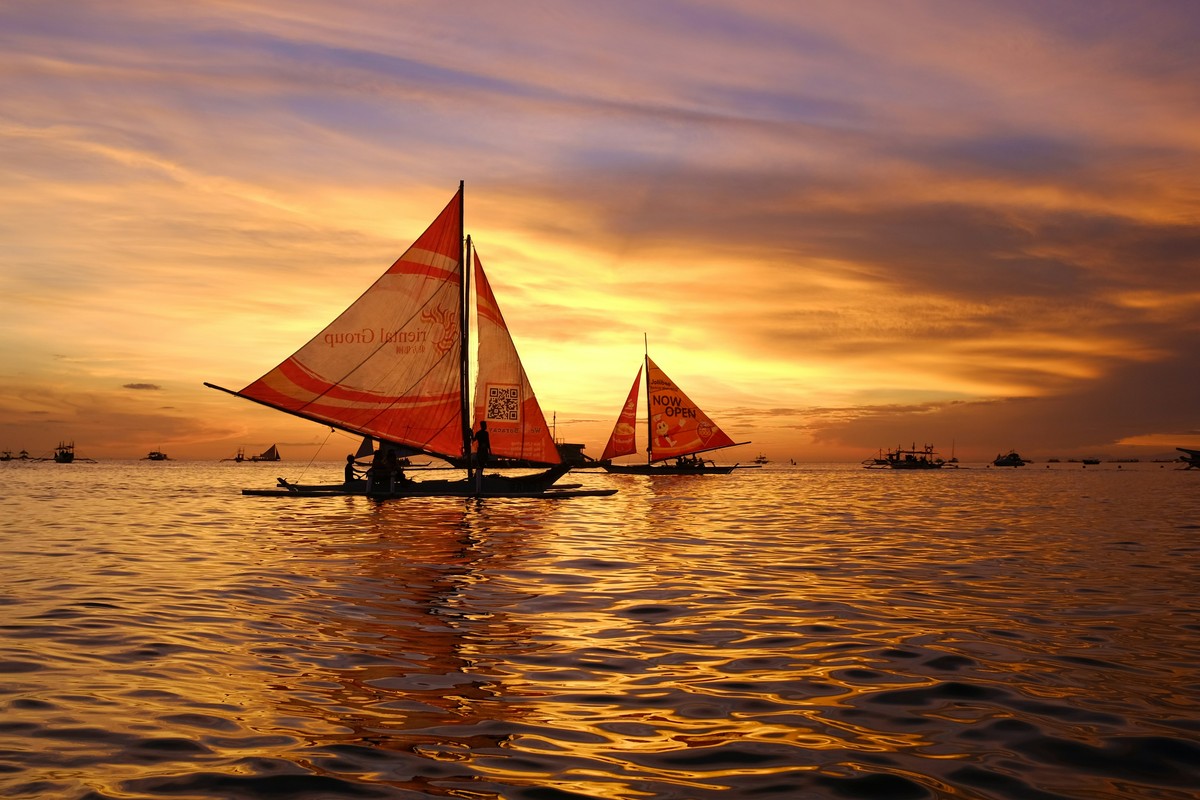
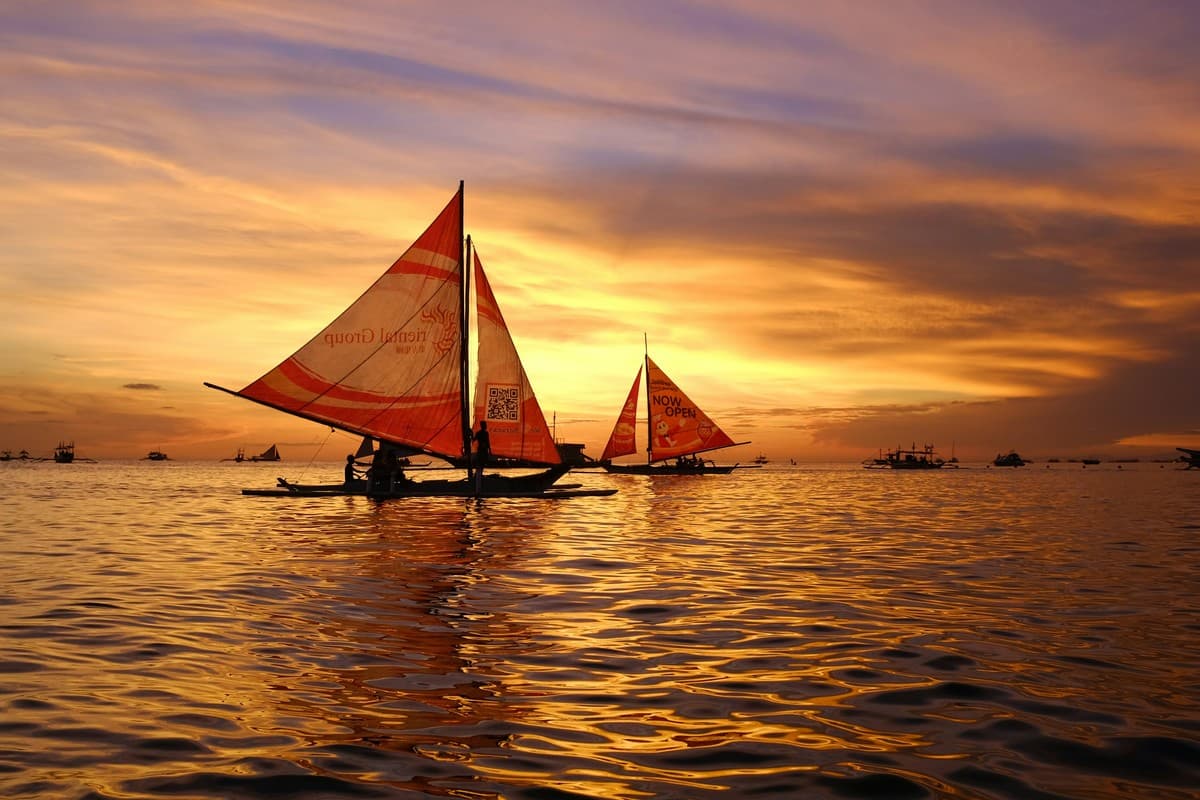
Paraw sailing is Boracay's signature experience — traditional outrigger boats, slow sunset tack around the island, cold beer optional. It sounds touristy. It is touristy. Do it anyway.
For something off the beach, Crystal Cove Island offers sea caves and reasonable snorkeling. Mount Luho at 100 meters is the island's high point — reachable by ATV, offering views that contextualise the island's surprisingly compact geography.
The honest caveat: Boracay is crowded at peak season. If you're going March to May, manage your expectations around the beach density. November to February is less crowded, still perfectly good weather, and considerably quieter.
Where to stay
Shangri-La Boracay on the quieter northern end of the island is the clear premium choice — private beach access, excellent spa, multiple restaurants, and enough distance from the main strip to feel like a retreat. Discovery Shores on White Beach proper puts you in the middle of the action if that's the preference.
Best time to go
November to May for dry season. November to February for dry season without the crowds.
Bicol Region
Bicol is where you go when you want an adventure that doesn't look like anyone else's Instagram. Two anchors: Mayon Volcano and the whale sharks of Donsol.
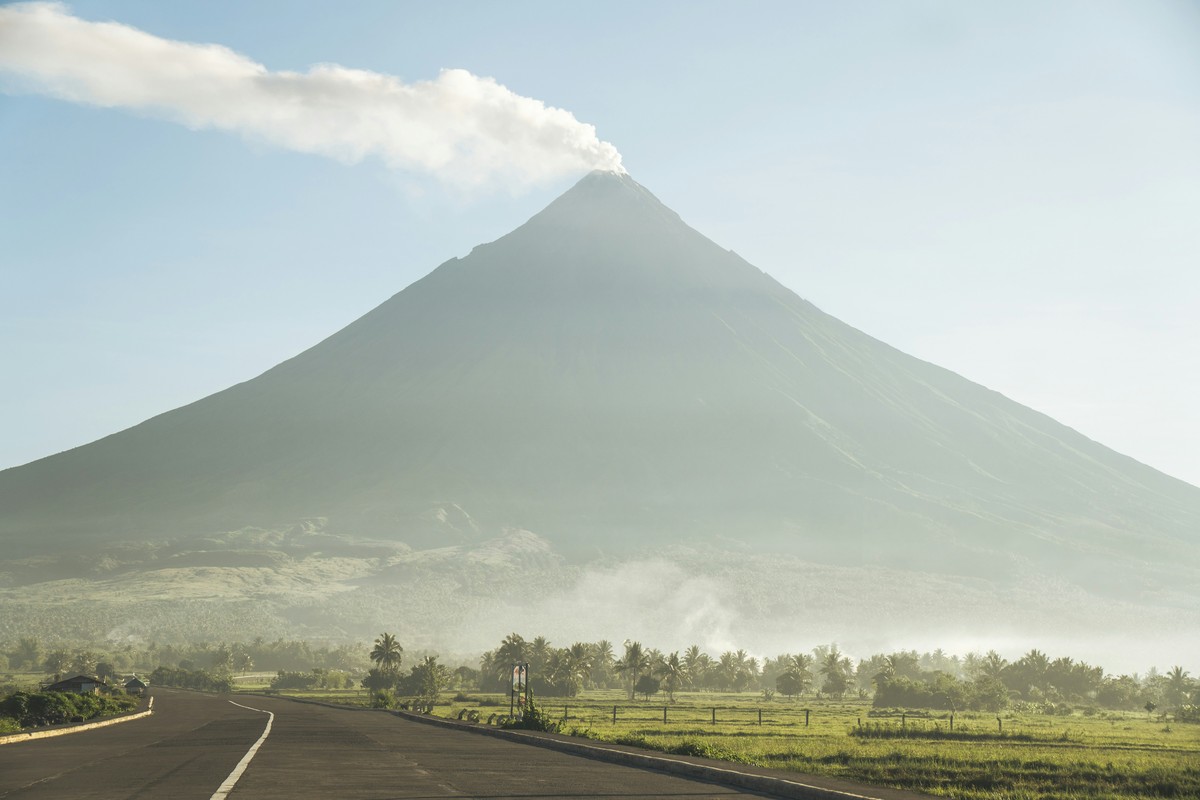
Mayon is one of the most geometrically perfect volcanic cones on earth — 2,462 meters of near-symmetrical basalt rising from flat agricultural land. The summit is permanently off-limits due to volcanic activity, but guided treks to base camp and ATV tours through hardened lava fields are both legitimately thrilling. The lava formations from Mayon's 2018 eruption are still dramatically fresh-looking. Stay overnight in Legazpi City and watch it at sunset from your hotel room — The Oriental Legazpi has the best view.
Donsol is the ethical alternative to Oslob for whale shark encounters — and it isn't close. The whale sharks here are wild, unbaited, and encountered on their terms. Local boat fishers trained as spotters, strict no-touch protocols, and genuine eco-tourism infrastructure operated in partnership with WWF Philippines. The butanding (as they're known locally) arrive November through June, with February to May being peak season. This is one of the best wildlife encounters in Asia, full stop.
Donsol also runs firefly river tours after dark — the mangrove-lined Ogod River lights up with thousands of synchronised fireflies in a display that's quietly stunning. And Ticao Island nearby has reliable manta ray sightings for divers.
Where to stay
Legazpi City for Mayon access — The Oriental Legazpi is the clear choice. For Donsol, eco-lodges and small beachside properties are the standard; this is not a luxury accommodation destination, and that's fine. The experience is the point.
Best time to go
Whale shark season: November to June, peak February to May. Dry season for Mayon hiking: December to May.
Beyond these five
Banaue's rice terraces, Sagada's caves, La Union's surf scene, Camiguin's waterfalls, Apo Island's coral reef — the Philippines contains enough for a dozen trips, and one visit will not be enough. Choose one region, commit to it, and accept that you'll be back.
The practical reality: getting to most of these destinations requires flying into Manila (MNL) and then connecting domestically. Build at least one night in Manila into your itinerary to break the journey. The Raffles Makati or Mandarin Oriental Manila are the appropriate choices for a layover night.
For business class fares to Manila at a significant discount from retail — particularly on Philippine Airlines, Cathay Pacific, Qatar Airways, and Singapore Airlines — CEOFLIGHTS has negotiated rates that make the premium cabin genuinely accessible rather than aspirational. Top rated on Trustpilot, ASTA-accredited (member #900292735), and with a team that actually knows these routes.
Call (888) 851-6897 before you book. The Philippines is too good a trip to start in economy.