Quick summary
For travelers seeking respite from mass tourism in Bali or Phuket, five lesser-known Southeast Asian islands—including Tioman, Siargao, Koh Kood, Nusa Lembongan, and Kri Island—deliver untouched reefs and secluded luxury. We recommend booking boutique escapes like Soneva Kiri or diving hotspots like Cape Kri (which boasts a world-record 374 fish species on a single dive). Fly in premium lie-flat business class via Doha or Singapore, with consolidator fares starting from $4,200 roundtrip compared to standard $6,800–$11,000 retail pricing.
There's a particular kind of traveler fatigue that sets in after your third trip to Bali or Phuket — not because those places aren't beautiful, but because you've stopped seeing them. The beaches are stunning, the sunsets are identical to last year's, and the restaurant your concierge recommended has a two-hour wait filled with people who got the same recommendation.
Southeast Asia has a different offer for those willing to look past the obvious. Five islands, in particular, deserve serious attention from anyone flying premium cabins to this part of the world — and the routing options to reach them have improved considerably in the last few years.
Getting there: the routing reality
Most North American and European travelers flying to Southeast Asia connect through one of four major hubs: Doha (DOH), Singapore (SIN), Dubai (DXB), or Amsterdam (AMS). Each has its merits depending on your final island destination.
Qatar Airways via DOH remains the gold standard for most Southeast Asia itineraries. QSuite — the airline's double-bed business class product — is genuinely as good as advertised, and the Hamad International Airport Al Mourjan Business Lounge is worth the layover time. From Doha, Qatar serves Kuala Lumpur, Manila, and Denpasar (Bali) with flat-bed QSuite on wide-body equipment. Retail fares from New York JFK to Denpasar run $6,800–$11,000 roundtrip in business class. Through our airline contracts at CEOFLIGHTS, we regularly place clients on these same itineraries starting from $4,200 roundtrip. Call us at (888) 851-6897 and we'll pull live availability.
Singapore Airlines via SIN is the better choice if you're connecting onward to Siargao or the Raja Ampat area — their regional product is consistently strong, and Changi Airport remains one of the few connections in the world that doesn't feel like a punishment.
Tioman and Rawa islands, Malaysia
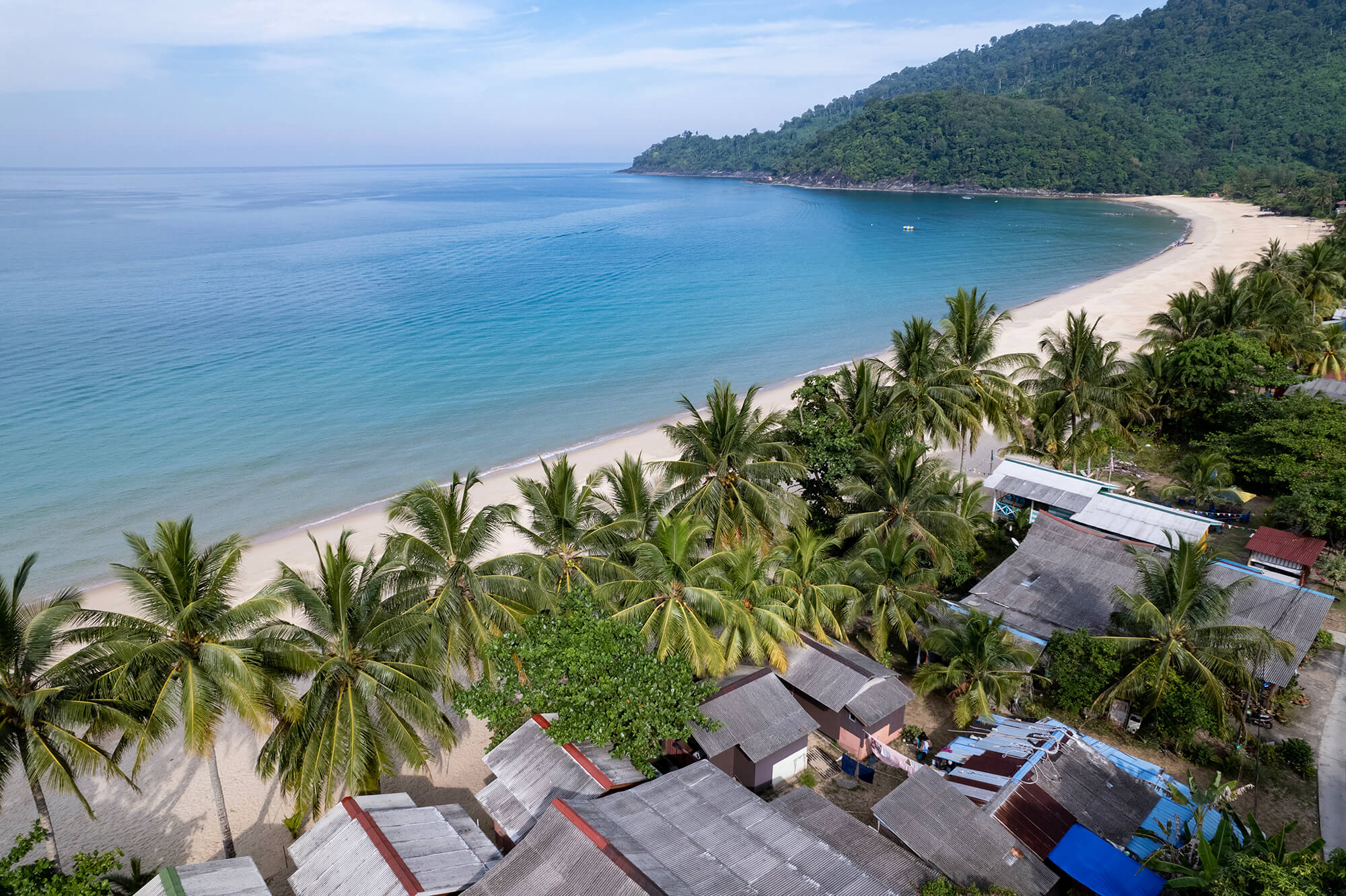
Tioman sits off Malaysia's east coast, roughly 56 kilometers from the town of Mersing, and it requires no heroic logistics to reach. Fly into Kuala Lumpur (KUL) in business class — Malaysia Airlines operates the route from London Heathrow and several other European points with their Business Suite product, fully flat beds with direct aisle access — then connect via a short domestic hop or ferry from Mersing.
Tioman rewards the effort. The diving around Renggis Island and the WWII wreck of the Chiku off Salang Bay is genuinely world-class, with visibility regularly hitting 20 meters. Green and hawksbill turtles are routine. Reef sharks are common enough to stop being exciting by day three.
Rawa Island, nearby, is smaller and more deliberate — a handful of resorts and exactly the isolation you're paying for. Rawa Island Resort runs the accommodation here and does it well. If you need the spa and the 400-thread-count sheets, Tioman's Japamala Resort is the answer: jungle villas on stilts, private plunge pools, and a beach that sees almost no foot traffic before 9am.
Kayaking through Tioman's interior jungle is not a box-ticking activity. The wildlife — monitor lizards, reticulated pythons, long-tailed macaques — is visible and unhurried in a way that bigger, more trafficked islands simply can't offer anymore.
Siargao, Philippines
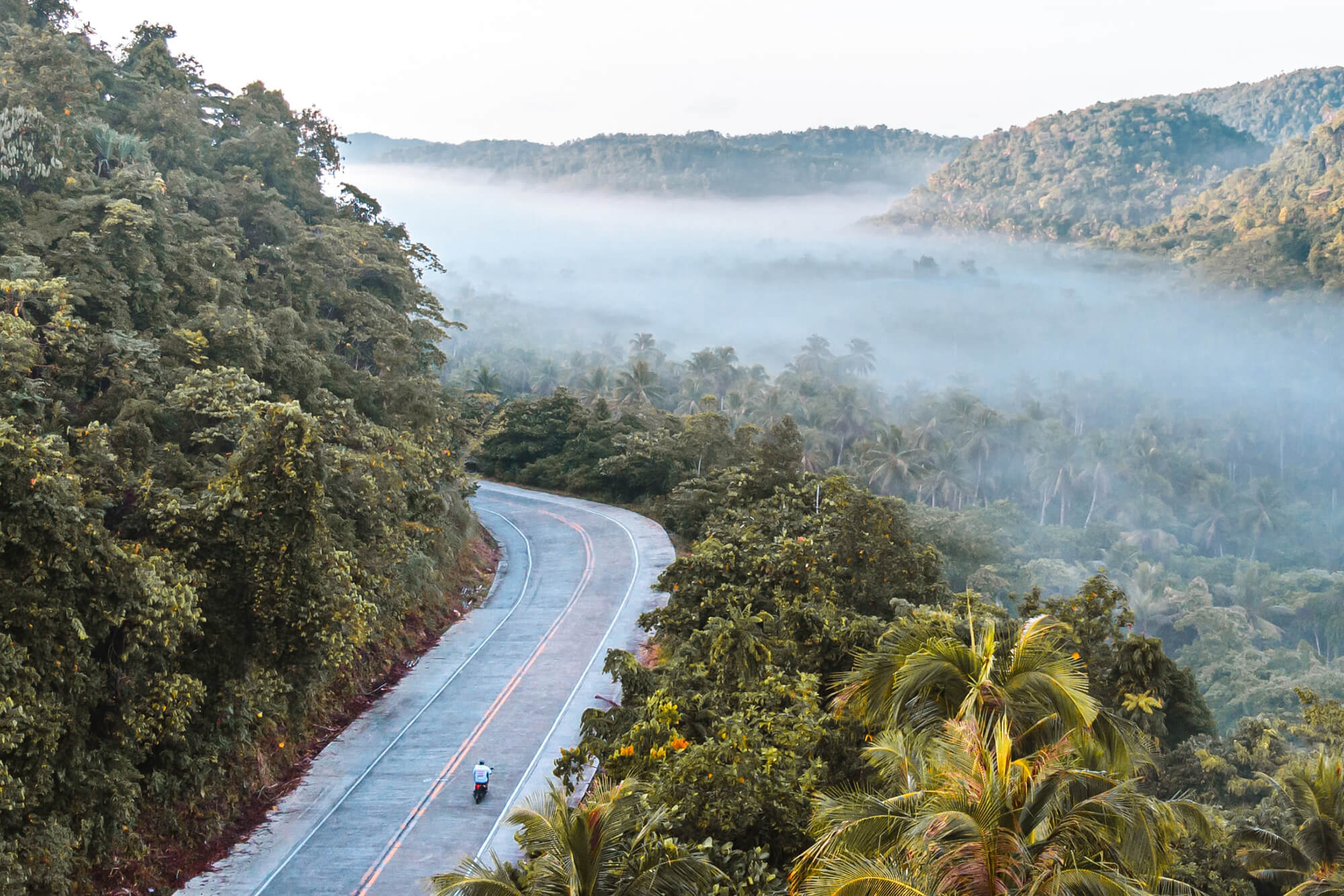
Siargao has a reputation as a surf destination, which is accurate and also slightly misses the point. Cloud 9 — the reef break that put the island on the international surfing map — is spectacular to watch even if you have no intention of paddling out. But the island's real value for a premium traveler is the combination of extraordinary natural beauty and an infrastructure that hasn't yet collapsed under mass tourism.
The best property on the island is Nay Palad Hideaway, a boutique resort that has been quietly hosting the kind of guests who don't post about it. Overwater bungalows, a spa that uses local ingredients seriously rather than decoratively, and a kitchen that sources daily from local fishermen.
Getting to Siargao means flying into Sayak Airport (IAO) via Manila (MNL) or Cebu (CEB). The domestic connection is short but the equipment is not glamorous. The calculus is simple: spend your budget on the transatlantic or transpacific leg — fly Qatar or Singapore business class to Manila, top rated on Trustpilot by travelers who've booked exactly this itinerary through CEOFLIGHTS — and accept the 50-minute Cebu Pacific connection as the price of admission.
Island hopping to Naked Island, Daku Island, and Guyam Island takes about half a day and costs almost nothing. It's one of those experiences that would be the highlight of a lesser trip.
Koh Kood, Thailand
Koh Kood — also written Ko Kut — sits near the Cambodian border in the Gulf of Thailand, and its relative distance from Bangkok is the reason it remains uncrowded. That distance is a feature, not a bug.
Fly into Bangkok Suvarnabhumi (BKK) — Thai Airways operates their Royal Silk business class from multiple European gateways, and EVA Air's Royal Laurel class from Los Angeles LAX (BR17) offers a genuinely excellent 777-300ER product with 82-inch fully flat beds. From Bangkok, Koh Kood requires either a van transfer to Trat and a speedboat, or a direct speedboat from Laem Ngop pier. Budget 5–6 hours door to door from BKK. It is worth it.
Soneva Kiri is the reason most serious travelers make this journey. The resort operates its own speedboat transfers and essentially functions as a self-contained world: private villas set into jungle above the beach, a cinema pod over the water, a dedicated chef assigned to each villa, and a commitment to keeping the property small enough that it never feels like a hotel. Rates start at around $2,000 per night — consistent, then, with a trip that began in Qatar QSuite.
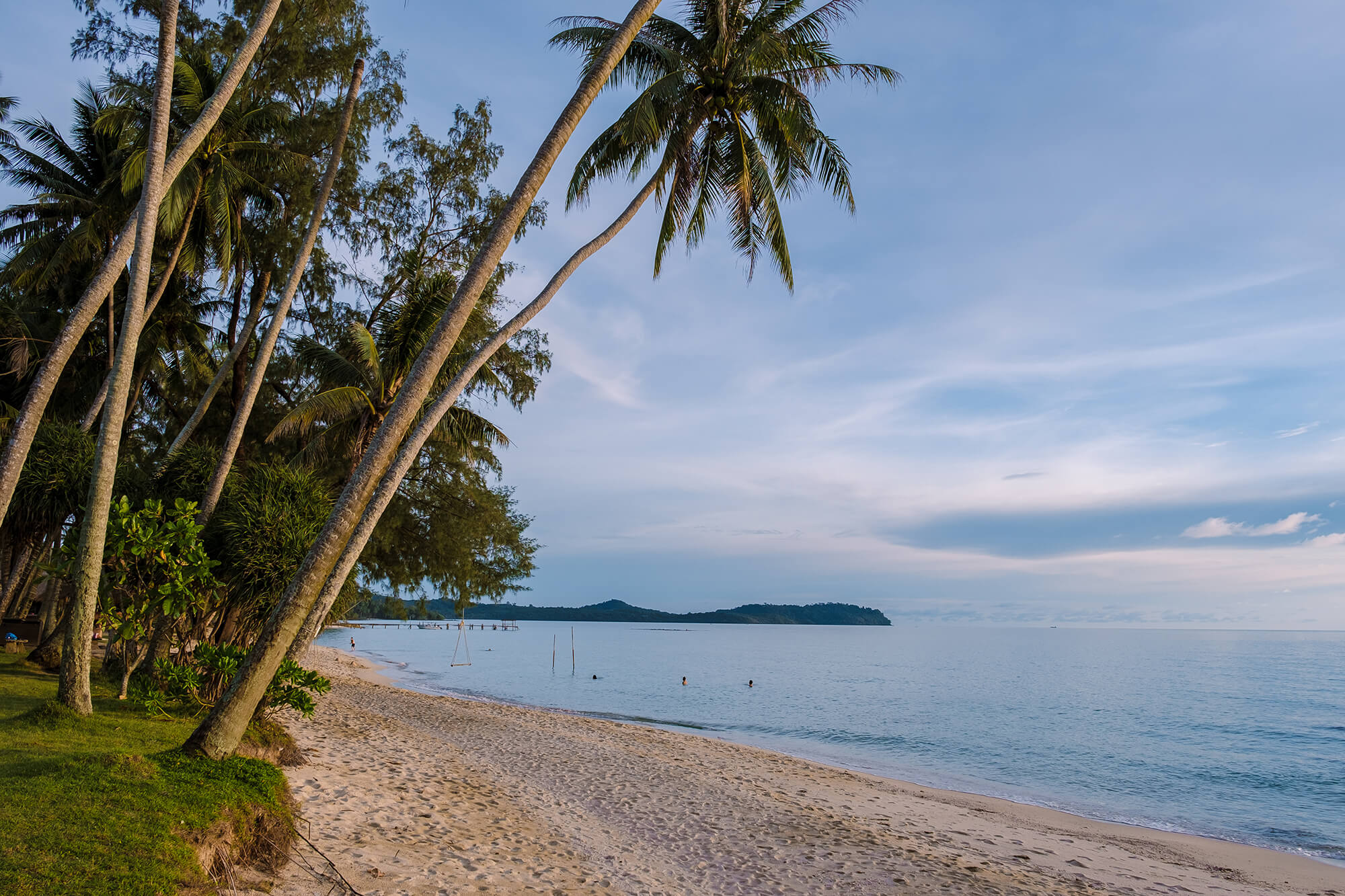
The waterfall hikes and kayaking through mangrove channels are standard-issue tropical-island activities done in a setting that still feels genuinely wild. Koh Kood's west coast beaches — Ao Phrao and Ao Klong Chao — are the kind of empty that requires a photograph to make believable.
Nusa Lembongan, Indonesia
Twenty minutes by fast boat from Sanur Beach in Bali, Nusa Lembongan is close enough to be easy and far enough that most Bali visitors never make the crossing. That gap is your advantage.
Fly into Denpasar (DPS) — Qatar Airways QR960 from Doha operates daily with QSuite on the A350, and the retail fare from London Heathrow runs around £4,200–£7,500 one-way in business. CEOFLIGHTS ASTA-accredited (member #900292735) consolidator pricing brings that into a more rational range; we'll give you specifics when you call.
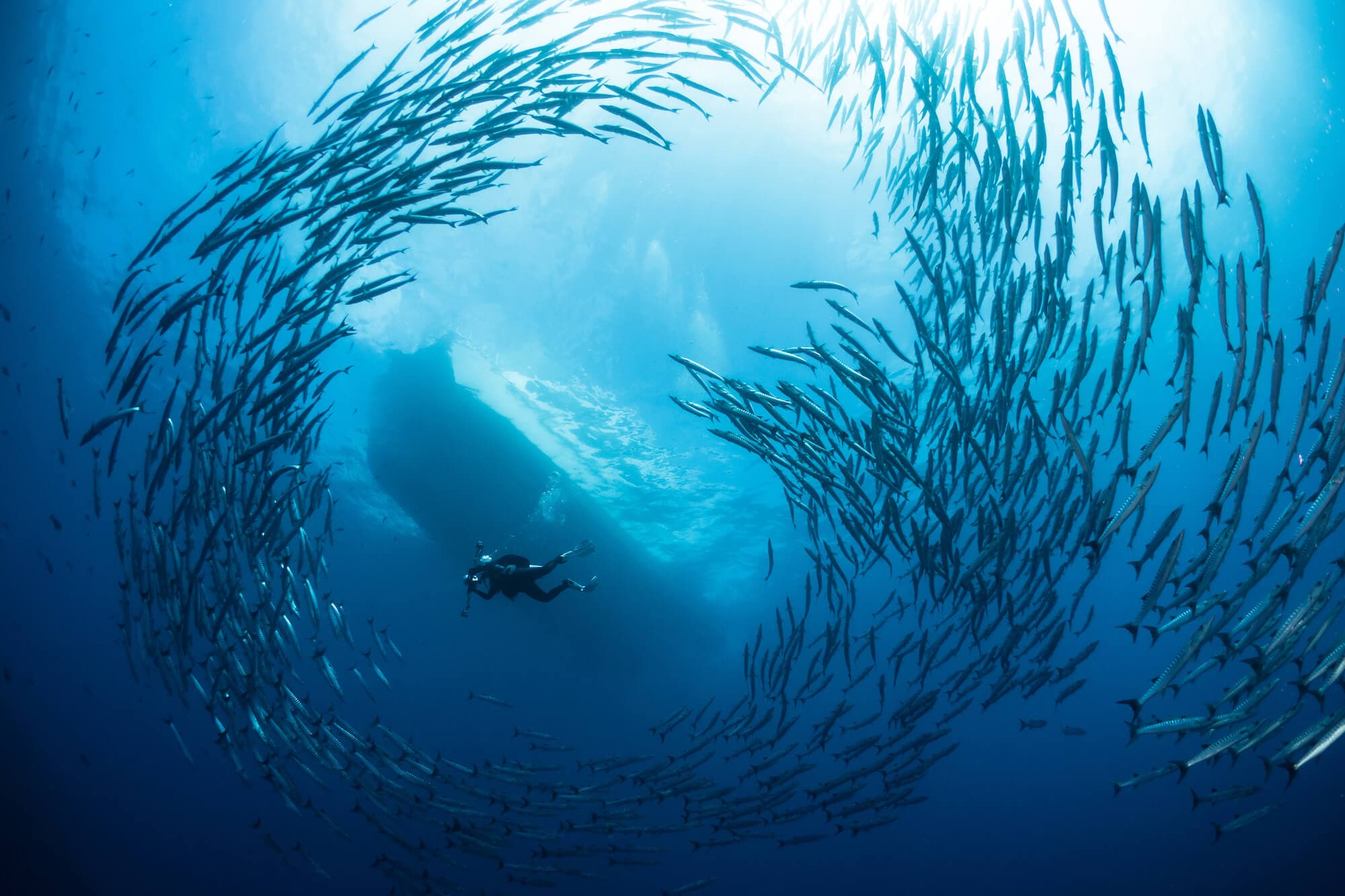
Lembongan's main event is diving and snorkeling at the channel between Lembongan and Nusa Penida, where oceanic manta rays gather in numbers that seem implausible until you're in the water with them. The current is strong and the briefing from a competent dive operator is non-negotiable. Indiana Manta is one of the better operations on the island — small groups, serious divemasters, no Instagram chaos.
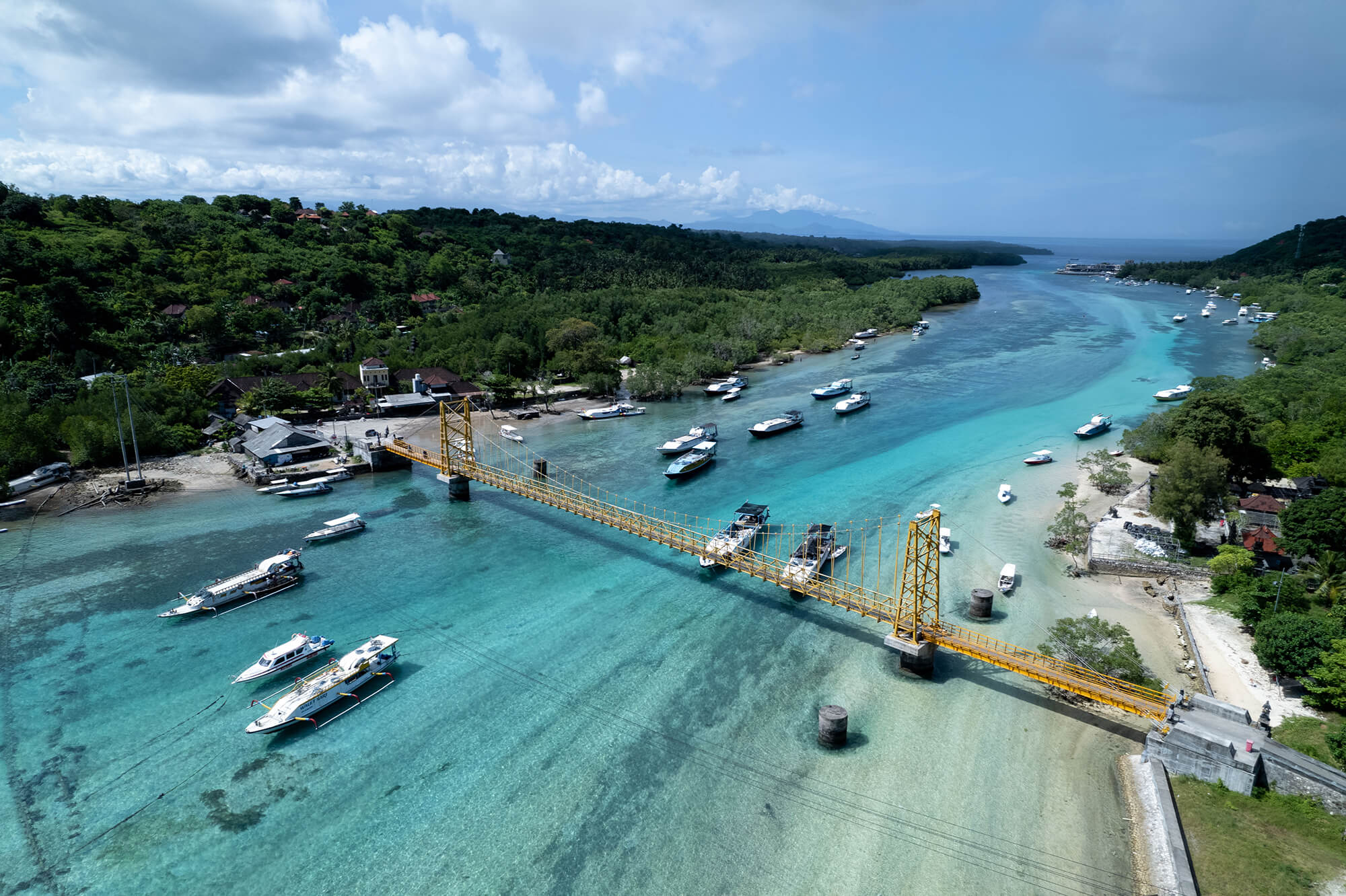
The surf breaks at Shipwrecks and Lacerations handle intermediate to advanced surfers and are less crowded than anything you'll find on the Bali mainland. The Yellow Bridge connecting Lembongan to Nusa Ceningan is photogenic in a way that feels almost contrived until you're standing on it watching fishermen work the channel below.
Stay at Batu Karang Lembongan Resort for clifftop pool villas with views across the strait. Small, well-run, and priced appropriately for what it delivers.
Kri Island, Indonesia (Raja Ampat)
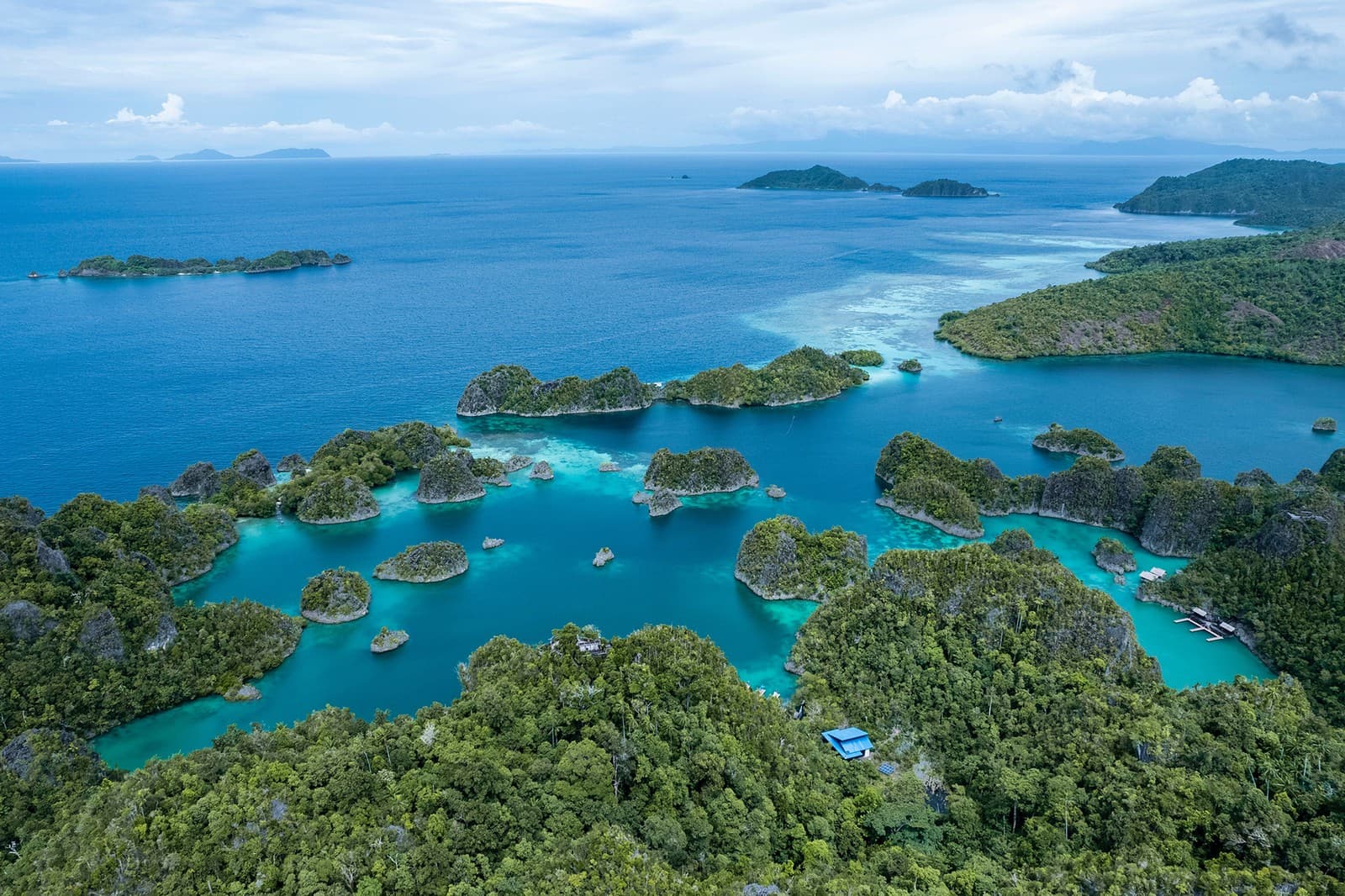
This is the serious one. Kri Island, in the Raja Ampat archipelago of West Papua, holds the record for fish species diversity at a single dive site. Cape Kri registered 374 species in one survey — a number that means nothing until you're 15 meters down watching a school of bumphead parrotfish move through a coral wall like slow-motion traffic.
Getting here is a commitment. The routing runs through Jakarta (CGK) or Sorong (SOQ), and the final leg from Sorong to Kri is a 2-hour speedboat ride. Fly business class from your home city to Jakarta — Garuda Indonesia operates a decent business class product on longhaul metal, or connect through Singapore on SQ with their regional J class — and absorb the domestic connections as part of the experience. The diving on arrival makes the journey retroactively reasonable.
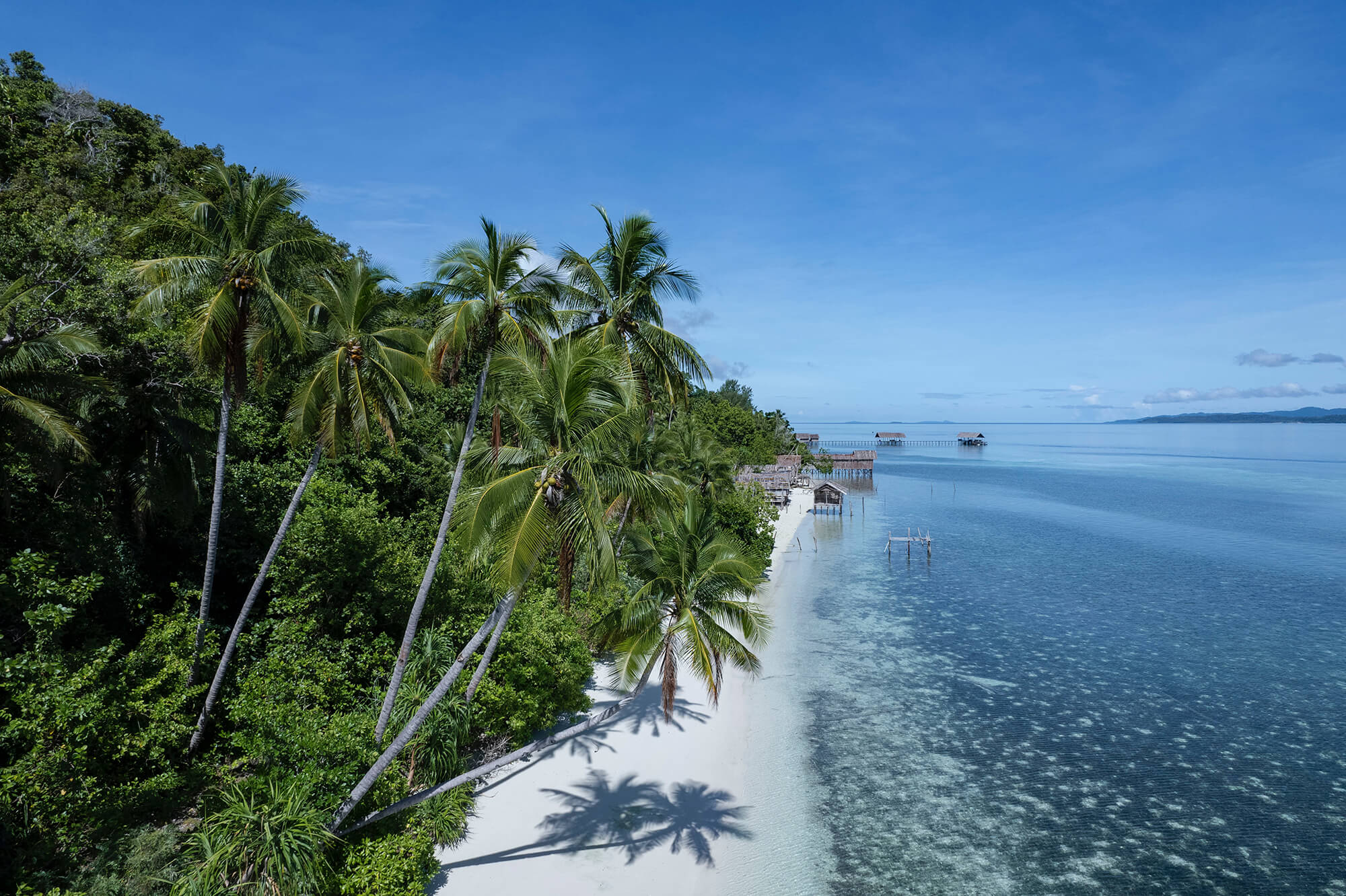
Accommodation options are deliberately limited. Papua Paradise Eco Resort and Raja Ampat Dive Lodge are the two properties worth considering — both built on stilts over the water, both run by operators who understand that the guests arriving here are not looking for a swim-up bar. Wobbegong sharks, oceanic mantas, whale sharks on a good day, and coral coverage that makes the Maldives look managed by comparison.
Raja Ampat is not a casual detour. It is a destination you plan a trip around, and then plan the flight around that. If you've been diving for twenty years and haven't been here, this is the one you'll regret skipping.
Making the booking work
Southeast Asia business class itineraries are genuinely complex — multiple carriers, positioning flights, island-hopping domestics, and sometimes a mix of published fares and consolidator inventory. We've routed hundreds of clients through these exact islands. CEOFLIGHTS is top rated on Trustpilot and ASTA-accredited (member #900292735), and our airline contracts produce fares that retail booking engines simply don't show.
Call (888) 851-6897 and tell us which island. We'll tell you which routing makes sense, which seat to book, and what it actually costs.
Southeast Asia's hidden islands are still hidden — but they won't stay that way. The window on uncrowded, unhurried travel in this part of the world is real, and it's narrowing. The flights are better than they've ever been. There's no good reason to wait.