Quick summary
To match the ultra-luxury standard of premier destinations like Bora Bora, Dubai, and Thailand, booking long-haul flat-bed premium cabins is essential. Consolidator contracts can reduce retail business class fares by 30% to 50%, bringing $7,000–$12,000 tickets down to $4,200–$6,800. We recommend pairing flagship products like Qatar's QSuite or Singapore Airlines' A350 business class with shoulder-season travel for optimal value.
Some destinations are worth flying coach to reach. These ten are not those destinations.
The places on this list justify — demand, really — a flat-bed seat, a decent Champagne service, and a lounge layover somewhere civilized. They're the kind of places where you'll drop $2,000 a night on accommodation without blinking, where the transfer from the airport alone sets a tone. Flying in cramped misery to arrive at a Six Senses or a Aman is a contradiction that makes no sense.
Below is our honest, opinionated breakdown of ten destinations that premium travelers consistently get right — plus the routes, airlines, and business class products worth booking to get there. If you want consolidator pricing on any of these routes, call CEOFLIGHTS at (888) 851-6897. We're ASTA-accredited (member #900292735) and top rated on Trustpilot, and we routinely bring retail business class fares down by 30–50% through our airline contracts.

Thailand
Thailand earns its place on every serious luxury traveler's shortlist — not because it's trendy, but because it actually delivers. Bangkok remains one of the most underrated luxury city-stays on earth. Phuket and Koh Samui have world-class resort infrastructure. Chiang Mai offers something genuinely different: cultural immersion at a pace that five-star guests rarely experience in Southeast Asia.
Getting there in business class
From the US East Coast, the best routing to Bangkok (BKK/Suvarnabhumi) is via Doha on Qatar Airways, operating QR701 from New York-JFK and QR73 from Chicago-ORD. The connecting time at Hamad International is usually 1.5–2.5 hours — long enough to access the Al Mourjan Business Lounge, which ranks among the top three airport lounges in the world. You'll be flying in QSuite, Qatar's double-bed business class product, for the long-haul sectors. Retail roundtrip fares from JFK run $6,500–$9,800. Through our airline contracts, that range typically drops to $4,200–$5,800 on equivalent itineraries.
From Europe, Thai Airways flies nonstop from London Heathrow and Frankfurt to Bangkok in Royal Silk Business Class — a solid, if not spectacular, product. Emirates via DXB is a worthy alternative if you want a proper layover in Dubai first.
When to go
November through February is the sweet spot: dry, breezy, and manageable temperatures across most regions. March to May heats up, but resort rates drop noticeably, and the crowds thin at places like the Similan Islands dive sites.
What to do when you're there
- Check into the Capella Bangkok or the Mandarin Oriental — the latter has been refining Thai hospitality since 1876, and it still shows
- Dine at Gaggan Anand's eponymous restaurant in Bangkok, currently #1 in Asia's 50 Best Restaurants; book 60 days out minimum
- Visit the Similan Islands (October–May only) for visibility exceeding 30 meters underwater — dive operators run liveaboard charters that are worth every baht
- The ethical elephant sanctuaries outside Chiang Mai, particularly the Elephant Nature Park, offer a morning that will outlast any five-star room memory
- Award-winning spa programs at Amanpuri in Phuket incorporate traditional Thai massage techniques that no hotel spa in New York or London replicates convincingly
Dubai
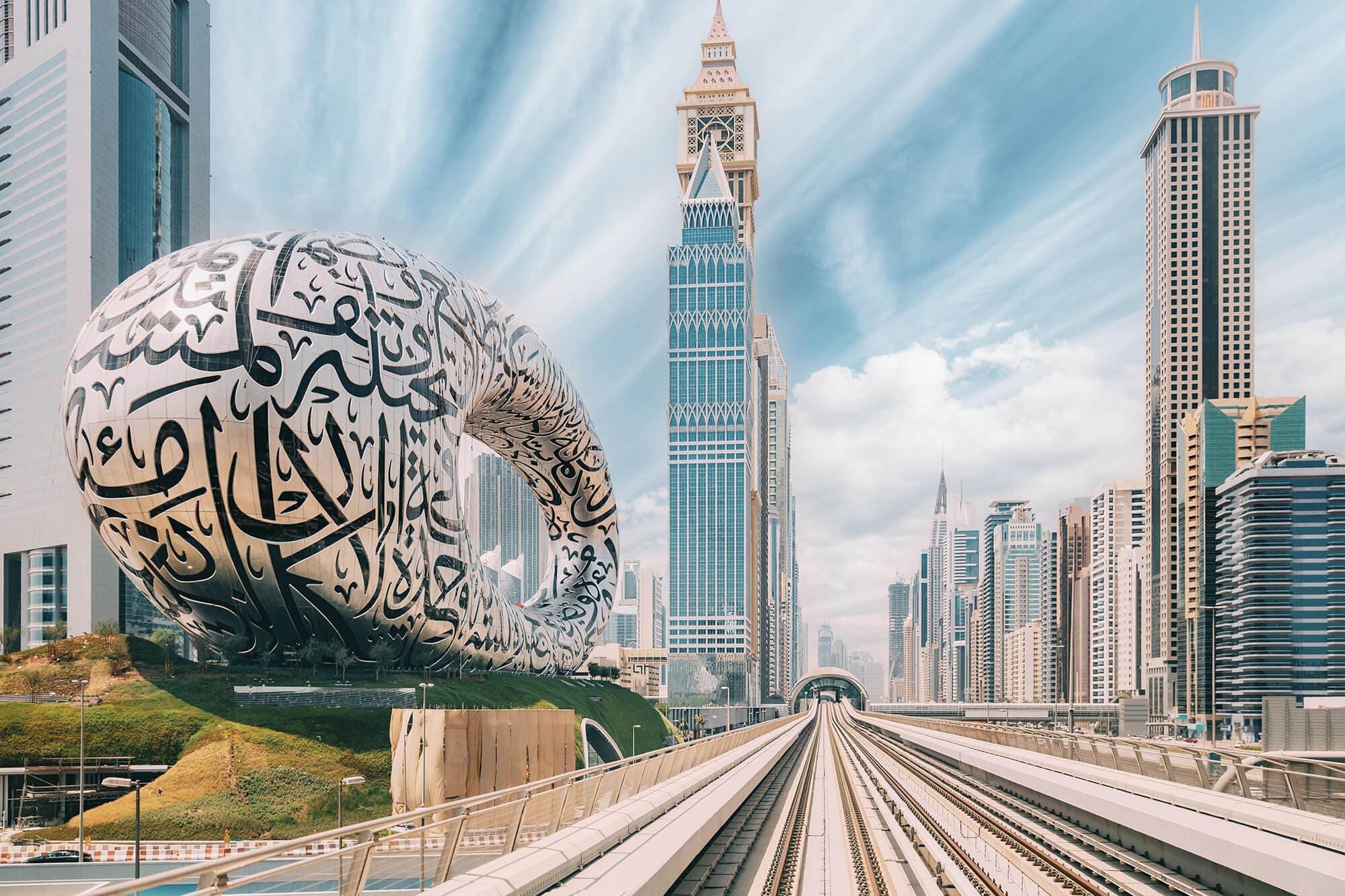
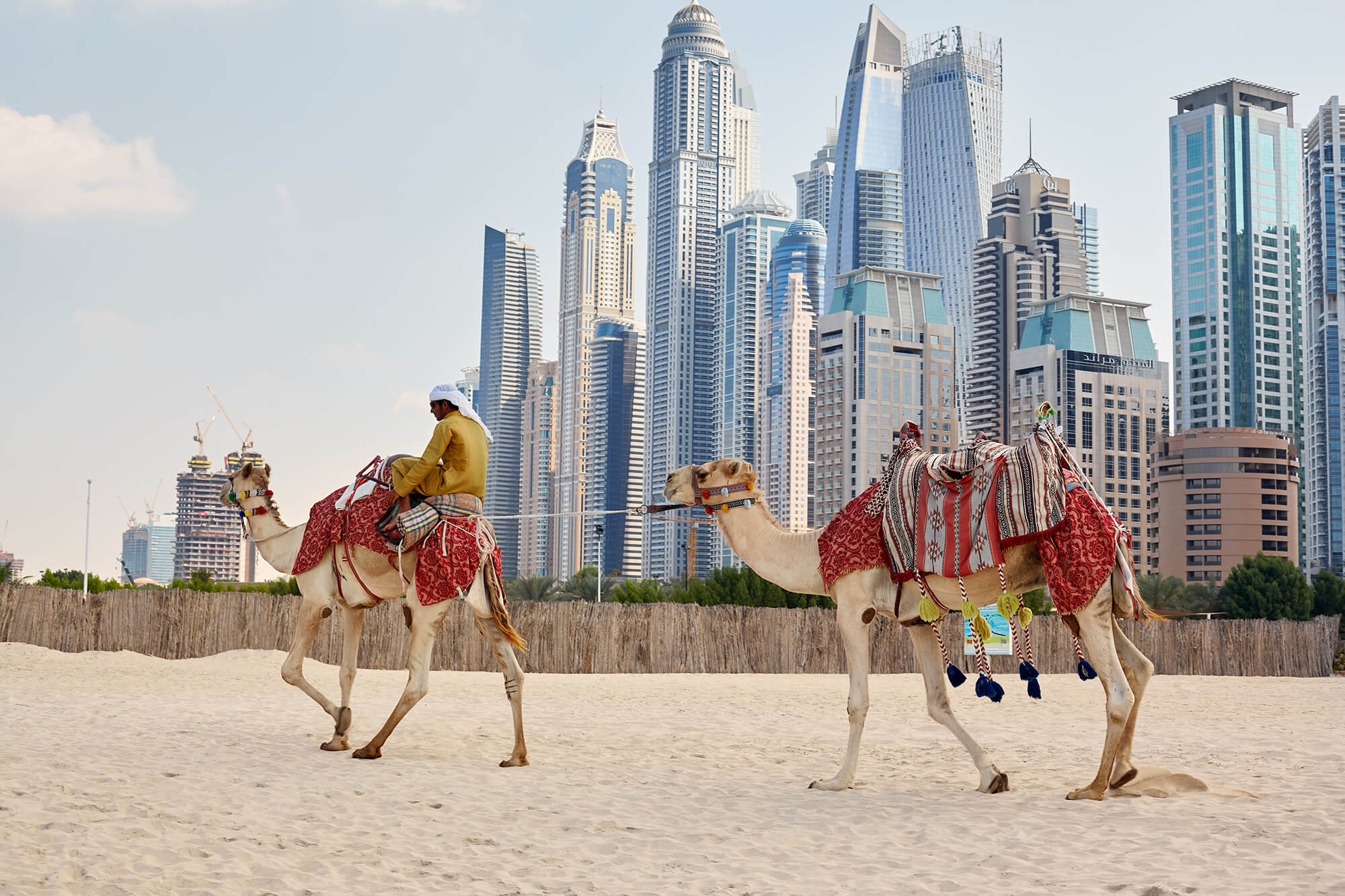
Dubai is polarizing among sophisticated travelers — and that polarization is mostly wrong. Critics dismiss it as artificial; regulars know it as one of the most efficient luxury destinations on the planet. The infrastructure is flawless, the hotels are consistently excellent, and the food scene has quietly become world-class.
Getting there in business class
This is where it gets interesting, because Dubai (DXB) is a hub, not just a destination. Emirates operates nonstop flights from 12 US cities, and their Business Class product on the Boeing 777-300ER — with 1-2-1 configuration and a 78-inch fully flat bed — remains one of the most consistent long-haul products in the sky. EK231 from JFK to Dubai runs 13 hours and 45 minutes. Retail roundtrip fares from New York hover at $7,000–$11,000; CEOFLIGHTS consolidator pricing on this route typically runs $4,500–$6,800.
Etihad from JFK and LAX is worth considering if you can snag a Business Studio seat on the A380, which offers slightly more privacy than the Emirates equivalent.
When to go
November through March. Full stop. Summer in Dubai is brutal — 45°C and 80% humidity is not a luxury experience regardless of how good your hotel's air conditioning is.
What to do when you're there
- The Burj Al Arab's afternoon tea service is genuinely worth experiencing once; the hotel's helipad suite is not worth the price of admission
- Desert safari dinners feel gimmicky until you've actually done one with a private guide and a proper table under Orion — it converts skeptics
- The Dubai Mall's aquarium and indoor ski slope at Ski Dubai are better than they have any right to be
- Al Fahidi Historical Neighborhood provides 45 minutes of genuine context for a city most visitors never actually understand
- Book a helicopter tour early morning, before the haze builds — the geometry of the Palm from above is one of those genuinely surprising views
Singapore
Singapore is, frankly, the most logistically pleasant city on earth. It's clean, connected, bilingual, and positioned as a natural stopover between Europe or North America and virtually every other destination on this list. Flying through Changi Airport — consistently ranked the world's best — rarely feels like a layover.
Getting there in business class
Singapore Airlines is the correct answer. Full stop. Their Business Class product on the A350 and 777-300ER (operated on routes like SQ21 from Newark, the world's longest commercial flight at 18 hours 45 minutes) features a 1-2-1 configuration with 28-inch wide seats and direct aisle access. The Suites product on the A380 from JFK via Frankfurt is even better — private enclosed cabins with a 35-inch seat that converts to a true double bed. Retail pricing from US East Coast to SIN: $6,800–$12,000 roundtrip. Our consolidator pricing on SQ metal typically runs $5,200–$7,500.
Changi's SilverKris Lounge, accessible to SQ Business Class passengers, is a benchmark lounge — the hot food selection alone embarrasses most US domestic first class products.
When to go
Singapore's equatorial climate is consistent year-round. February through April tends to offer the lowest rainfall. Honestly, seasonal planning matters less here than it does elsewhere on this list.
What to do when you're there
- The Marina Bay Sands infinity pool is overexposed on Instagram and still genuinely worth experiencing — hotel guests only, Level 57, no exceptions for non-residents
- Odette at the National Gallery (3 Michelin stars) serves some of the most technically precise French-influenced cooking in Asia; reserve months ahead
- Raffles Hotel's Long Bar is a tourist trap and also a mandatory stop — the Singapore Sling was invented here in 1915, and ordering one is a tax you pay willingly
- The cultural neighborhoods — Kampong Glam, Little India, Chinatown — can each fill half a day without ever touching a tourist brochure
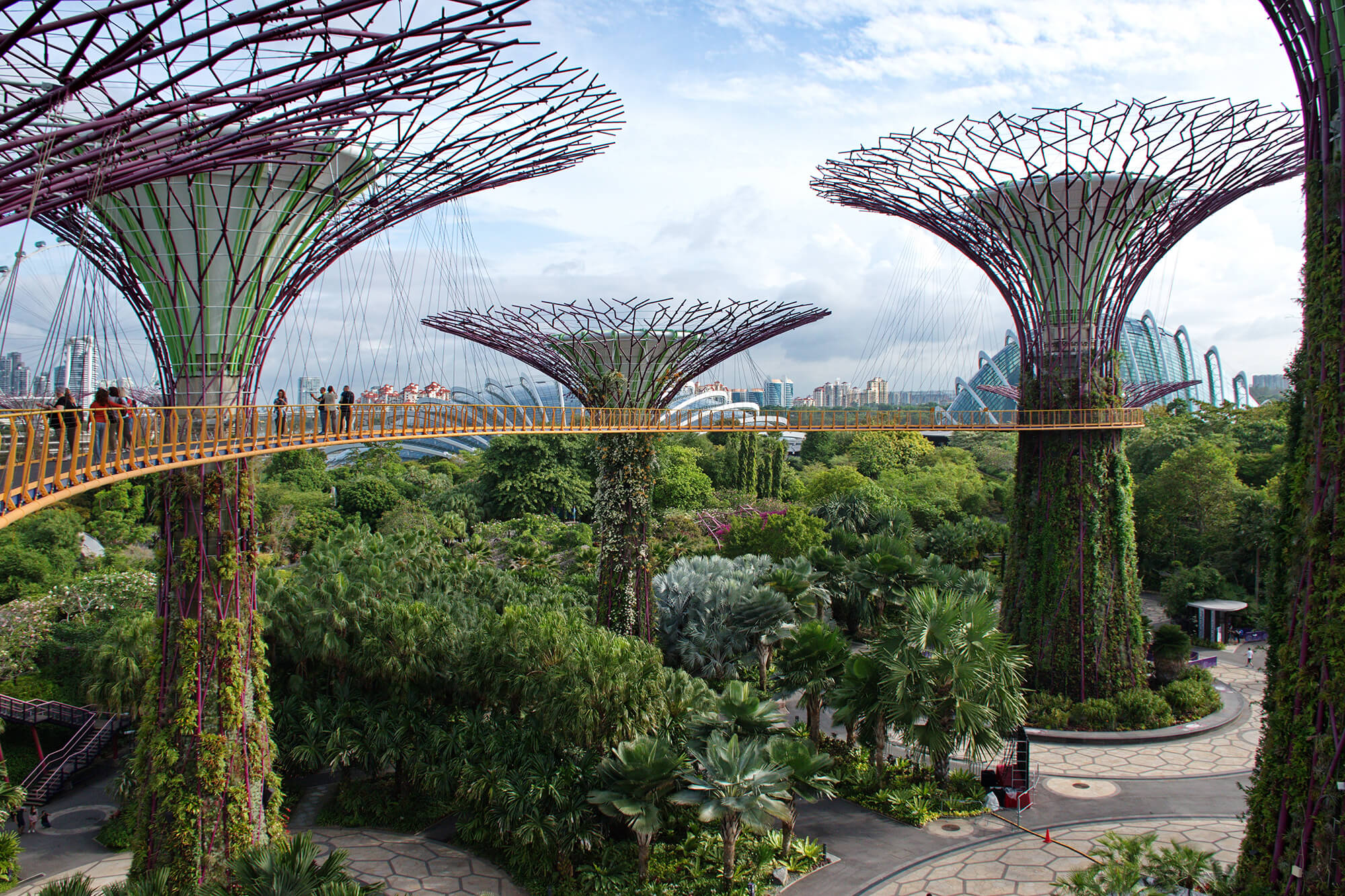
- Gardens by the Bay's Supertrees light show at 7:45pm is free, spectacular, and takes 15 minutes
Maldives
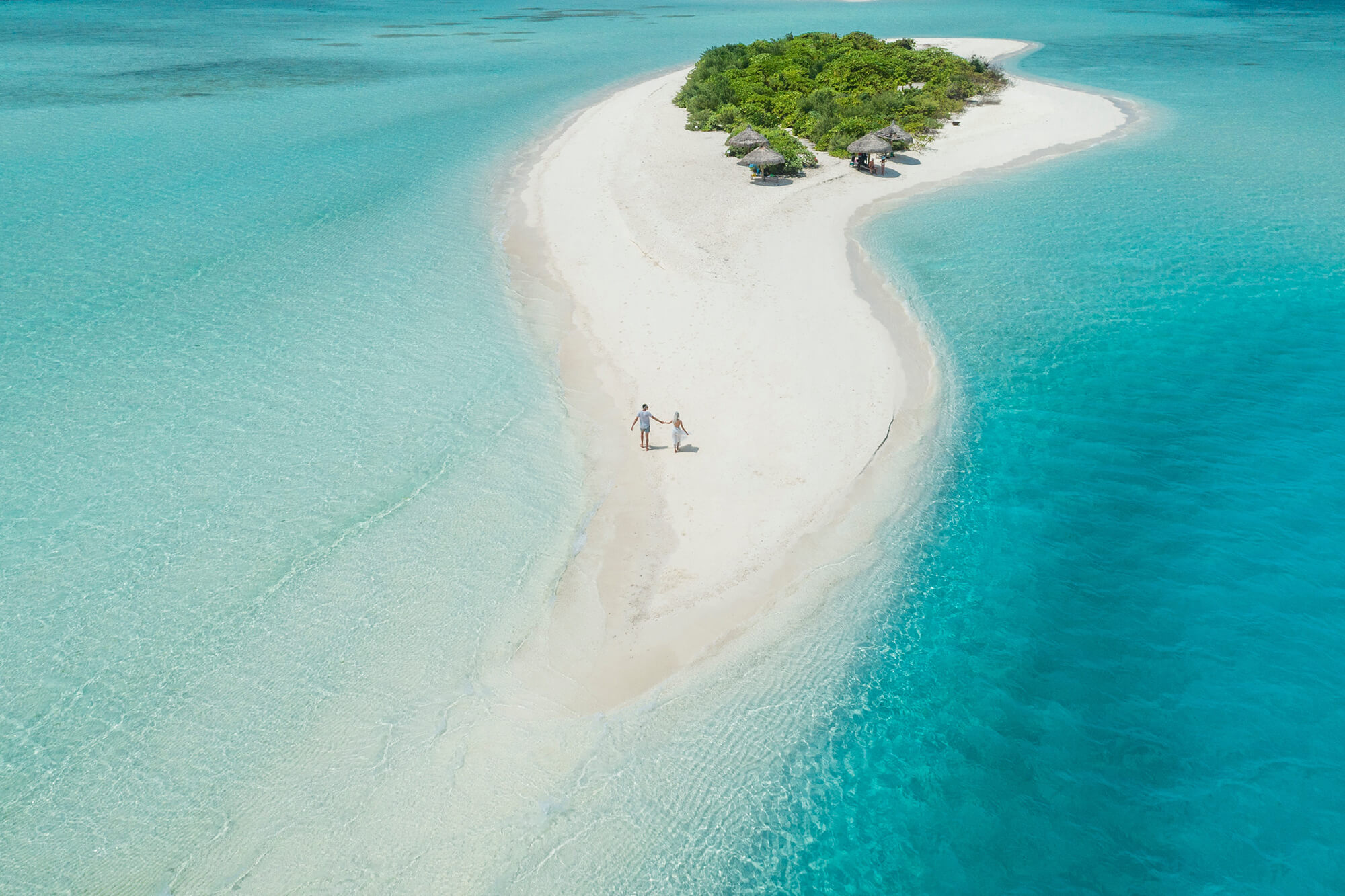
There is no destination on this list where the quality of your flight matters less to the overall experience once you land — because arriving in the Maldives is genuinely disorienting. You step off a seaplane at your private resort jetty and the world reorganizes itself. The Indian Ocean here is not the Indian Ocean you've seen in other photographs.
Getting there in business class
From the US, the cleanest routing to Malé (MLE) is via Doha on Qatar Airways or via Dubai on Emirates — both connect efficiently. Qatar Airways QSuite on the JFK–DOH sector remains the strongest business class product on any aircraft flying this routing, with 1-2-1 herringbone seating and fully closable suite doors. From DOH, the short hop to MLE is typically on an A320 in a 2-2 recliners-only configuration, which is fine given it's a 4-hour flight. Budget $7,500–$11,000 retail roundtrip from the US East Coast; CEOFLIGHTS pricing on this corridor runs $5,000–$7,200.
When to go
November through April for the dry northeast monsoon season — optimal visibility for diving and snorkeling. The southwest monsoon (May–October) brings occasional rain and reduced visibility, but rates drop dramatically and the surf on the western atolls gets genuinely interesting.
What to do when you're there
- Overwater villas at One&Only Reethi Rah or Soneva Jani set the benchmark — Soneva's water slides directly into the lagoon from the deck
- Night-diving with bioluminescent plankton at Baa Atoll is unlike anything you'll experience in a European spa
- Private sandbank dinners, organized by most resort concierge teams, cost $500–$2,000 and are worth every dollar for a special occasion
- Coral planting programs offered by conservation-minded resorts like Baros are genuinely substantive, not performative greenwashing
- Manta ray encounters at Hanifaru Bay (July–November) in Baa Atoll UNESCO Biosphere Reserve involve 200+ mantas feeding simultaneously — bring an underwater camera

Costa Rica
Costa Rica is the outlier on this list — the only destination where the luxury proposition is built around what you don't see (crowds, development, coastal sprawl) rather than what you do. The eco-lodge model here has matured into something genuinely sophisticated. Nayara Tented Camp in Arenal and Kura Design Villas near the Osa Peninsula are not compromises. They're the destination.
Getting there in business class
San José (SJO) is the main gateway. United Airlines and American Airlines both fly nonstop from multiple US hubs. United's Polaris Business Class product, available on select p.s. routes and international configurations, offers a 76-inch flat bed in a 1-2-1 layout — significantly better than what you'd find in AA's domestic-style recliners on shorter Central American routes. Check aircraft type carefully when booking SJO routes; not all of them get widebody equipment.
Liberia (LIR) is the more convenient entry point if you're headed to the Guanacaste beaches. American flies there from Miami and Dallas.
When to go
Mid-December through April for the Pacific coast dry season. The Caribbean coast follows a different, nearly inverse weather pattern — rainy season on one side often means dry on the other, which is useful to know.
What to do when you're there
- Guided dawn walks at the Corcovado National Park — one of the most biodiverse places on earth — are best booked through a private naturalist guide rather than group tours
- The Tortuguero nesting season (July–October for green sea turtles) is one of the great wildlife spectacles in the Western Hemisphere
- Sustainable coffee estate tours in the Central Valley, particularly at Doka Estate, are more substantive than a gift shop coffee tasting
- Zipline operators in Monteverde have refined their equipment to the point where it's genuinely thrilling rather than merely expensive
- Helicopter transfers between the Central Valley and the Osa Peninsula are available and make the logistics dramatically cleaner
Hawaii
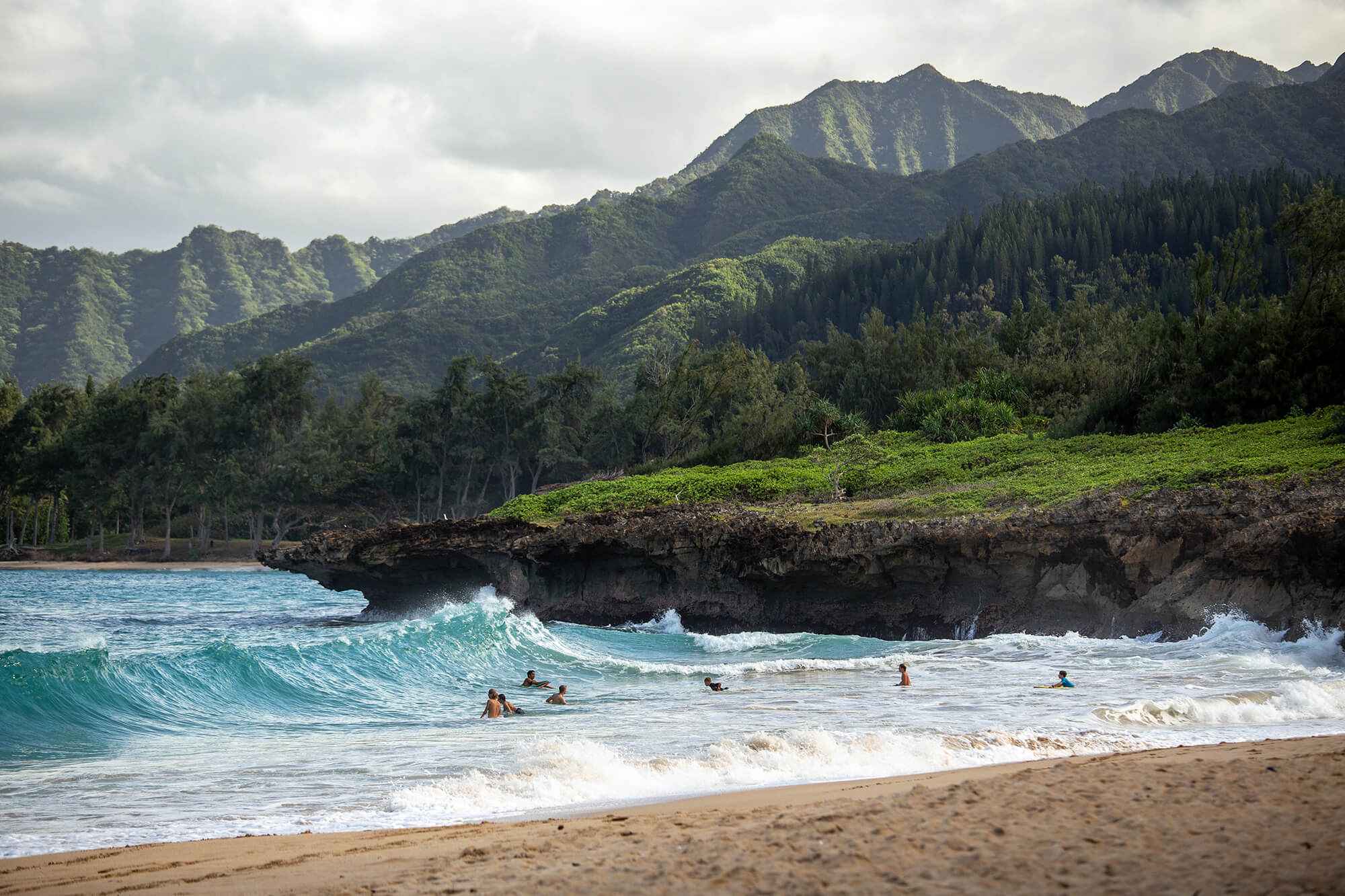
Hawaii is the only luxury destination on this list that doesn't require an international flight from the continental US — which makes it both undervalued and overrun in equal measure. The key is choosing the right island and the right moment. Maui in August is a different experience from Kauai in May. The infrastructure spans from generic resort-strip hotels to genuinely extraordinary properties, and knowing the difference matters.
Getting there in business class
Hawaiian Airlines operates nonstop from over a dozen US cities, and their Business Class cabin on A330 routes features a 2-2-2 configuration — adequate, not exceptional. For a better product, United Polaris on the LAX–HNL or SFO–HNL routes and American Airlines Flagship Business from Los Angeles offer 1-2-1 flat-bed configurations on selected widebody aircraft. From the East Coast, a one-stop via LAX or SFO is unavoidable; use the connection strategically — Alaska Airlines' Board Room Lounge at LAX or United's Polaris Lounge at SFO are both solid options.
Retail roundtrip business class from New York to Honolulu runs $3,500–$6,500. CEOFLIGHTS consolidator pricing on premium Hawaii routes typically opens at $2,400.
When to go
April to May and September to October hit the sweet spot: school's out of session, crowds thin, rates soften slightly, and weather across Oahu, Maui, and Kauai is consistently good. December through February brings humpback whale season to Maui — extraordinary from a charter boat, if you time it right.
What to do when you're there
- Kauai's Na Pali Coast by private helicopter is one of those experiences that genuinely defies description — 90-minute tours depart from Lihue and are worth every dollar of the $400–$700 price tag
- Four Seasons Maui at Wailea remains the benchmark luxury property on the island — the spa incorporating traditional Hawaiian lomilomi technique is exceptional
- Haleakala summit sunrise on Maui requires a 3am departure from your resort and rewards with something that feels genuinely sacred
- Hawaii Volcanoes National Park on the Big Island — particularly the Halema'uma'u Crater lava lake — is geologically active enough that the experience changes month to month
- Lanai, accessible by 45-minute ferry from Maui, hosts two Four Seasons properties and roughly zero crowds
Bora Bora
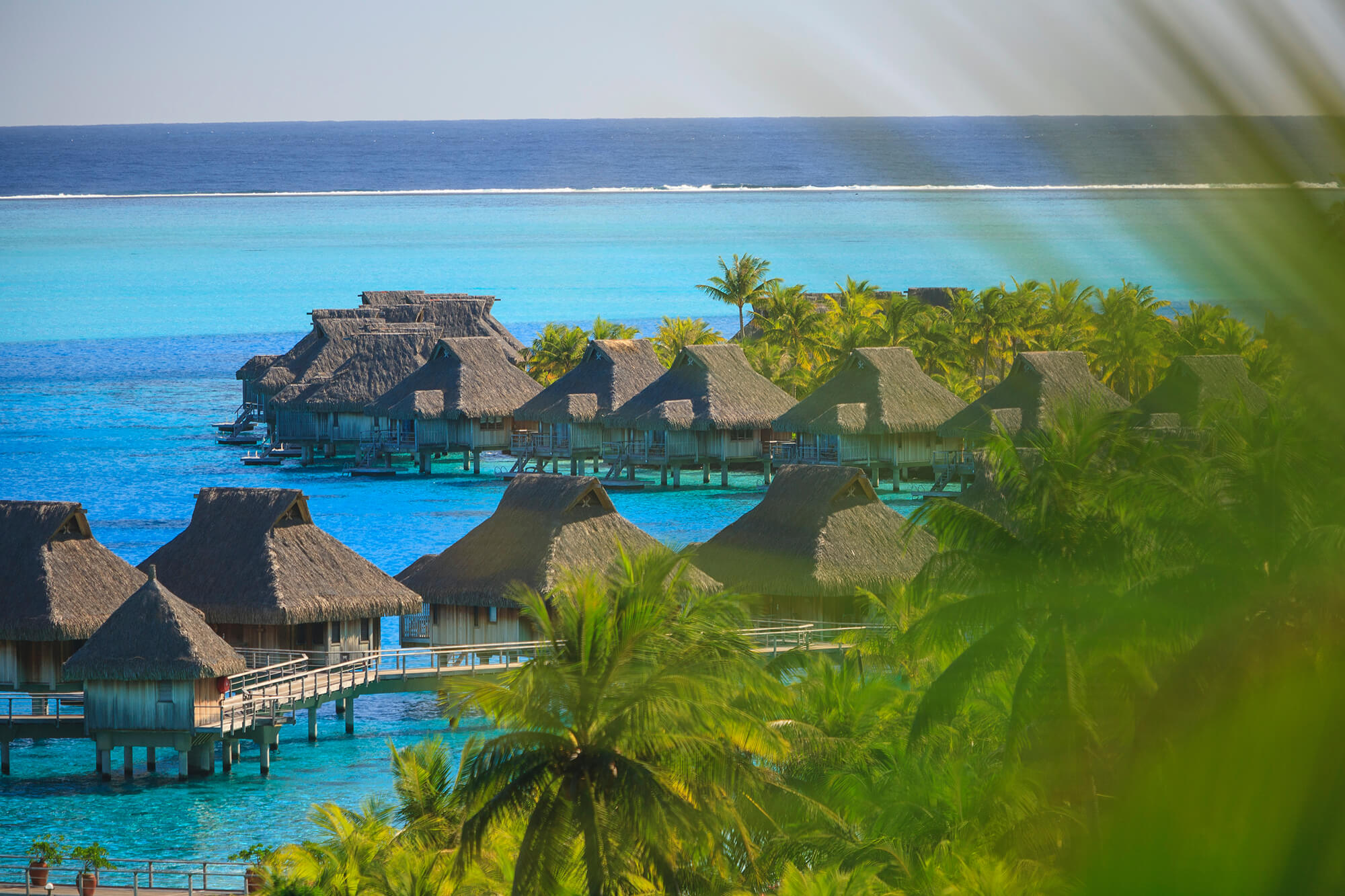
Bora Bora is the destination people describe as a honeymoon cliché until they actually go. The lagoon is not a filter effect — the water genuinely is that shade of blue-green, bounded by a reef that shields it from Pacific swells. Mount Otemanu rises 727 meters from the center and provides a backdrop so photogenic it seems staged. It isn't.
Getting there in business class
There's no nonstop from North America. The routing is US gateway (typically LAX or SFO) to Papeete, Tahiti (PPT) on Air Tahiti Nui, then a 45-minute domestic flight or short boat transfer to Bora Bora (BOB). Air Tahiti Nui's Poerava Business Class on the A340-300 (operated from LAX) and A350 features lie-flat seats with direct aisle access in a 1-2-1 configuration — a solid product for a mid-tier carrier that most travelers overlook. Retail roundtrip from LAX in business class runs $3,800–$6,200. Our consolidator pricing starts closer to $2,600.
Factor in the inter-island connection and plan a night in Papeete rather than a rushed same-day connection — Hotel Le Royal Tahiti is fine for a transit stay.
When to go
May through October. The dry season keeps humidity manageable, visibility in the lagoon at its clearest, and conditions right for the reef shark and ray feeding snorkel tours that every resort runs.
What to do when you're there
- The overwater bungalows at Four Seasons Bora Bora and InterContinental Bora Bora Le Moana are genuinely what the photographs suggest; book a lagoon-view unit, not a garden-view one
- Morning snorkel tours to the coral gardens inside the reef — typically 7–8am departures — offer the clearest water and the least boat traffic
- The summit hike to Mount Otemanu is a 4–5 hour round trip with a local guide; the view justifies the effort, but the trail is not maintained to Five Paths standards
- Sunset sailing on a private catamaran charter is the correct way to spend one evening here — most resorts arrange them for $300–$600 per couple
- Traditional Polynesian cultural evenings at the larger resort properties include fire dancing and a genuinely excellent tamaaraa feast
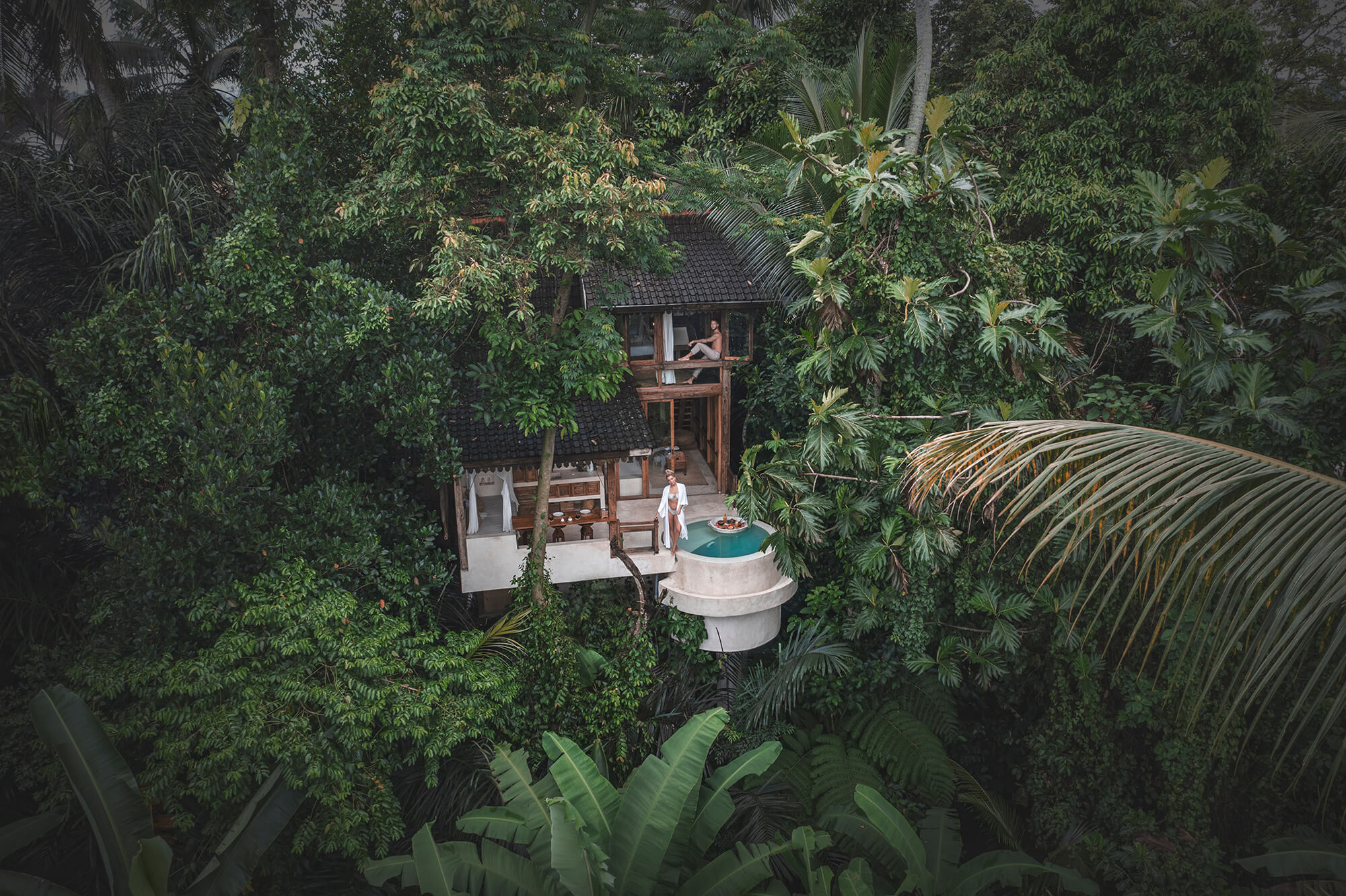
Bali
Bali suffers from its own reputation. The Instagram version — rice terrace selfies, infinity pool shots, healing retreats — has obscured the fact that this is a genuinely extraordinary island with a cultural depth that rewards slower, more intentional travel. The luxury infrastructure in Ubud and Seminyak is among the best value-for-money in Asia at any price point.
Getting there in business class
Ngurah Rai International Airport (DPS) connects through Singapore, Hong Kong, and Tokyo from most major hubs. The cleanest routing from the US is Singapore Airlines (SQ) to SIN, then Singapore Airlines or Scoot down to DPS — but you'll typically only get SQ's full Business Class product on the long-haul sector. From Europe, KLM's Business Class via Amsterdam to Bali (operated as KL837 AMS–SIN and a connecting sector) offers World Business Class with fully flat beds in a 1-2-1 configuration on the 787-9, and it's consistently underpriced relative to the product quality.
When to go
April through September is the dry season. July and August are peak crowd months, particularly in Seminyak and Canggu — consider May or June for better rates and the same weather.
What to do when you're there
- A private villa in Ubud — rented independently rather than through a resort — can deliver the jungle-immersion experience more authentically than any hotel property; expect to pay $400–$1,500 per night for something genuinely spectacular
- Komaneka at Bisma and Alila Ubud represent the apex of the Ubud luxury resort category — both position above the Campuhan ridge with views across the jungle canopy
- Diving at Nusa Penida and Manta Point involves manta ray encounters from October through May and Mola Mola (ocean sunfish) sightings from July through October
- The Tegalalang Rice Terraces are worth seeing, full stop — go at 7am before the tour groups arrive
- Traditional Balinese dance performances at Pura Dalem Ubud are authentic, not tourist-facing productions — the kecak fire dance at Uluwatu's clifftop temple at sunset is equally extraordinary
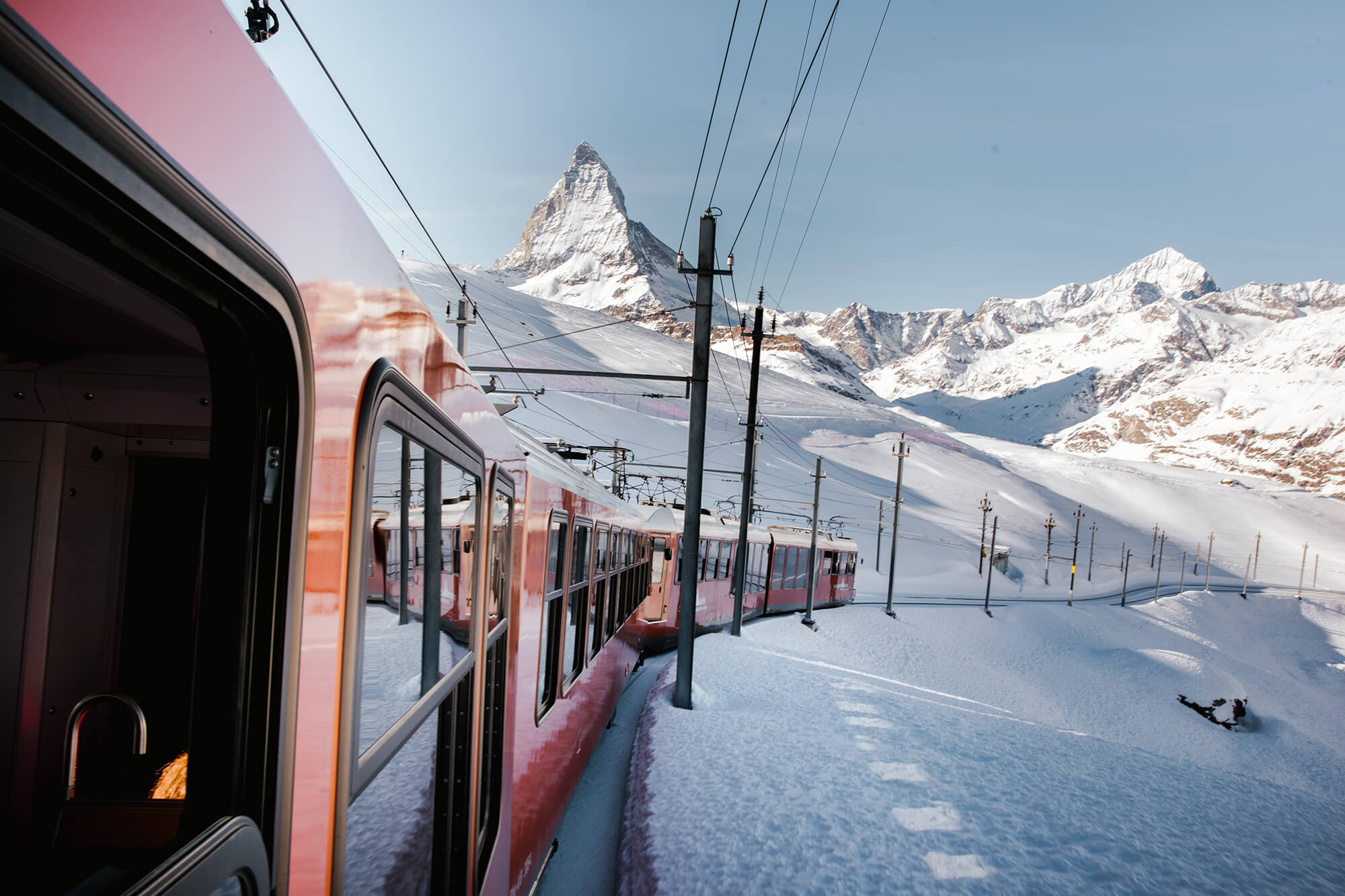
Switzerland
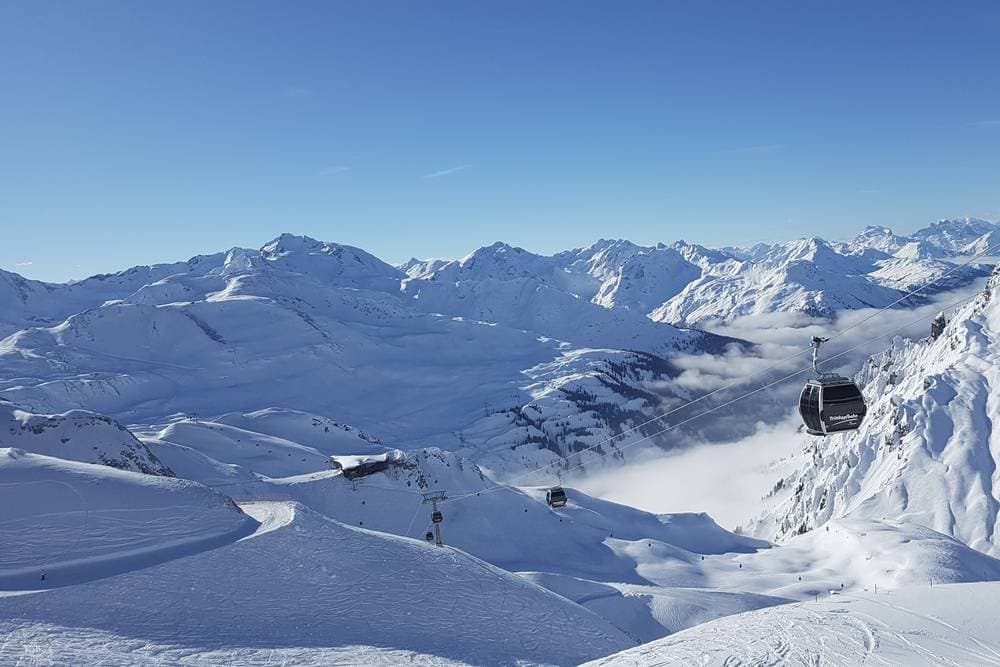
Switzerland is expensive by any measure, and it doesn't apologize for it. The ski infrastructure in Zermatt, St. Moritz, and Verbier is the finest on earth — not the most accessible, not the most affordable, but definitively the best. Summer Switzerland is a different proposition: hiking, lake swimming, and the kind of scenic train journeys that require no justification beyond the view from the window.
Getting there in business class
Zurich (ZRH) and Geneva (GVA) are both well-served from major US and European hubs. Swiss International Air Lines operates SWISS Business Class from JFK, LAX, Chicago, Boston, and Miami, with a solid 1-2-1 flat-bed product on the 777-300ER. LX1 from JFK to ZRH runs around 8 hours and connects to the Swiss rail network, which is efficient enough that you can be in Zermatt within 3 hours of landing.
Lufthansa's Business Class via FRA is the alternative, with their excellent First Class product available at premium if you want to step up — 1-1-1 seating on the 747-8i with 81-inch fully flat beds. Retail roundtrip from the US to ZRH runs $4,500–$8,000; CEOFLIGHTS consolidator pricing on SWISS and Lufthansa metal consistently runs 25–40% below retail. Call us at (888) 851-6897 to price a specific itinerary.
When to go
December through March for ski season; June through September for hiking and lake culture. The shoulder months — April, May, October, November — offer Alpine scenery without the resort crowds, and rates at properties like the Badrutt's Palace in St. Moritz drop significantly.
What to do when you're there
- The Glacier Express between Zermatt and St. Moritz takes 7.5 hours and passes through 91 tunnels and 291 bridges — book the Excellence Class panorama car, which includes meals
- Heli-skiing from Verbier's Mont Fort glacier requires a guide and costs roughly CHF 1,000–1,500 per person per day; it is worth every franc
- The Therme Vals spa, designed by Peter Zumthor in 1996, is one of the most architecturally significant wellness experiences in Europe — book accommodation at Hotel Therme Vals to access it
- Swiss chocolate factory visits feel like a cliché until you're at Maison Cailler in Broc, which takes the experience seriously enough to be genuinely interesting
- The Old Town of Zurich (Altstadt) and the medieval center of Basel's Art Basel week (June) reward extended time

France
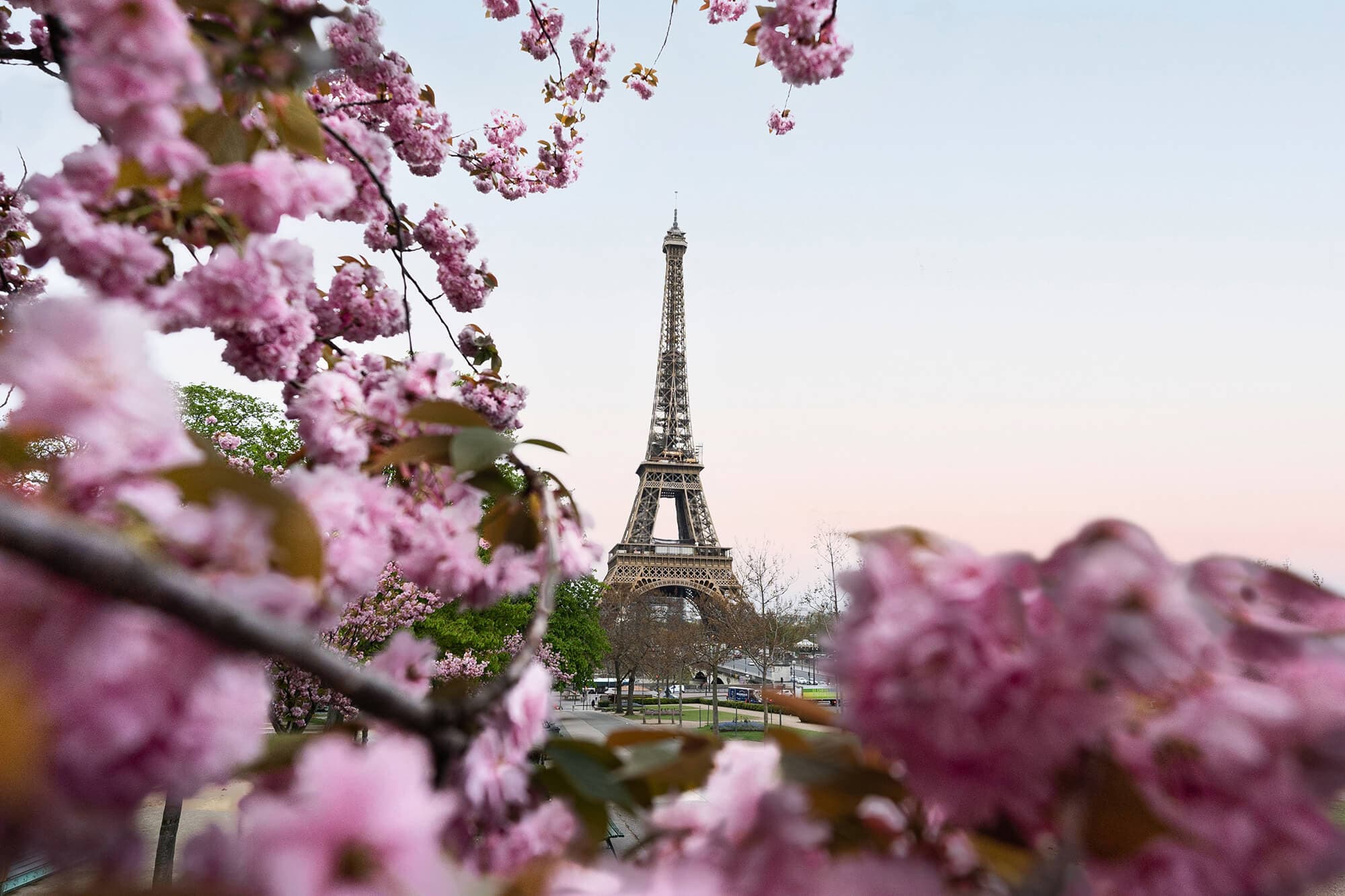
France requires no selling. It is, by any measure, the most visited country on earth for reasons that have accumulated over centuries and show no signs of losing validity. Paris is the reference point for urban sophistication. The Riviera remains the gold standard for coastal glamour. Burgundy and Bordeaux are the benchmarks against which every other wine region on earth measures itself.
Getting there in business class
Paris Charles de Gaulle (CDG) is among the most competitive transatlantic routes in aviation, which means pricing is aggressive and product quality is high. Air France's La Première First Class (available on select long-haul widebody routes) is one of the most refined first class products in the sky — 1-1-1 seating in full suites with a 78-inch flat bed. Business Class on Air France (Club Suite, available on newer-delivery 777-300ERs) is a genuine 1-2-1 product with full aisle access and closing doors — materially better than what the airline offered as recently as 2019.
United Polaris from Newark (EWR) to CDG and American Flagship Business from JFK to CDG are competitive alternatives that benefit from US loyalty program accrual. Retail roundtrip from New York in business class: $4,000–$9,500. Through CEOFLIGHTS contracts, we regularly place clients on Air France Club Suite from $3,100 roundtrip.
When to go
April through June and September through October. Paris in spring is not a cliché — it's accurate. The Provence lavender fields peak in late June and early July. The Riviera in September, once August's crowds have cleared, is arguably better than peak season.
What to do when you're there
- Restaurant Guy Savoy in Paris (3 Michelin stars) is the most serious culinary experience the city offers at present — the artichoke soup with black truffle is a dish that does not leave your memory
- Versailles is overrun from 10am to 4pm; book the earliest possible entry slot and focus on the Grand Trianon, which most visitors skip entirely
- A private yacht charter from Cannes to Saint-Tropez and Monaco — 3 to 5 days, a 50-foot sailboat or motor yacht, crew included — runs €15,000–€35,000 and is the correct way to experience the Riviera
- The Chamonix valley, three hours from Geneva, is where serious alpinists train; the Aiguille du Midi cable car ascends to 3,842 meters and delivers views that make the Swiss equivalents look modest
- Châteaux accommodation in Burgundy — Château de Gilly, Château de Vault-de-Lugny — offers a level of historical immersion that no Paris hotel replicates
The routing question no one asks but everyone should
Most travelers treat the flight as an inconvenience preceding the vacation. That's the wrong frame. On a 14-hour sector to Bangkok or Singapore, your business class product determines whether you arrive rested enough to actually enjoy day one. QSuite closes. Club Suite closes. Polaris is flat. These distinctions matter enormously when the alternative is a semi-reclined seat and four hours of broken sleep.
The routing choice matters too. A Qatar Airways layover in Doha gives you three hours in Al Mourjan. An Emirates layover in Dubai gives you access to the Concourse B First Class Terminal if you're in first class on an A380. A Singapore Airlines layover in SIN gives you the SilverKris First Lounge and a Michelin-recommended hawker center within walking distance of the terminal.
Plan the journey with the same care you're putting into the resort. It's not a separate decision.
To price any of these routes at consolidator rates, contact CEOFLIGHTS at (888) 851-6897. We're ASTA-accredited (member #900292735), top rated on Trustpilot, and we've placed clients in QSuites, La Première cabins, and SWISS Business seats at prices that make the upgrade decision considerably easier to justify. The destinations on this list deserve the right approach from the moment you leave home.