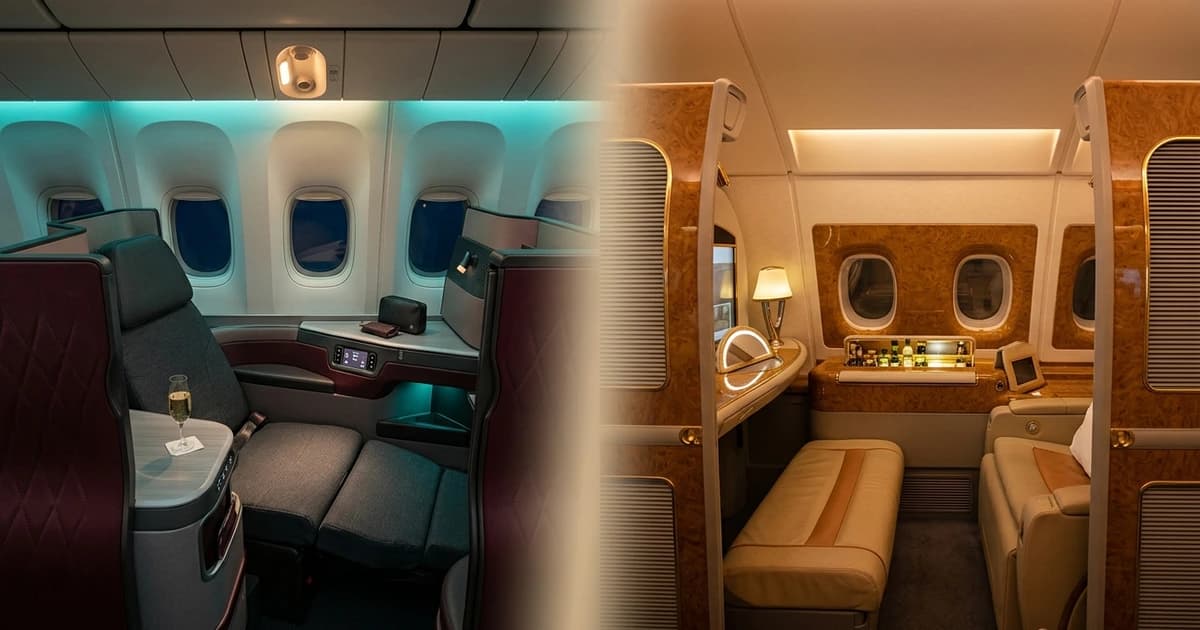
Upcoming business class upgrades worth knowing about for 2026–2027
A dozen airlines are overhauling business class by 2027. Here's what's actually changing — and which upgrades are worth booking around.
Alex Rivera11 min read
Quick summary
The 2026–2027 cabin upgrade cycle marks the biggest leap in premium aviation in a decade, led by sliding privacy doors on SWISS Senses, Qatar Qsuite Next Gen, and United's 25% larger Polaris Studio suites with 27-inch 4K screens. We recommend tracking specific aircraft tail assignments before booking to guarantee you fly the new hardware rather than paying $7,000–$10,000 retail for legacy configurations. Booking through consolidators allows you to access these next-generation suites at substantial savings.
The lie-flat seat is no longer enough. It was a revolution once — around 2000, when British Airways introduced the first fully flat bed in business class and the industry scrambled to catch up. Now it's table stakes. What today's premium travelers actually want is a door that closes, a screen worth watching, and enough space to feel like a human being after 14 hours in the air.
The gap between the best and worst business class products has never been wider. Qatar Airways' QSuite set the benchmark years ago, and airlines that haven't responded are losing premium passengers to those that have. The good news: 2026 and 2027 will bring the most significant wave of business class overhauls in a generation. Here's what's coming, what actually matters, and which new products are worth planning a trip around.
SWISS Senses
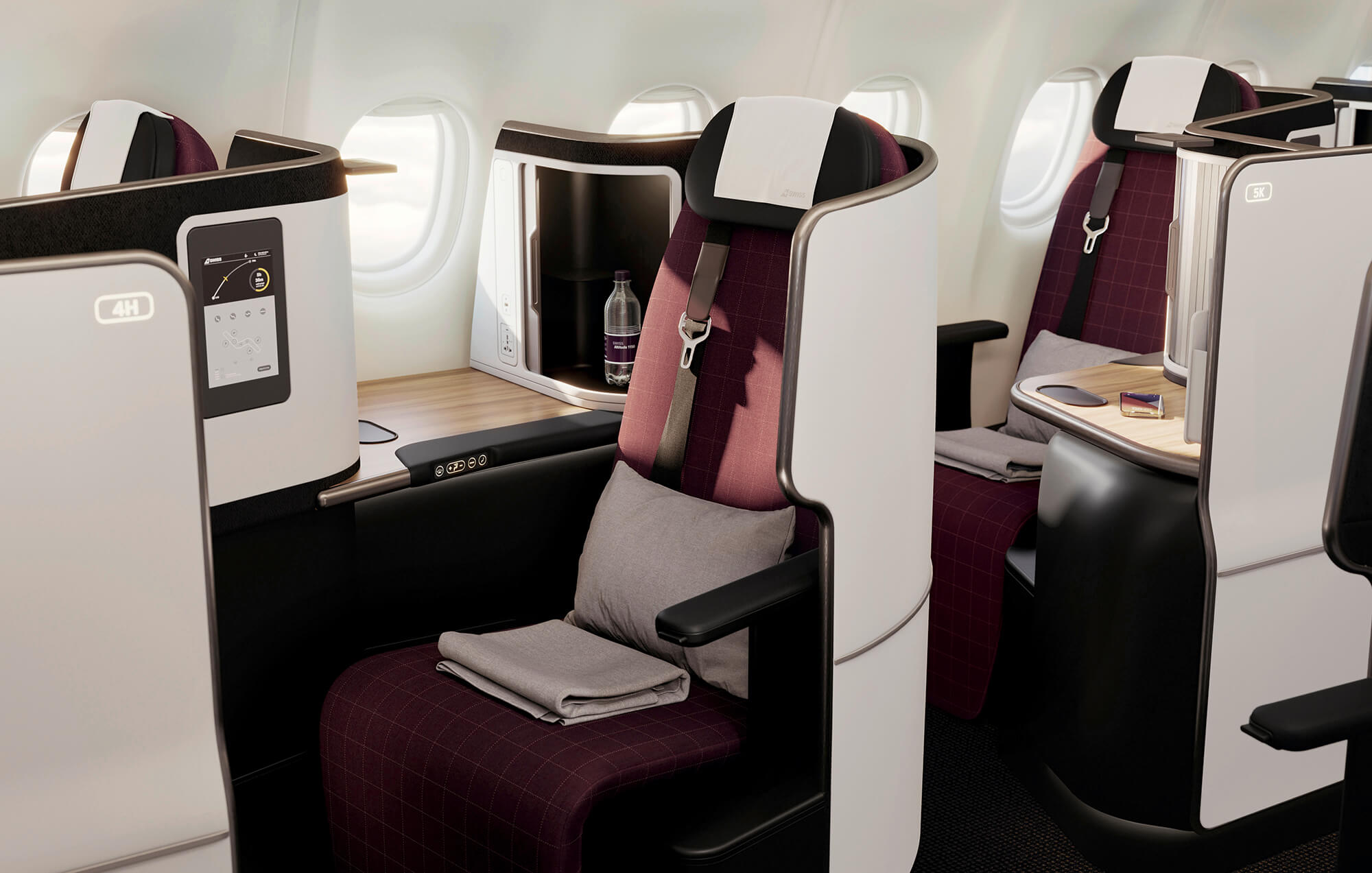
SWISS is launching one of the more ambitious cabin redesigns of the decade. SWISS Senses arrives in early 2026, starting on the Airbus A350-900 deployed on Zurich–Boston — and it signals a genuine departure from the airline's conservative approach to premium travel.
SWISS is finally abandoning the one-size-fits-all cabin layout, offering specialized configurations that recognize a $4,500 ticket from Zurich to Boston demands more than just a standardized seat
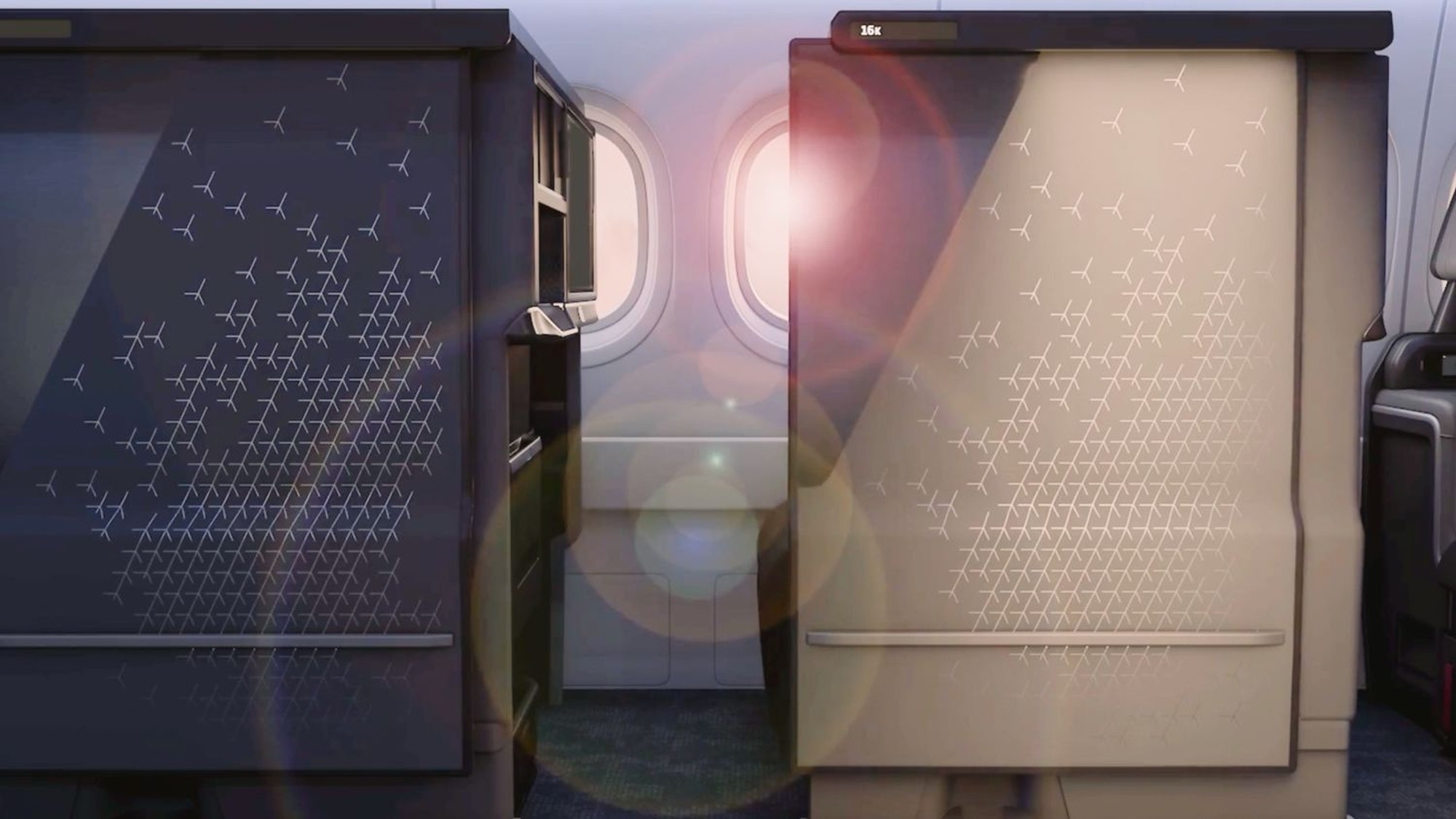
The headline feature is private suites with sliding doors, which puts SWISS in a category it hasn't occupied before. The design philosophy moves away from a single standardized seat toward a cabin that offers different seating configurations depending on whether you want social space, maximum privacy, or something in between. That's a smart move. Not everyone flying Zurich to Boston at $4,500 wants the same experience.
The upgrade will eventually extend to SWISS's A330 and Boeing 777 fleets. Early impressions from the airline's previews suggest the fit and finish will be excellent — this is a Swiss carrier, after all — but the real test will be whether the product holds up on overnight flights after the cabin crew has been through two meal services.
Worth booking around? Yes, particularly once the product reaches the 777 fleet and covers more route options.
Qatar Airways Qsuite Next Gen
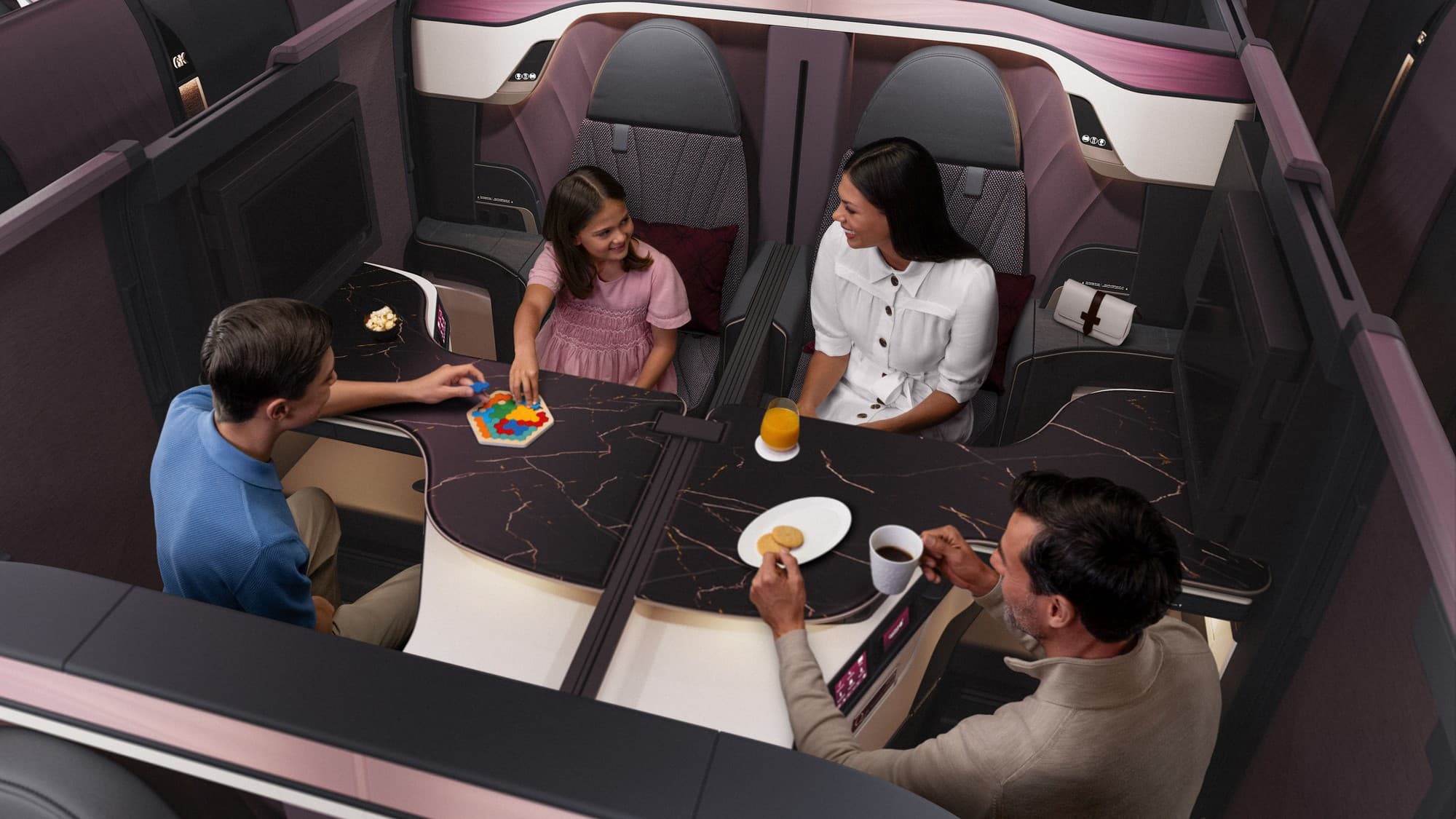
Qatar's original QSuite remains the standard against which every other business class product gets measured. That's not nostalgia — it's an accurate read of what the cabin actually delivers: direct aisle access for every seat, genuine suite privacy, and a double-bed configuration that works for couples traveling together.
Qatar's Qsuite Next Gen doesn't just rest on its laurels — the integration of movable 4K screens and digitally controlled privacy dividers maintains its position as the industry benchmark for couple and group travel
Qsuite Next Gen, unveiled at Farnborough in 2024, builds on that foundation with movable 4K OLED screens that reposition to create shared social spaces, taller privacy dividers with digital controls, and a partially automated turn-down service. It will debut on Qatar's Boeing 777-9 fleet, with service expected around 2025–2026.
The beds are wider, the shoulder room is more generous, and the lighting system has been redesigned from scratch. Whether Qatar retrofits its existing A350 and 777 fleet with Next Gen is still unclear — and that matters enormously, since those aircraft cover the bulk of Qatar's network. For now, if you want the Next Gen product, you'll need to watch which aircraft is assigned to your specific flight.
This is, without question, the most technically ambitious business class seat coming to market in the next two years. Call us at (888) 851-6897 to find out which Qatar routes are scheduled to receive the new 777-9.
Air Canada's new business class on the A321XLR
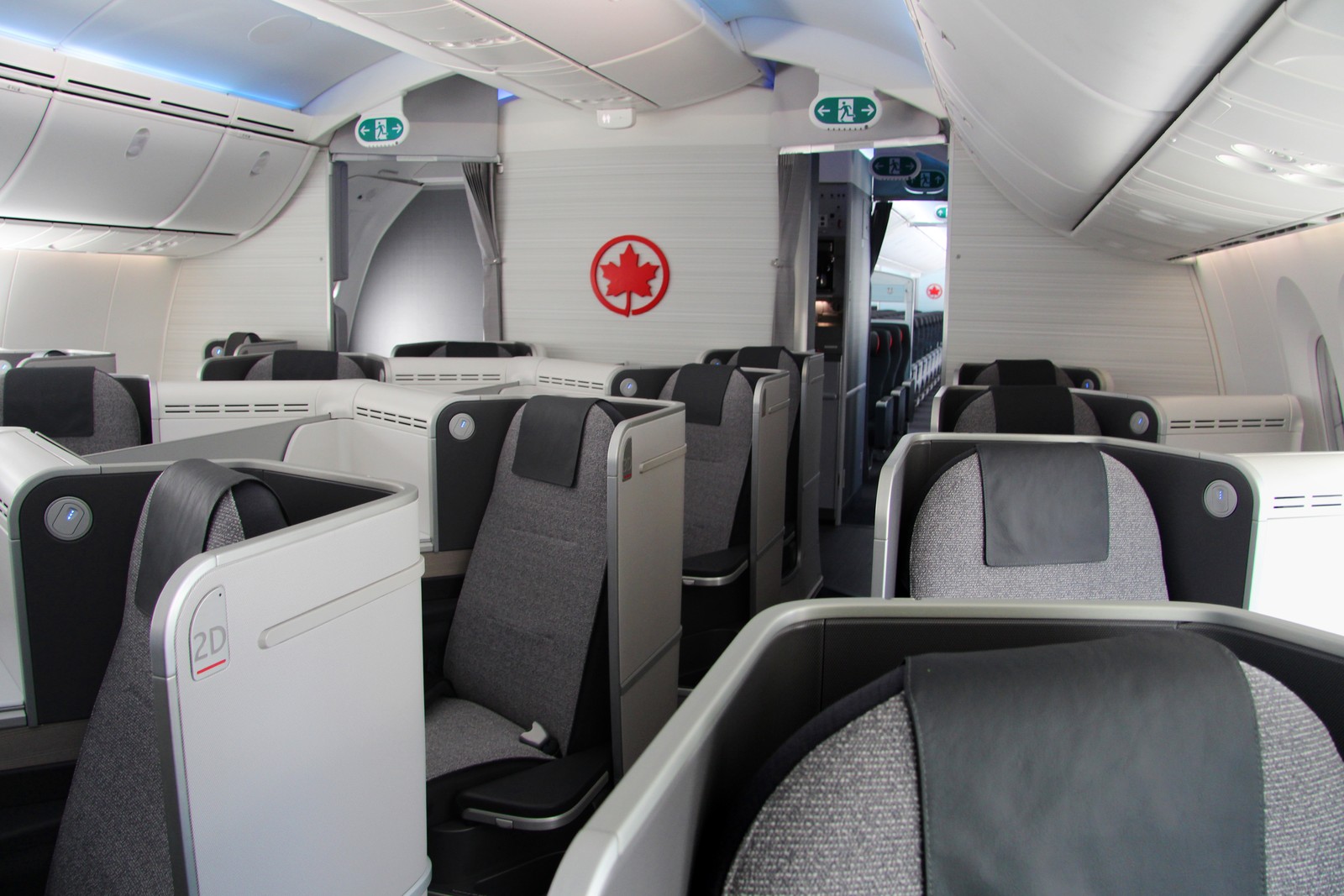
Air Canada is doing something genuinely new. The airline's Airbus A321XLR fleet, arriving from June 2026, will bring lie-flatbusiness class seats to a single-aisle narrowbody — which sounds like a contradiction but is actually a clever piece of route strategy.
Air Canada is leveraging the A321XLR's economics to bring true lie-flat premium cabins to secondary European routes like Montreal to Palma de Mallorca — fundamentally changing how we cross the Atlantic
The first deployment will be Montreal to Palma de Mallorca, a route that a widebody aircraft simply couldn't operate economically. More transatlantic routes will follow as additional A321XLRs join the fleet, eventually connecting smaller North American cities to European destinations that have never had direct premium service.
The product itself — lie-flat seats with improved privacy on a 1-2-1 or similar configuration — represents a real step up from what narrowbody business class has historically offered. The key question is how these seats will perform over a 7–8 hour transatlantic crossing. Narrowbody cabins are noisier, the galleys are smaller, and the service flow is more constrained. Air Canada will need to execute flawlessly to make this feel premium rather than just technically lie-flat.
Our honest assessment: the route options here are compelling enough that the product trade-offs are worth accepting, particularly for travelers who value a nonstop over a connecting itinerary.
LOT Polish Airlines business class suites
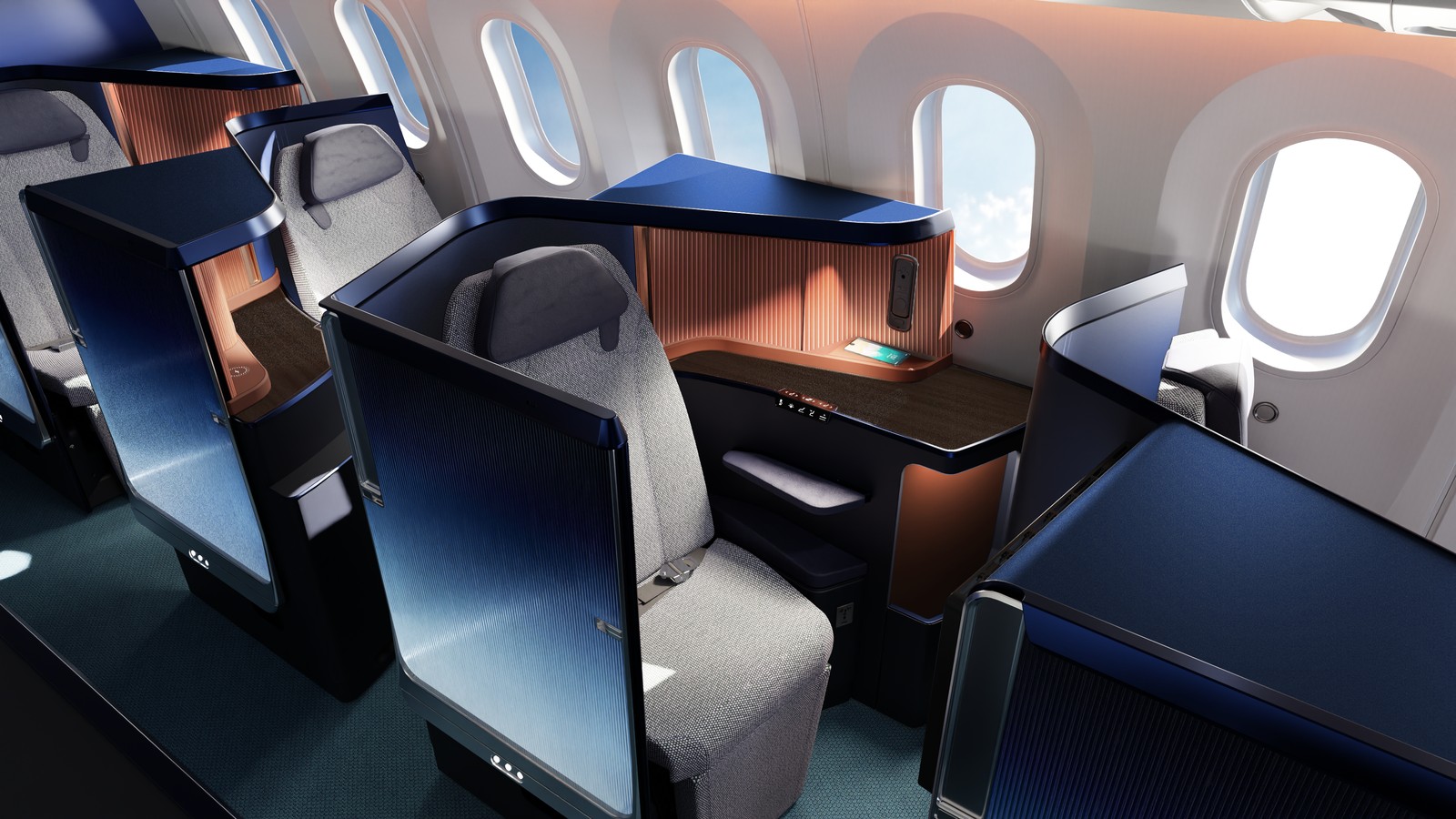
LOT is making a significant leap. The airline's Boeing 787-8 Dreamliner fleet is being refurbished starting in late 2026, replacing the old 2-2-2 layout — where middle-seat passengers had to climb over their neighbor to reach the aisle — with a 1-2-1 configuration that gives every passenger direct aisle access.
LOT's transition to the 1-2-1 Recaro CL6720 suite with sliding doors finally makes their highly competitive Warsaw routes a serious contender in the transatlantic premium market
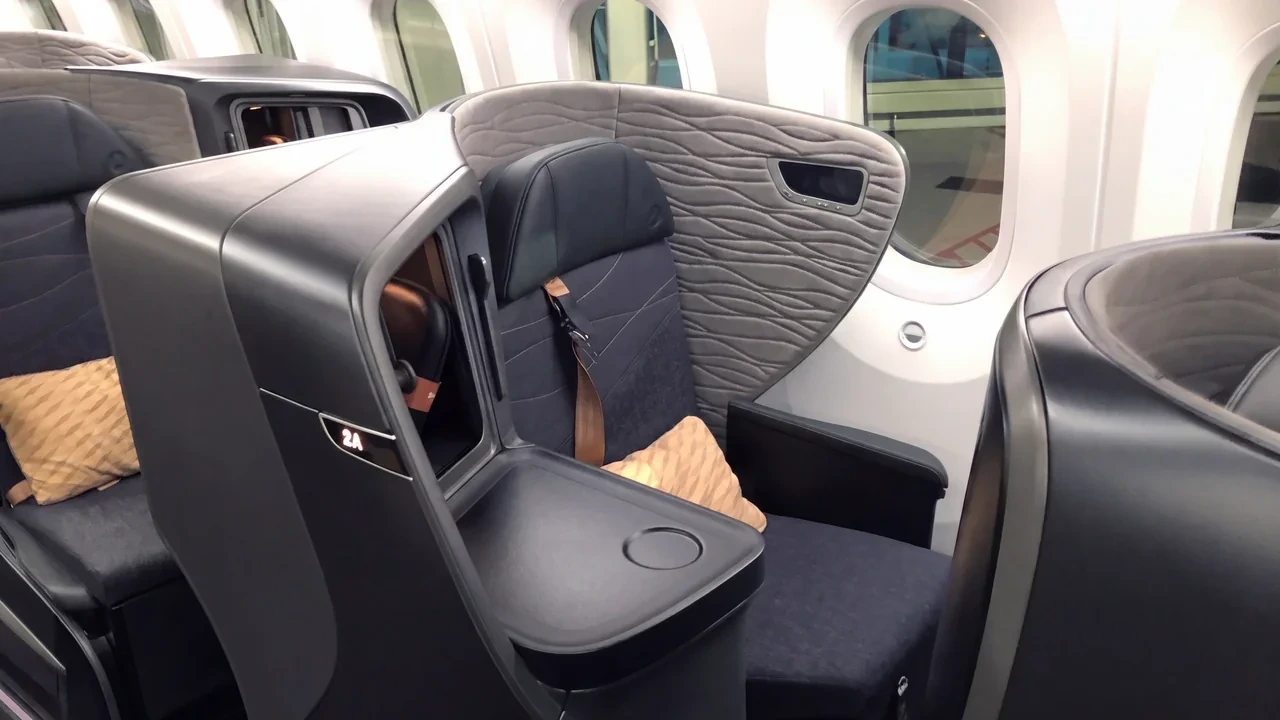
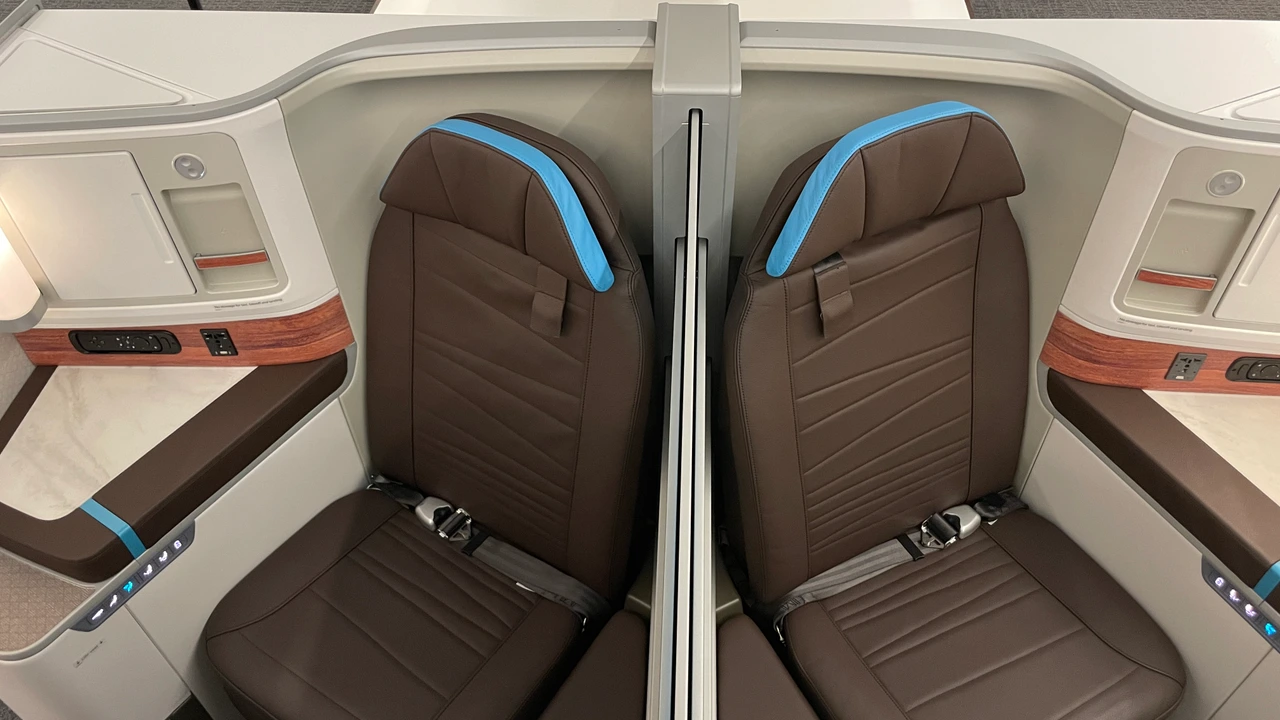
The new seats are the Recaro CL6720, a proven suite product with sliding privacy doors, 17.3-inch 4K entertainment screens, wireless charging, and USB-C ports. LOT has gone with a cabin design drawing on Polish aesthetics: deep blues, copper accents, and materials that give the cabin a distinctive identity rather than the anonymous beige that plagues too many European carriers.
These Dreamliners will serve Warsaw to North America and Asia. For travelers who've been avoiding LOT because of the older product, this is worth revisiting. Fares from Warsaw on LOT have historically been competitive, and through our airline contracts at CEOFLIGHTS, we regularly see business class pricing on this route well below what you'd find booking directly — top rated on Trustpilot by clients who've saved thousands on exactly these kinds of emerging premium products.
Turkish Airlines Crystal business class suites
Turkish Airlines' current business class is already competitive — the upcoming Crystal suites will add closing doors and a more modern design language to an already strong product.
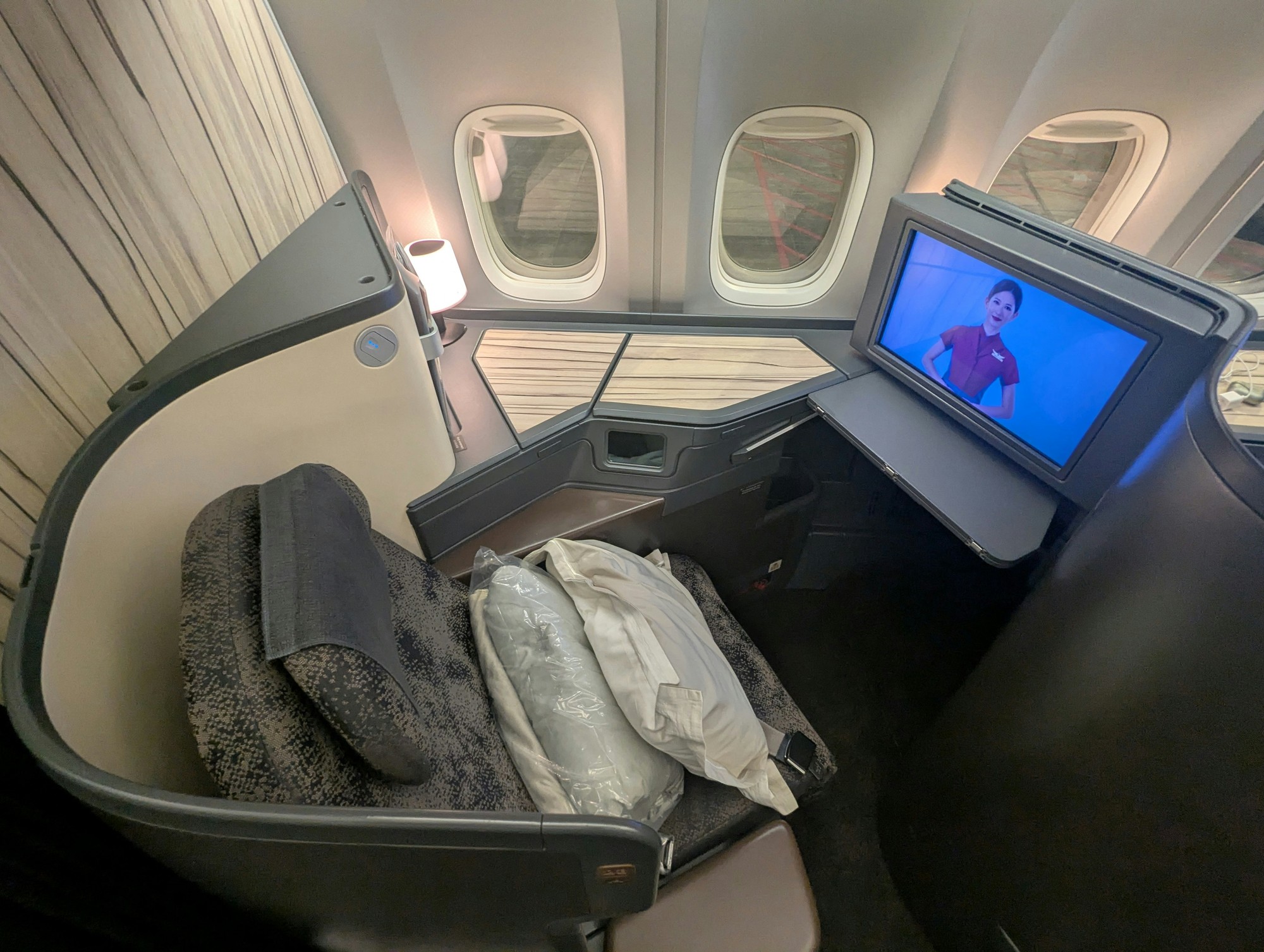
Turkish has been quietly building one of the more compelling business class propositions in the industry, and Crystal is the product that makes it official. The new suites, already entering service on retrofitted Boeing 777s from 2025, feature a 1-2-1 configuration with sliding doors, window-facing seats, 22-inch HD screens, wireless charging, and marble-style surfaces with rose gold accents.
New Airbus A350 deliveries from 2026 will also feature Crystal from the factory. Turkish is also rolling out free unlimited WiFi across the fleet by end of 2025 — which, if they execute it properly, will be a genuine differentiator on long-haul flights.
Istanbul's position as a connecting hub is underrated. IST sits at the geographic center of Europe, the Middle East, and Central Asia, which means Turkish's network reaches cities that legacy European carriers simply don't serve well. Crystal suites plus an Istanbul connection can get you to a surprisingly wide range of destinations in genuine comfort.
United Polaris Studio
The current United Polaris product launched in 2016 and has aged. It's not bad — the beds are comfortable and the bedding is legitimately good — but the lack of privacy doors has always been a weakness, especially compared to what Delta One Suite and American's Flagship Suite offer on competitive routes.
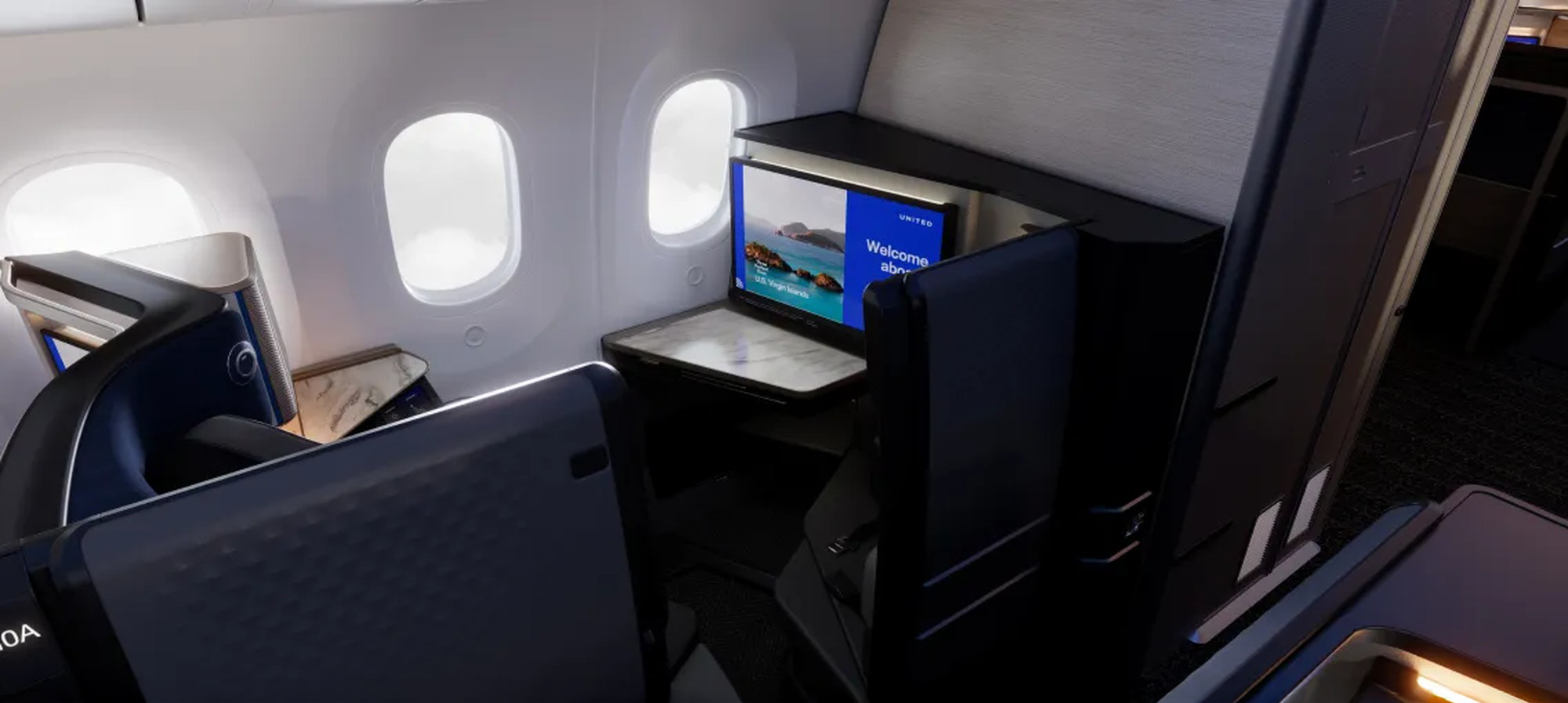
United's Polaris Studio directly addresses the original cabin's lack of privacy doors, expanding the suite footprint by 25 percent to aggressively compete on high-yield routes like San Francisco to Singapore
Polaris Studio fixes that. The new product debuts on United's incoming Boeing 787-9 Dreamliners in 2026, initially on routes including San Francisco to Singapore and London. Each suite is approximately 25 percent larger than current Polaris, with a 27-inch 4K OLED screen, privacy doors, a companion ottoman, and wireless charging throughout.
San Francisco to Singapore is one of the most competitive premium routes in the sky. United will be going up against Singapore Airlines' excellent product on SQ37/SQ38 and SQ1/SQ2, which means Polaris Studio needs to be genuinely excellent — not just better than what United was flying before. From what's been previewed, it is.
CEOFLIGHTS is ASTA-accredited (member #900292735) and has negotiated access to consolidated fares on United's premium cabin inventory. On competitive routes like SFO–SIN, retail Polaris pricing can exceed $8,000 each way; our contracted rates on those same flights regularly come in several thousand dollars lower.
Singapore Airlines business class suites on the A350
Singapore Airlines doesn't need to prove anything in business class. The Suites product on the A380 is still the finest commercial aviation experience available without a private jet charter. But the A350 fleet — which handles most of SQ's long-haul network — has been running a slightly older business class configuration, and that gap is getting addressed.
Singapore Airlines is closing the hardware gap on its workhorse A350 fleet, adding sliding doors to complement a service culture that remains arguably the finest in commercial aviation
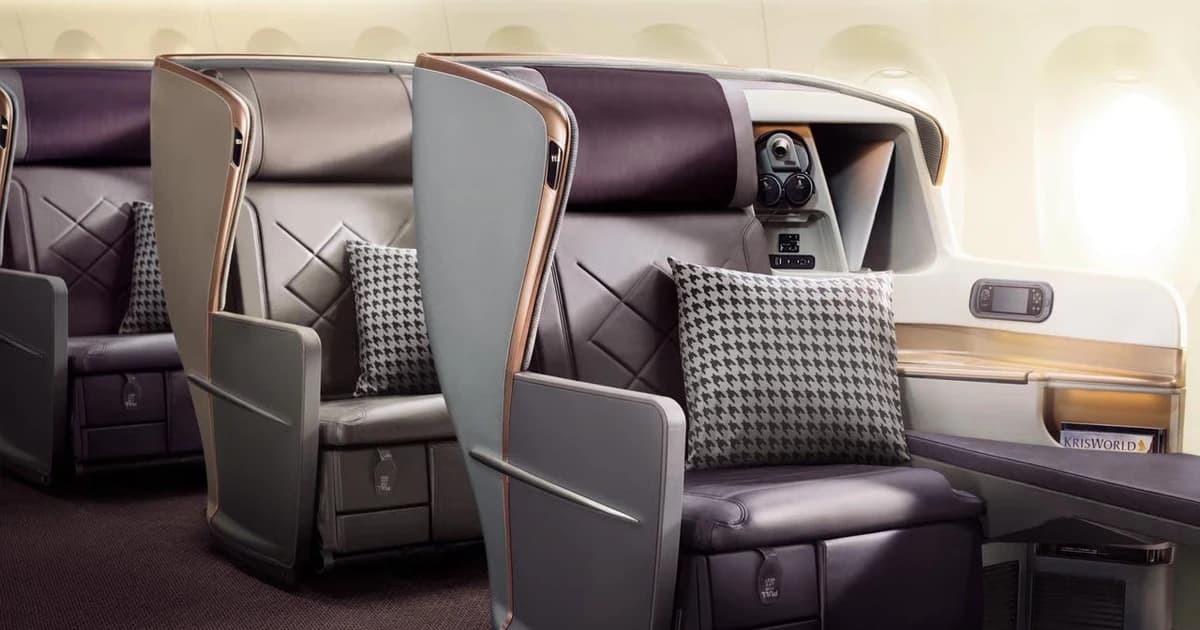
Starting mid-2026, Singapore will retrofit its A350-900s with an updated business class suite featuring sliding doors. The existing product on these aircraft is already very good: fully flat beds, generous screen sizes, and Singapore's characteristically attentive service. The addition of doors brings it into line with what the airline's newer widebodies already offer.
Given how widely Singapore deploys its A350s — routes to Europe, North America, Australia, and Northeast Asia — this upgrade will touch a large percentage of SQ's premium passengers quickly.
Qantas Project Sunrise
This one is genuinely historic. Qantas Project Sunrise is built specifically around the world's longest commercial flights: Sydney to London and Sydney/Melbourne to New York nonstop, operated by the Airbus A350-1000ULR with first deliveries expected in 2027. Nonstop Sydney–London. Nearly 20 hours in the air.
For a 19-hour nonstop from Sydney to London, Qantas isn't just adding sliding doors — the inclusion of a dedicated Wellbeing Zone acknowledges that ultra-long-haul travel requires a completely different approach to cabin space
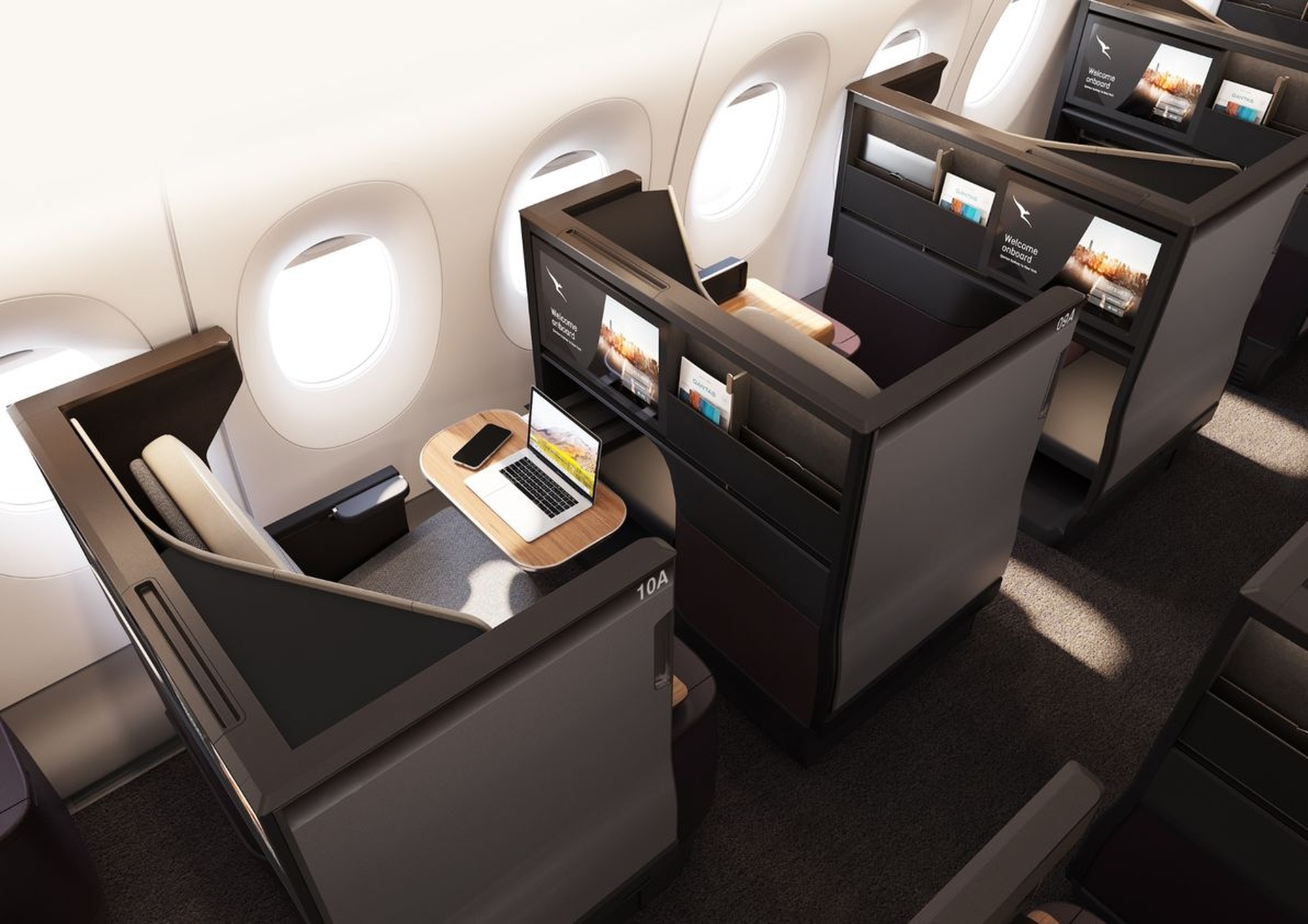
The business class cabin will feature 52 private suites with sliding doors, lie-flat beds, and storage designed around a journey that long. More unusual is the dedicated Wellbeing Zone — a cabin area specifically designed for stretching, hydration, and movement. On a 19-hour flight, the ability to stand up and move around in a designated space rather than hovering awkwardly near the galley is a meaningful quality-of-life improvement.
This product will set the benchmark for ultra-long-haul business class. Full stop. If you're in Sydney and you've been connecting through Dubai or Doha to reach London, the calculus changes completely when a nonstop becomes available in a well-designed premium cabin.
China Airlines A350 retrofit
China Airlines is planning a retrofit of its A350-900 fleet beginning in 2027. The focus for business class is improved privacy and a refreshed design that keeps the airline's signature persimmon wood-grain aesthetic while upgrading seating and in-flight entertainment.
China Airlines is poised to upgrade its already strong value proposition on Taipei routes, pairing their excellent food and service with a more private, updated hard product
Details remain limited, but the direction is clearly toward a more competitive product on the Taipei–Europe and Taipei–North America routes. China Airlines has historically been a solid value option in premium travel — the service quality is high, the food is excellent, and the fares are typically more accessible than on Japanese or Korean competitors. The retrofit should sharpen that proposition further.
Hawaiian Airlines A330 refurbishment
Hawaiian Airlines' current widebody business class offers angled-flat seating — the upcoming 787-9 Leihoku Suites will be a dramatic step up with fully enclosed suites.
Hawaiian is overhauling its Airbus A330 fleet from 2026, replacing the dated 2-2-2 business class layout with a modern configuration that delivers direct aisle access and a proper lie-flat experience. The upgraded cabins will serve Hawaiian's long-haul network: Honolulu to the US mainland and key Asia-Pacific destinations.
Full seat specifications haven't been released yet, but the shift away from a herringbone or staggered layout with middle seats is the right call. Hawaiian's current business class is functional but not compelling. The refurbishment is an opportunity to build a product that matches the quality of the leisure destinations the airline serves.
How to actually book these products at the right price
These upgrades matter, but only if you're on the right aircraft. Airlines swap equipment regularly, and the difference between a retrofitted 787-9 with Polaris Studio and an older frame with the 2016 product can be $0 in fare and dramatically different in comfort.
At CEOFLIGHTS, we track fleet assignments, know which routes are getting new equipment first, and have access to consolidated business class fares that aren't available through standard booking channels. Through our airline contracts, fares on routes like Zurich–Boston or San Francisco–Singapore can drop from $7,000–$10,000 retail to significantly more competitive rates.
Call us at (888) 851-6897 to talk through your route, timing, and which of these upcoming products actually makes sense for your itinerary. We're ASTA-accredited (member #900292735) and top rated on Trustpilot — and we've booked enough of these routes to tell you honestly when a new product is worth waiting for and when it isn't.
Content creator and business travel specialist at CEOFLIGHTS, bringing you the latest insights, tips, and trends in premium business and first-class travel.
Become the CEO of Your Journey
You take the lead. Your dedicated Personal Travel Manager handles every detail.