Quick summary
World-class treks demand arriving peak-rested, making lie-flat business class flights essential before tackling rugged routes like Peru's 26-mile Inca Trail or Europe's 170-kilometer Tour du Mont Blanc. We recommend booking permits 5–6 months in advance and leveraging consolidator business class fares to save 30% to 50% off typical $4,200–$9,000 retail prices. Pair premium long-haul flights with curated eco-luxury basecamps to conquer the world's greatest trails in peak physical condition.
Some trips exist purely to move you — not metaphorically, but physically, spiritually, boot-leather deep into terrain that makes you remember why you bother earning the money you spend. These ten hikes do that. They also require you to get somewhere first, and getting somewhere in a flat bed with a Champagne service rather than a middle seat on a discount carrier makes an enormous difference to how you arrive.
This is a guide to the world's greatest walks, written for people who fly business class to reach them. We'll tell you the trails, yes — but we'll also tell you which airlines are worth your money on each routing, which seats to request, and what retail fares look like versus what CEOFLIGHTS clients actually pay. Top rated on Trustpilot and ASTA-accredited (member #900292735), we've booked these routes more times than we can count. Call us at (888) 851-6897 if you want to skip ahead.
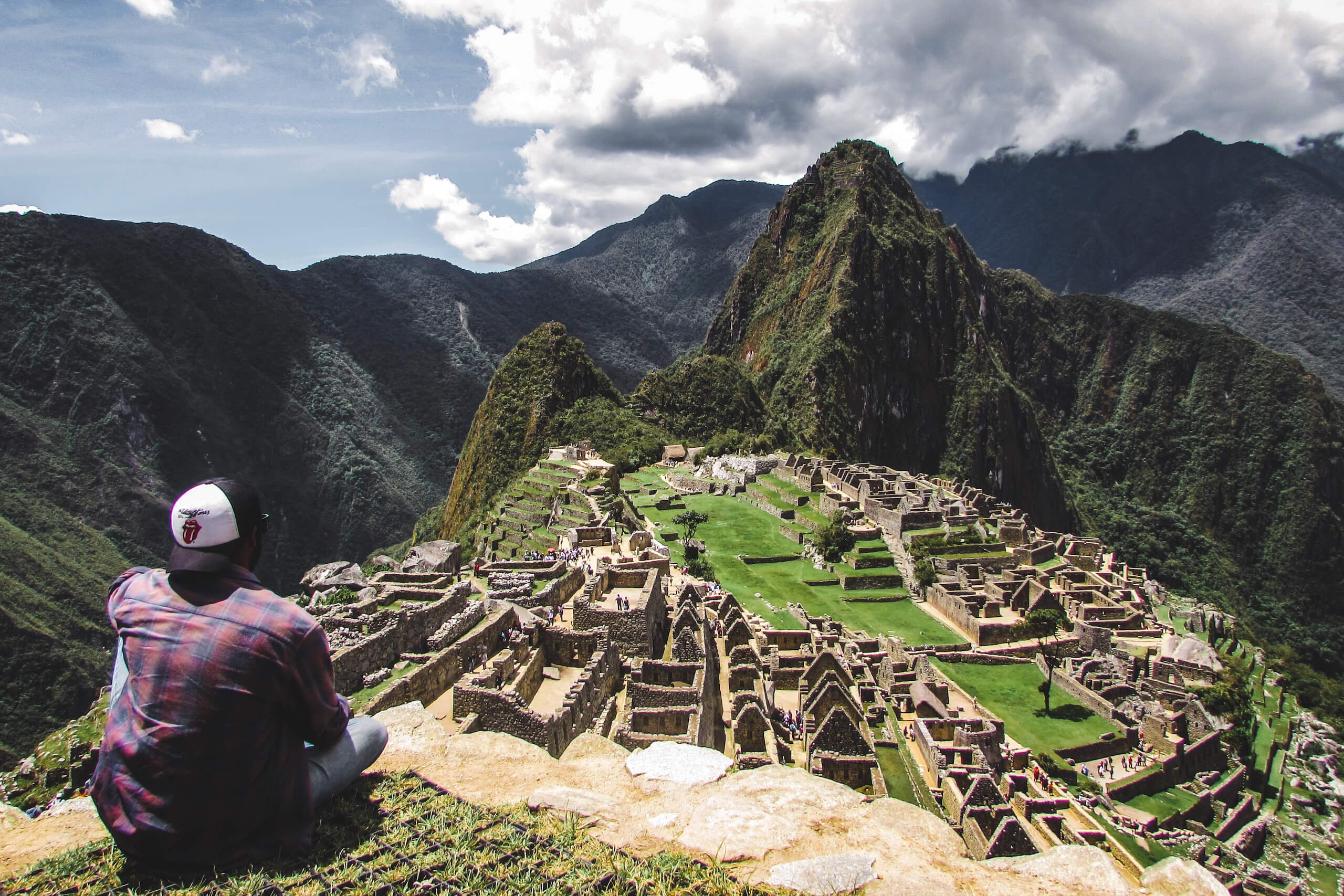
A path to the past: Inca Trail, Peru
The Inca Trail is 26 miles of ancient stone path connecting the Sacred Valley to Machu Picchu through cloud forest, alpine tundra, and ruins that predate anything the conquistadors built. It is consistently ranked the finest historical hiking route on earth. That ranking is correct.
The trail runs through wildly diverse terrain — subtropical jungle gives way to glaciated mountain passes, then drops into the cloud forest that surrounds the Sun Gate. Arriving at Inti Punku at dawn, with Machu Picchu 400 meters below you and the valley still in shadow, is one of the genuinely irreplaceable travel moments. No helicopter tour replicates it.
Permits cap at 500 per day (guides and porters included), so the trail never feels overwhelmed. Book five to six months ahead for May through September. Four days and three nights is the standard itinerary.
How to fly there: Lima (LIM) is your gateway. From the US East Coast, LATAM's business class operates direct from Miami (MIA) on the B787, with a flat-bed seat and a dramatically improved catering program since their 2022 overhaul. From New York (JFK) or Los Angeles (LAX), American Airlines codeshares through Miami or connects via Dallas (DFW). The better option from the West Coast is flying Copa through Panama City (PTY) — Copa's business class is a genuine lie-flat product on the 737 MAX, which surprises people.
Retail business class from the US to Lima runs $4,200–$7,800 round-trip. Through our airline contracts, we routinely place clients on these routes for $2,800–$4,500 — same seat, same airline, a fraction of the walk-up fare.
From Lima, a 70-minute Peruvian Airlines or LATAM domestic flight gets you to Cusco (CUZ). Budget two days in Cusco for acclimatization before attempting anything above 3,000 meters. The altitude is not a suggestion.
Where to stay: Inkaterra Machu Picchu Pueblo Hotel. It sits in cloud forest at the base of the mountain, has 83 casitas, and its naturalist team runs private trail access before the crowds arrive. Nightly rates start around $700 — worth every cent for what's effectively a private Machu Picchu experience at 6am.
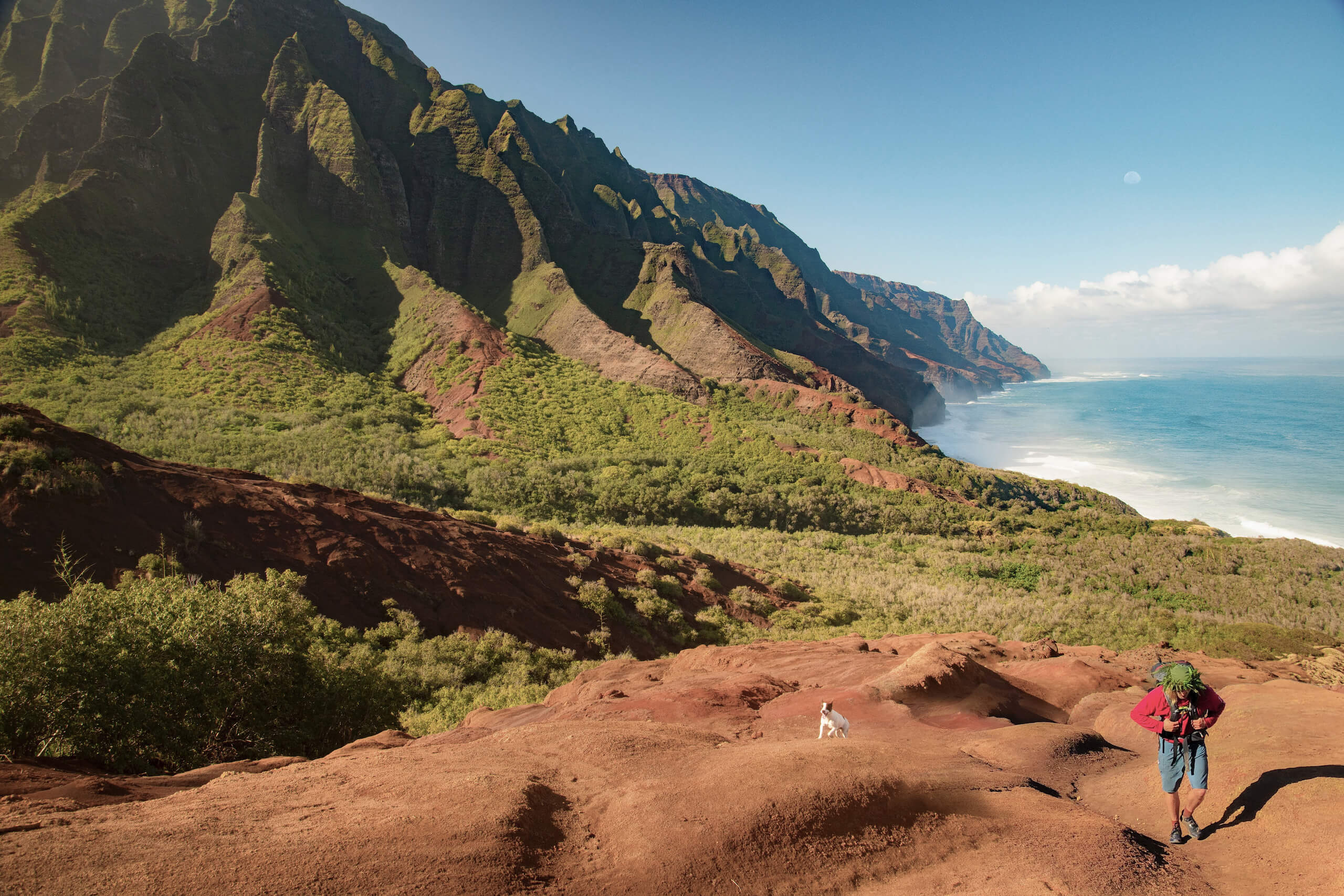
Paradise, barely accessible: Kalalau Trail, Hawaii
Eleven miles. That's the length of the Kalalau Trail along Kauai's Na Pali Coast, and it may be the most dramatic coastal walk on the planet. The trail threads through five valleys, across sea cliffs that drop hundreds of feet to turquoise water, and ends at a remote beach accessible only by foot or boat.
The last four miles beyond Hanakoa Valley are the serious ones — narrow, exposed, seasonally dangerous. The reward is Kalalau Beach, a curved strip of red sand hemmed by 4,000-foot cliffs where almost nobody is, because almost nobody makes it that far.
A permit is required beyond the two-mile mark and mandatory for camping. The trail runs best April through June and September through November. Summer is technically fine but hot and dry; winter brings heavy rain and genuine route closures.
How to fly there: Lihue Airport (LIH) on Kauai handles direct flights from the mainland — United operates from San Francisco (SFO), Hawaiian Airlines flies from multiple West Coast cities. Hawaiian's business class on their A330 inter-island widebody is decent; their mainland service on A321neo offers lie-flat business class that far outperforms what you'd expect.
The smarter routing for East Coast travelers is flying to Honolulu (HNL) in business class on a widebody — United Polaris, American's Flagship Business, or Hawaiian's A330 — then connecting to Kauai. United's Polaris cabin on the SFO–HNL route (UA 1 and similar) is a comfortable 6–7 hour run in a fully flat seat with decent dining.
Retail round-trip business class from the East Coast to Hawaii runs $3,800–$6,500. CEOFLIGHTS clients typically see these routes for $2,400–$3,800. The phone number is (888) 851-6897.
Where to stay: The St. Regis Princeville Resort on Kauai's North Shore. Overlooks Hanaloa Bay, walking distance from the trailhead at Ke'e Beach, and has a pool that genuinely competes with the Pacific for attention. Rates from around $950/night.
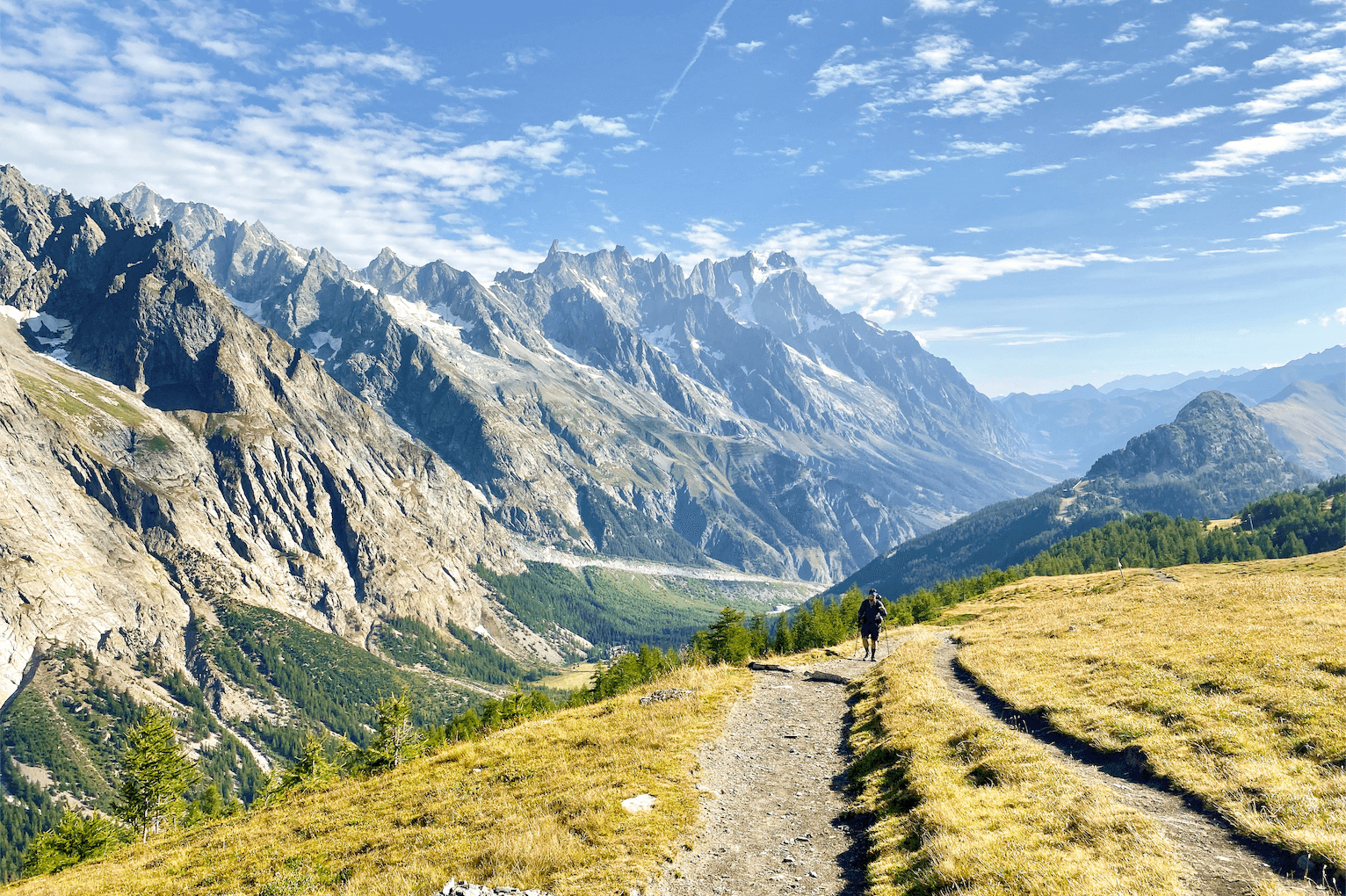
Three countries in 170 kilometers: Tour du Mont Blanc, Europe
The Tour du Mont Blanc circles the highest peak in Western Europe through France, Italy, and Switzerland — 170 kilometers of alpine trail that passes through mountain villages, crosses high cols, and delivers views of glaciers that are measurably retreating every year. If you've been waiting to do this one, stop waiting.
The scenery shifts constantly: the Italian Val Ferret is pastoral and wide; the Swiss sections above Champex are more austere; the French approach through Chamonix is dramatic in the way only Chamonix can be. Eleven days is the standard completion time, though serious hikers do it in nine and leisurely ones stretch to fourteen.
Mountain huts fill up for July and August bookings by February. This is not an exaggeration. Book early.
How to fly there: Geneva (GVA) is the cleanest gateway for the TMB — two hours by road or train to Chamonix. Zürich (ZRH) and Milan Malpensa (MXP) also work well for different segments of the route.
From the US, the best business class products into Geneva are on SWISS — their Business Class on the A330 and B777 from New York (JFK) and Chicago (ORD) is legitimately excellent, with the SWISS First experience at Zurich's own terminal available on connections. Alternatively, Delta One on the JFK–GVA route (operated seasonally) offers the Delta One Suite with direct aisle access and a solid international catering program.
The SWISS Lounge at ZRH is among the best airport lounges in Europe. If you're connecting through Zurich, build in time to actually use it.
Retail round-trip business class from the US to Geneva runs $5,500–$9,000. Through CEOFLIGHTS contracts, we place clients regularly in the $3,200–$5,500 range on the same SWISS and Lufthansa metal.
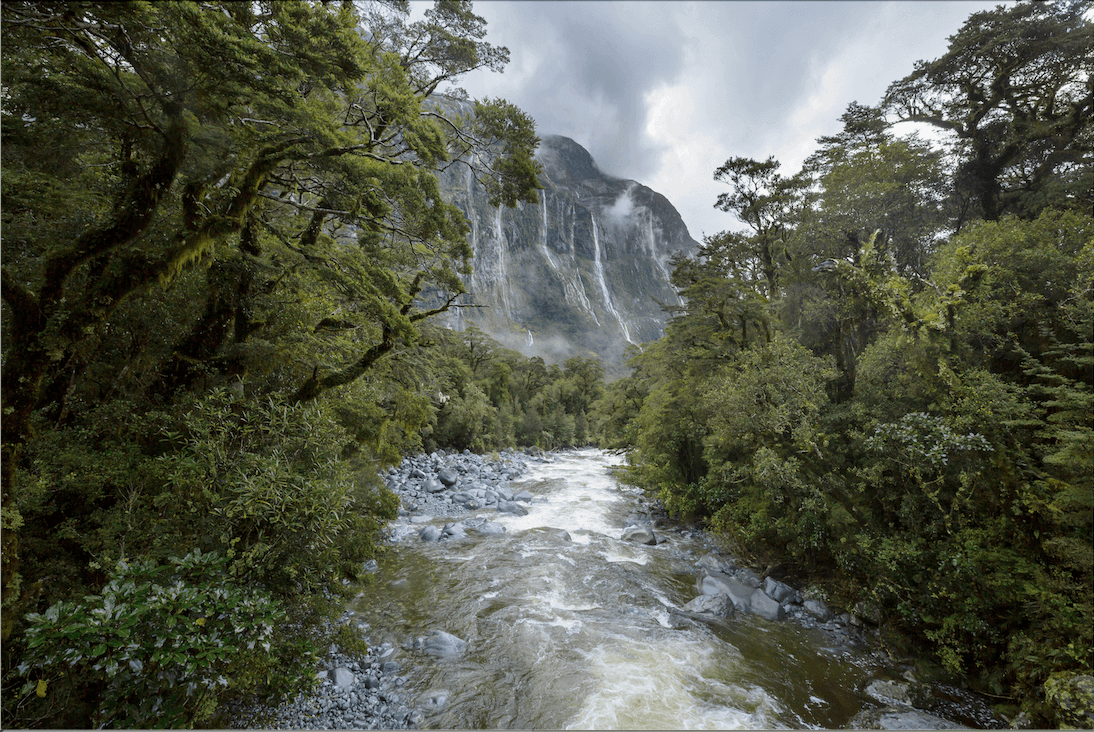
The finest walk in the world: Milford Track, New Zealand
"The finest walk in the world." That's what Clement Lindley Wragge called it in 1908, and 115 years of subsequent foot traffic has largely agreed. The Milford Track is 53 kilometers through Fiordland National Park — from Lake Te Anau's head to Milford Sound — and it earns its reputation without working particularly hard to do so.
Mackinnon Pass, the trail's high point, delivers a 360-degree panorama of alpine wilderness that is among the most dramatic viewpoints reachable on foot without technical climbing gear. Sutherland Falls, one of the tallest waterfalls in the world at 580 meters, is a side trip that takes 90 minutes and is mandatory.
The walking season runs November through April. Bookings are government-controlled and genuinely limited — the guided walk sells out over a year in advance; independent hut bookings go fast too. Do not treat this one as a spontaneous decision.
How to fly there: Queenstown (ZQN) is the practical starting point for Milford Track logistics — Te Anau is two hours by road, and most guided operations stage from there. Auckland (AKL) handles the long-haul traffic.
Air New Zealand's Business Premier cabin is the definitive way to fly this route. Their B787-9 configured for the Los Angeles (LAX)–Auckland service offers lie-flat pods with direct aisle access, genuinely good New Zealand wine program, and the "Skynest" sleep pod option on select aircraft for ultra-long positioning. The flight time is roughly 12.5 hours from LAX.
From the UK and Europe, the routing through Singapore (SIN) or Dubai (DXB) on Singapore Airlines or Emirates opens up considerably better business class options — Singapore's Business Class on the A350 to Sydney (SYD) with a domestic connection to Queenstown, or Emirates' Business Class on the B777 to Auckland via DXB. Both are exceptional 14–16 hour experiences with lounge access at SIN's Terminal 3 or Dubai's Concourse A.
Retail from the US to Queenstown in business class: $7,500–$14,000 round-trip. Our clients routinely land these seats for $4,500–$8,000.
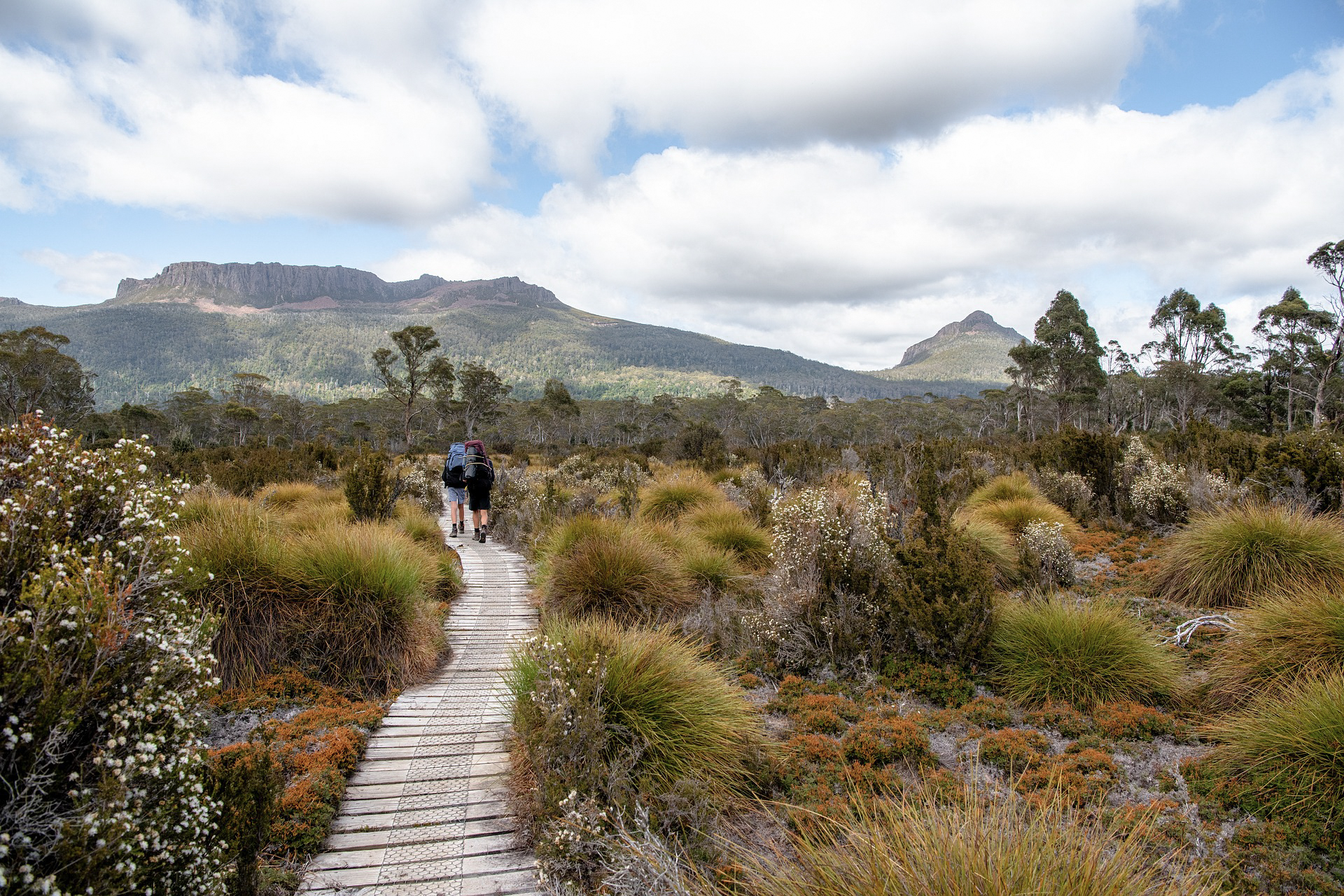
Tasmania's crown jewel: the Overland Track, Australia
The Overland Track is 65 kilometers of wilderness trail running through the Tasmanian Wilderness World Heritage Area — from Cradle Mountain in the north to Lake St Clair in the south. Tasmania has been described, accurately, as what Australia looked like before humans rearranged it. The Overland Track is the concentrated version of that idea.
The landscape shifts from the dolerite columns of Cradle Mountain through buttongrass moorland, ancient pencil pine forests, and the peak of Mount Ossa — Tasmania's highest point at 1,617 meters — before descending to the glacially carved shores of Lake St Clair. Six days is the standard itinerary. Side trips to summits and waterfalls can add two more.
Permits are required from November through May (the peak season). Huts exist along the route but fill fast; many hikers carry tents regardless.
How to fly there: Hobart (HBA) or Launceston (LST) serve the trail's endpoints — Cradle Mountain is 85 kilometers from Launceston. Both require a domestic connection from Sydney (SYD) or Melbourne (MEL).
For long-haul, Qantas Business on the A380 from Los Angeles (LAX) to Sydney is the benchmark — 15 hours, flat-bed in a herringbone configuration, good Australian wine list, and the Qantas First Lounge at LAX before departure. Singapore Airlines' Business Class on the SIN–MEL sector connecting from a US or European hub is equally compelling and often better priced.
The Singapore Airlines SilverKris Lounge at Changi remains one of the few airport lounges that genuinely improves your mood before a long flight. If your routing goes through SIN, use it.
Retail US to Hobart (via Sydney) in business class runs $7,000–$13,000 round-trip. CEOFLIGHTS consolidator pricing on Qantas and Singapore metal typically comes in at $4,200–$7,500. Call (888) 851-6897 for current availability.
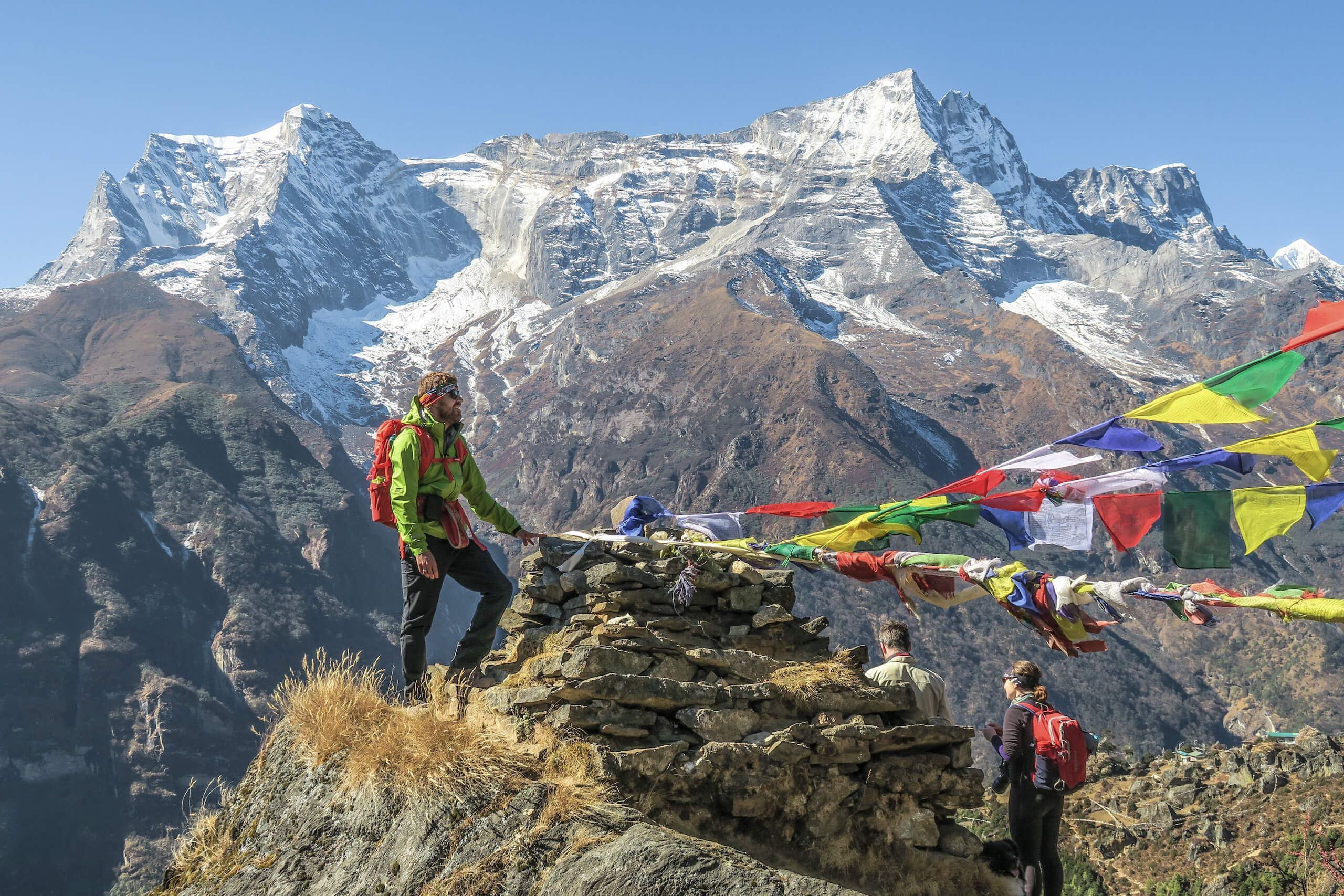
The Himalayas on foot: Everest Base Camp Trek, Nepal
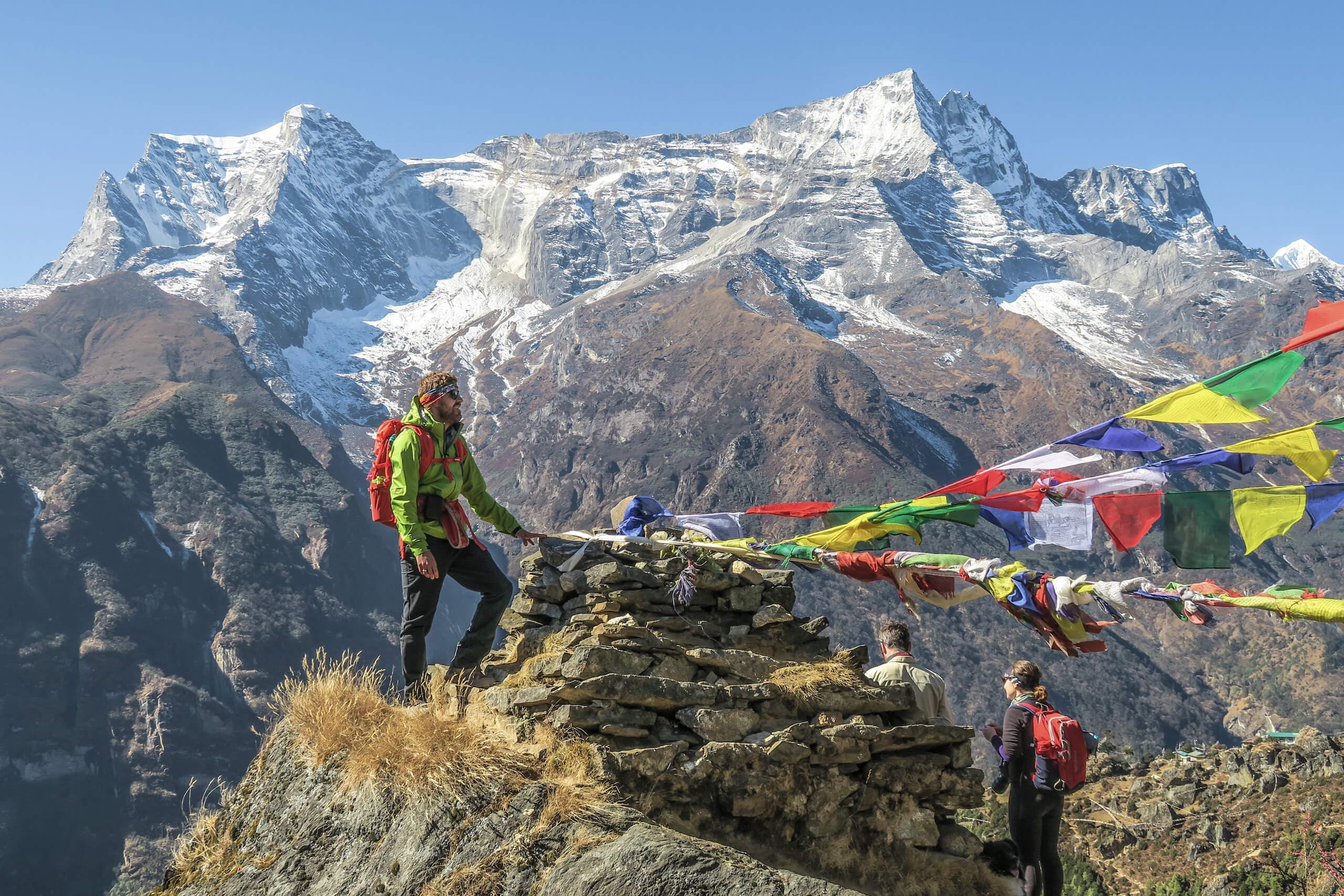
The Everest Base Camp Trek is 130 kilometers round-trip from Lukla, climbing through Sagarmatha National Park to 5,364 meters at the base of the world's highest mountain. It is not technically difficult. It is, however, genuinely demanding — the altitude will humble fit people, and the ascent to Base Camp through the Khumbu Icefall's approach is physically relentless.
What justifies the effort is not the destination alone. The Khumbu Valley is extraordinary — Namche Bazaar is one of the most improbably located towns on earth, Tengboche Monastery has a view of Ama Dablam that appears fabricated, and the prayer flags at every pass add a cultural dimension that no amount of guidebook preparation fully conveys.
Plan 12–14 days, including acclimatization stops at Namche and Dingboche. The pre-monsoon window (March–May) and post-monsoon window (September–November) are the only sensible seasons.
How to fly there: Kathmandu (KTM) is the hub, followed by a 35-minute domestic flight to Lukla (LUA) — one of the most dramatic airport approaches in the world, on a runway that ends at a cliff edge. The Lukla flight itself is an experience.
From the US and Europe, the best routings into Kathmandu go through Doha (DOH) on Qatar Airways QSuite or through Dubai (DXB) on Emirates Business Class. Qatar's QSuite is simply the best business class product flying today — fully closing doors, a double-bed configuration available on request, and catering that outperforms most business class in the air. The Doha connection also gives you access to the Al Mourjan Business Lounge, which sets a standard almost nothing else meets.
From Europe, Lufthansa connects through Frankfurt (FRA) to KTM — their Business Class on the A330 is a solid if unspectacular lie-flat product. Turkish Airlines via Istanbul (IST) is another viable option with a strong business class on the B787.
Retail round-trip business class from the US to Kathmandu via DOH: $5,500–$10,500. Through CEOFLIGHTS on Qatar metal: routinely $3,800–$6,200.
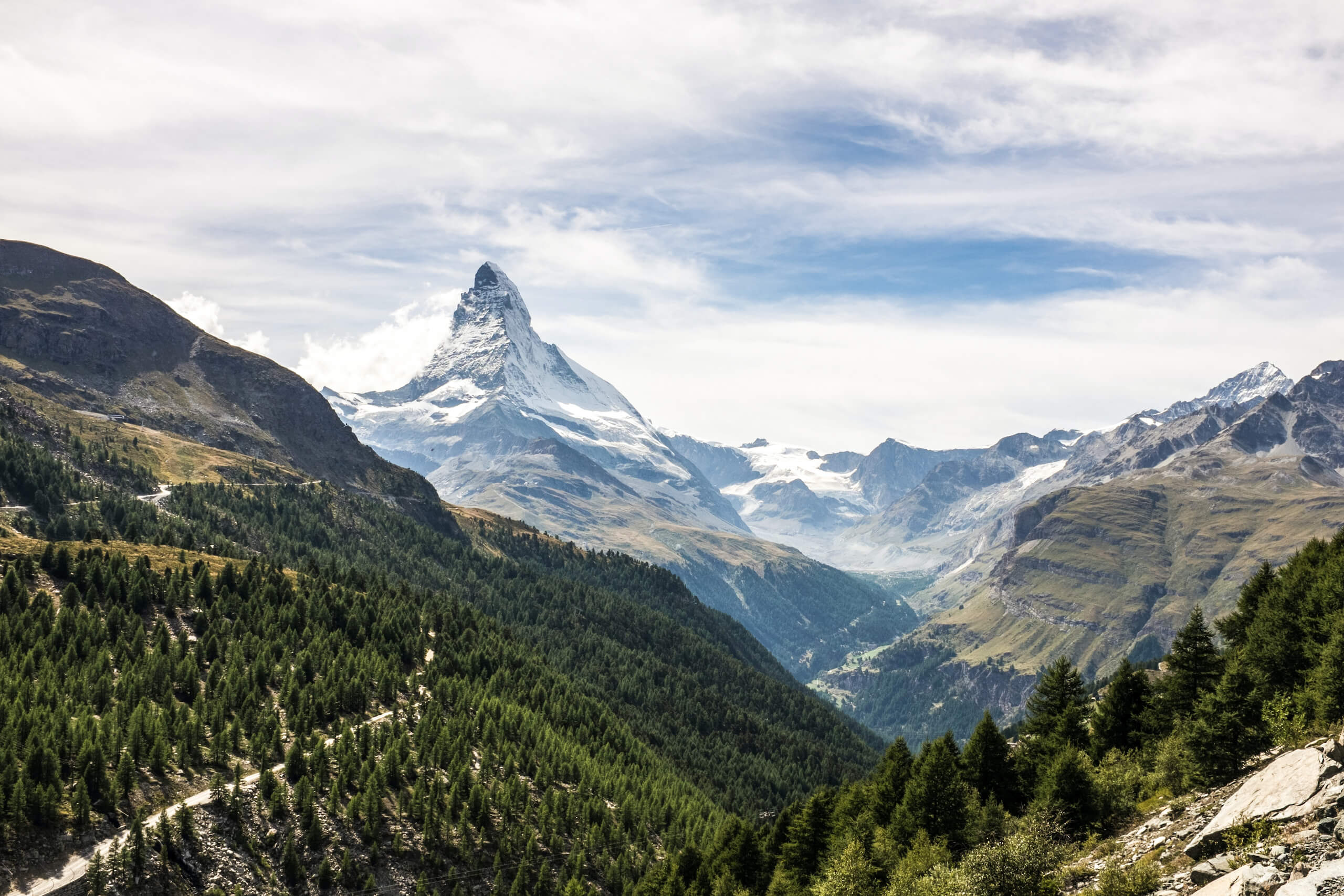
Alpine haute cuisine: the Haute Route, France to Switzerland
The Haute Route — 180 kilometers from Chamonix to Zermatt — is what the Tour du Mont Blanc looks like after it's had a difficult conversation with itself about ambition. This is the more demanding, more remote, more visually unrelenting version of alpine trekking in Western Europe. The trail passes through some of the highest inhabited terrain in the Alps, ending with the Matterhorn filling your entire field of vision as you descend into Zermatt.
Mont Blanc at the start, the Matterhorn at the end. That's not a bad bookend arrangement for twelve to fourteen days of walking.
The route requires genuine fitness and mountain navigation confidence. It is not technical mountaineering, but the elevation gains and losses are substantial — expect 1,000+ meter days regularly. Mountain huts provide accommodation and typically serve meals; book them before you leave home.
How to fly there: Geneva (GVA) for the Chamonix start; Zurich (ZRH) is a reasonable alternative for those flying Swiss metal. Zermatt is car-free, so you'll arrive by train from Visp or Brig — scenic, efficient, and exactly what train travel should feel like.
The routing logic is identical to the Tour du Mont Blanc entry above. SWISS Business Class from JFK or ORD into GVA is the cleanest option — excellent hard product on the A340 and B777, strong Swiss wine selection, and the SWISS Senator Lounge in Zurich for connections. British Airways' Club Suite via London Heathrow (LHR) also works well and often prices competitively on CEOFLIGHTS consolidator fares.
BA's Club Suite is genuinely good — direct aisle access, a closing door, better than its predecessors in every way — though the catering remains inconsistently executed. The Concorde Room at LHR Terminal 5 compensates considerably if you have a layover.
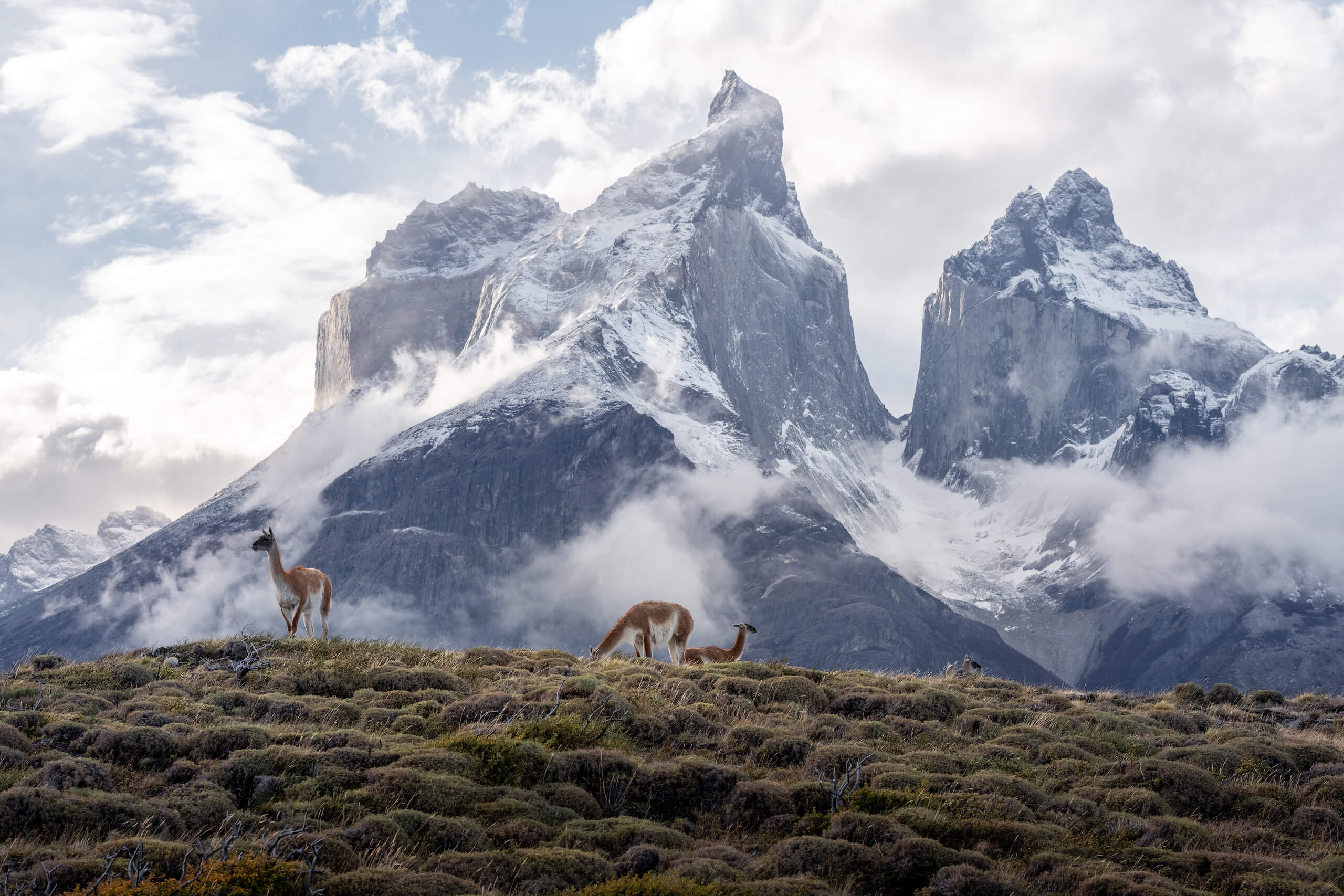
Patagonia without compromise: W Trek, Torres del Paine
The W Trek is 76 kilometers through Torres del Paine National Park in Chilean Patagonia, named for the W-shaped route it traces through the park's most dramatic terrain. Granite towers that taper to impossible points. The Grey Glacier calving into a milky turquoise lake. The French Valley, hemmed by hanging glaciers and the noise of ice falling.
Patagonian weather is not polite about its opinions. Wind is not weather here — it's a participant. Gusts regularly exceed 100 km/h on exposed sections. Pack accordingly and do not underestimate this. The landscape's ferocity is part of what makes it extraordinary.
November through early March is the walking season. Four to five days is the standard itinerary. EcoCamp Patagonia and the refugios managed by Las Torres and Lago Grey provide the accommodation spectrum from glamping to basic bunk beds — book the better options months in advance.
How to fly there: Punta Arenas (PUJ) is the nearest airport; Puerto Natales, the trail's staging town, is three hours north by road. Santiago (SCL) handles all long-haul connections, with LATAM and Sky Airline running domestics south.
From the US, the best business class routing to Santiago goes through Lima on LATAM's international service, or directly on American from Dallas (DFW) — American's Flagship Business on the B777-200 is a fully flat product with direct aisle access that performs well on this 10-hour sector. From Europe, Iberia flies direct Madrid (MAD)–Santiago in Iberia Business on the A350, which is a notably good product — wide, quiet, genuinely comfortable for a 13-hour flight.
Retail round-trip business class from the US to Santiago: $4,500–$8,500. CEOFLIGHTS consolidator fares on LATAM and American metal typically run $2,800–$5,200.
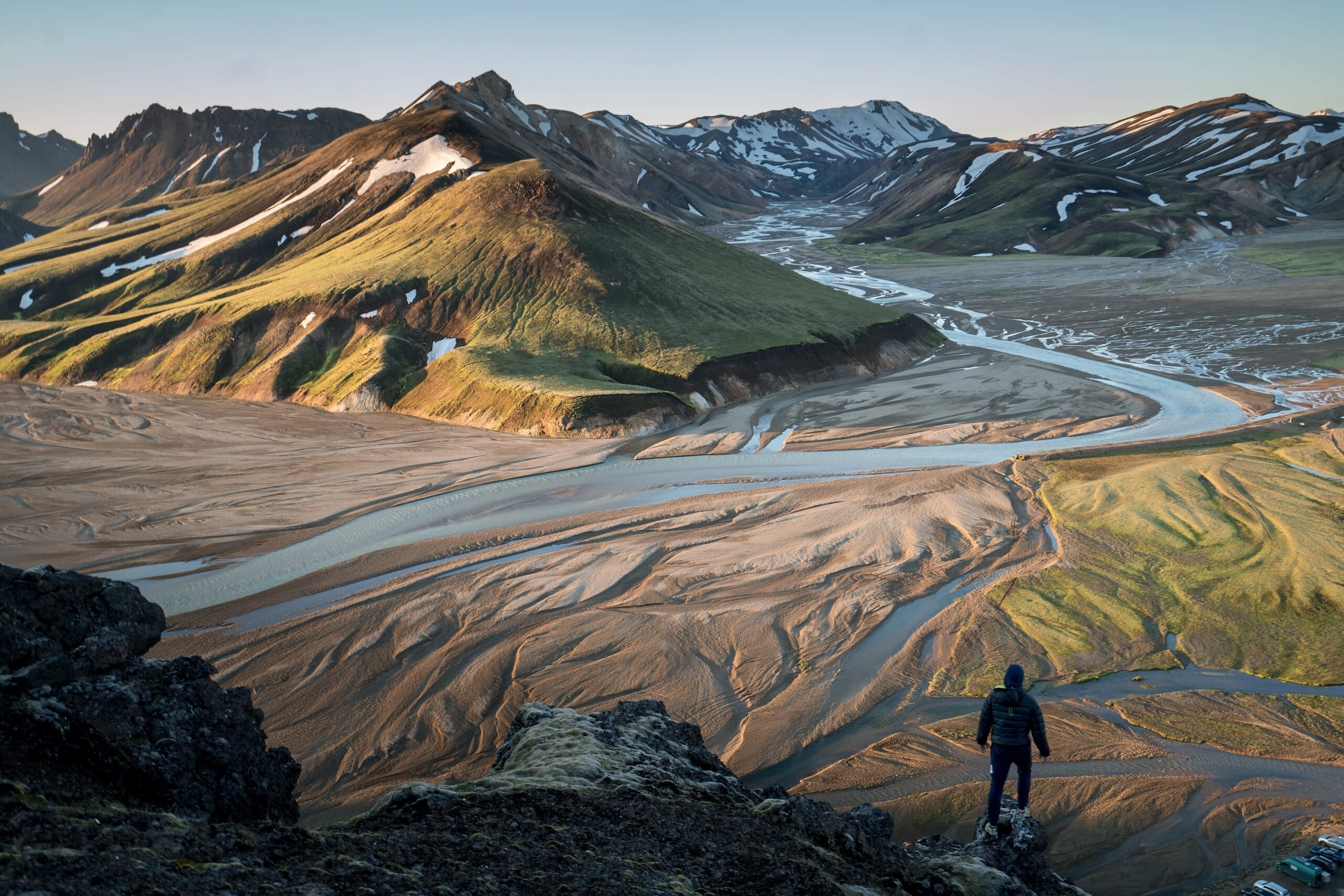
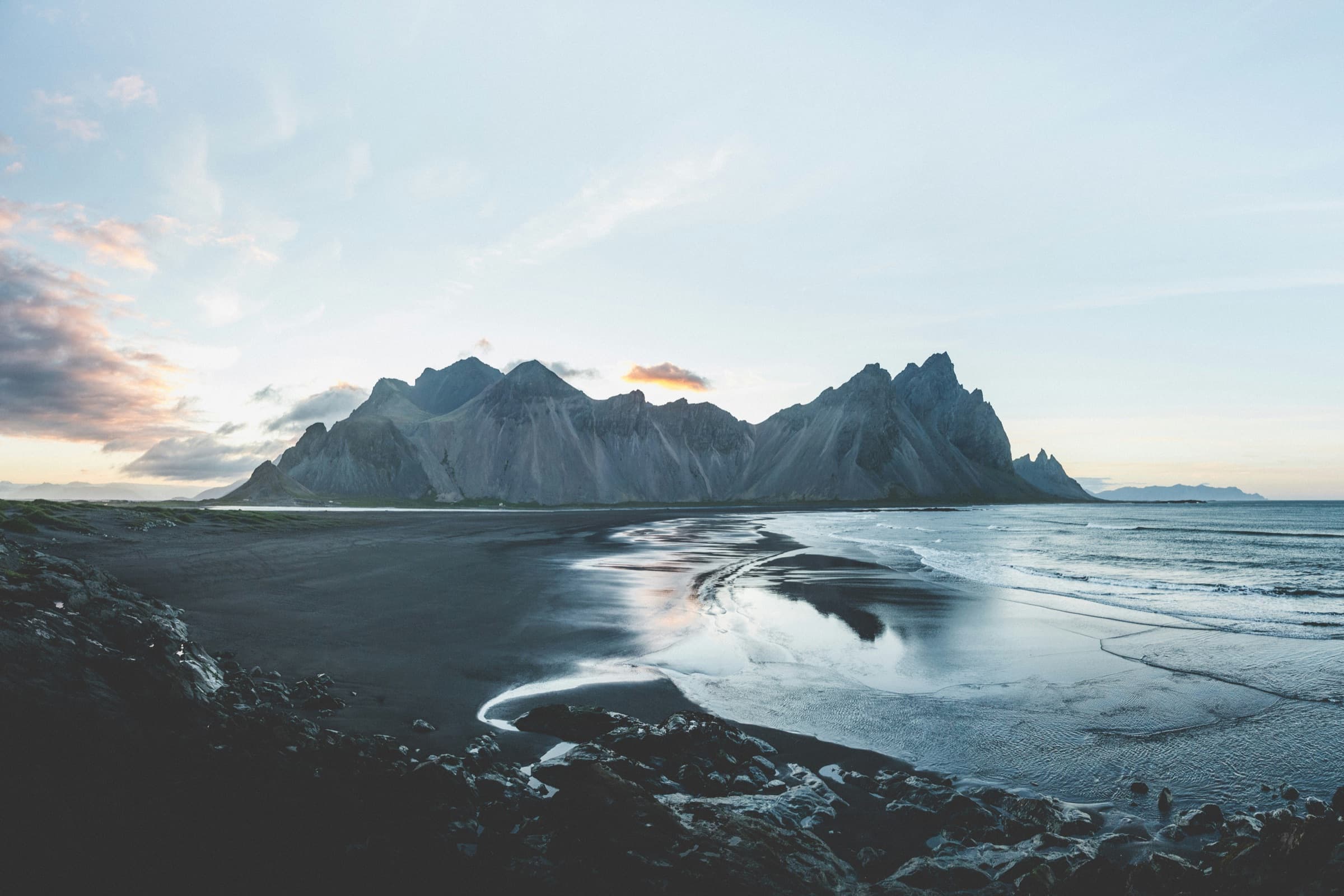
Fire, ice, and rhyolite: Laugavegurinn Trail, Iceland
The Laugavegurinn Trail and its Fimmvörðuháls Pass extension together cover 77 kilometers from the geothermal fields of Landmannalaugar to the green valley of Þórsmörk, with an optional continuation to Skógar across a pass that runs between two glaciers. The color palette is unlike anything in the hiking world — rhyolite mountains in ochre and burgundy, black sand desert, vivid green valleys, and the steam of active hot springs rising against grey sky.
The Fimmvörðuháls extension adds two days and crosses lava fields created during the 2010 Eyjafjallajökull eruption. You walk on terrain that didn't exist fifteen years ago. That's genuinely arresting when you think about it.
The trail operates from late June to early September. Mountain huts along the route book out months in advance — this is not optional infrastructure, it's mandatory given Iceland's rapid weather changes. River crossings are part of the route and cannot always be avoided.
How to fly there: Reykjavik Keflavík International (KEF) is the gateway. Landmannalaugar is three hours by 4WD bus from Reykjavik.
Icelandair's business class (they call it Saga Class) flies direct from multiple US cities — Boston (BOS), New York (JFK), Seattle (SEA), Denver (DEN) — in a 5–6 hour crossing that's genuinely comfortable rather than transformative. The seats are angled-flat rather than fully lie-flat, which matters more on overnight eastbound returns than westbound daytime flights. For a 5-hour flight, this is acceptable.
The better premium option is routing through London (LHR) or Amsterdam (AMS) in proper lie-flat business class — British Airways Club Suite or KLM Business Class on the 787 from AMS to KEF is excellent — then positioning to Iceland. This adds connection time but delivers a meaningfully better overnight experience from the US.
Retail transatlantic business class to Reykjavik: $2,800–$5,500. Our clients typically pay $1,800–$3,400 through CEOFLIGHTS consolidated fares on this routing.
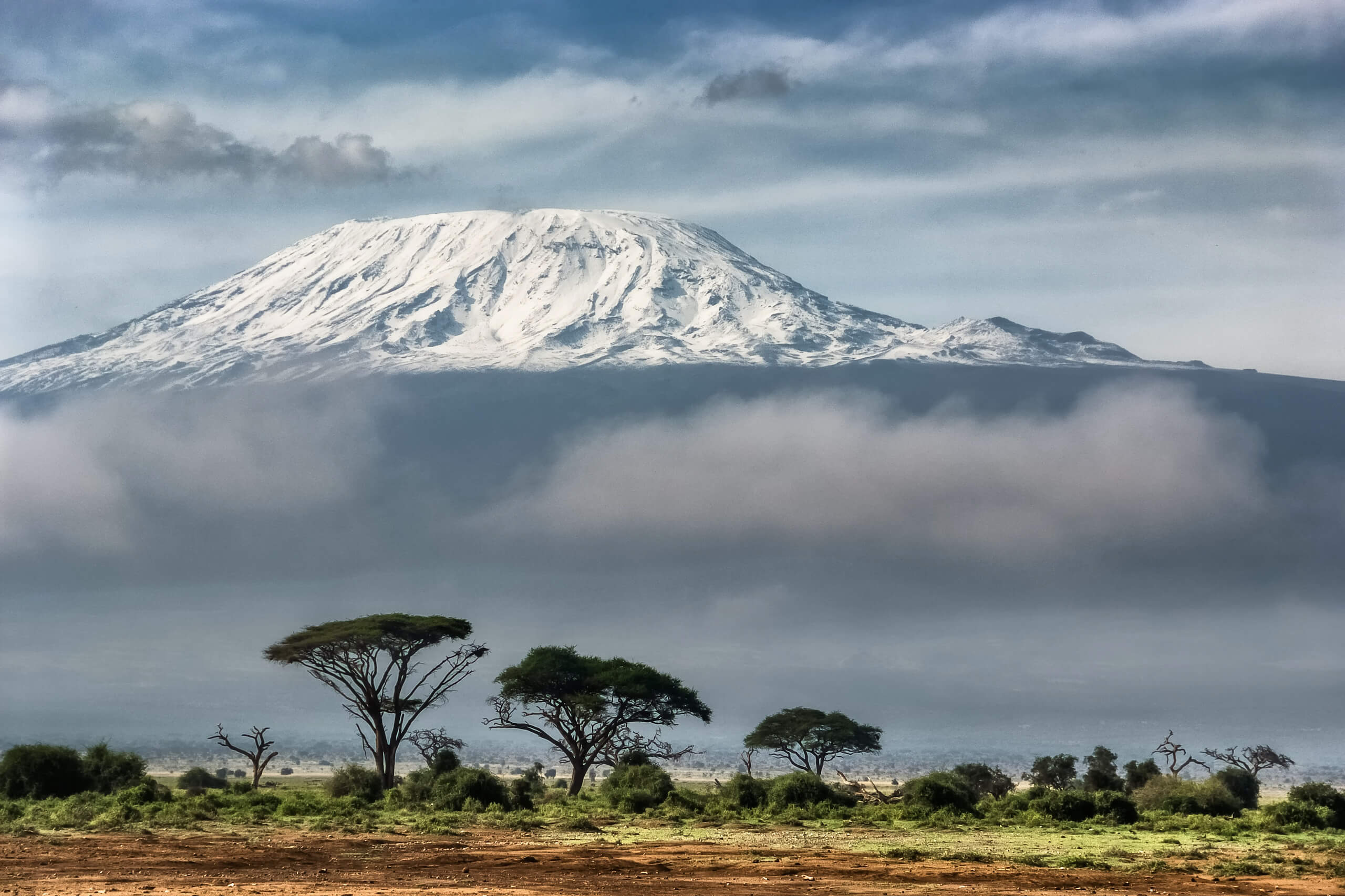
The Roof of Africa: Kilimanjaro, Tanzania
Kilimanjaro stands 5,895 meters above the Tanzanian savannah — the highest freestanding mountain on earth, the highest point on the African continent, and one of the few Seven Summits reachable by people with no technical mountaineering background. The mountain generates its own weather systems and condenses its own clouds. It is enormous in a way that photographs routinely fail to capture.
The climb traverses five distinct ecological zones: montane rainforest, heath and moorland, alpine desert, and the summit's glaciated crater rim. The transition from equatorial forest to Arctic summit in five or six days is one of the genuinely surreal experiences available to non-technical climbers.
The summit rate is approximately 66%. Altitude is the primary reason people don't make it. Seven days is better than five; nine is better than seven. Don't rush this one.
January through March and June through October are the dry seasons — the clearest skies and best summit conditions. July and August are peak traffic on the Marangu and Machame routes.
How to fly there: Kilimanjaro International Airport (JRO) sits between Moshi and Arusha, 50 kilometers from the mountain's main gate. Nairobi (NBO) is an alternative hub with more flight options and a short Kenya Airways connection south.
The most compelling business class routing from the US goes through Doha on Qatar Airways QSuite — QR 1000 from JFK to DOH, then a connection to JRO or NBO. From Europe, Kenya Airways operates direct Nairobi service from London Heathrow (LHR) and Paris (CDG) in a business class product that is functional if not luxurious; the better approach is flying Emirates or Qatar to Nairobi and connecting. Emirates Business Class on the DXB–NBO sector delivers a proper flat-bed product and the Emirates lounge at Dubai Concourse A before departure.
Retail round-trip business class from the US to Kilimanjaro via DOH: $5,800–$11,000. CEOFLIGHTS clients flying Qatar metal to JRO typically pay $3,500–$6,500.
Booking the flight before you book the trail
Most of these permits have harder deadlines than your departure date. The Milford Track guided walk books over a year out. Inca Trail permits for June disappear in January. Build your flight around the trail booking, not the other way around.
What we've found, after years of placing clients on these exact routes, is that the premium cabin experience matters differently for adventure travel than for business travel. You're not arriving to perform — you're arriving to hike for six hours a day in difficult terrain. Arriving rested, flat-slept, and properly fed rather than cramped and dehydrated makes a measurable physical difference by day three on the trail.
The consolidator savings on these routes typically run 30–40% off retail. On a $10,000 round-trip business class ticket to New Zealand, that's real money — money that pays for the St. Regis or EcoCamp or a private guide who knows where the condors actually are.
Call (888) 851-6897. We're ASTA-accredited (member #900292735), top rated on Trustpilot, and we've booked every one of these routes for clients who've subsequently sent photographs from Mackinnon Pass and the Sun Gate and the summit of Kilimanjaro. The trails are worth it. So is flying to them properly.