Quick summary
Escape oppressive 38°C Mediterranean heat by booking cool-climate escapes to Norway, Iceland, Scotland, or the Dolomites during the late May or September shoulder seasons. We recommend routing through European hubs like London or Amsterdam to secure transatlantic business class beds at 25–40% below retail fares. Base yourself in secluded, design-forward properties outside main hubs for unhurried days and genuine restorative luxury.
The European summer used to be simple. You went south. You baked. You came home exhausted and vaguely disappointed, convinced you'd had a good time.
That arrangement is dissolving, and not because of anything as frivolous as a trend cycle.
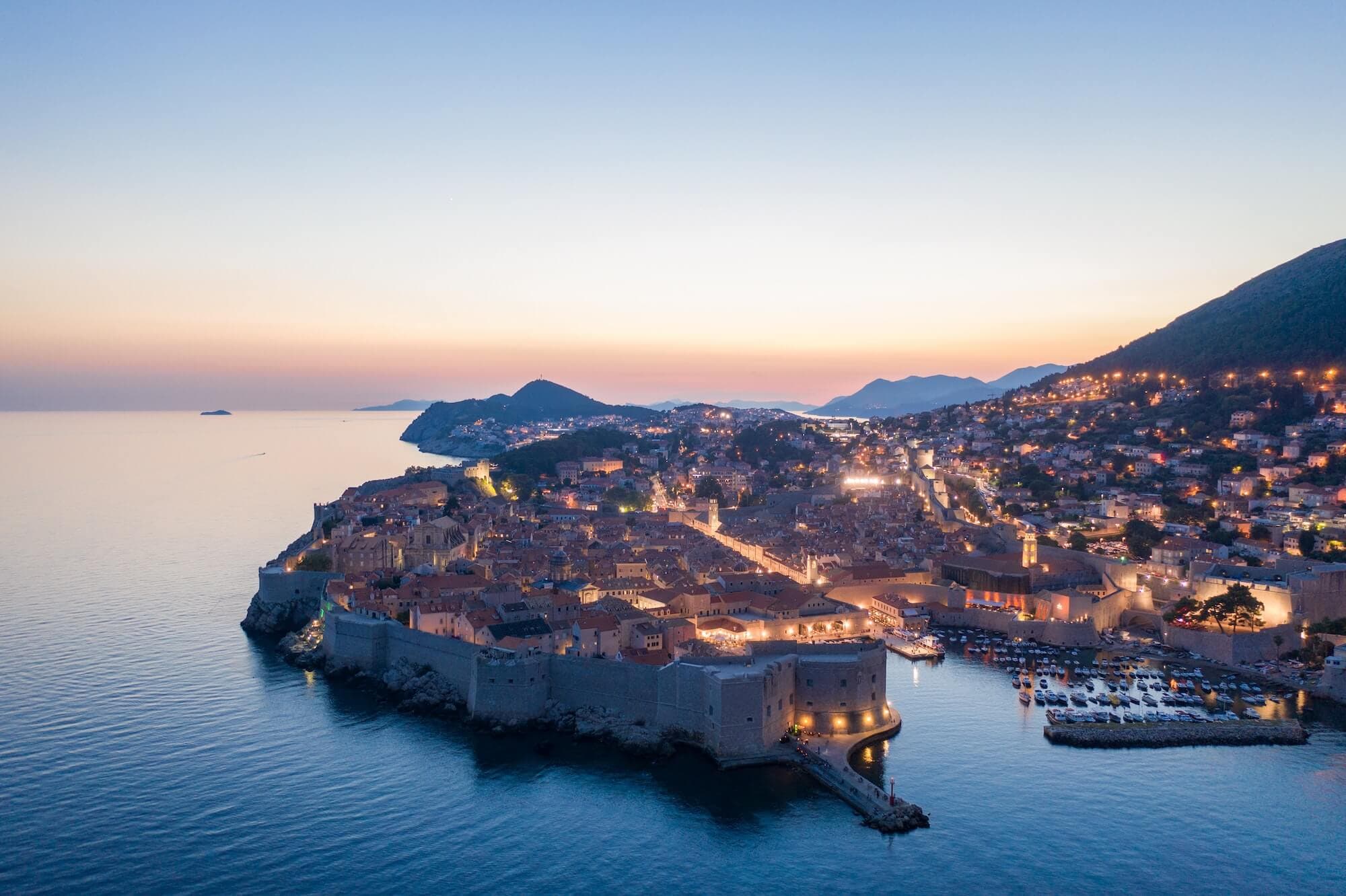
Europe is the fastest-warming continent on earth. The Mediterranean summers that once felt pleasantly warm now routinely tip into genuinely oppressive. Barcelona in August is 38°C and wall-to-wall tourists. The Amalfi Coast is gorgeous if you enjoy sitting in traffic for three hours. Santorini will photograph beautifully while you slowly overheat on a cobblestone path with 400 other people trying to get the same shot.
The response from travelers who actually think about how they want to feel at the end of a trip has been decisive: go north. Go up. Go where the air is cool and the crowds haven't caught on yet.
This is what's being called a coolcation — a slightly annoying word for a genuinely smart idea. Rather than chasing heat and coastline, you choose mild temperatures, long northern light, and landscapes that reward movement rather than punish it.
The concept has gone mainstream enough that search interest has surged. Which means the window for experiencing these destinations at their quietest is narrowing. The intelligent move is to get ahead of the volume before the best properties are booked solid and the "hidden" fjord viewpoint has a gift shop.
Here's how to do it properly.
Why the coolcation makes sense right now
This isn't about being contrarian. It's about quality of experience.
In a cool-climate destination in summer, you can walk through the middle of the day without retreating into air conditioning. You sleep well. You eat long, unhurried dinners while the sun hangs low on the horizon at 10pm. You come home having actually rested, which is the supposed point of a vacation and something the Mediterranean in August has almost entirely stopped delivering.
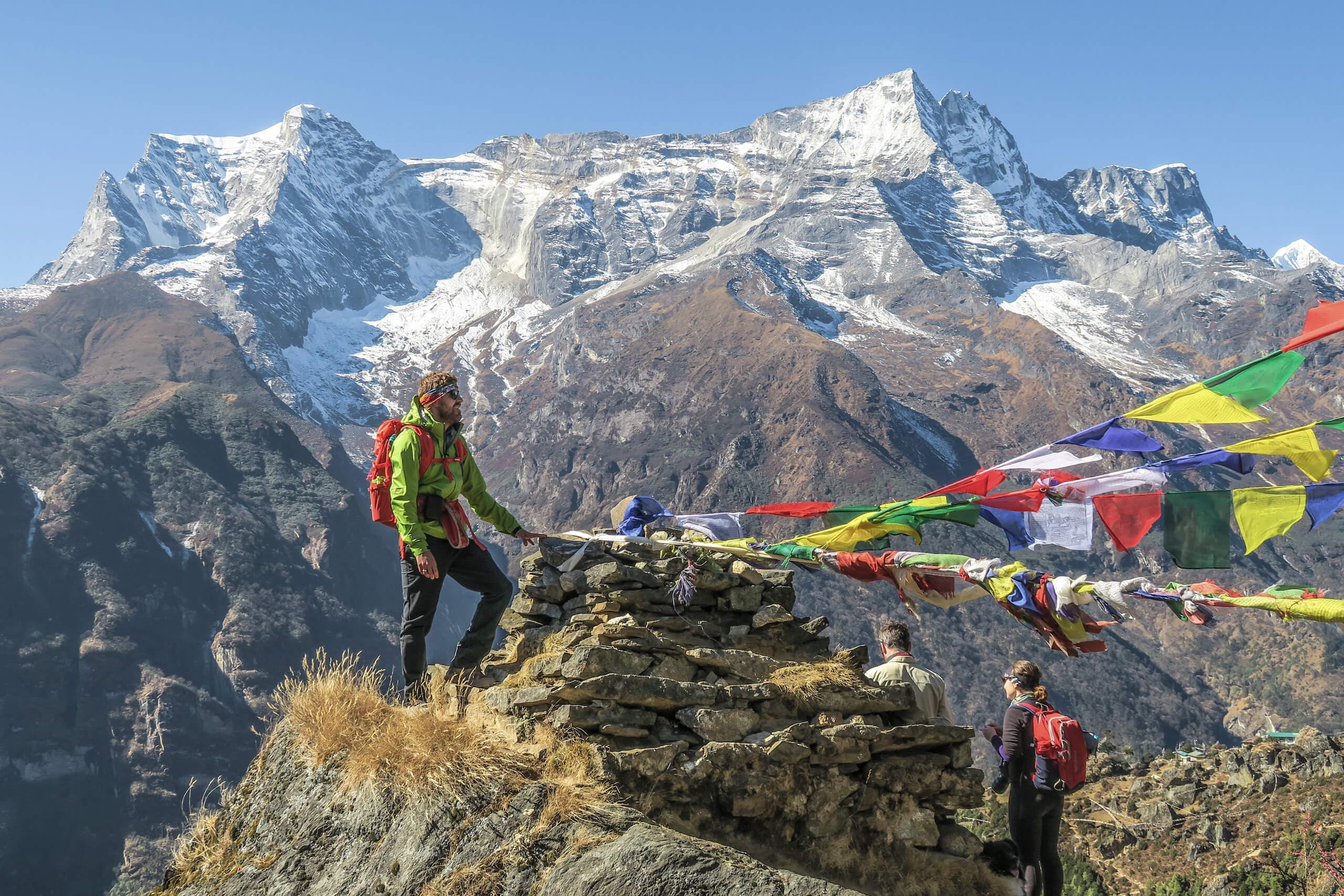
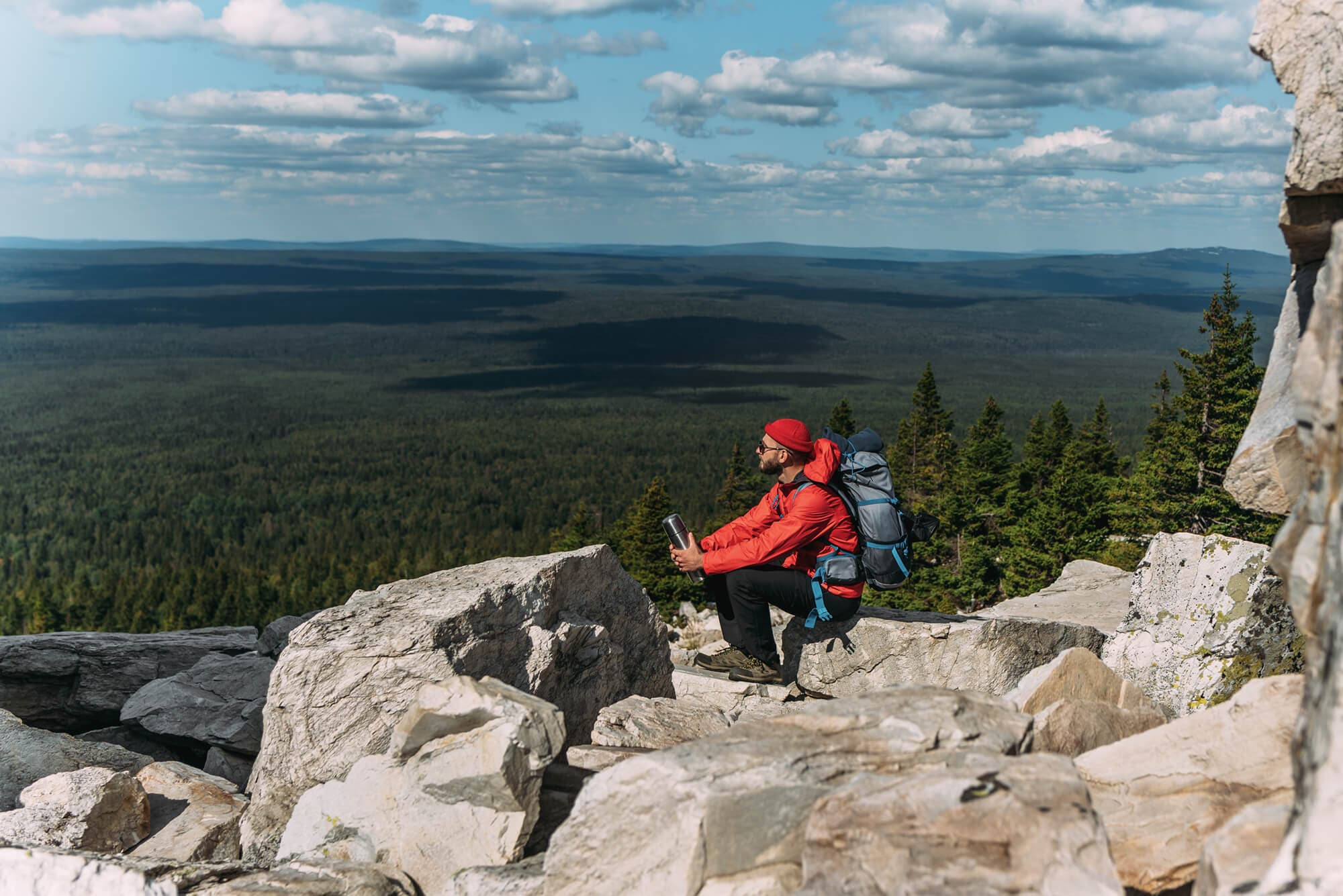
There is also a different kind of luxury operating here. The great cool-climate destinations — the Norwegian fjords, the Icelandic interior, the Scottish Highlands, the Italian Dolomites — are defined by scale and space rather than density. These are places where you can spend an entire morning on a mountain road and encounter almost no one. That's not an accident; it's the defining character of the landscape.
For a traveler who has done the packed promenade circuit and found it wanting, this is a meaningful upgrade. Not just in temperature but in the entire register of the experience.
The timing also matters strategically. Coolcation has moved from word-of-mouth to mainstream travel coverage over the past two seasons, which means the headline entry points — Reykjavik's Golden Circle, the Flåm Railway, Glencoe — are starting to see the kind of volume that defined the Mediterranean before it became what it is. The quieter version of these trips exists now. It may not exist at the same price or accessibility in 2028.
The best time to go — and it's not when you think
Cool-climate destinations have a narrower seasonal window than the south, and reading it correctly is the difference between a serene trip and a merely adequate one.
Peak summer, June through August, delivers the mildest temperatures and the longest days. In the far north, this means near-continuous daylight — the midnight sun in northern Norway is a genuine phenomenon, not a travel brochure exaggeration. But peak summer also means peak crowds at the headline sites.
The better call, almost always, is the shoulder. Late May into early June, or late August through September.
A few specifics worth knowing:
- In the Nordic countries, very early summer carries the white nights — daylight that never quite becomes dark — with meaningfully fewer visitors than July
- September in the Scottish Highlands and the Dolomites brings the first turn of autumn color, the crowds already thinning, and a quality of light that photographers spend careers chasing
- Weekday travel within the shoulder period is quieter still; if you can move your dates by 48 hours to avoid a weekend, do it
For travelers whose schedules aren't dictated by school calendars, the edges of the season are almost always the more intelligent choice.
How to avoid the crowds even in peak season
The instinct that drives a coolcation — escape from pressure, from heat, from density — is immediately undermined if you arrive at the single most-photographed waterfall in Iceland alongside a dozen tour coaches.
Three principles separate the experienced approach from the default one:
- Move one valley over. The famous sites earned their fame, but they almost universally have a quieter equivalent within 30 minutes' drive. The traveler who does five minutes of research beyond the first Google result finds a version of the same landscape with no one else in it.
- Base yourself away from the obvious hub. A property 40 minutes outside the capital, on a stretch of remote coastline or in a quiet valley, fundamentally changes the rhythm of the trip. You stop being a visitor processing the highlights and start actually inhabiting the place.
- Use the edges of the day. In destinations with very long summer light, the hours crowds neglect — early morning and late evening — are not just emptier but often the most beautiful. Low golden light across a volcanic plain at 9pm in Iceland is worth more than three hours at a crowded viewpoint at noon.
The experienced traveler treats famous sites as brief, well-timed visits rather than the organizing structure of the day. The rest of the day is spent where others are not.
Where to stay: properties that earn their position
Accommodation in cool-climate destinations is not incidental. The property is frequently the vantage point from which the entire landscape is experienced, which means a mediocre choice costs you far more than a mediocre hotel in a city would.
The right framework is a quiet, design-led property with genuine connection to its setting — not a large hotel in a busy town with a mountain visible from the car park.
Iceland. The most rewarding properties sit well outside Reykjavik.
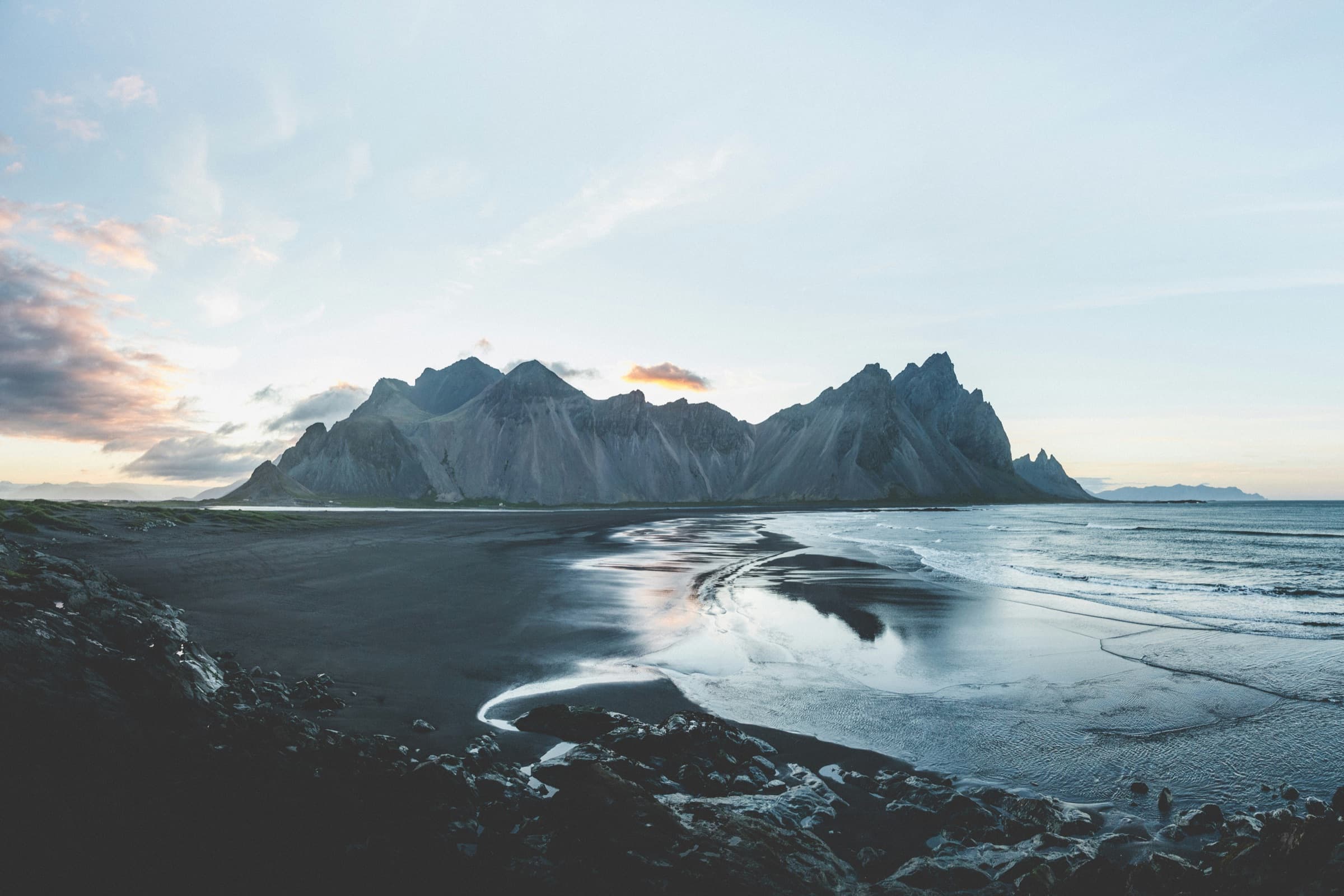
- On the south coast, a new generation of design-forward hotels faces the North Atlantic from stretches of volcanic black beach — pared-back Scandinavian interiors, floor-to-ceiling views, serious silence
- Torfhus Retreat, built in the spirit of traditional turf houses, offers real seclusion within reach of the Golden Circle without sacrificing comfort
- Highland Base at Kerlingarfjöll sits remotely among rhyolite peaks and geothermal rivers — wilderness with serious beds and good food
- Hotel Rangá remains a considered choice for those who want a warm lodge atmosphere and open skies for aurora viewing in either shoulder season
Norway. The finest stays balance the design culture of Bergen or Oslo with the specific drama of the fjord landscape.
- Intimate, design-forward city properties work well as bookends to a journey
- The most memorable nights are spent at smaller properties deep in the fjords, where the appeal is genuine disconnection rather than an amenity list
The Scottish Highlands. A different register entirely.
- Quiet luxury here means fire-warmed rooms, art-filled interiors, and landscape on a scale that makes you feel appropriately small
- A small number of exceptional properties in and around the Cairngorms have made the region a serious destination, not just a romantic aspiration
The Italian Dolomites.
- The finest small lodges here practise a restrained alpine luxury: raw timber, stone, glass, and a sense of being held quietly within the mountains
- The best of them are small enough that you rarely encounter other guests, which is the entire point of being there
The common thread across all four regions is restraint. Not the largest suite or the longest amenity list, but a property that frames its landscape, holds few guests, and leaves you with room to think.
Getting there: routing for the cool-climate north
This is where a trip to these destinations gets more interesting — and where most travelers leave significant value on the table.
None of these four regions is served by a simple, obvious long-haul premium route the way, say, London or Paris is. That means routing deserves genuine thought, not just whatever the first search result suggests.
For Reykjavik: Icelandair operates its own transatlantic service from multiple US East Coast cities including JFK, BOS, and IAD, with a Saga Class cabin that is comfortable if not exceptional — lie-flat seats, reasonable service, fares that retail around $3,500–$5,500 round-trip from the East Coast. The alternative is routing through London Heathrow and connecting onward, which opens up access to better business class products. British Airways' Club Suite on the Heathrow–Reykjavik segment is short-haul configured, so the flat-bed experience is on the transatlantic leg. Through CEOFLIGHTS' airline contracts, transatlantic business class fares on this routing regularly drop to the $2,800–$4,200 range — worth a conversation before you book retail.
For Oslo and Bergen: SAS operates direct service from Newark (EWR) and Chicago (ORD) in its SAS Plus and SAS Business cabins. Retail business class on the EWR–OSL route runs $4,000–$7,000 round-trip. Alternatively, routing through Amsterdam on KLM's World Business Class — consistently one of the better products in its class — gives you access to KLM's Crown Lounge at AMS, which is genuinely worth the layover if you're connecting. Finnair through Helsinki is another underrated option, with a clean, modern business cabin and one of the calmer transit airports in Europe.
For Scotland: Operated primarily as a connection through London. The transatlantic leg is where the product matters — and here, Virgin Atlantic's Upper Class on VS3 or VS25 (JFK–LHR) is one of the better-value business class products on the North Atlantic, with the Social Space bar being either a delight or an annoyance depending on your disposition. British Airways' Club Suite, now rolled out across much of its 777 and A350 fleet, offers direct-aisle access and genuine privacy. Retail on JFK–LHR in business runs $4,500–$8,000; consolidator pricing through CEOFLIGHTS typically pulls that down by 25–40%.
For the Dolomites: Reach through Venice (VCE) or Verona (VRN), both well served from major European hubs. The most logical transatlantic routing is into Milan Malpensa (MXP), where Delta One on the JFK–MXP route operates with a solid lie-flat product. The drive into the mountains from Milan takes under three hours and is genuinely part of the experience.
For all of these routes, lounge access at the hub is worth factoring in. The Finnair Lounge at HEL is quiet and well-stocked. KLM's Crown Lounge at AMS Pier E is consistently good. If you're routing through Heathrow's T5, the British Airways Galleries First Lounge remains one of the better airport food experiences in Europe.
Call us at (888) 851-6897 to price any of these routings. CEOFLIGHTS is ASTA-accredited (member #900292735) and top rated on Trustpilot — we've built these itineraries dozens of times and know which connections actually work and which ones look fine on paper until the inbound is delayed.
What mainstream travelers consistently get wrong
A few patterns show up reliably enough that they're worth naming directly:
- Treating a cool-climate destination like a warm one. Arriving without proper layering, underestimating how fast mountain or coastal weather changes, and being caught in a Scottish drizzle in a linen shirt. The northern summer is mild, not warm. That's the point, not a flaw.
- Chasing the single famous image. The most photographed waterfall or fjord viewpoint is almost never the most rewarding way to spend time, and is consistently the most crowded. The traveler fixated on the postcard shot misses the quieter equivalent 20 minutes away.
- Over-scheduling. These are landscapes that reward stillness, long unplanned drives, and afternoons that go nowhere in particular. A trip packed with timed activities defeats the reason for choosing a cool-climate escape in the first place.
- Basing in the busiest town for convenience. The convenience is real; the cost is losing the space and quiet that made the destination worth choosing.
- Booking accommodation and flights separately, last-minute, without considering the full routing as a single itinerary. This is where the difference between a frustrating trip and a seamless one usually lives.
How to move around once you're there
For Iceland, Norway, and Scotland, the private vehicle is the instrument of freedom. Full stop. A self-driven or chauffeur-driven car turns the landscape into the experience rather than a backdrop you're being shuttled past.
A few region-specific refinements:
- In the Norwegian fjords and across the Scottish islands, the sea is part of the road network. A well-chosen ferry crossing or private boat charter is both practical and genuinely memorable — not an activity, but a mode of transit that happens to be beautiful
- In the Dolomites, the high mountain passes reward unhurried driving. The cable car networks open high-altitude walking without the effort of the full ascent, which is a reasonable trade at altitude
- In Iceland, the Ring Road is the headline route, but the unpaved interior tracks — the F-roads open only in summer — reveal a country that most visitors never see
The principle throughout is autonomy. Structure movement to preserve flexibility, to follow the weather and the light rather than a fixed schedule, and to avoid the itinerary logic that pulls travelers into the same places at the same times.
A few practical refinements worth making
These are small decisions that compound into a meaningfully better trip:
- Pack a single warm, waterproof layer regardless of the forecast. In regions where the weather changes within the hour, this is not optional
- Reserve the standout dinners well in advance. The best small restaurants in remote areas have limited covers and book out early in season — this is particularly true in Iceland, where the best tables in Reykjavik fill weeks ahead
- Build in at least one completely unscheduled day. In landscapes governed by weather and light, the ability to move plans by 24 hours is itself a form of luxury
- Choose one region and go deep into it. Attempting Iceland, Norway, and Scotland in a single trip wastes the very stillness these places offer. Depth rewards more than breadth, always
- Confirm the property's actual location, not just its rating. A quiet setting 40 minutes from the hub will shape your trip more profoundly than an extra star in a busy town
The CEOFLIGHTS view
The coolcation is a slightly awkward word for a genuinely durable idea: that the quality of a summer is measured not by the heat endured but by the space, light, and ease a destination affords.
The cool-climate north and the high alpine valleys still deliver that. For now, they deliver it quietly.
The routing and the cabin are not separate from the experience — they're the beginning of it. Arriving in Bergen rested, after a proper flat-bed crossing and a calm connection through Amsterdam, puts you in an entirely different state than arriving depleted after a middle seat and a sprint through a hub. The destination starts when you board.
If you're planning a summer trip in 2026 and haven't priced out the northern routes yet, call CEOFLIGHTS at (888) 851-6897. We're ASTA-accredited (member #900292735) and top rated on Trustpilot, and we've routed enough of these itineraries to know exactly where the value is — and where the retail price is simply not worth paying.