Quick summary
Visiting top Mediterranean spots like Positano, Dubrovnik, and Santorini is best experienced during shoulder seasons (late May or early September) when crowds thin and water temperatures remain ideal. Pairing your itinerary with premium business class cabins like Qatar QSuite can save 30–45% off published fares ($3,800–$5,400 vs. $6,800+ retail). We recommend booking transatlantic flights into primary hubs like Rome or Athens before connecting to regional coastal airports.
The Mediterranean in summer is one of those rare travel experiences that actually lives up to the postcard. Ancient stone streets, water so clear you can see the bottom at twelve meters, food that makes you reconsider your entire relationship with dinner. The problem isn't the destination — it's how most people approach getting there.
If you're going to spend a week at Le Sirenuse in Positano or the Canaves Oia Suites in Santorini, arriving exhausted in economy class is simply bad math. The routing decisions matter. The cabin matters. And frankly, who you book through matters.
Here's what CEOFLIGHTS readers actually need to know: most of these destinations are served via Rome (FCO), Athens (ATH), Palermo (PMO), or Dubrovnik (DBV), all of which connect cleanly through major European hubs — London Heathrow, Frankfurt, Amsterdam, Doha, and Dubai. Qatar Airways QSuite on the JFK–DOH route remains the single best business class product available for US travelers heading into the Mediterranean basin. Routing through Doha adds roughly three hours to most southern European itineraries, but you'll sleep flat and arrive ready. Retail on JFK–ATH via DOH in business class runs $6,800–$9,200. Through our airline contracts, that same itinerary regularly drops to $3,800–$5,400. Call (888) 851-6897 and we'll price it out for you.
Now, where to go once you land.
Positano, Italy
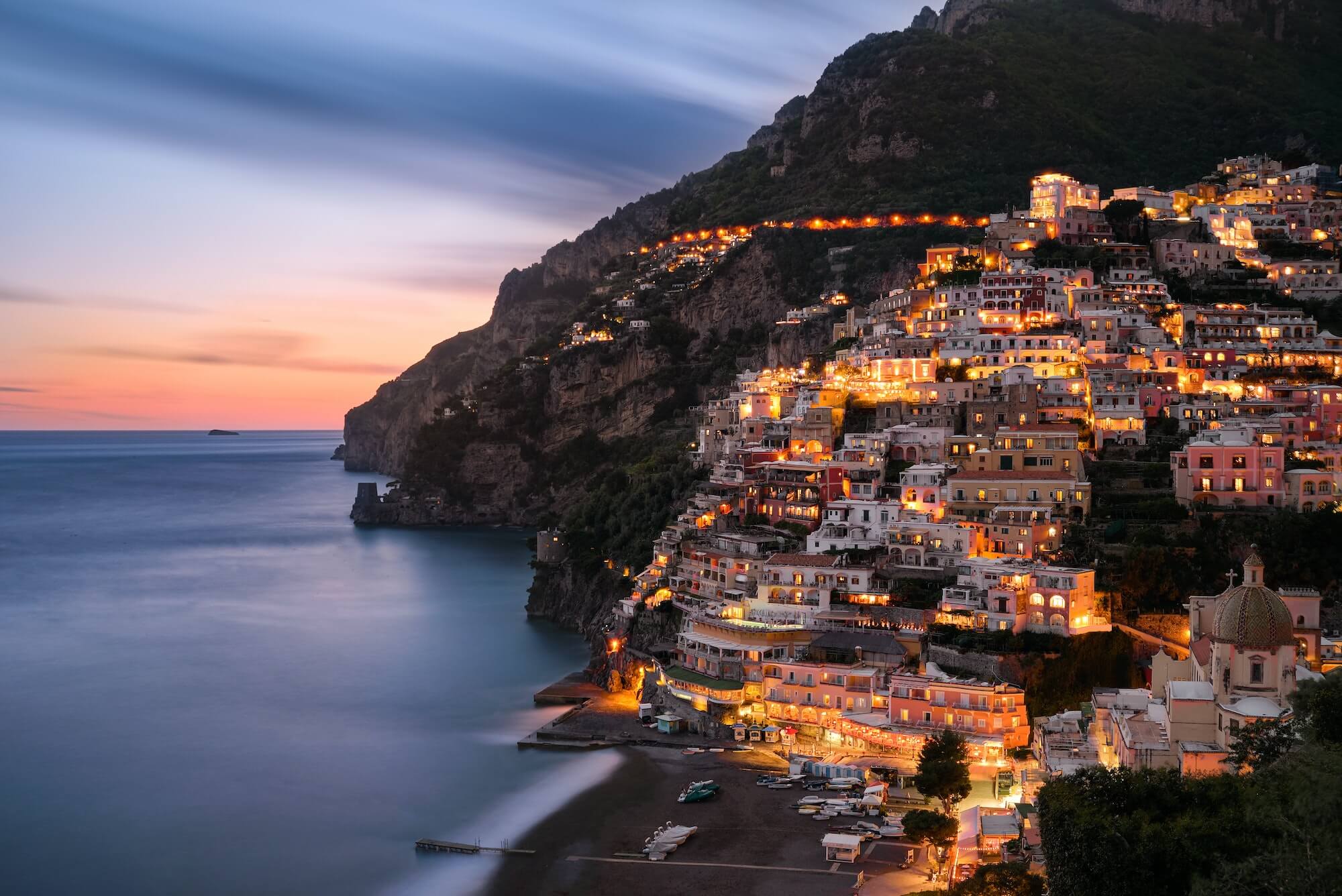
There is no overhyping Positano. It sits on the Amalfi Coast like something from a film set, all pastel facades and bougainvillea tumbling toward the Tyrrhenian Sea. The narrow streets aren't a marketing gimmick — they're genuinely too tight for cars, which means the whole village moves at a walking pace.
Le Sirenuse is the address here. Rooms start around €900 per night in peak summer, and they're worth it — the pool terrace view is one of the finest in Italy. Il San Pietro di Positano, perched on a cliff just south of the village, is the other serious option if you want a more private feel. Both hotels arrange boat charters; bypass the organized tours and hire a skipper for the day to reach Capri and Li Galli without the crowds.
Fly into Naples (NAP). Lufthansa's Frankfurt–Naples service in Business Class uses the A320 family, so manage your expectations on the transatlantic leg — you'll want to position through FRA from your US departure on a widebody first. British Airways operates LHR–NAP via their short-haul Euro Traveller product, which is unremarkable, so position through Heathrow and use the Galleries Lounge before the hop.
Dubrovnik, Croatia
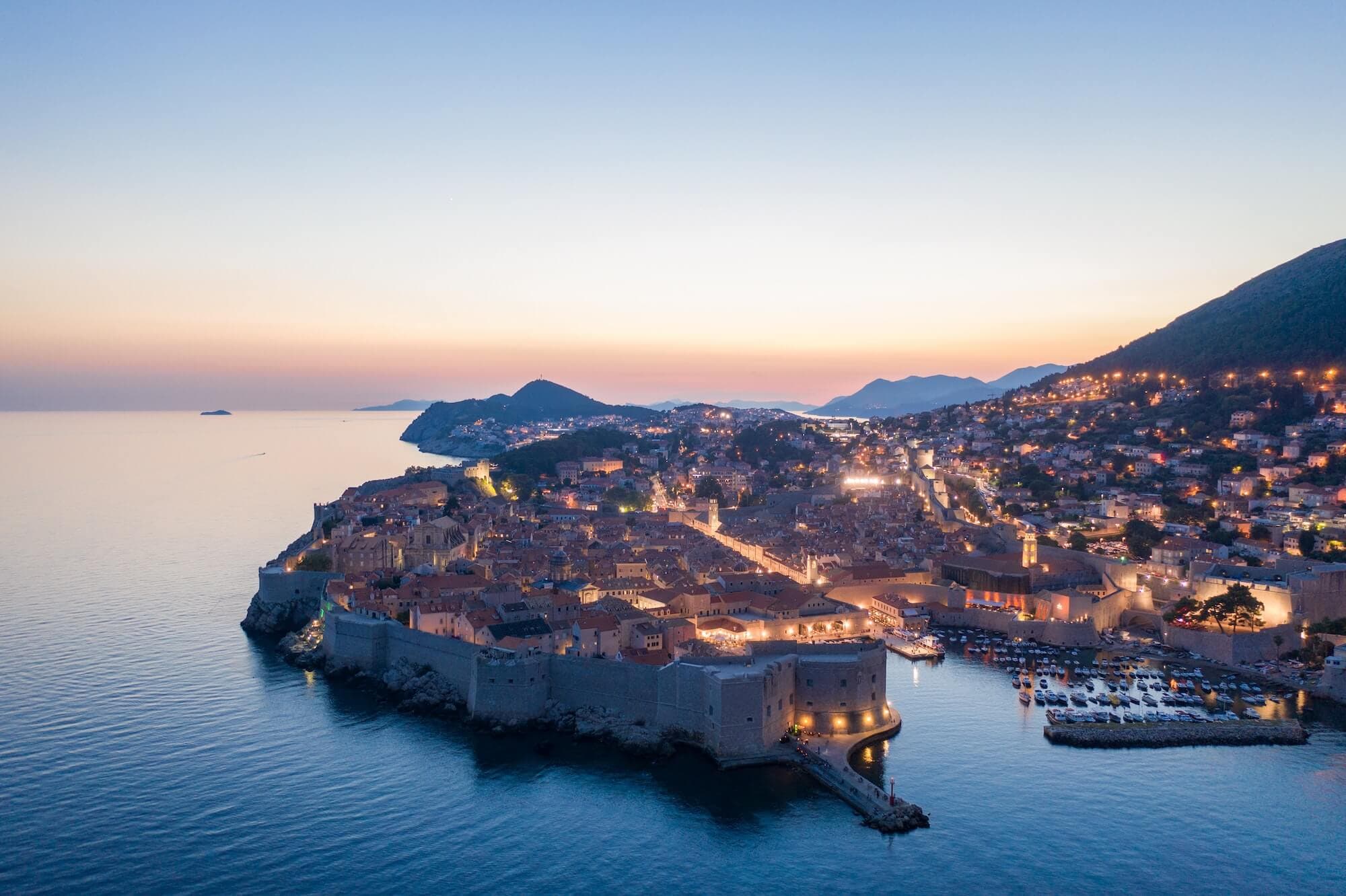
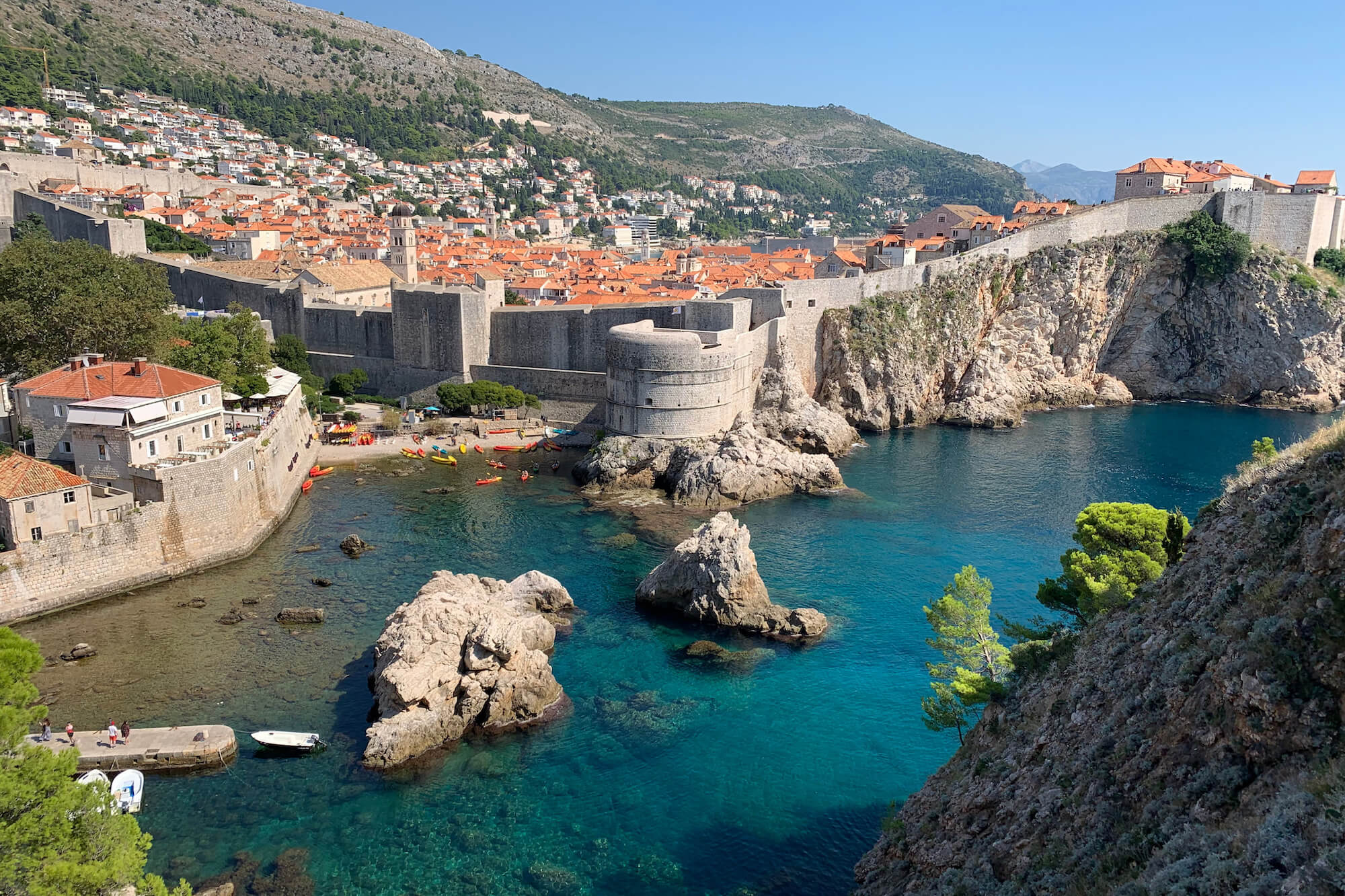
Yes, everyone has seen it in Game of Thrones. Yes, it is still spectacular. The medieval walls encircling the old town are genuinely among the best-preserved fortifications in Europe — walk the full 1.9km circuit in the early morning before the cruise passengers arrive and you'll understand why UNESCO moved fast on this one.
Hotel Excelsior sits just outside the Pile Gate, with sea-facing rooms that look directly at the old town across the water. Michelin-starred Proto, tucked into a side street in the old town, does seafood better than almost anywhere in the Adriatic.
Croatia is best accessed through Zagreb (ZAG) or directly into Dubrovnik (DBV) via connecting European flights. Dubrovnik's airport is small but functional; budget extra time in July and August when delays compound. The faster routing for US travelers is transatlantic into LHR or FRA, then a short-haul connection south. Not glamorous — but efficient.
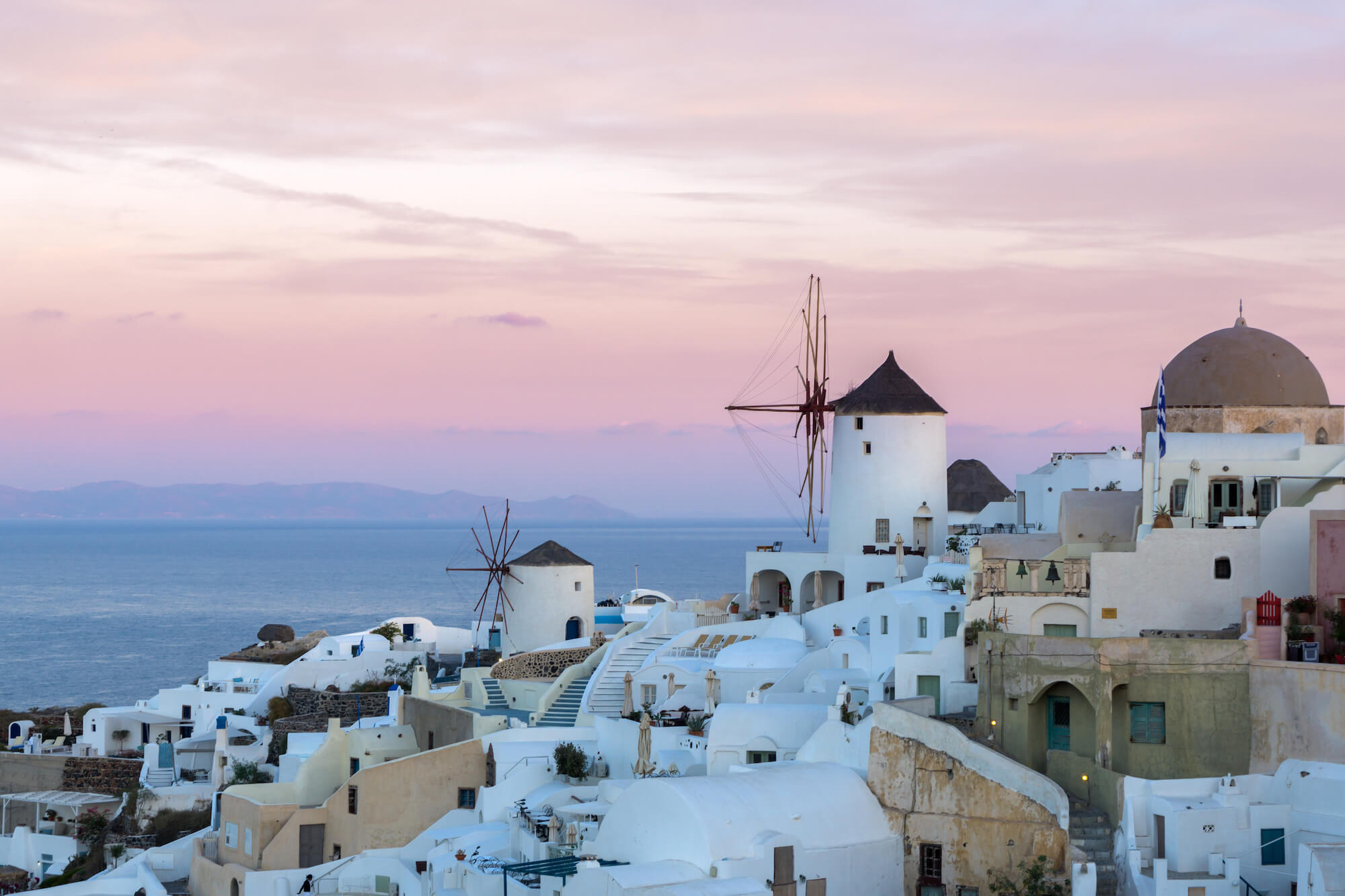
Santorini, Greece
Santorini is unapologetically romantic and completely unashamed of it. The caldera views from Oia are real, the sunsets are genuinely extraordinary, and the wine — grown in volcanic soil from vines trained into low baskets — is unlike anything you'll find on the mainland.
Canaves Oia Suites and the Grace Hotel Santorini are both exceptional, but book early. Inventory at the top properties disappears by March for peak July–August dates. Dinner at Selene in Pyrgos is worth the taxi ride inland — it's the most serious kitchen on the island.
Fly into Athens (ATH) then connect on Aegean Airlines to Santorini (JTR). The ATH connection is easy, and the Aegean Business Class lounge at Athens is a genuine surprise — comfortable, well-stocked, and rarely overcrowded. On the US–ATH leg, United Polaris on the EWR–ATH route is a solid option; the Polaris seat is fully flat at 76 inches, and the bedding has improved considerably since the initial rollout.
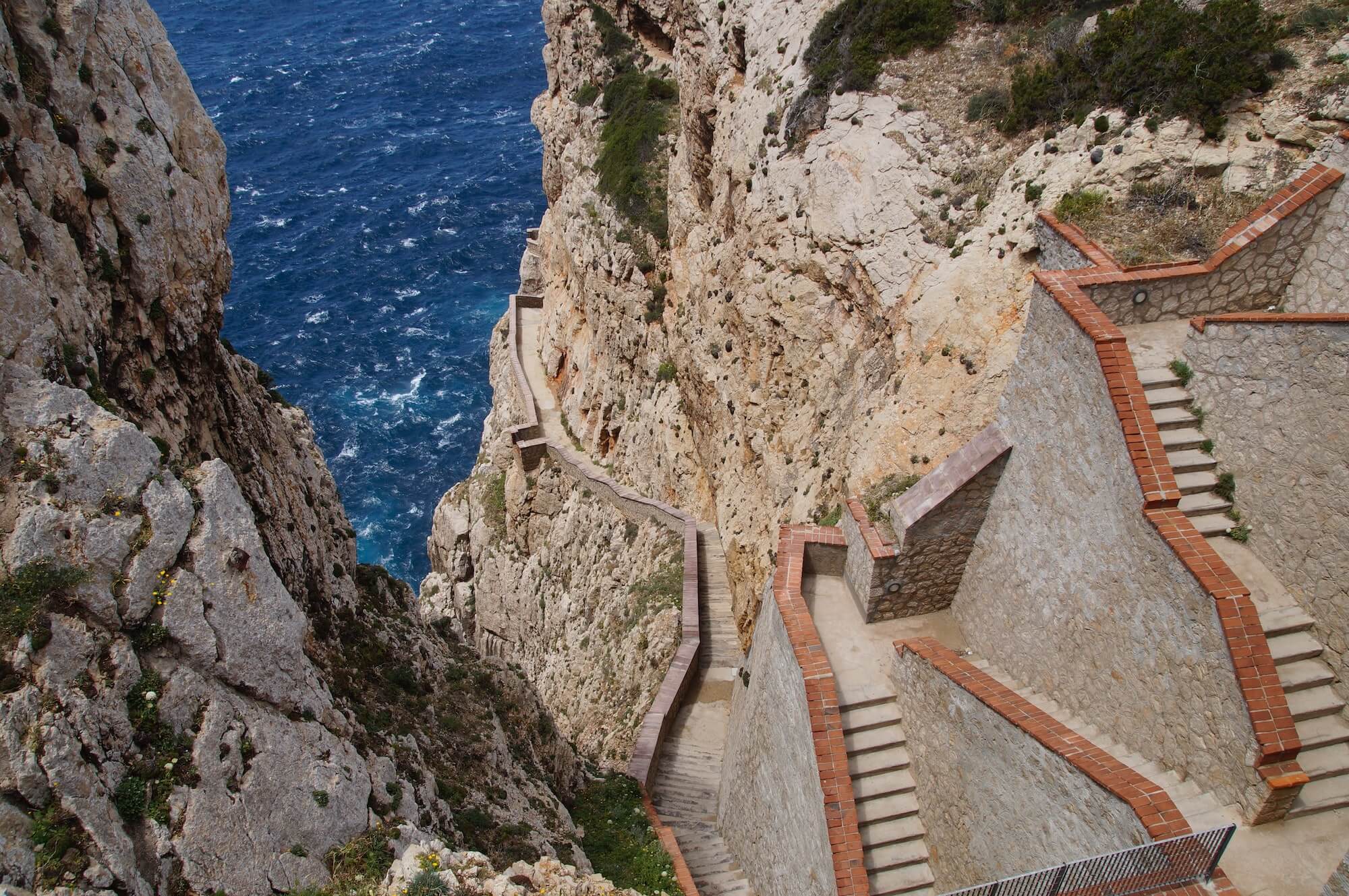
Alghero, Sardinia
Sardinia is what happens when you combine genuinely pristine beaches with medieval Catalan architecture and a cuisine that has almost nothing to do with the rest of Italy. Alghero sits on the northwest coast and retains its 14th-century Aragonese character in a way that feels lived-in rather than museified.
The beaches around Alghero — particularly the Spiaggia delle Bombarde and the cliffs at Capo Caccia — are best explored by boat. Most of the upscale agriturismos and boutique hotels in the area will arrange it. Diving in the Neptune's Grotto marine reserve is exceptional; visibility regularly exceeds 30 meters.
Fly into Alghero-Fertilia (AHO) via Rome or Milan, or into Cagliari (CAG) on the southern end of the island and drive north. Neither option is particularly premium, but the destination compensates.
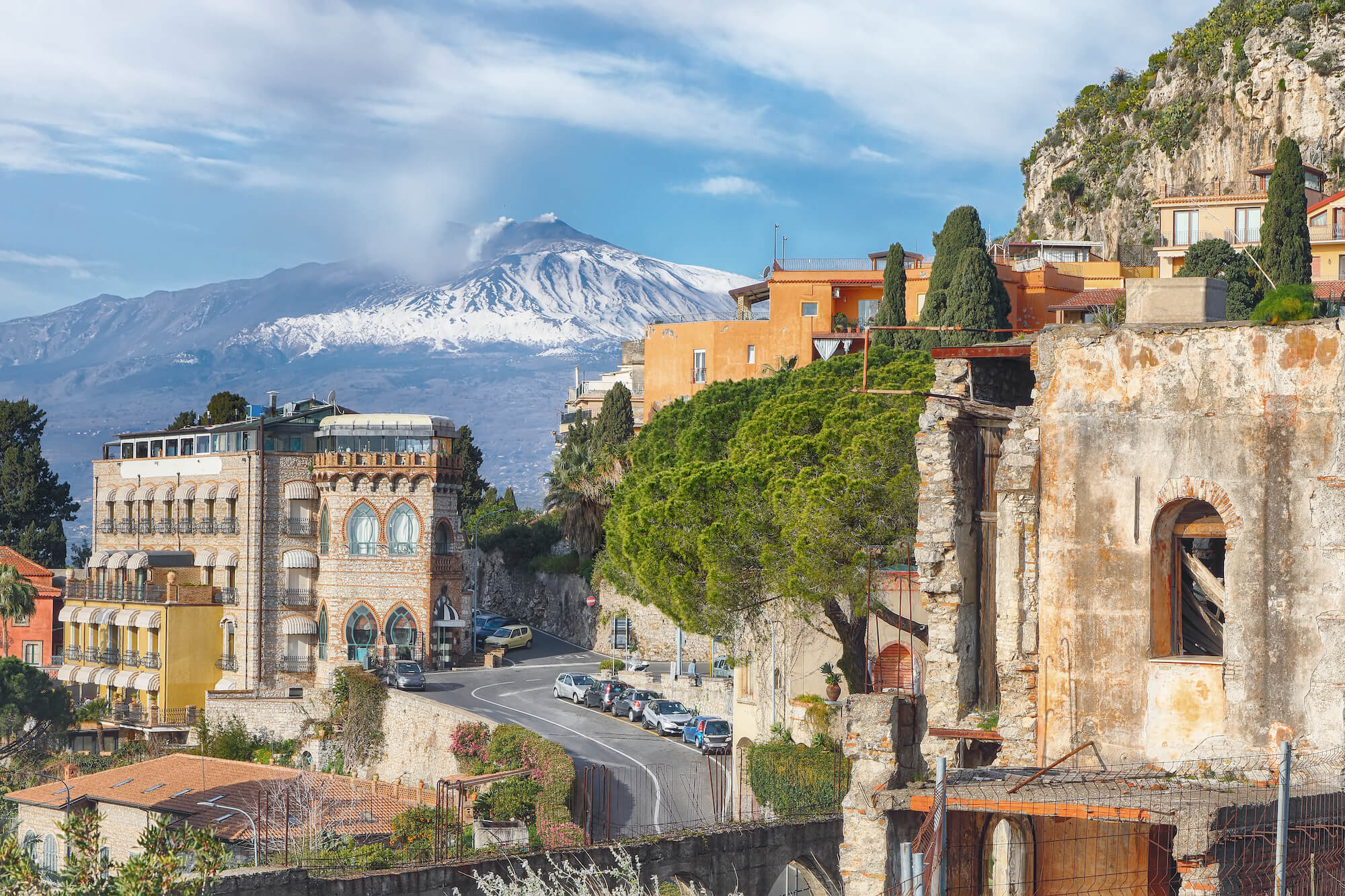
Taormina, Italy
Perched at 200 meters above the Ionian Sea, with Etna smoldering on the horizon, Taormina is Sicily's most theatrical setting. The 3rd-century BC Greek theatre still hosts concerts in summer — the combination of ancient stone, sea backdrop, and live music is hard to beat anywhere in Europe.
The Grand Hotel Timeo, a Belmond property, is the right call here. Breakfast on the terrace with that view, then down to Isola Bella by cable car for the afternoon. Sicilian cuisine is richer and more Arab-influenced than northern Italian food; pasta alla Norma, caponata, and swordfish prepared a dozen ways. Don't argue with it — just order.
Fly into Catania (CTA). Rome or Milan connections work well. From the US, the most efficient routing remains through a major European hub.
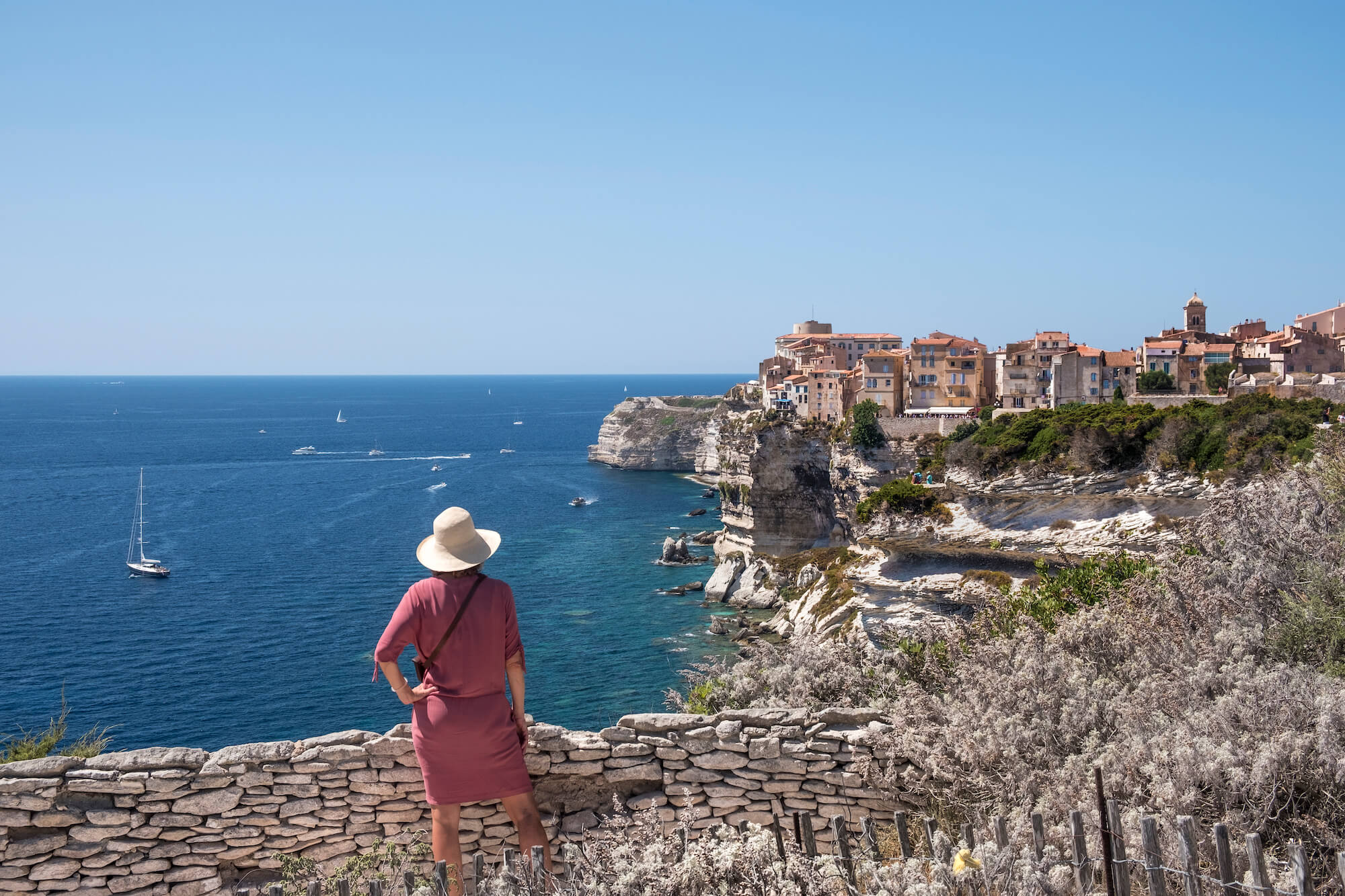
Corsica, France
Corsica is the Mediterranean destination that European travelers know and Americans consistently overlook, which is precisely why it's worth the extra routing effort. The island is rugged, legitimately beautiful, and far less crowded than the Greek islands in peak season.
La Plage Casadelmar near Porto-Vecchio is one of the finest small luxury hotels in France — minimalist, sea-facing, Michelin-starred restaurant on site. The southern coastline around Bonifacio, with its white limestone cliffs dropping into turquoise water, is extraordinary from a boat.
Fly into Figari (FSC) in the south or Ajaccio (AJA) on the west coast, both via Paris CDG or Nice (NCE). For US travelers, Air France business class on the JFK–CDG or LAX–CDG routes is a sensible choice — the Air France Suite on the 777-300ER is comfortable, the CDG lounge is functional, and the onward connection to Corsica is seamless.
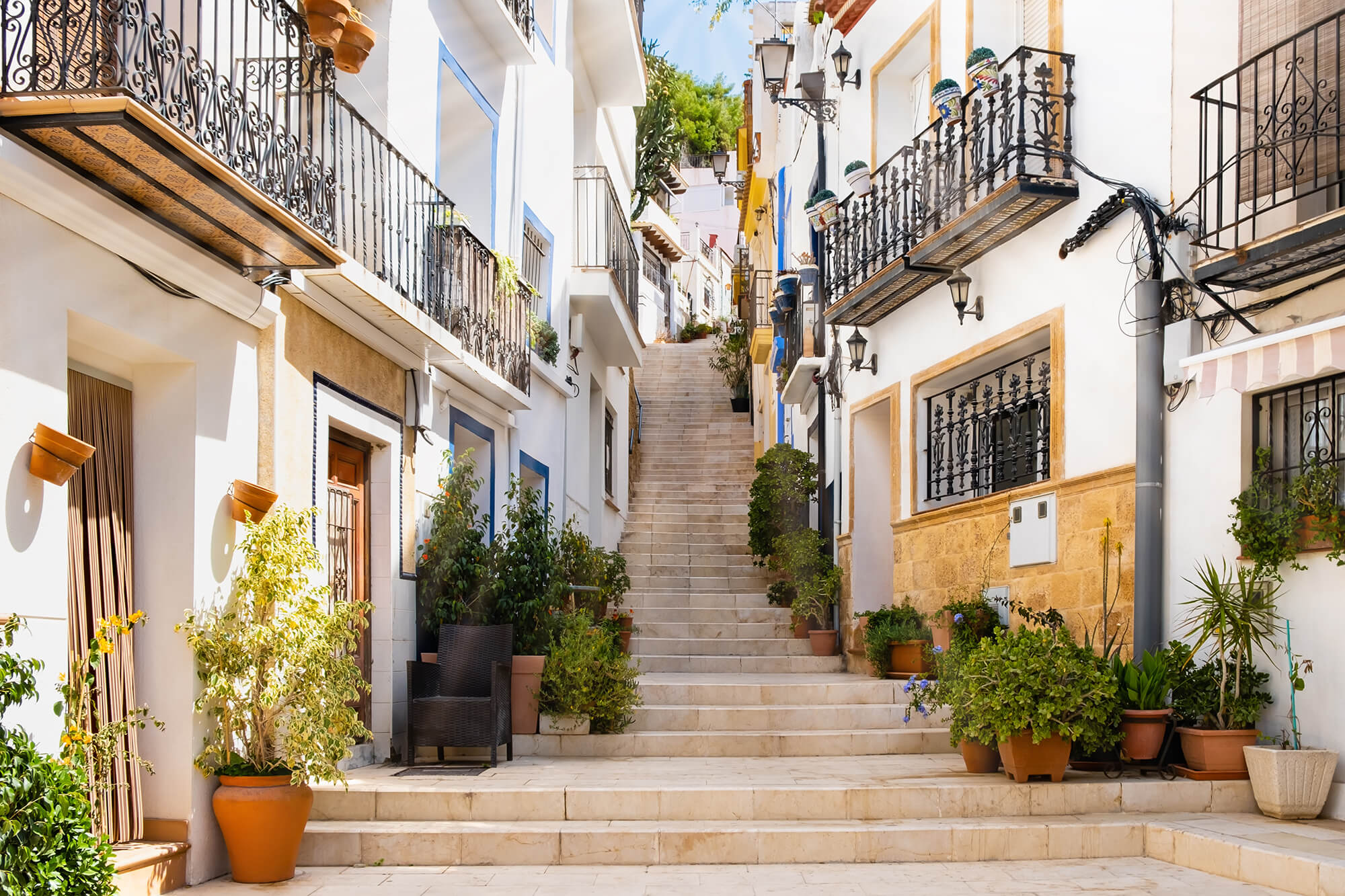
Alicante, Spain
Alicante works as a base rather than just a destination. The castle of Santa Barbara, standing 166 meters above the city on a bare rock, is visible from half the Costa Blanca. The Casco Antiguo Santa Cruz quarter has the labyrinthine charm of old Mediterranean towns without Dubrovnik's cruise-ship density.
Fly into Alicante-Elche (ALC) direct from London on British Airways or Iberia, or position through Madrid (MAD) from your US departure. Iberia's business class on the MAD transatlantic routes has improved — the Vantage XL seat is solid, and the food is genuinely good for an airline that doesn't always get credit for it.
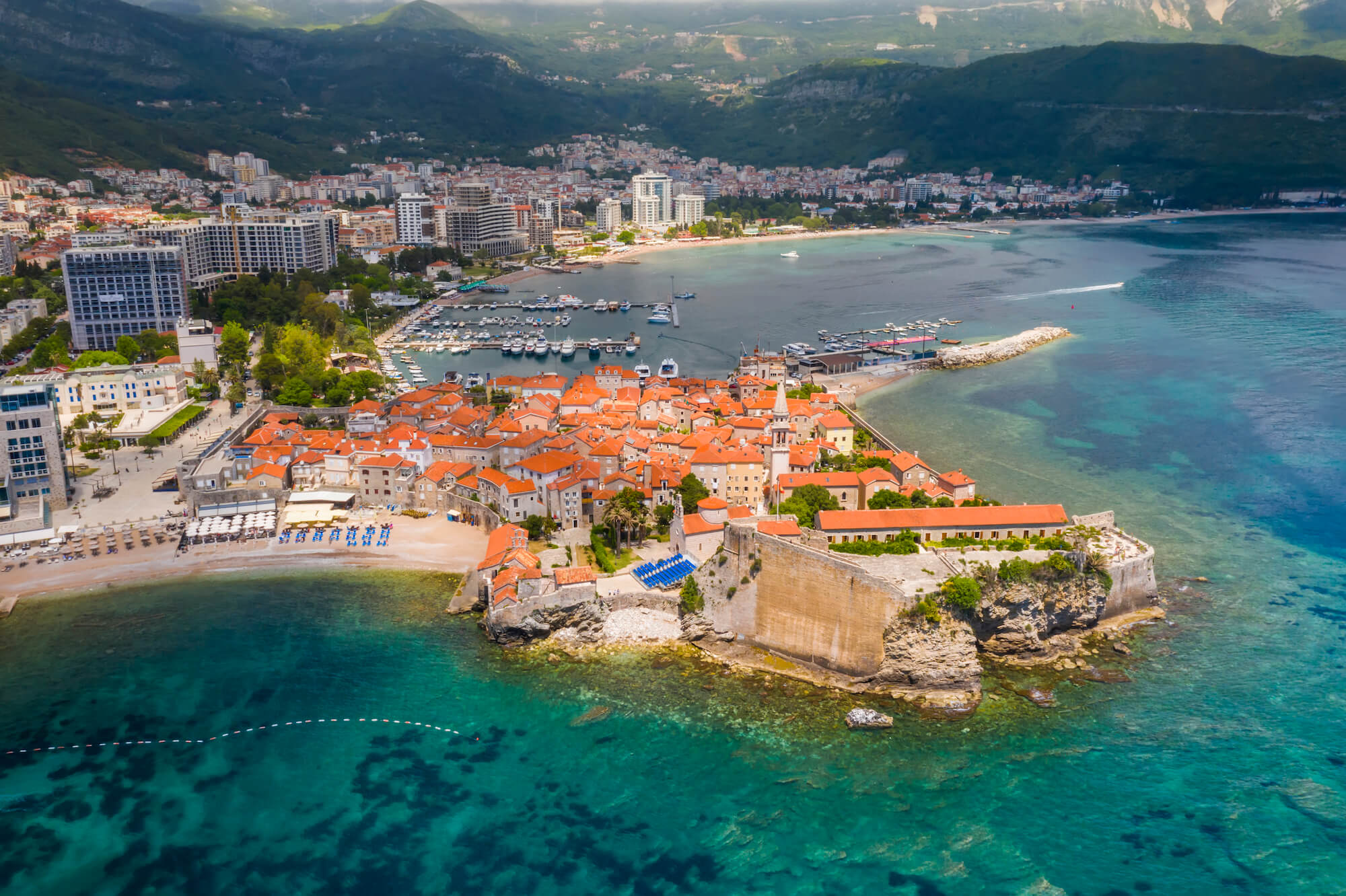
Budva, Montenegro
Montenegro is where savvy European luxury travelers have been going for the past decade. Budva's old town sits on a small peninsula jutting into the Adriatic, entirely enclosed by Venetian walls dating to the 15th century. The beaches south of town — Sveti Stefan most famously — are among the most visually striking in the region.
The Aman Sveti Stefan property on its own island just offshore is one of those hotels that justifies the airfare by itself. Rates run €1,500–€4,000 per night depending on the villa category, but the exclusivity is genuine — the island is hotel property only, accessible by private boat.
Fly into Tivat (TIV) or Podgorica (TGD) via Istanbul on Turkish Airlines. Turkish business class on widebody routes is consistently underrated — good flat beds, exceptional food, and the Istanbul lounge at IST is one of the genuinely great airport facilities anywhere in the world.
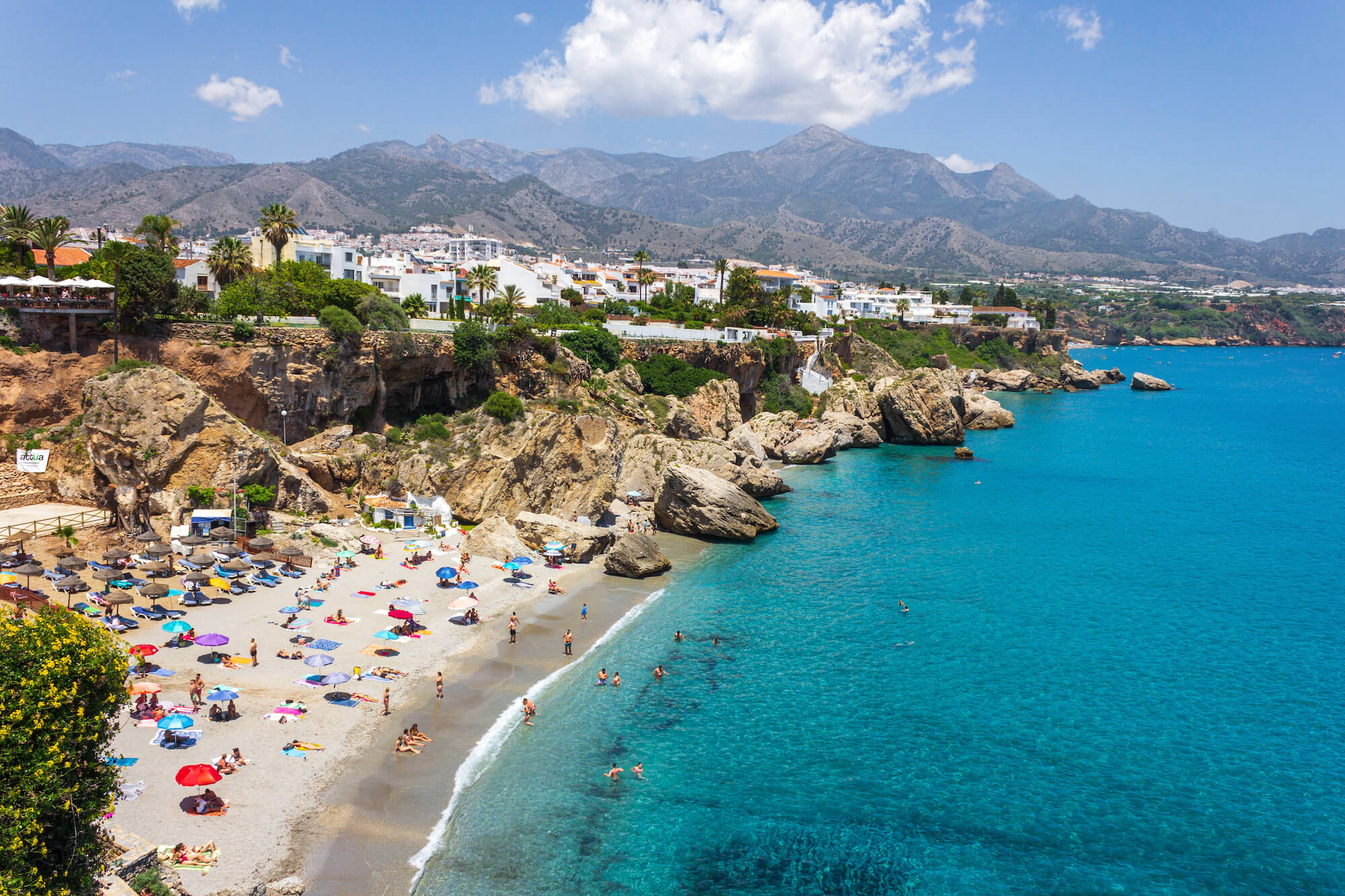
Nerja, Spain
Nerja sits on the Costa del Sol without any of that stretch's package-holiday baggage. The old town center is genuinely Andalusian — whitewashed, narrow, unhurried. The Balcón de Europa terrace has arguably the best casual sea view on the southern Spanish coast.
The famous caves — Cueva de Nerja — are worth two hours of your time. Five kilometers of prehistoric chambers with cave paintings dating back 42,000 years. The hotel scene is smaller than other destinations on this list, but Villa Flamenca and the Parador de Nerja both offer proper comfort.
Fly into Málaga (AGP). It's a 60km drive east.
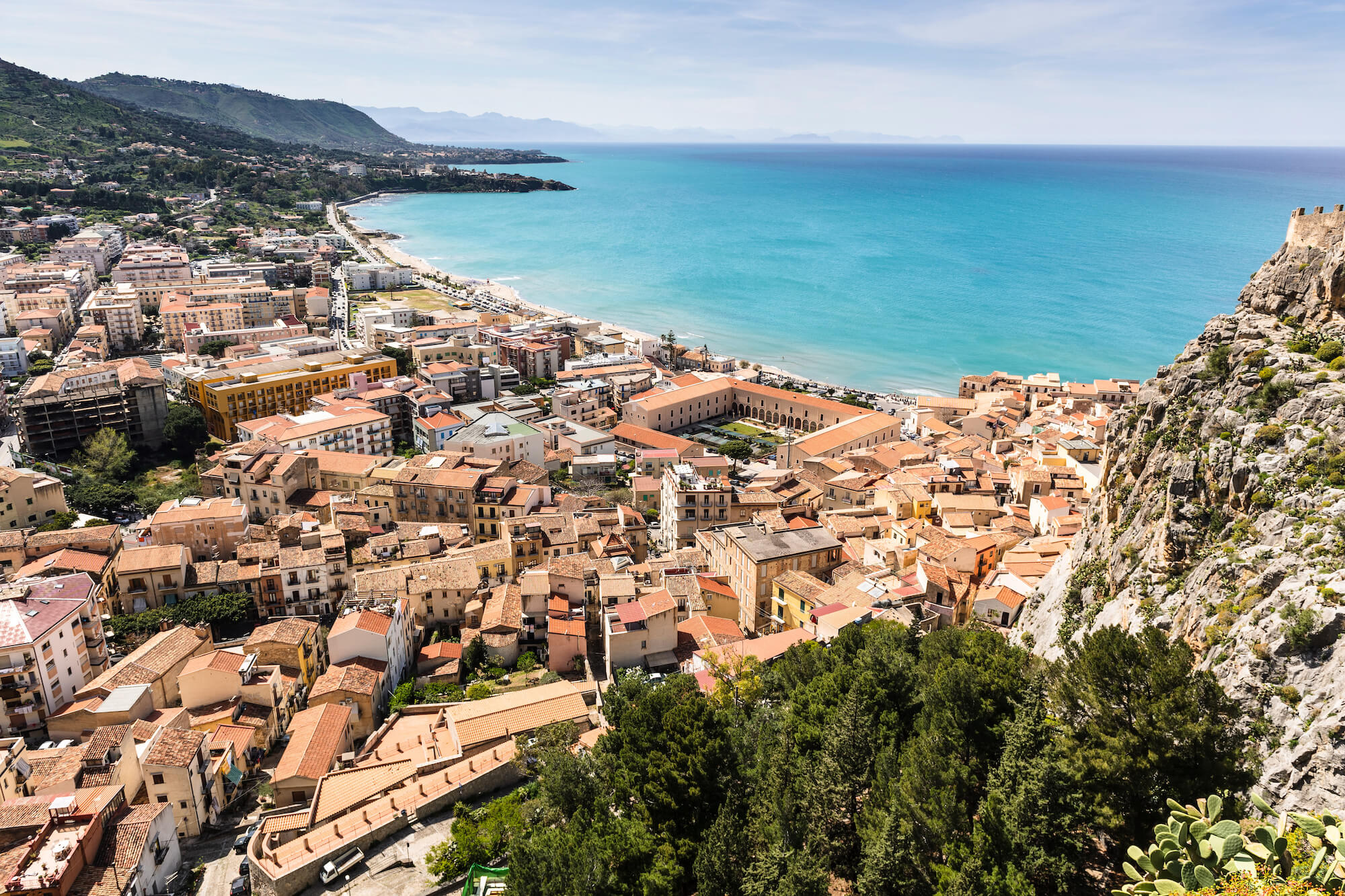
Cefalù, Sicily
Cefalù punches well above its size. The Norman cathedral, begun in 1131 by Roger II, dominates the skyline in a way that feels improbable for a town of 14,000 people. The historic centro is compact enough to walk in an afternoon, but the mosaics inside that cathedral — Byzantine-Norman, extraordinary condition — will stop you cold.
The beach directly in front of the old town is legitimately excellent. Stay at the Baia del Capitano or the Atelier Sul Mare (an art hotel, genuinely strange, genuinely interesting) and you're set.
Same routing as Taormina: fly into Palermo (PMO), 70km west on the A19.
Timing, pricing, and what CEOFLIGHTS can actually do for you
Late May and early September are the correct answers for the Mediterranean. The water is warm, the crowds haven't peaked, and the shoulder-season pricing on both hotels and flights reflects that reality.
Business class retail on US–Europe routes to these destinations runs $4,500–$12,000 depending on carrier, routing, and timing. Through our airline contracts, we regularly place clients on Qatar QSuite, United Polaris, and Air France Suite at 30–45% below published fares. CEOFLIGHTS is top rated on Trustpilot and is ASTA-accredited (member #900292735) — we've been doing this long enough to know which routing saves three hours and which "deal" leaves you misconnecting through a secondary airport with no lounge access.
Call (888) 851-6897 to discuss routing options for any destination on this list. We'll tell you which seats to request and which to avoid.