7 reasons Thailand belongs on every serious traveler's itinerary
Thailand rewards premium travelers like few destinations can — here's how to do it right, from BKK routing to the best suites in Phuket.
Olivia Brooks9 min read
Quick summary
Thailand delivers unbeatable luxury and cultural immersion, where five-star private pool villas cost $700–$900 per night compared to $1,800+ in destinations like the Maldives. Because all US-to-Bangkok flights require a connection, booking one-stop premium business class cabins (like Qatar QSuite via Doha) cuts retail fares of $4,800–$11,000 down to $2,800–$6,500. We recommend visiting between November and March and splitting your itinerary between Bangkok, northern culture in Chiang Mai, and southern island resorts.
Thailand doesn't need an introduction. It has been pulling in travelers from every corner of the world for decades, and for good reason — but the version most articles describe and the version you'll actually experience in a Cathay Pacific The Retreat suite or a private pool villa in Koh Samui are completely different trips.
This is the Thailand briefing for the traveler who just dropped $9,000 on a business class seat. Here's what the destination actually offers at that level, how to get there intelligently, and why it keeps earning repeat visits from people who could fly anywhere.
Getting there: the premium cabin routing question
No direct scheduled service runs from the US to Bangkok's Suvarnabhumi (BKK) — that's the first thing to know. Every routing involves a stop, which means your choice of connection matters as much as your choice of airline.
The three dominant one-stop options from the US East Coast are Qatar Airways via Doha (DOH), Emirates via Dubai (DXB), and EVA Air via Taipei (TPE). From the West Coast, Cathay Pacific via Hong Kong (HKG) becomes the standout choice, both for schedule and product quality. Thai Airways operates its own metal on the BKK-LAX routing via Seoul, though the aircraft and seat quality vary significantly depending on the equipment day.
Qatar's QSuite on the DOH-BKK leg is genuinely excellent — double-bed configuration, full door privacy, 21-inch width. The JFK-DOH QR2 flight pairs well with QR836 onward to Bangkok, giving you roughly 17 hours total travel time with a brief connection in one of the world's better transit airports. The Al Mourjan Business Lounge in Doha is worth the layover on its own.
Emirates' A380 business class on DXB-BKK is a step down in privacy from QSuite but still a serious product — flat-bed, good onboard bar service, and the Dubai connection means you land at BKK feeling rested rather than destroyed. EK's lounges in Terminal 3 Dubai are genuinely impressive, particularly the first class facility if you're traveling on a premium ticket.
From London, the routing options broaden. British Airways Club Suite on BA flights ex-LHR connects through to BKK either directly (the BA011 operates select seasons) or via a partner connection. The Club Suite — BA's current long-haul business product — offers direct aisle access for every seat, which makes a meaningful difference on a 10+ hour sector.
Retail business class fares on these routes run $4,800–$11,000 roundtrip depending on origin, season, and how far in advance you book. Through our airline contracts, CEOFLIGHTS regularly brings those numbers down to the $2,800–$6,500 range on the same metal. Call us at (888) 851-6897 — we're ASTA-accredited (member #900292735) and top rated on Trustpilot, and the savings on a Thailand routing typically justify a five-minute conversation.
1. Natural scenery that actually warrants a window seat
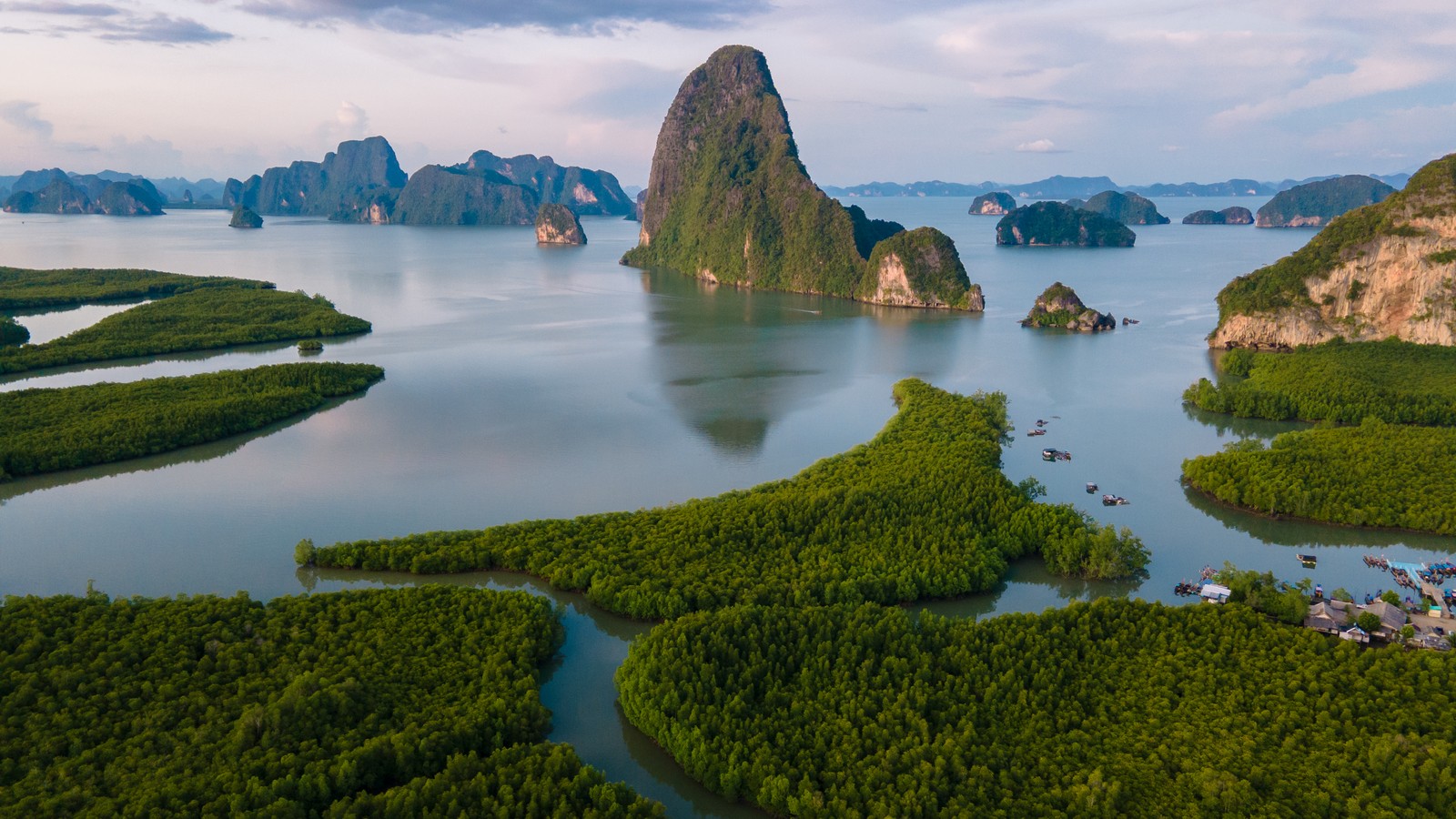
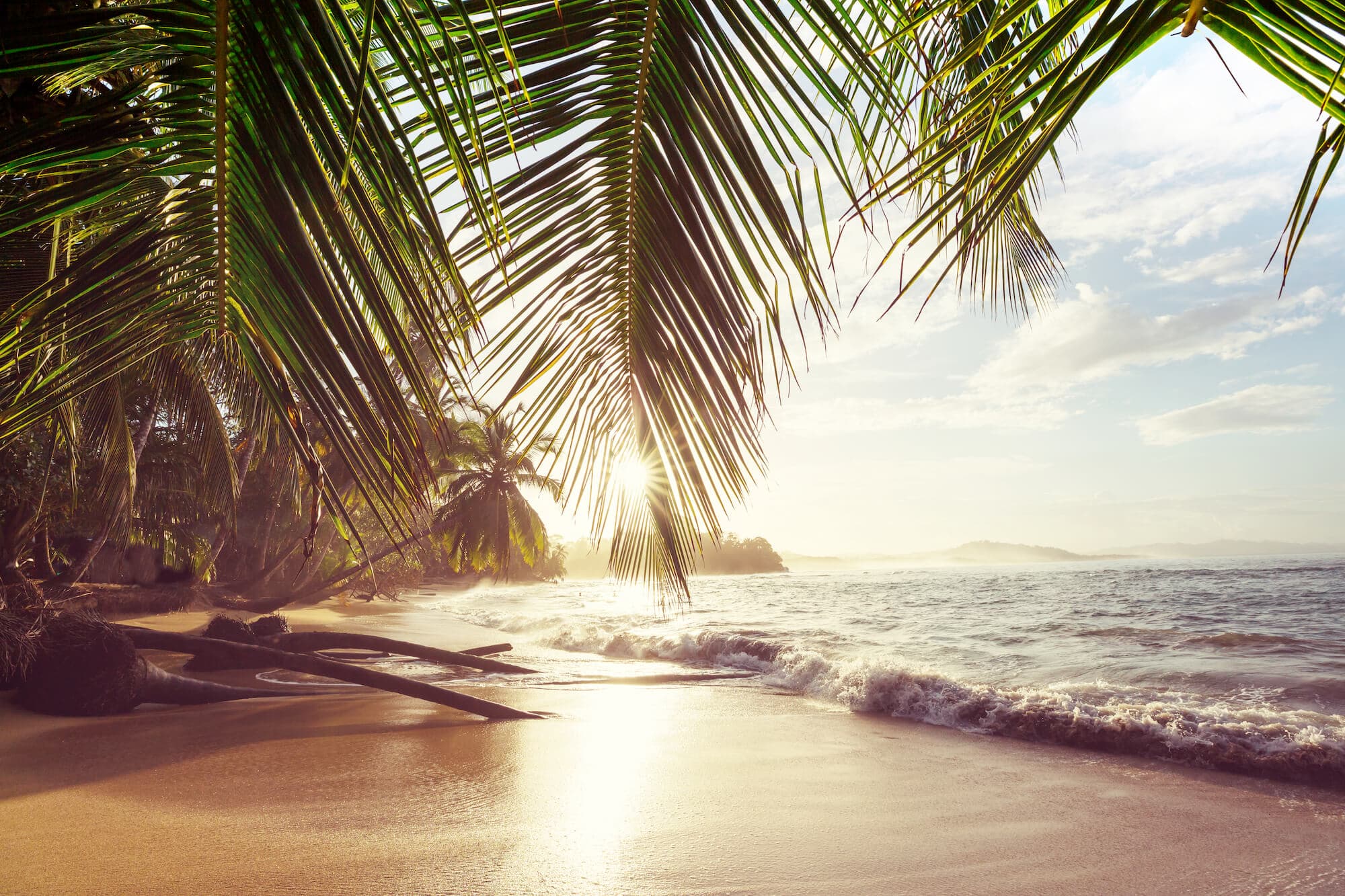
Southern Thailand's dramatically steep limestone karsts and emerald bays create some of the most visually arresting coastlines on the planet.
The south of Thailand — Phuket, Krabi, Koh Phi Phi — delivers the kind of scenery that makes people stop mid-sentence. Towering limestone karsts rising straight out of turquoise water, longtail boats cutting through emerald bays, beaches backed by jungle rather than condos. It's legitimately one of the most visually dramatic coastlines in the world.
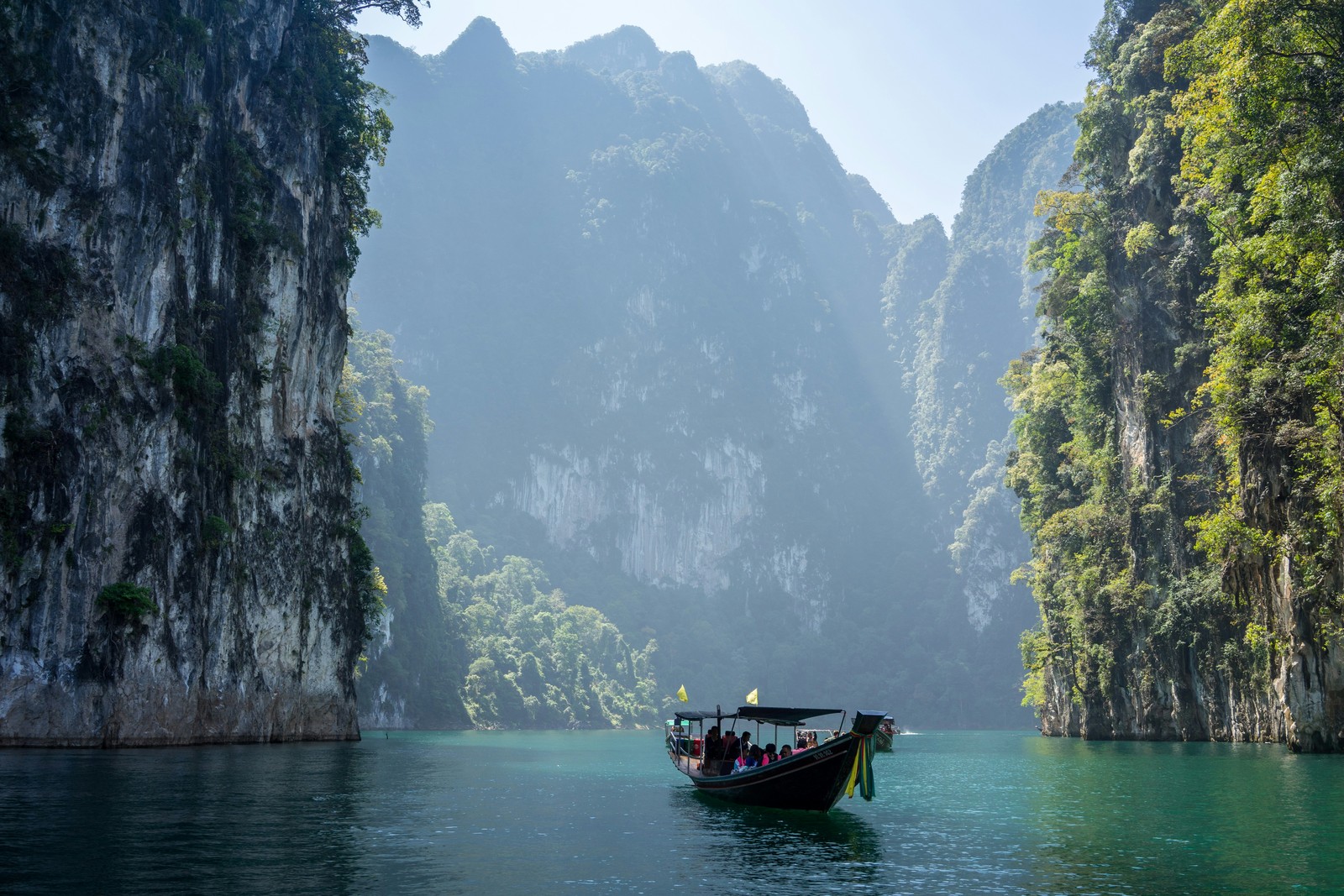
Khao Sok National Park is less discussed but shouldn't be. Overnight lake stays on Cheow Lan Reservoir, surrounded by forest and cliffs with almost no other development visible, rank among the more surreal experiences in Southeast Asia.
Overnight lake stays on Cheow Lan Reservoir offer a rare, deeply secluded experience far removed from standard beach itineraries.
The north is a different country entirely. Chiang Mai operates at a slower frequency — cool mountain air, valleys terraced with rice fields, fog sitting in the hills at dawn. Pai, two hours further north, strips things back even further. If your Thailand trip only covers Bangkok and beaches, you've missed half the country.
2. Culture that rewards attention
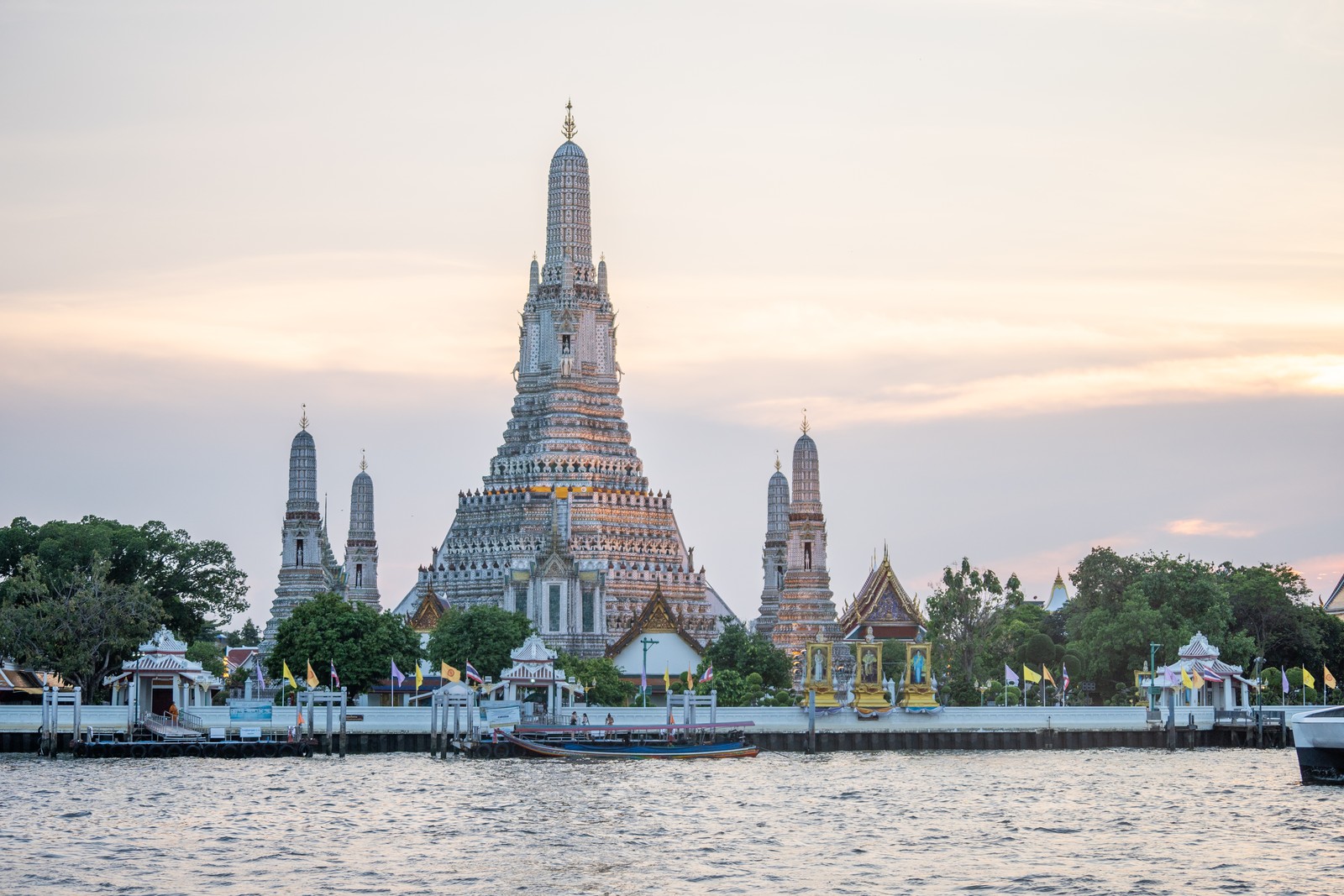
Bangkok's gilded temples like Wat Arun demand attention, particularly at dusk when the Chao Phraya river takes on a unique late-afternoon quality.
Bangkok's Wat Phra Kaew and the Grand Palace are on every itinerary for good reason. The scale, the gilded detail, the sheer density of artistry in a single compound — it earns its crowds. Go early (opening is 8:30 AM) before the heat and the tour groups stack up.
Wat Arun across the river is better at dusk. The spires catch the light differently at that hour, and the Chao Phraya itself has a particular quality in the late afternoon that photographs cannot fully capture.
Beyond Bangkok, Ayutthaya deserves a full day rather than a rushed half-day excursion. The ruined temple complexes here were once part of one of Asia's wealthiest cities — the scale of what remains makes clear just how significant that was. Sukhothai, further north, is quieter and more atmospheric, particularly on a weekday morning when you can walk the grounds without another tour group in sight.
3. Food that punches harder than anywhere else in the region
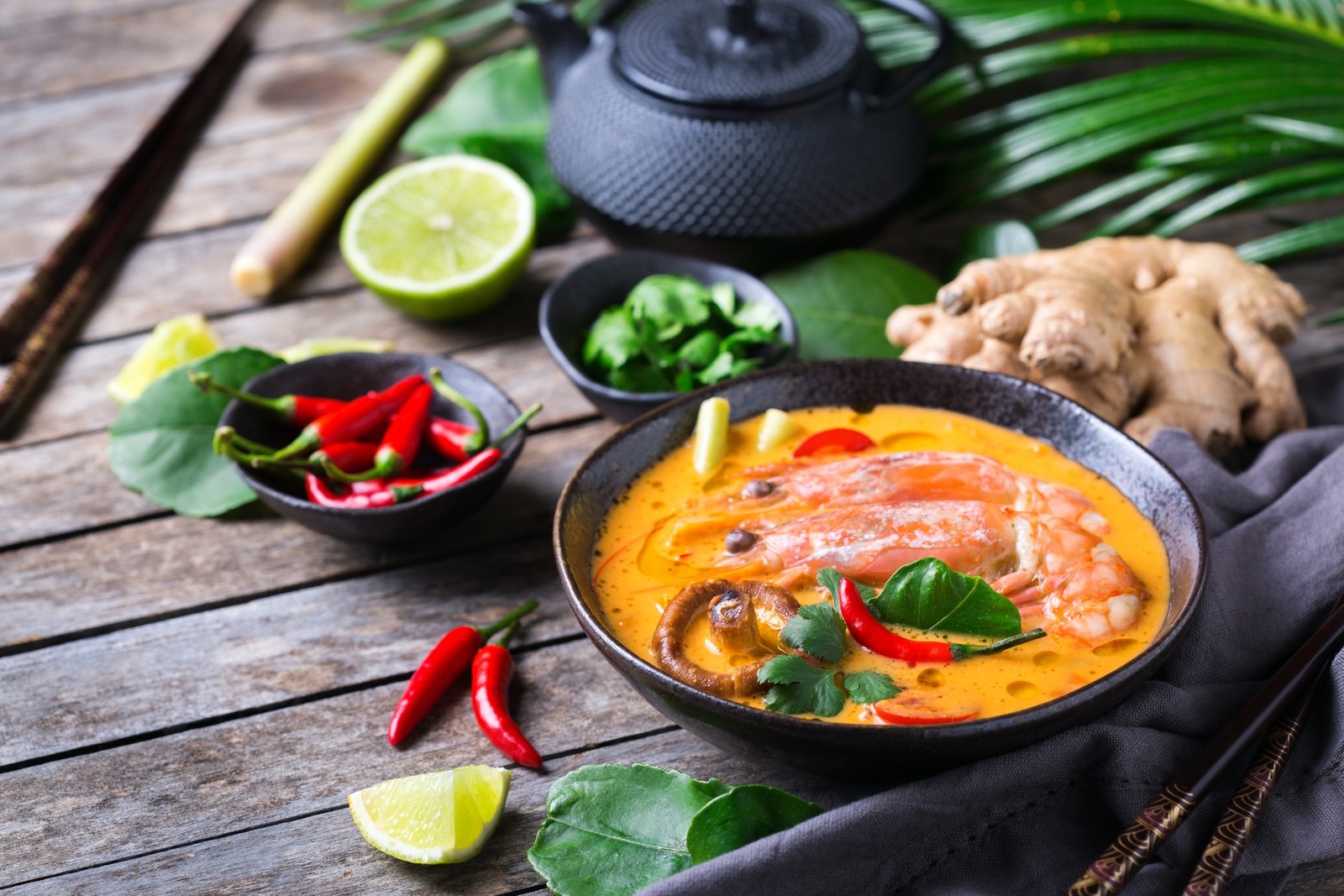
The technical sophistication of Thai street food, balancing heat and umami in a single bowl of Tom Yum Goong, easily outperforms fine dining at ten times the price.
Thai cuisine's reputation is fully deserved and frequently undersold. The balance of heat, acidity, sweetness, and umami across even a street-side bowl of Tom Yum Goong — lemongrass, kaffir lime, galangal, bird chilies — is more technically sophisticated than most fine dining manages at ten times the price.
Pad Thai is the entry point. Som Tum, green papaya salad with dried shrimp and palm sugar, is where things get interesting. Green curry with proper fresh coconut milk tastes nothing like the jarred version you've had elsewhere. Mango sticky rice, finished with a drizzle of sweetened coconut cream and toasted sesame, is one of the genuinely great desserts in world cuisine.
Chinatown in Bangkok (Yaowarat Road) after dark, the Night Bazaar in Chiang Mai, the seafood operations along Phuket's Rawai Beach — these are not tourist approximations. They are the real thing.
4. Luxury accommodation that outperforms its price
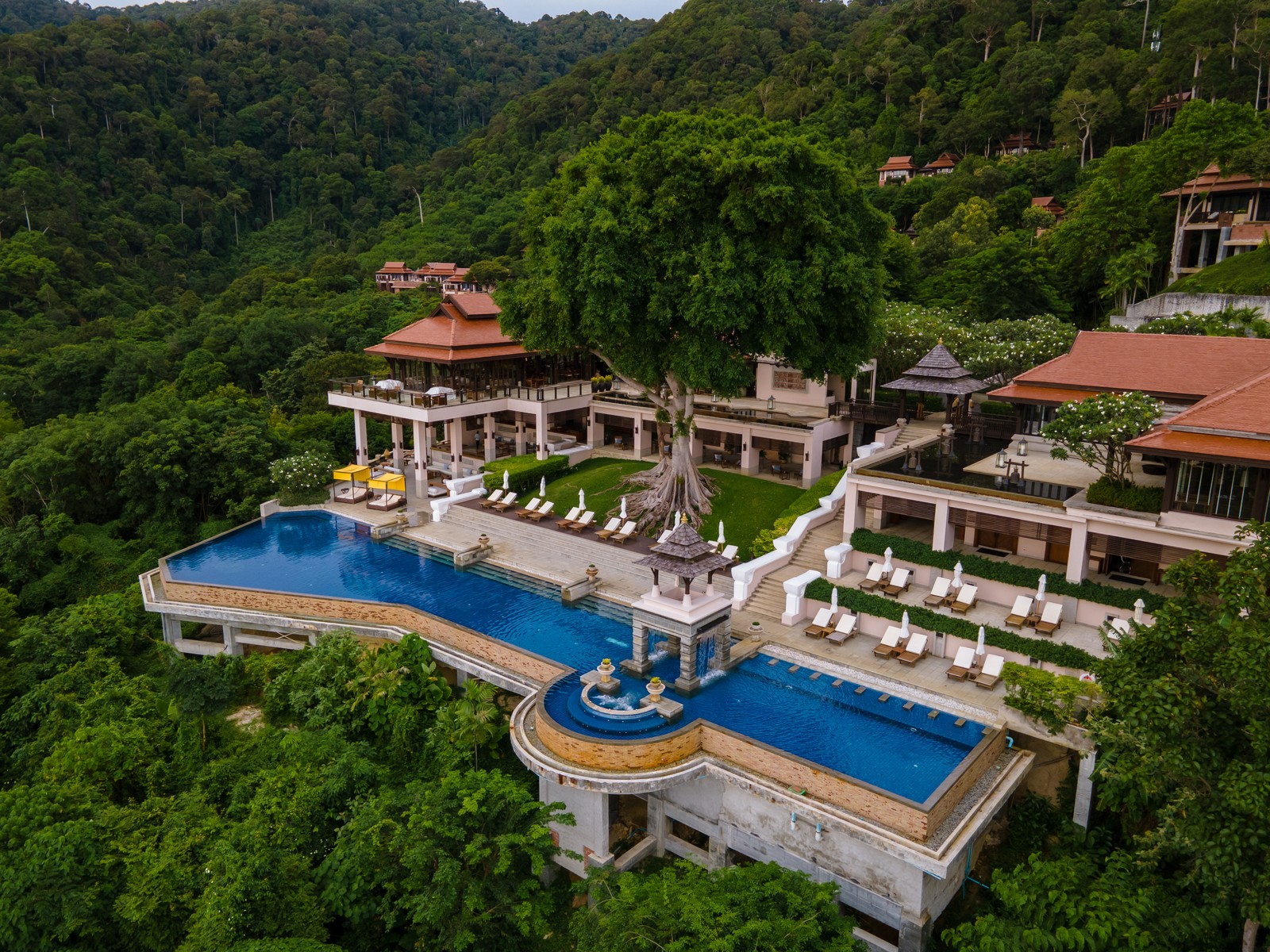
Thailand offers a level of world-class infrastructure and private villa accommodations that frequently cost a fraction of comparable properties in Europe.
Thailand offers a category of resort that exists almost nowhere else: genuinely world-class infrastructure — private pool, butler service, architecture that integrates the landscape rather than imposing on it — at prices that would buy you a midrange hotel room in London or New York.
The Rosewood Bangkok, the Capella in the city, Amanpuri in Phuket, Four Seasons Koh Samui — these are not budget compromises. They compete directly with the best properties in Europe or the Maldives on product quality and frequently win on value. A pool villa at the Four Seasons Koh Samui that would run $1,800 per night in the Maldives often comes in at $700–$900 in Thailand.
That differential matters when you're planning a two-week trip.
5. The people — and what that actually means in practice
Thailand's reputation as the Land of Smiles is a cliché because it's accurate. The hospitality here isn't performative — it's embedded in the culture in a way that becomes noticeable in contrast when you travel elsewhere afterward.
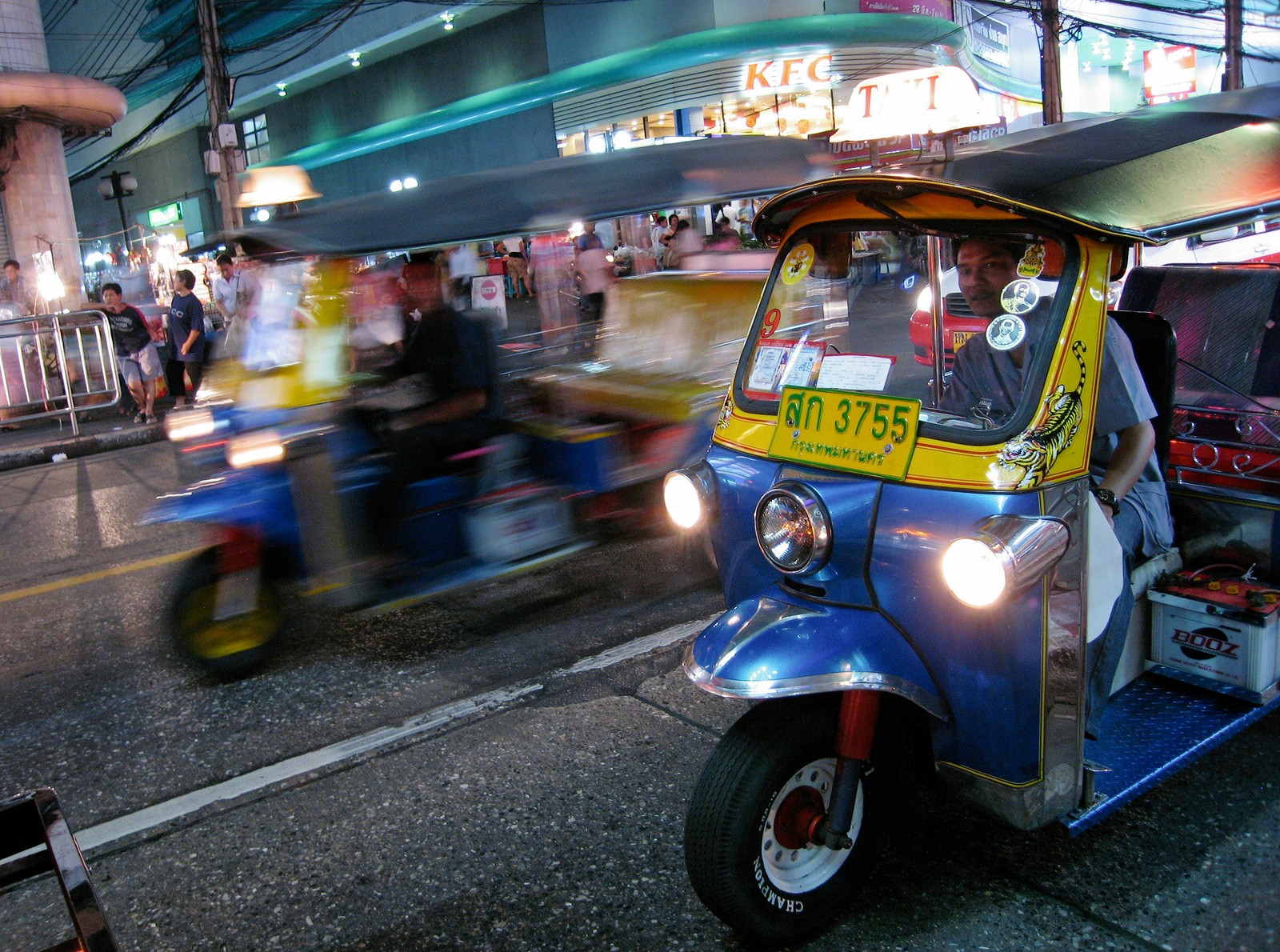
What this translates to practically: Bangkok is one of the safest large cities in Southeast Asia for independent travel. Navigating the city at night, taking a tuk-tuk across town, eating at a street stall alone — none of this carries the low-grade anxiety it might in comparable cities in the region. That's worth something when you're traveling on a tight schedule with no margin for complications.
6. Adventure — proper adventure, not just excursions
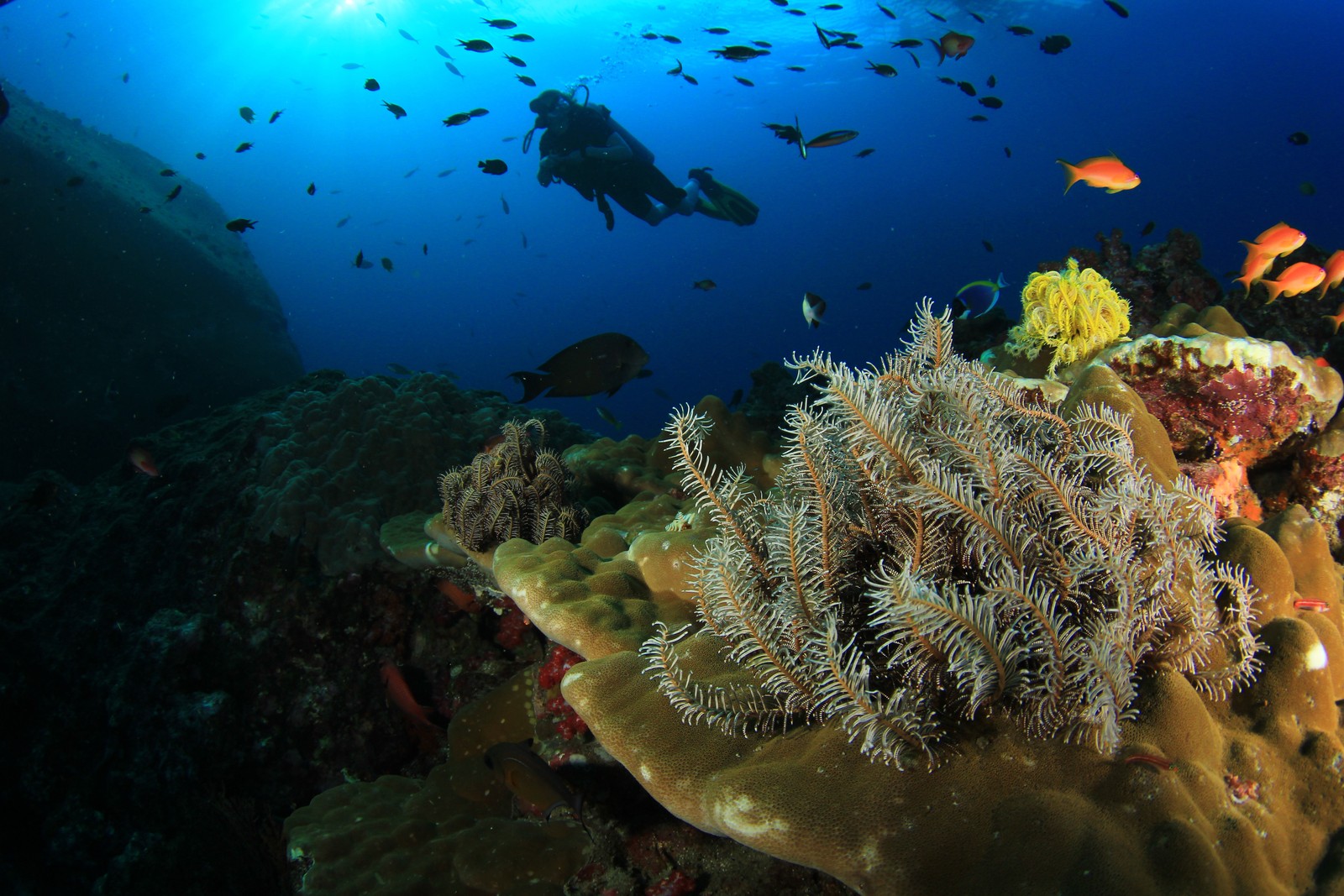
Koh Tao provides exceptional scuba diving with 30-meter visibility and frequent whale shark sightings, cementing Thailand's status as a top adventure hub.
Koh Tao sits at the northern end of the Gulf of Thailand and hosts some of the best beginner and intermediate scuba diving in the world. Visibility regularly hits 20–30 meters, and the marine life — whale sharks included, if you're timing your visit right — is extraordinary. PADI certification courses here are a fraction of the cost you'd pay at a Western dive shop.
Phang Nga Bay's sea kayaking is the opposite of adrenaline but equally memorable — silent, calm water, paddling into caves and through mangrove channels that open suddenly into hidden lagoons.
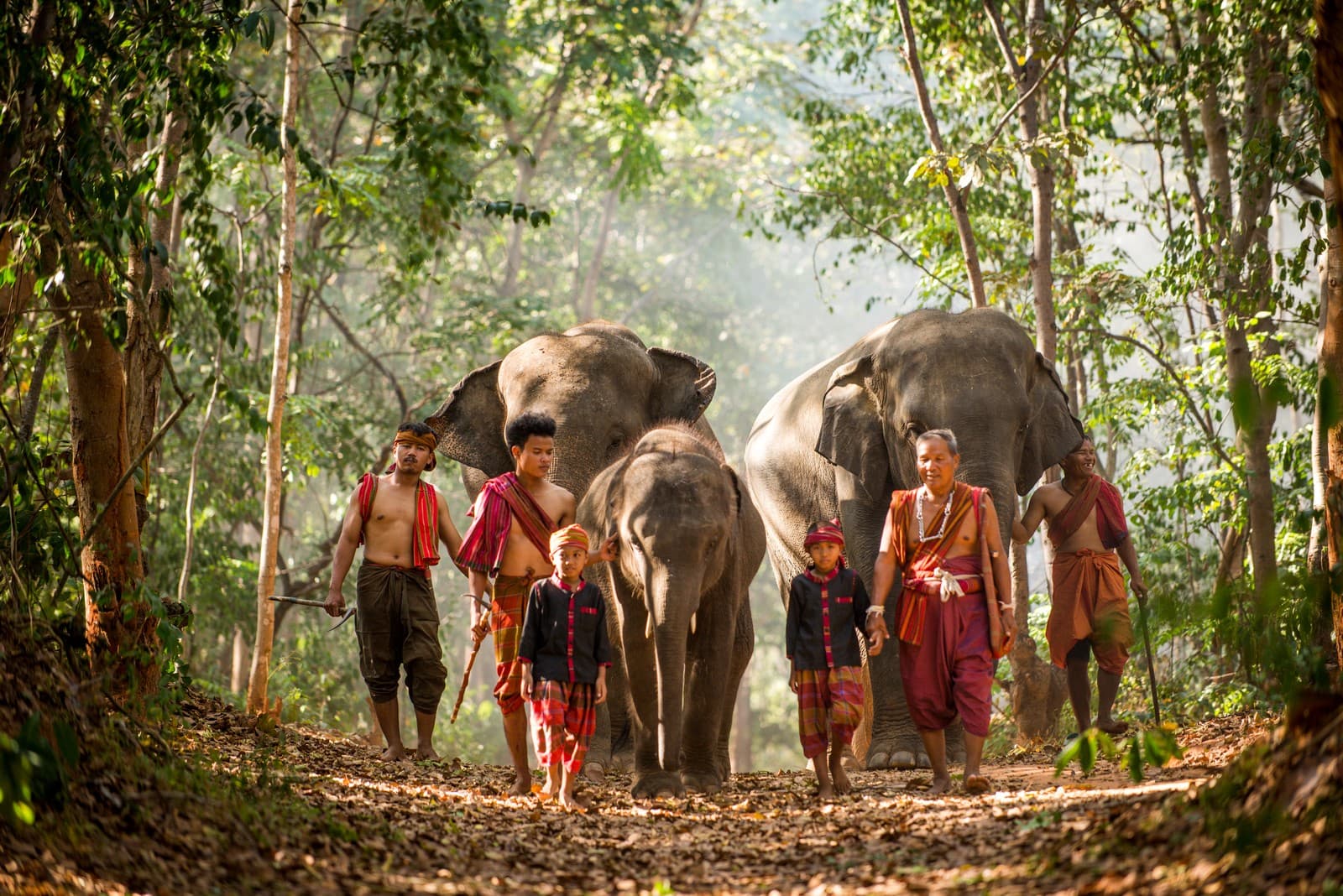
Chiang Mai remains the base for northern adventure: jungle trekking, white-water rafting on the Mae Taeng River, and — if you research carefully and choose an ethical operator — time spent with elephants in a sanctuary context rather than a performance one.
7. Wellness at an actual world-class level
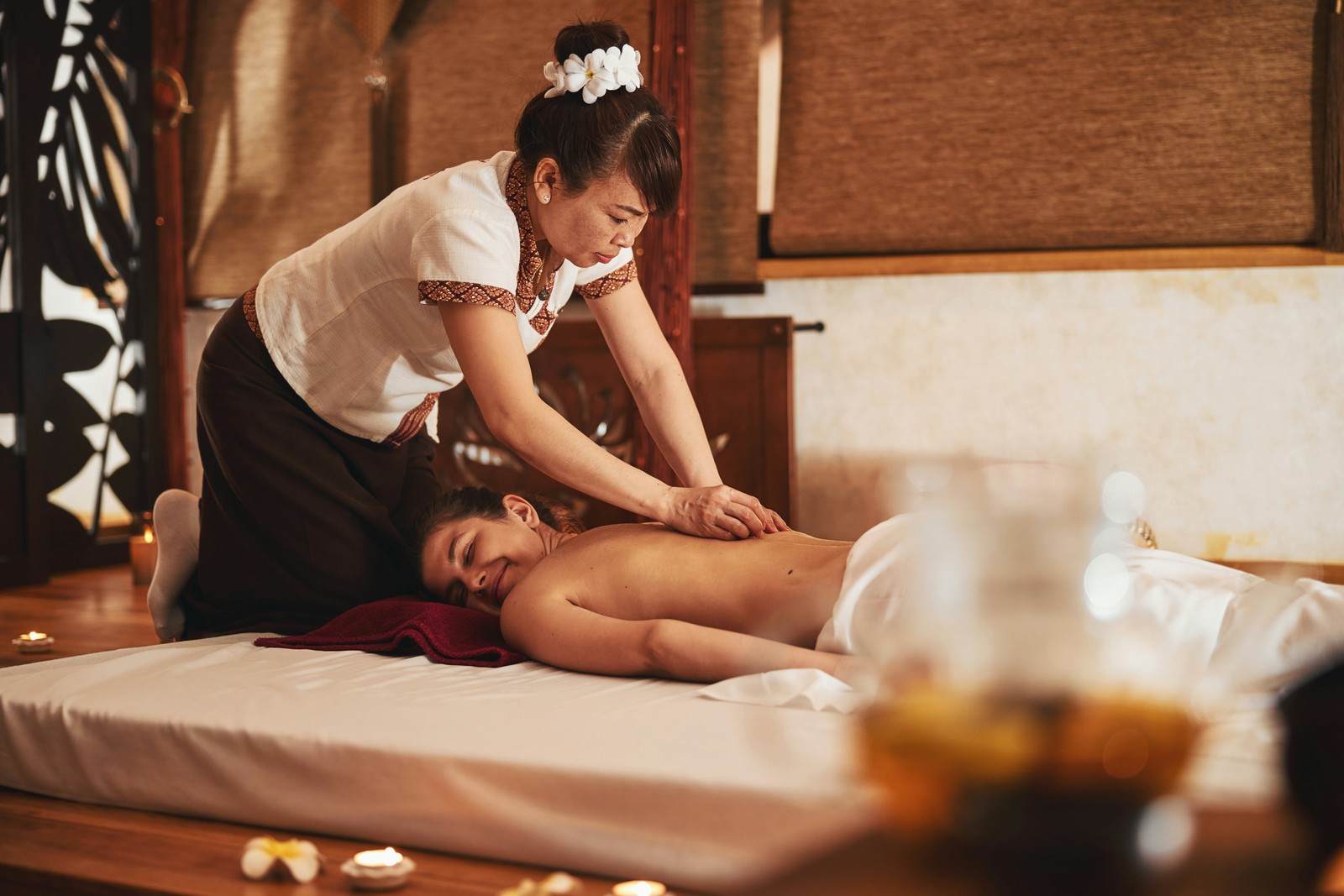
Traditional Thai massage is a serious therapeutic practice, offering restorative benefits that go far beyond standard resort spa treatments.
Traditional Thai massage is a therapeutic practice, not just a spa offering. Two hours at a reputable practitioner in Chiang Mai or Bangkok — not a tourist street shop — is a different experience from anything you'll find in a Western wellness facility, and it costs roughly $20.
At the resort end of the spectrum, properties like Kamalaya on Koh Samui operate genuine wellness programs — integrative health assessments, detox protocols, yoga teacher-level instruction — that attract executives specifically because the programs are structured and serious rather than aspirational.
Properties like Kamalaya elevate wellness into structured, intensive health assessments rather than just aspirational lifestyle offerings.
Koh Phangan hosts an established community of long-stay wellness travelers, with meditation retreats, breathwork facilitators, and yoga programs that range from drop-in morning sessions to 10-day silent retreats. This is not the Full Moon Party crowd. These are separate ecosystems on the same island.
The case for booking now
Thailand works in every season if you understand the geography — the east and west coasts of the south operate on different monsoon patterns, which means somewhere is always in good condition. November through March is peak quality across most of the country.
Business class seats on the best-routing airlines fill early for the high season. If you're planning a trip between November and February, the conversation with a consolidator should be happening now, not in October.
Call CEOFLIGHTS at (888) 851-6897. Tell us your origin city, your travel window, and how much you care about lie-flat versus QSuite-level privacy. We'll find you the routing that earns the destination.
Content creator and business travel specialist at CEOFLIGHTS, bringing you the latest insights, tips, and trends in premium business and first-class travel.
Become the CEO of Your Journey
You take the lead. Your dedicated Personal Travel Manager handles every detail.