Quick summary
Prioritize flights with ANA's "The Room", JAL's Safran Unity, or Qatar's QSuite to ensure optimal space, privacy, and modern technology. Choosing the right seat layout for your body type and booking through consolidators can drop a standard $8,400 QSuite fare down to just $4,100.
Best business class seats and cabin layouts — a seat-by-seat comparison
I once sat in seat 11A on a British Airways 787-10 to Austin and spent forty minutes just moving my legs around, marveling at how much room I had compared to the seat I'd flown three days earlier on a different carrier's A330. Same cabin class. Same fare bucket, roughly. Wildly different experience. That gap — between what airlines call "business class" and what business class actually delivers — is the entire reason this comparison exists.
Most seat rankings you'll find online are written by people who've looked at press photos. I've flown these seats. Reverse herringbone on four continents, Qsuite a dozen times, ANA's "The Room" on the actual 777-300ER it was built for. What follows isn't a popularity contest — it's a breakdown of the seat families that dominate today's widebody fleets, which specific products within each family are worth paying for, and which ones I'd avoid even at a steep discount.
What actually makes a business class seat good
Forget the marketing copy for a second. A great seat comes down to a short list of things that matter every single time you fly it.
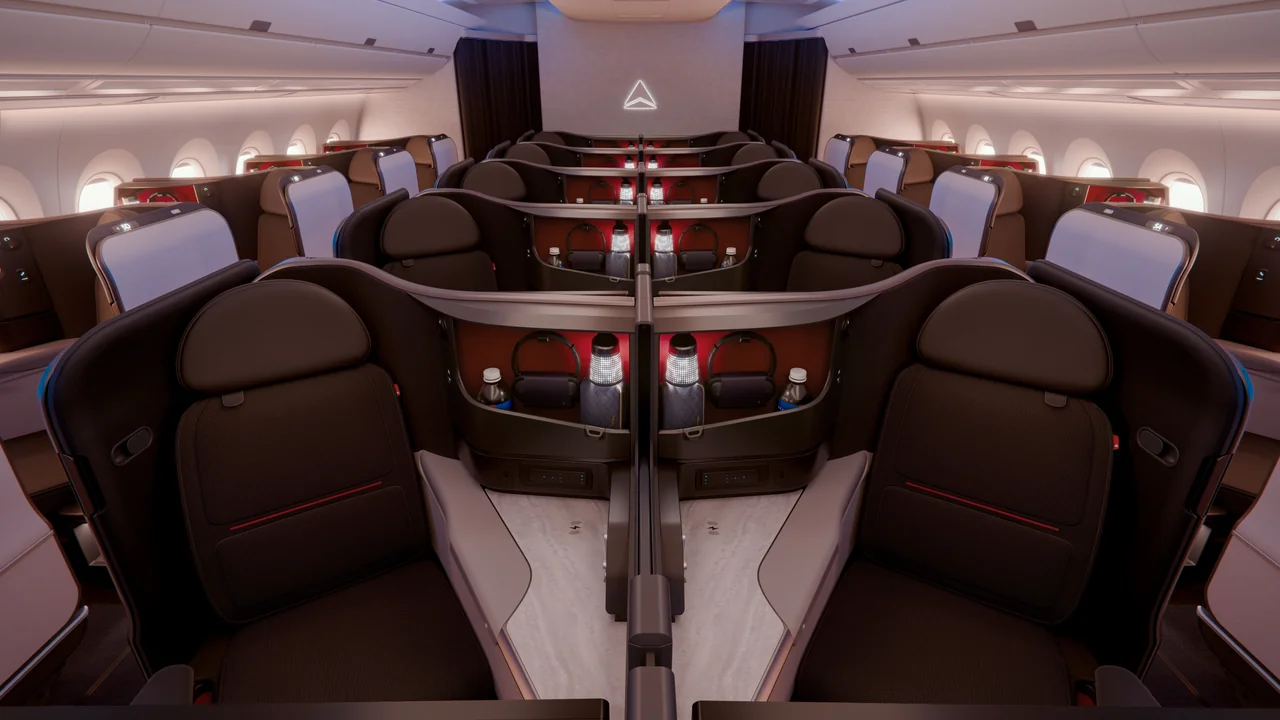
The sleeping surface. This is the whole point of business class. A seat that reclines to 180 degrees but tapers to eleven inches at the footwell is not a flat bed — it's a wedge with delusions. I've had to sleep diagonally in seats that looked spectacular in the brochure.
Privacy. Some people don't care. I care enormously. Sleeping next to a stranger on the ground is awkward; at 39,000 feet it's somehow worse. Given the choice, I always take the seat with more separation, even if it costs me a slightly smaller entertainment screen.
Design details that suggest someone who's actually flown the seat. Where's the tray table stowed? Can you reach the reading light without unbuckling? Is the storage bin big enough for a laptop bag or just a phone and a pen? A shocking number of seats fail this test.
Flexibility for how you're actually traveling. Solo executives want a cocoon. Couples want to face each other or at least talk without craning their necks. Families want to bunch seats together. The best cabins let you choose.
Technology that doesn't feel like 2014. Bluetooth audio, multiple high-speed USB-C ports, wireless charging pads, screens that don't take three seconds to register a tap.
Individual air vents. Small thing, huge impact. Cabins run warm, and a personal nozzle is often the difference between actually sleeping and lying there sweating under a duvet.
A fully flat bed with direct aisle access from most seats is table stakes at this point. Anything less doesn't belong in this conversation.
The four seat families you'll actually encounter
Before ranking individual products, it helps to understand the underlying architecture. Nearly every business class seat flying today falls into one of four families.
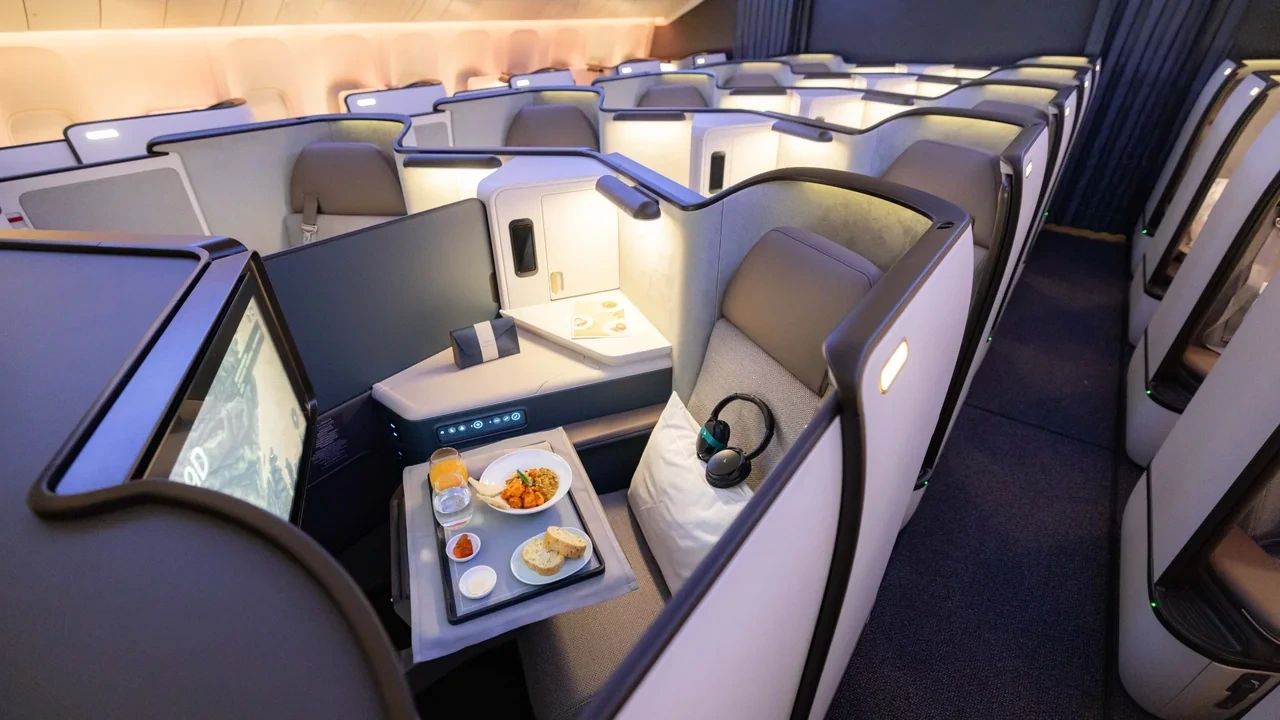
Herringbone. Seats angle toward the windows, away from the aisle. This was revolutionary when Virgin Atlantic and Cathay Pacific pioneered it in the early 2000s, giving every passenger direct aisle access for the first time. The downside: you sleep at an angle, and window seats can feel slightly exposed since you're facing the cabin wall rather than tucked into a shell.
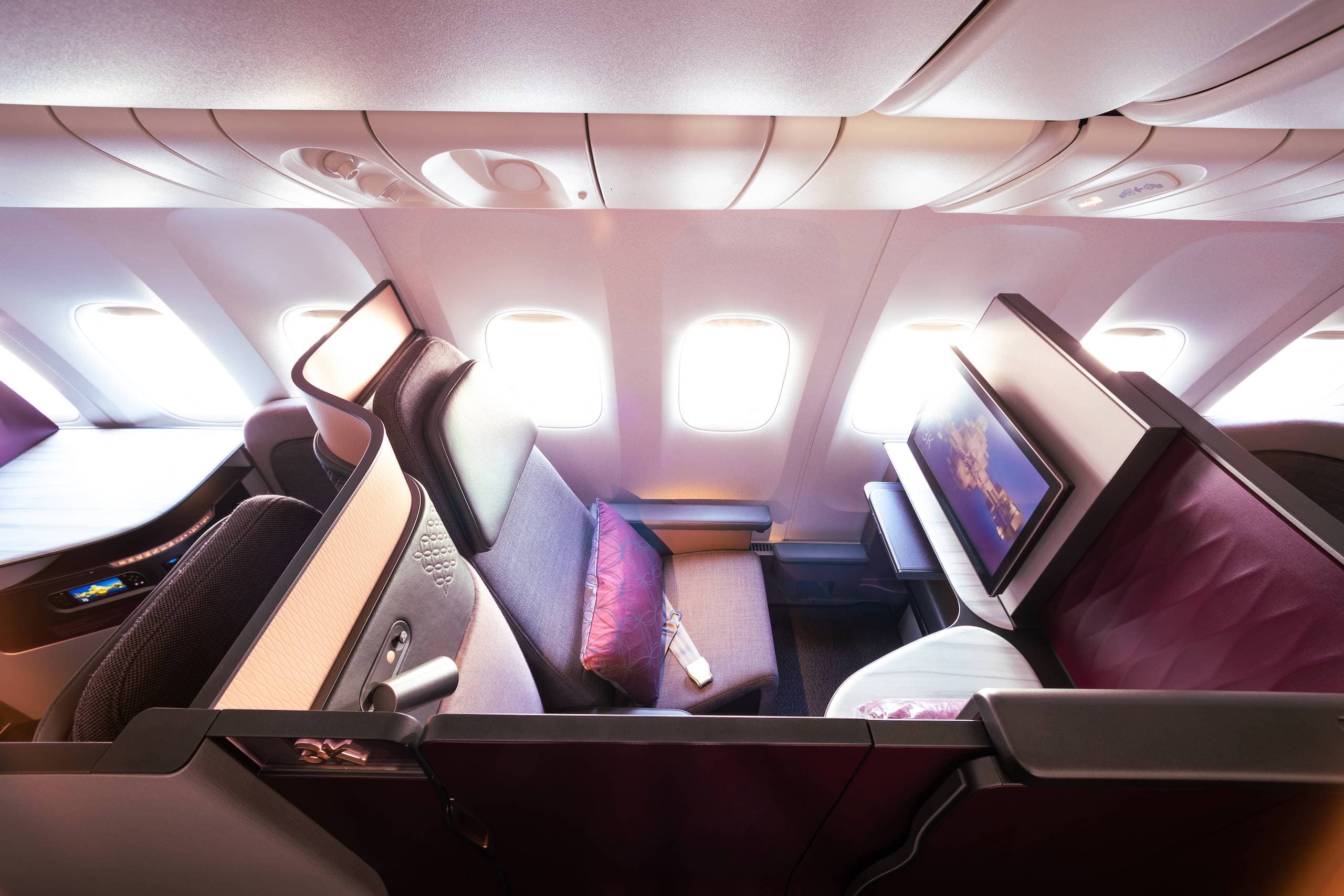
Reverse herringbone. The seat angles toward the aisle instead, with your feet tucked toward the window. This is now the dominant configuration in premium business class cabins worldwide — think Cathay Pacific, American Airlines, Air Canada, Delta One. Every seat is essentially identical, there are no meaningfully "bad" seats in the cabin, and window seats get genuine privacy since your feet point toward a real shell. The trade-off: it's a terrible layout for couples, since even the middle seats are heavily partitioned.
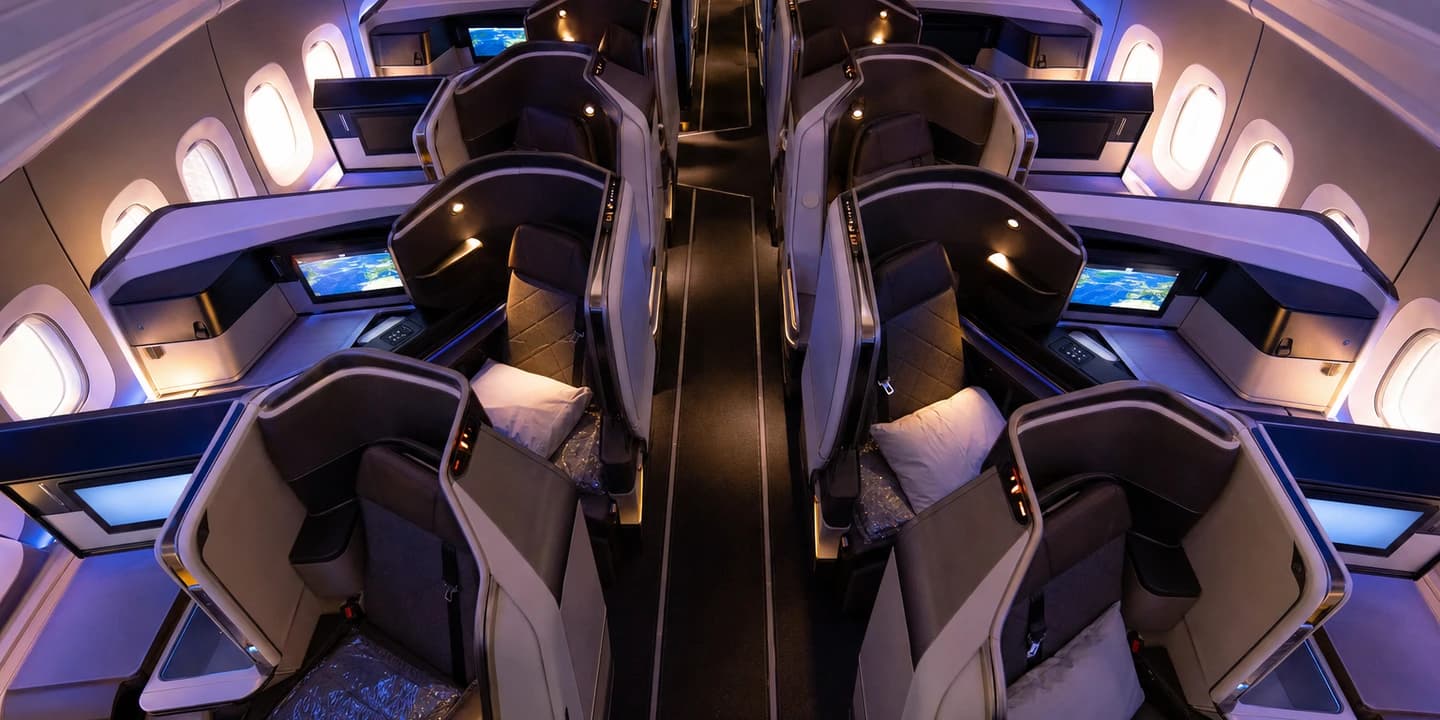
Staggered. Seats alternate between positions closer to the aisle and closer to the window, row by row, which lets airlines pack in more width variation and often results in bigger footwells for half the cabin. Qatar Airways' Qsuite, ANA's The Room, and the newer Safran Unity and Collins Elements products all use variations of this staggered logic married with suite doors.
Thompson Vantage / Vantage XL. A herringbone-adjacent design used widely by United, JetBlue, and others, known for a slightly awkward footwell shape on the standard Vantage, improved considerably on the Vantage XL. It's a perfectly reasonable seat, but it rarely wins outright comparisons against reverse herringbone or the best staggered suites.
Knowing which family you're booking tells you almost everything about how the flight will feel, regardless of livery.
The seats worth booking around
Here's my ranked take on the specific products worth chasing, and where to find them.
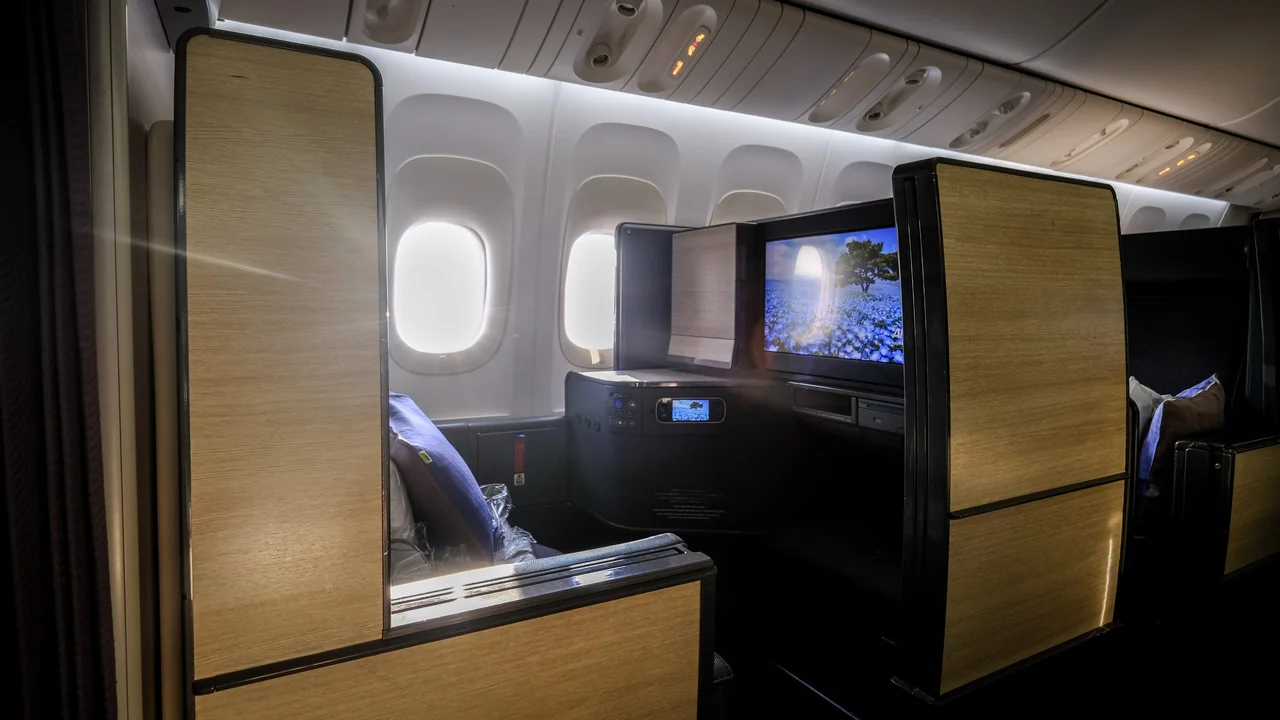
1. ANA "The Room" — the benchmark
ANA introduced this suite in 2019 and nothing has topped it since. Each seat has a door, the suite itself is enormous, and the personal space rivals first class on other carriers. It genuinely outclasses Qatar's Qsuite on hard product alone, which is a sentence I didn't expect to write a few years ago. You'll find it exclusively on select ANA 777-300ERs, with a modified version coming to select 787s. Nobody else flies this seat.
2. Japan Airlines' Safran Unity — the new benchmark for tech
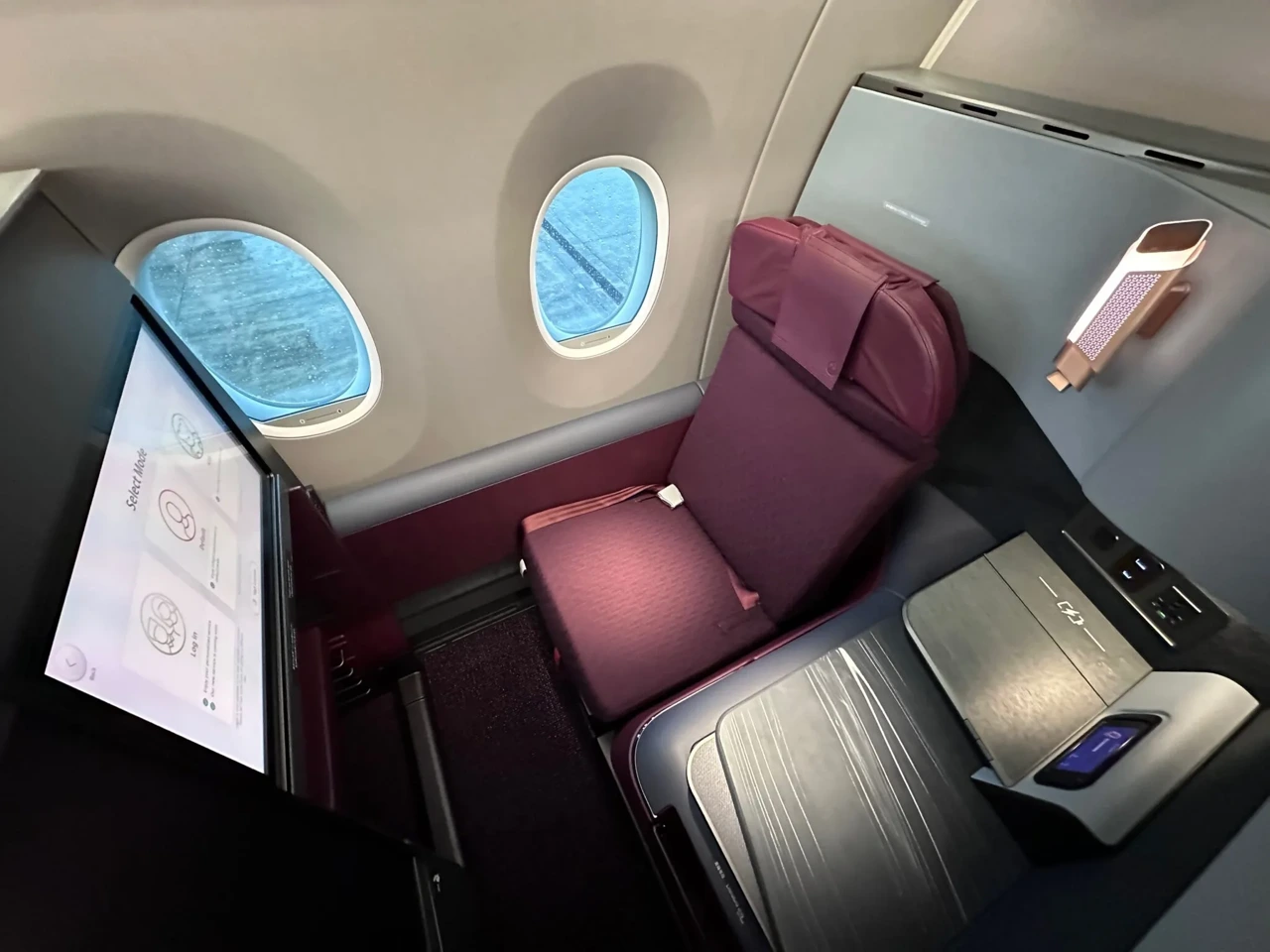
Japan Airlines launched the Safran Unity seat, and it's the most complete business class product introduced in recent memory. It's staggered, spacious, loaded with storage, and the tech is genuinely current — Bluetooth audio pairing, wireless charging, the works. It's not quite as vast as ANA's suite, but the soft product and technology are noticeably better, which makes this one of my favorite ways to cross the Pacific right now. Currently on all JAL A350-1000s, with Air India and Qantas A350s expected to carry it eventually.
3. Collins Aerospace Elements — reverse herringbone, evolved
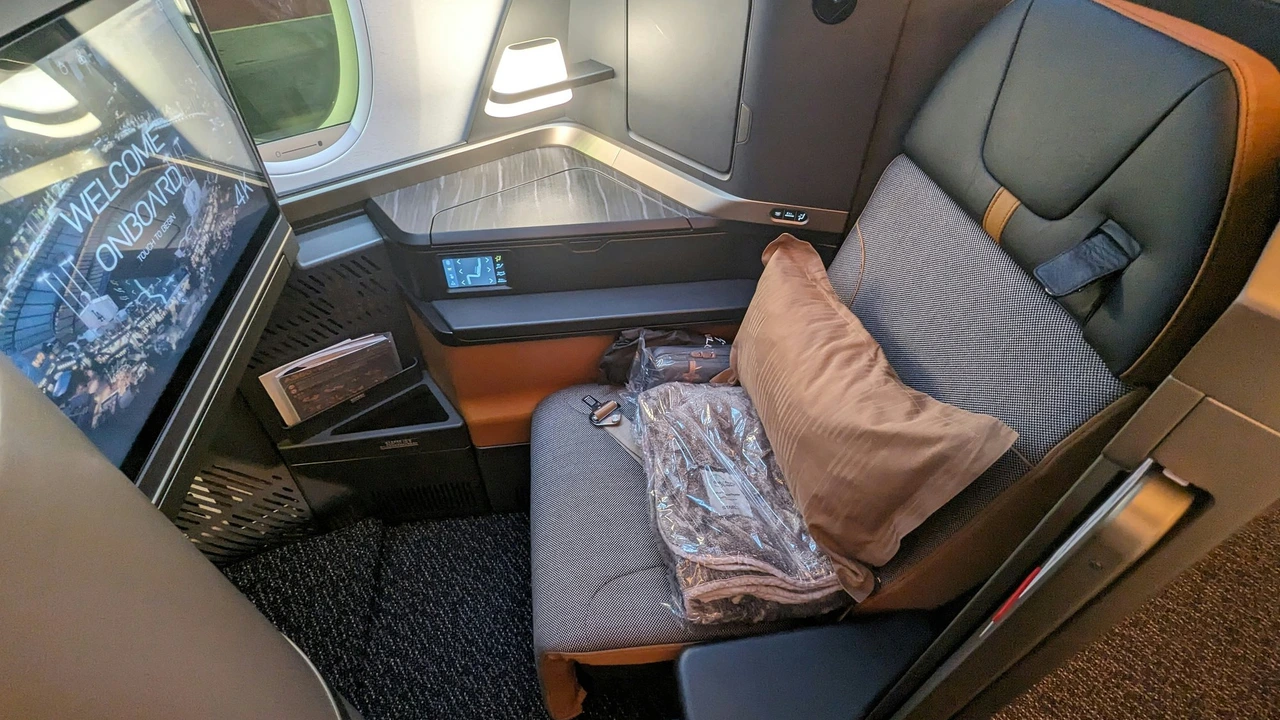
Reverse herringbone has been the default premium layout for over a decade, and Collins Aerospace just pushed it forward meaningfully with the Elements seat. A 24-inch entertainment monitor, a door, and — critically — a footwell that's actually usable in bed mode, which has been the chronic weakness of older reverse herringbone products. Find it on all Starlux A350s, the newest Etihad 787s, and Cathay Pacific 777s equipped with Aria Suites.
4. Qatar Airways Qsuite — still the most flexible cabin flying
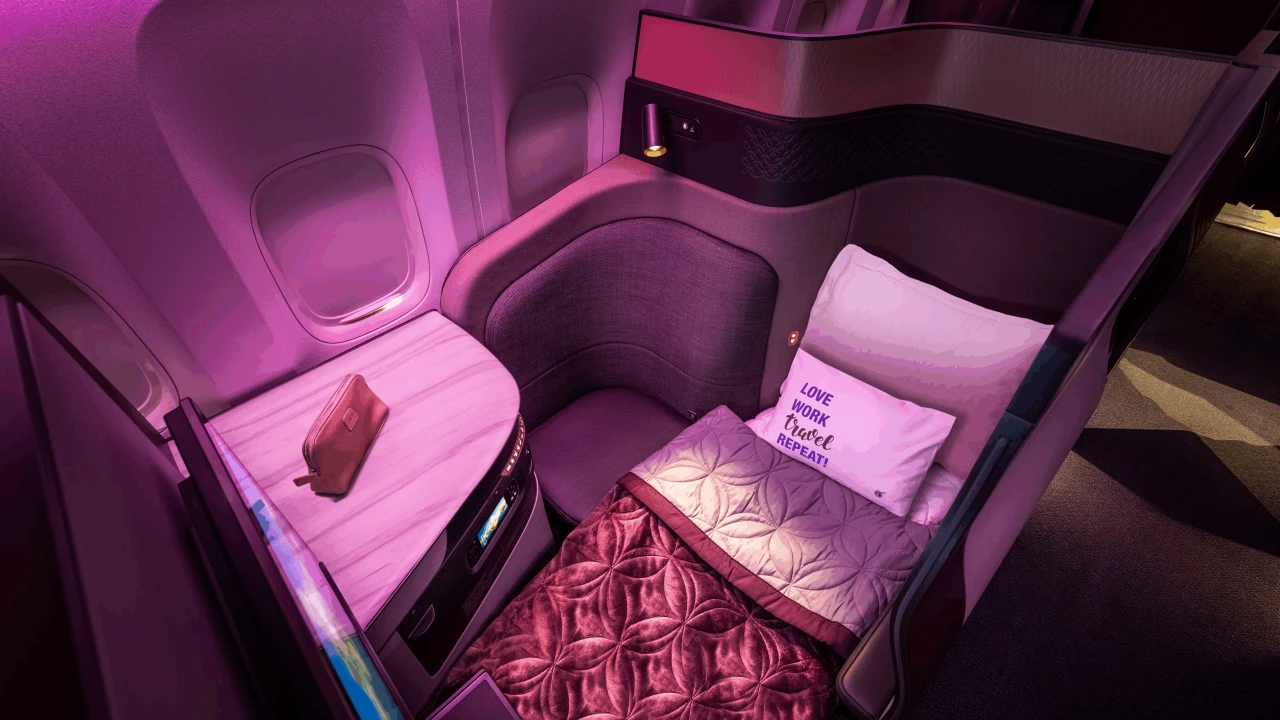
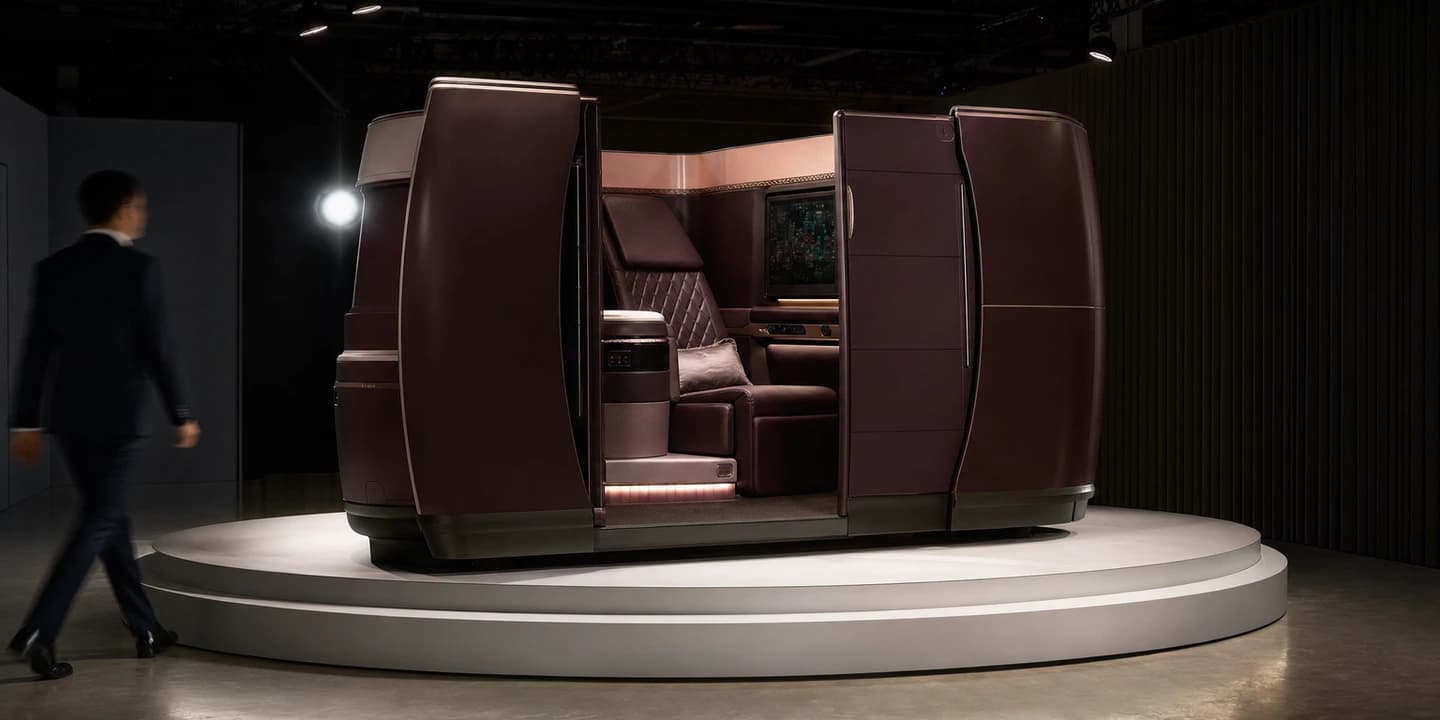
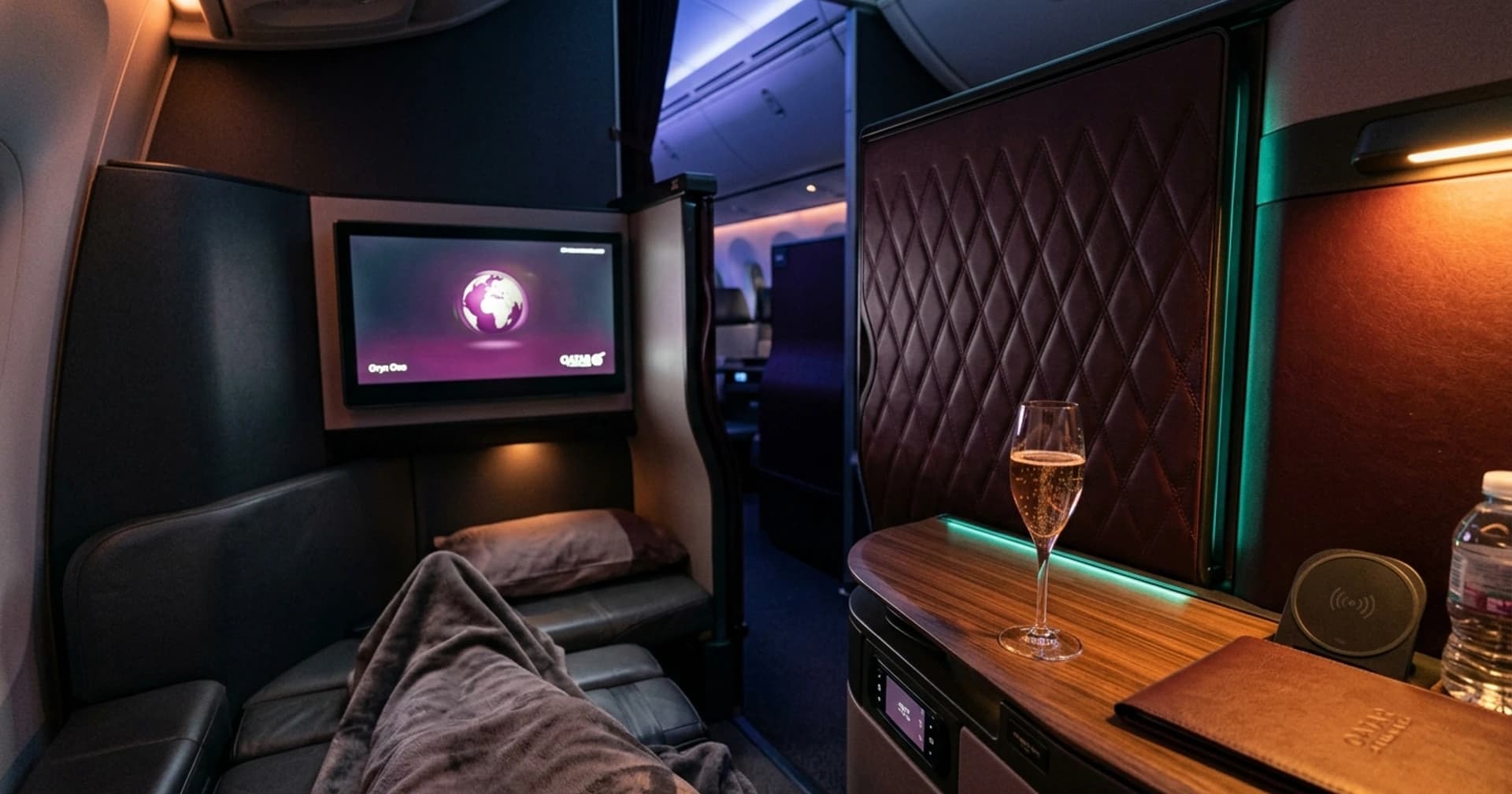
Qatar Airways introduced the Qsuite in 2017 and it remains the most configurable business class cabin on earth. Doors, generous storage, thoughtful lighting — the whole package is well executed. What separates it is flexibility: pick a window seat for full privacy, slide open a divider for a double bed in the center section, or if you're traveling as a foursome, combine four seats into an actual suite. A next-generation Qsuite refresh is reportedly coming, though the current version already earns its reputation. Read our full QSuite review for the seat-by-seat breakdown. Available on all Qatar A350-1000s, and select A350-900s, 777-200LRs, and 777-300ERs.
5. Adient Ascent — Qatar's other seat, and now United's Polaris
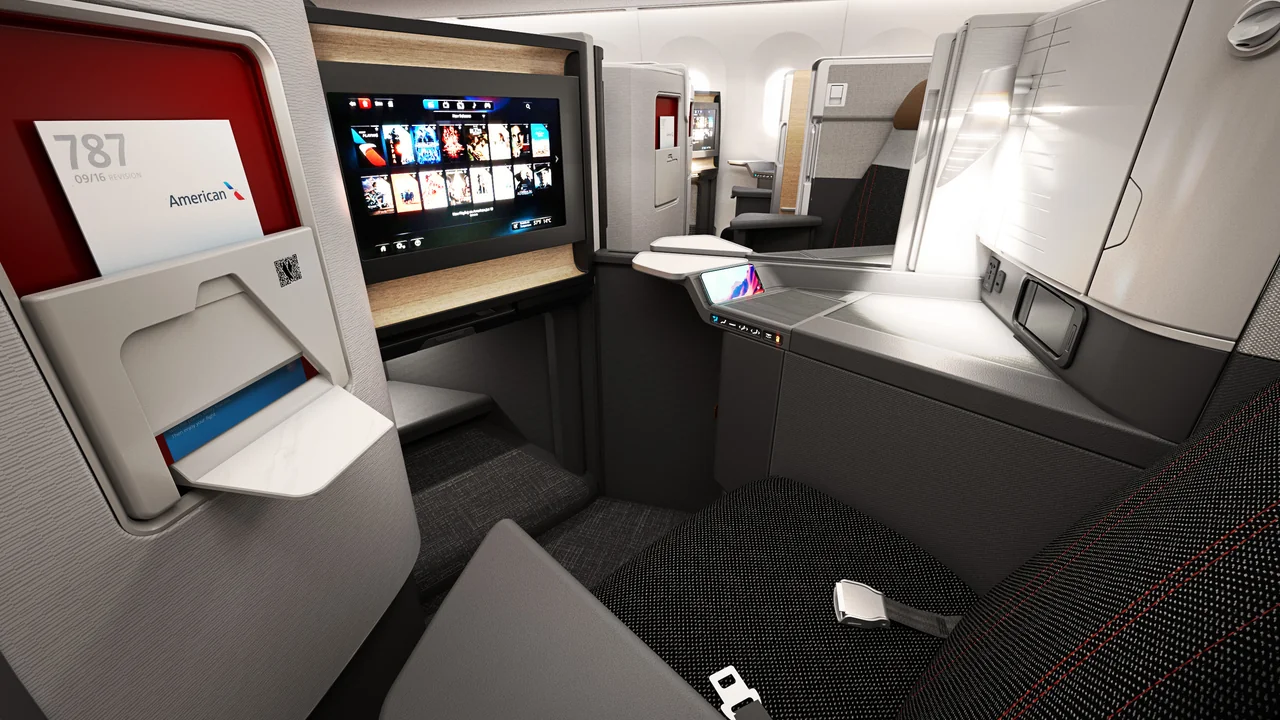
Less famous than Qsuite but worth knowing: Qatar is installing the Adient Ascent on its 787-9s, a doored, direct-aisle-access configuration where center seats sometimes face the aisle rather than the cabin center — a small but noticeable departure from typical reverse herringbone logic. This is also the seat behind United's refreshed Polaris product, and you'll find it on select American Airlines 787-9s and Hawaiian Airlines 787-9s as well.
6. Air France's Safran Versa — the bulkhead seats are the real prize
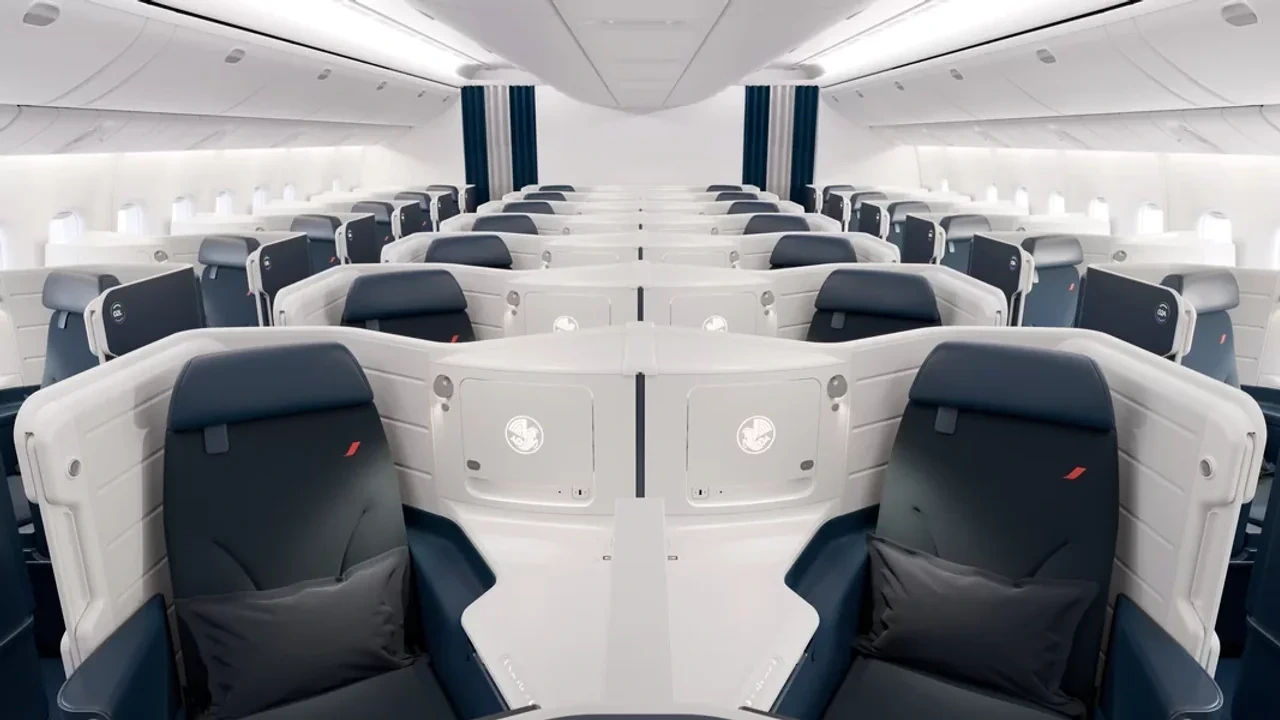
Air France debuted the Safran Versa reverse herringbone seat with doors, strong tech, and genuinely generous space. The bulkhead row in this configuration might be the single best individual business class seat I've flown anywhere — more room, better sightlines, none of the compromises. Only a small slice of passengers land in those rows, but it's worth requesting at check-in. Currently limited to select 777-300ERs; the A350-900s carry a visually similar but differently manufactured seat.
7. Collins Aerospace Super Diamond, with doors
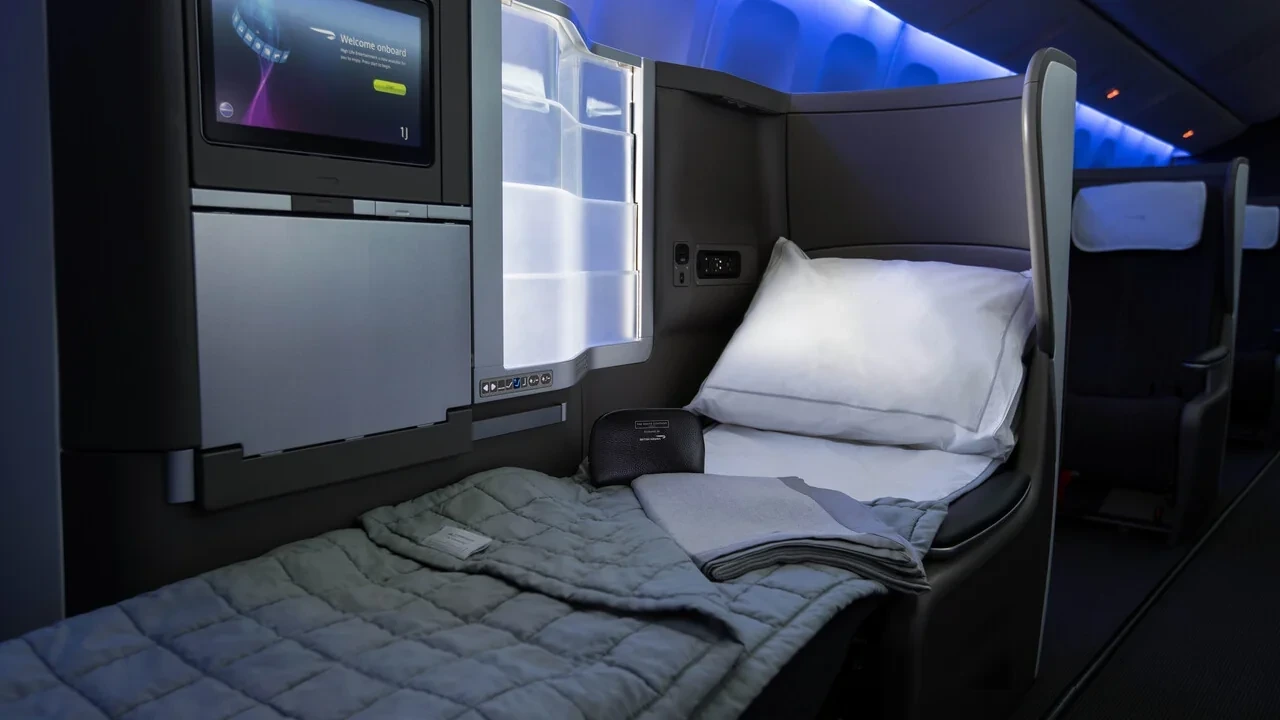
Before Elements, Collins Aerospace's reverse herringbone Super Diamond seat was already the industry workhorse — found on Air Canada, American Airlines, China Airlines, Qatar Airways, Xiamen Air, and others. What pushes certain installations into top-tier territory is the addition of doors, which some carriers have retrofitted. British Airways has the largest fleet of doored Super Diamond seats — all A350-1000s and 787-10s, plus select 777s and 787s. Our Club Suite review covers exactly what to expect. Etihad has a similar product on its A350-1000s.
8. Collins Aerospace Horizon — staggered, functional, underrated
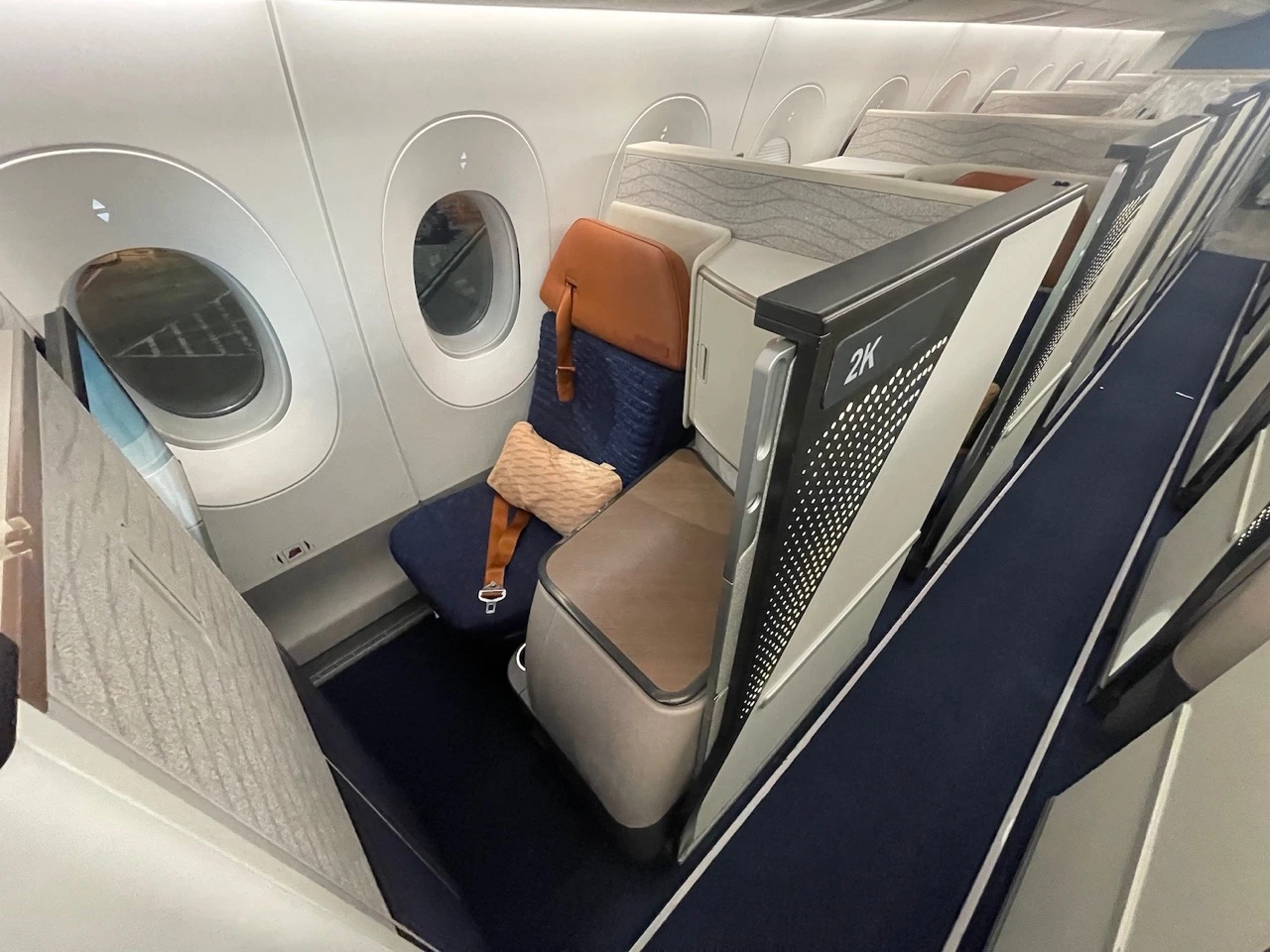
A staggered configuration with doors, solid storage, and comfortable ergonomics whether you're upright working or trying to sleep through a redeye. It's a genuinely well-designed seat that doesn't get the attention Elements does, but I'd take it over a Vantage XL any day of the week.
Matching the seat to your body and your sleep style
This is where most seat rankings fall short — they treat every traveler identically, and travelers aren't identical.
If you're over six feet tall, footwell width matters more than anything else on this list. Reverse herringbone seats with narrow, angled footwells (older Super Diamond installations without the doored upgrade, some Vantage configurations) will leave your feet crossed all night. Look instead toward Collins Elements, Qsuite, or JAL's Safran Unity, all of which were designed with wider footwells as a stated priority.
If you're a side sleeper, herringbone and staggered seats generally beat reverse herringbone, since the angled position lets your shoulders rotate naturally rather than lying flat against a straight shell wall.
If you're traveling with a partner and actually want to talk, sit next to each other, or share a meal, skip reverse herringbone entirely — even the "companion" center seats in that layout are heavily partitioned by design. Qsuite's double-bed configuration or Air France's Versa center pairs are the better call.
If you're a light sleeper who wakes at every cabin noise, prioritize doors over anything else on this list. ANA's The Room and Qsuite both offer near-total enclosure; standard reverse herringbone, even the good versions, still leaves you visually and acoustically connected to the aisle.
If you run warm, ask specifically about individual air nozzles before booking. Not every seat has them, and cabin crews vary wildly in how cold they'll keep the cabin overnight.
Why the fare you're quoted rarely matches what you should pay
Here's the part that actually affects your wallet. Airlines price these seats based on route economics and demand curves that have nothing to do with what the seat is worth to you personally. A published Qsuite fare on Doha–New York can run $8,400 round-trip. Through our contracts at CEOFLIGHTS, that same seat has come in closer to $4,100 — same cabin, same door, same double bed if you want it.
We've seen similar gaps on ANA's The Room (published around $9,600, contracted rates landing near $5,200) and on Cathay Pacific's Aria Suites out of Hong Kong, where a $7,800 fare has dropped below $4,000 through consolidator pricing. This isn't a discount code or a fare sale — it's negotiated inventory that isn't visible on the airline's own site or the major booking engines.
If you're weighing business class against first class for a specific route, or trying to figure out the best time to book, it's worth a call before you commit to whatever fare shows up first in a search. We're ASTA-accredited (member #900292735) and are top rated on Trustpilot, which matters more than it sounds like when you're handing over five figures for a flight.
Routes where these seats actually show up
Knowing the seat is one thing. Knowing which specific route puts you on it is another.
- ANA The Room: select 777-300ER routes between Tokyo and US gateways.
- JAL Safran Unity: all A350-1000 routes, increasingly common on Tokyo–Singapore and transpacific sectors.
- Qsuite: essentially any Qatar Airways A350-1000 route out of Doha, including long-haul runs to the US and Asia.
- Collins Elements: Starlux's Los Angeles and Taipei service, plus Cathay's newer 777 routes into Hong Kong.
- Doored Super Diamond: British Airways' A350-1000s on London routes to the US East Coast and Middle East.
If you already know which airport pairs you're flying, we can tell you within a few minutes which seat you'll actually get and what the real market rate looks like — not the inflated number the airline's own site shows first.
My honest recommendation
If you only remember one thing from this comparison, make it this: don't book business class based on the airline's name or your loyalty program balance. Book based on the actual seat, the actual aircraft, and the actual door — because on a ten-hour flight, that's what determines whether you land rested or wrecked.
My personal ranking, for what it's worth: ANA's The Room for pure suite luxury, JAL's Safran Unity for the best combination of space and tech, and Qsuite when flexibility matters more than anything else — traveling with a partner, a family, or a group. Reverse herringbone remains the safest bet when you can't guarantee which specific seat you'll land in, since there's no genuinely bad seat in that configuration.
Call us at (888) 851-6897 or visit CEOFLIGHTS before you book directly with the airline. We'll tell you exactly which seat is on your specific tail number, and more often than not, get you into it for considerably less than the fare you were quoted.