




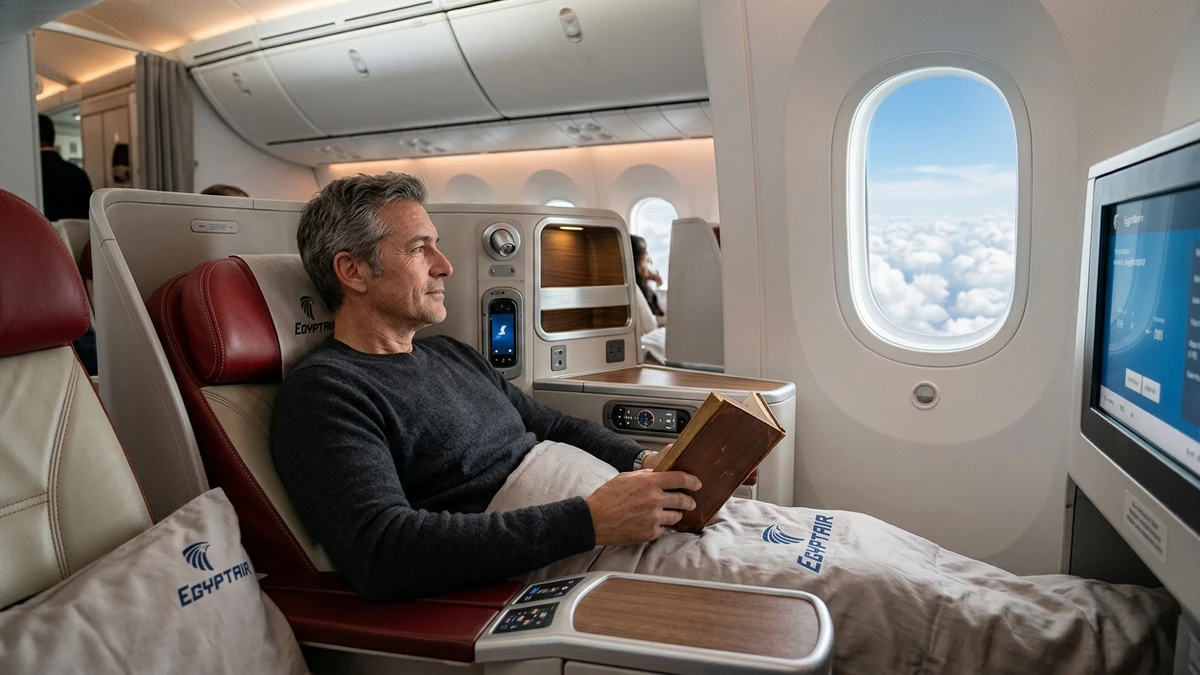
EgyptAir vs Ethiopian Airlines Business Class — Full Comparison
| Feature | EgyptAir | Ethiopian Airlines |
|---|---|---|
| Product Name | Business Class | Cloud Nine Business |
| Seat Type | Lie-flat seat on 787 and A330 | 1-2-1 lie-flat on 787 and A350 |
| Alliance | Star Alliance | Star Alliance |
| Primary Hubs | CAI | ADD |
| US Gateways | JFK, IAD, EWR | JFK, IAD, ORD, EWR |
| Top Destinations | Cairo, Nairobi, Beirut | Addis Ababa, Nairobi, Accra |
| CEOFLIGHTS Savings | Up to 40% | Up to 40% |
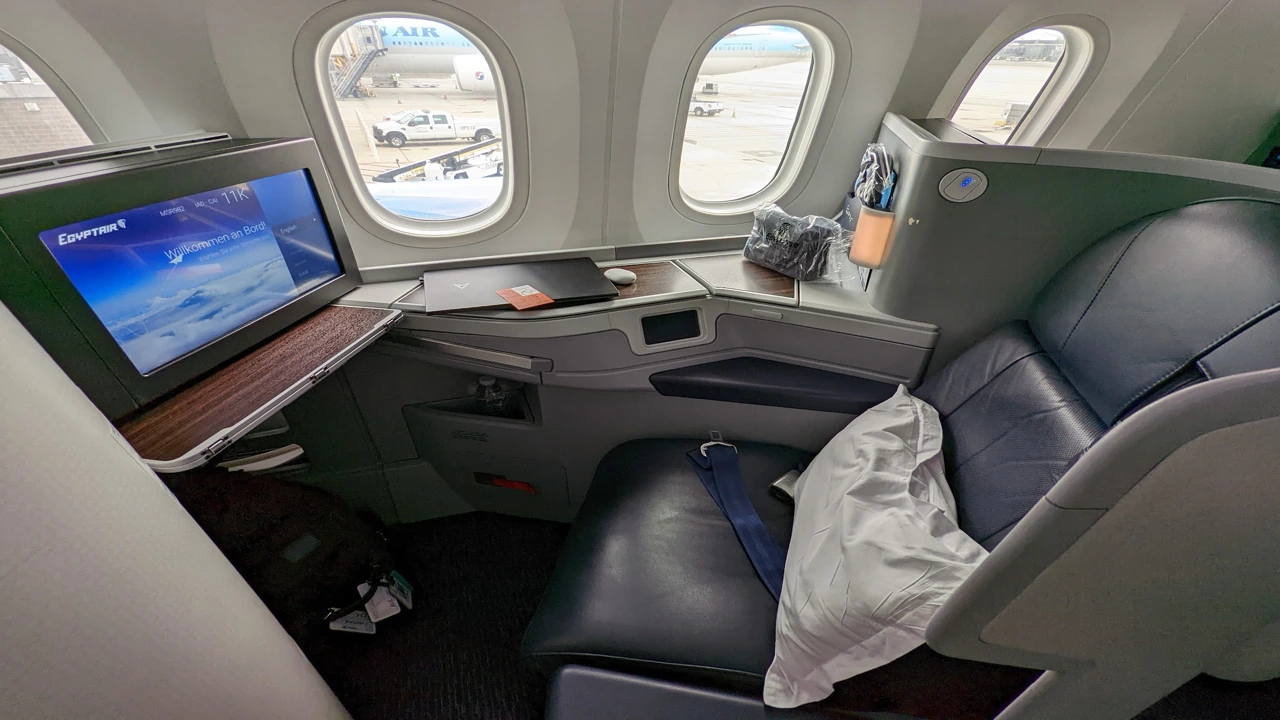
EgyptAir
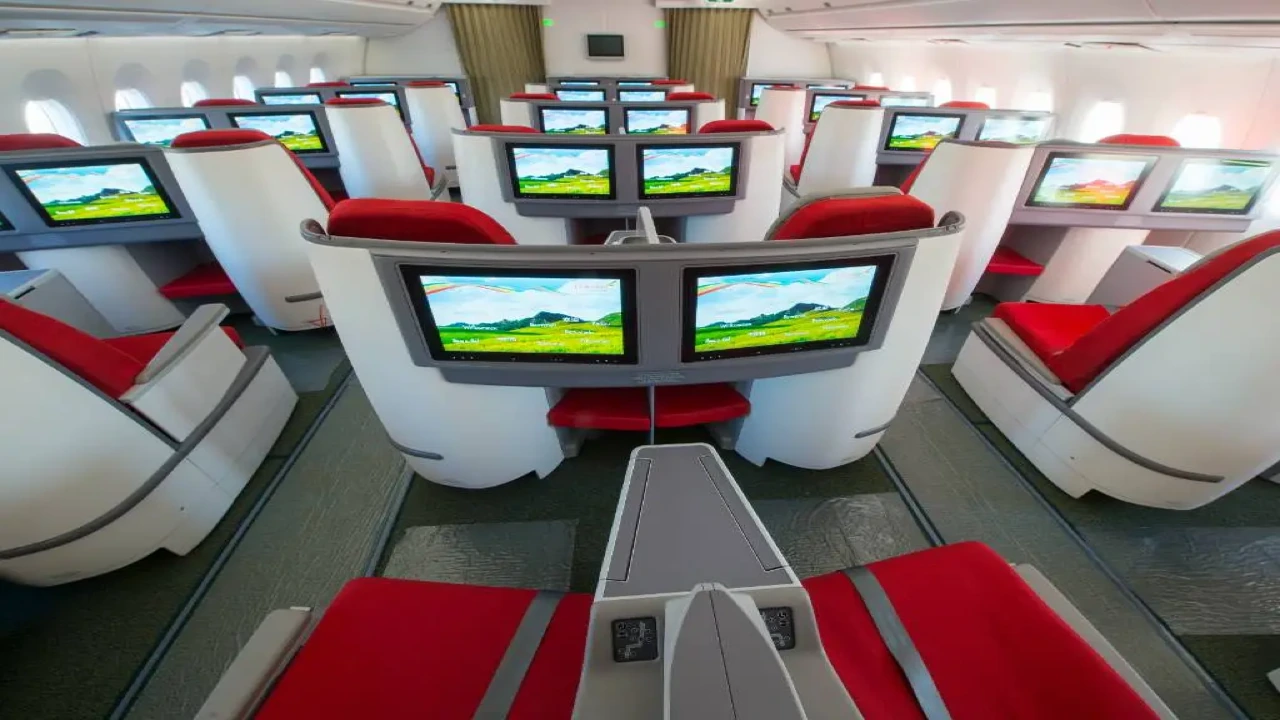
Ethiopian Airlines
For travelers weighing an African gateway carrier for business class, EgyptAir and Ethiopian Airlines represent the two most credible Star Alliance options on the continent, each offering lie-flat comfort but with distinctly different networks, hubs, and hard products. EgyptAir, flying out of Cairo with US gateways in New York and Washington Dulles, leans on Egyptian hospitality and a Middle Eastern-inflected menu to position itself as a bridge between Africa, Europe, and the Gulf. Ethiopian Airlines, operating from its sprawling Addis Ababa hub and serving JFK, IAD, and Chicago O'Hare, has built its reputation as Africa's largest carrier, with a route map that reaches deeper into sub-Saharan Africa than almost any competitor. Both are Star Alliance members, which matters considerably for US-based travelers stacking miles or connecting onward, but the on-the-ground experience of flying each is where the real differences emerge.
How Do the Seats Compare?
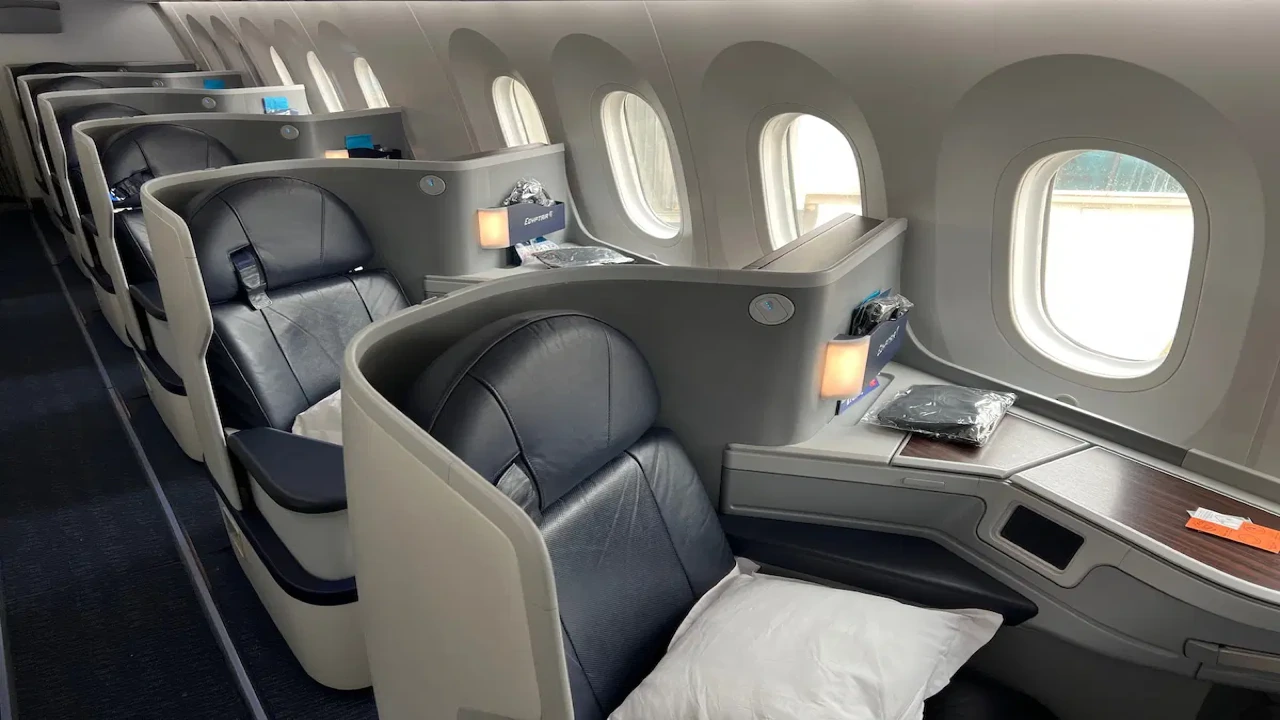
On hard product, Ethiopian holds a meaningful edge. Its Cloud Nine Business cabin, found on the Boeing 787 and Airbus A350 fleets, uses a 1-2-1 configuration that gives every passenger direct aisle access and genuine privacy — a layout increasingly considered the industry standard among long-haul lie-flat products. EgyptAir also offers lie-flat seating on its 787s and A330s, and the seats themselves are comfortable and fully horizontal, but the older 2-2-2 or 1-2-1 hybrid layouts across its fleet are less consistent, meaning the seat you get can vary noticeably depending on aircraft type and route. Frequent flyers who prioritize guaranteed aisle access and newer cabin hardware will generally find Ethiopian's A350 product the more dependable bet.
What About Dining & Service?
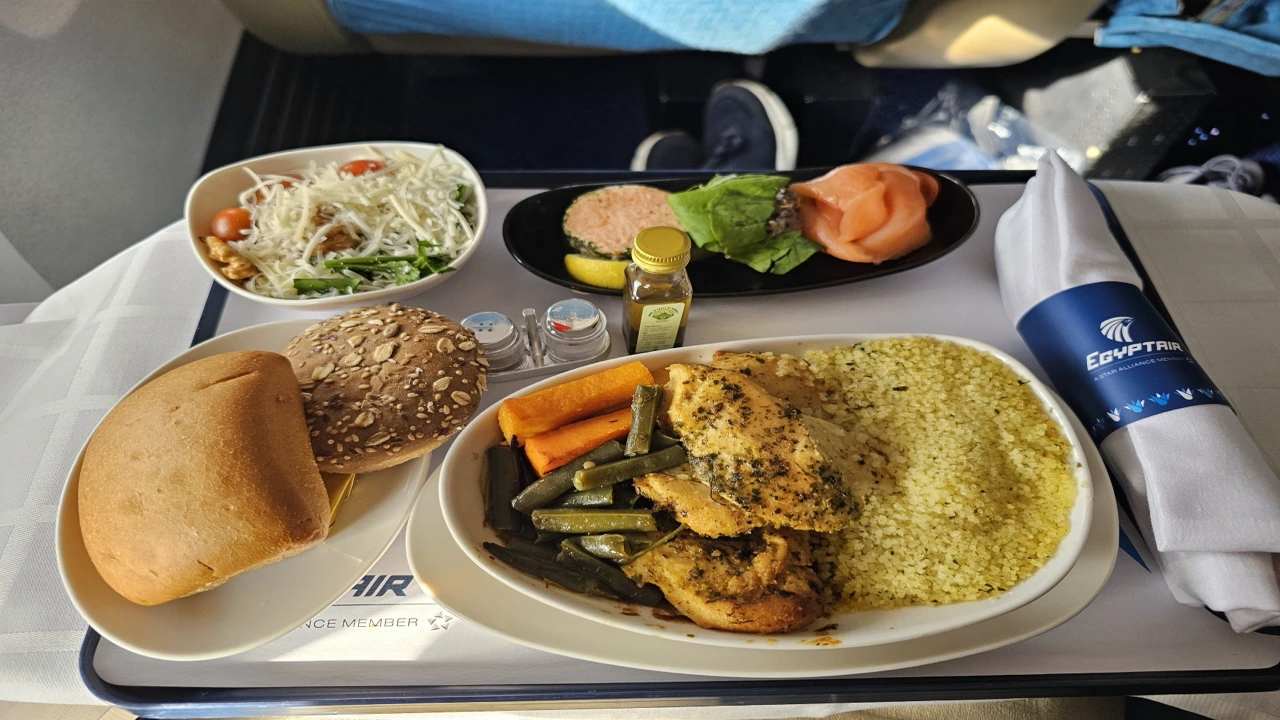
EgyptAir
Ethiopian Airlines
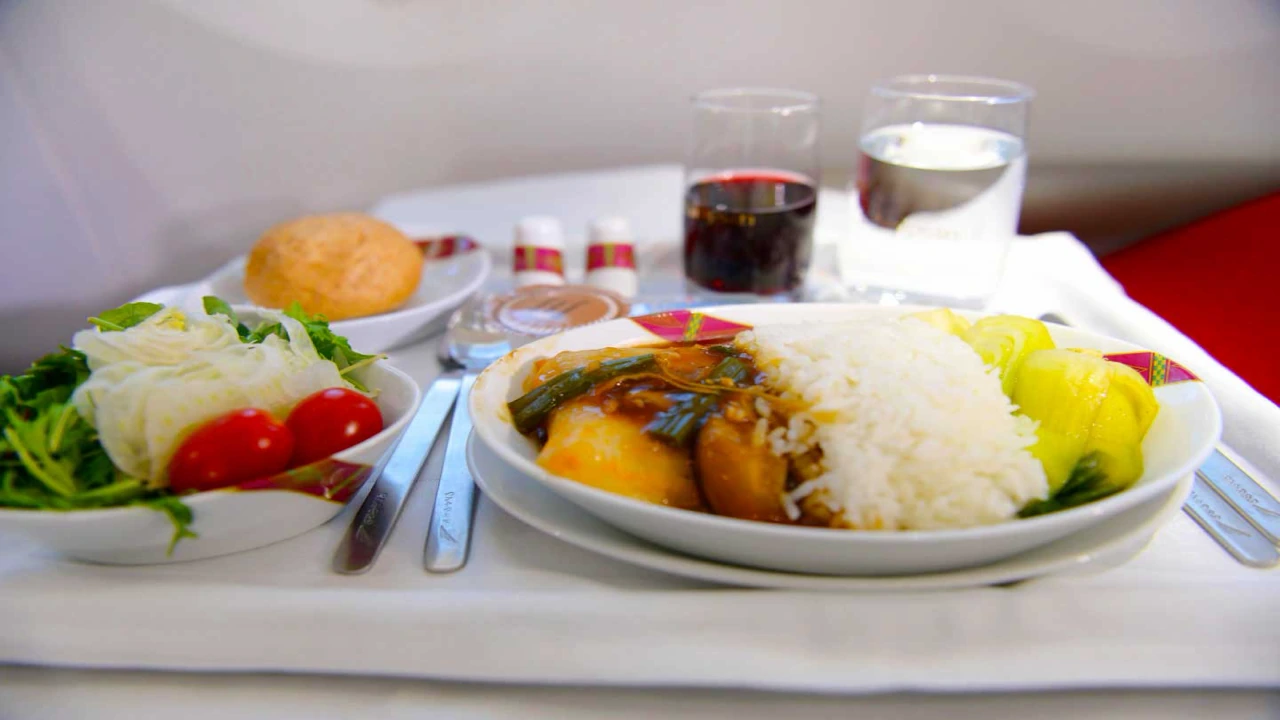
In the cabin, the two carriers diverge culturally as much as culinarily. EgyptAir's service draws on Egyptian and broader Middle Eastern culinary traditions, with warm, attentive service that reflects the region's hospitality norms, and a beverage program that includes a solid selection of wines and spirits despite the airline's home market. Ethiopian's crews are known for a friendly, efficient service style, and Cloud Nine dining incorporates both Ethiopian specialties — including coffee sourced from the country's own renowned growing regions — and international menu options designed to appeal to a broad long-haul clientele. Neither carrier matches the polish of a Gulf mega-carrier, but both deliver genuine regional character rather than a generic international menu, which many travelers find more memorable.
How Do the Airport Lounges Compare?
EgyptAir

Ethiopian Airlines
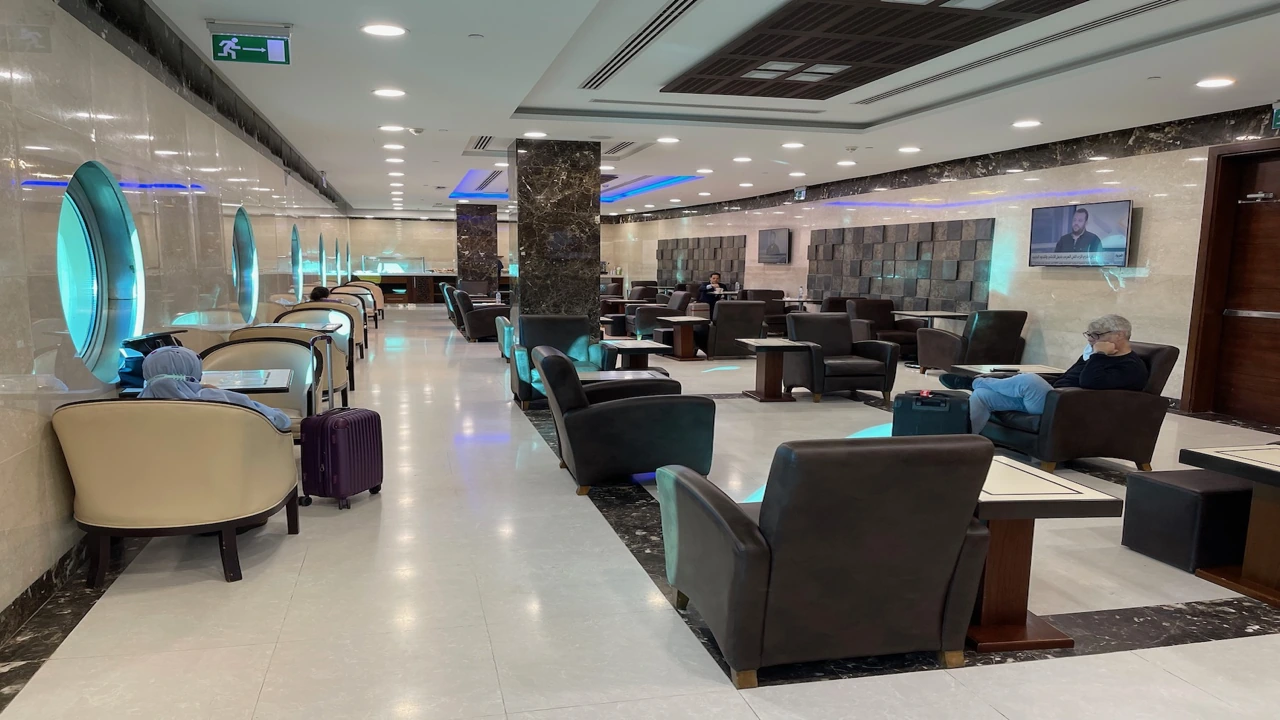
Ground experience favors Addis Ababa in terms of modern infrastructure, as Ethiopian has invested heavily in its Bole International hub, including dedicated Cloud Nine lounges built to accommodate its growing long-haul push.
Ground experience favors Addis Ababa in terms of modern infrastructure, as Ethiopian has invested heavily in its Bole International hub, including dedicated Cloud Nine lounges built to accommodate its growing long-haul push. Cairo International, EgyptAir's home base, offers serviceable business lounges but reflects an older terminal infrastructure that can feel less streamlined during peak connection banks. For travelers connecting through either hub, Addis Ababa currently offers a smoother, more purpose-built transit experience, though Cairo's proximity to Giza and central Cairo makes it an appealing option for those layering in a stopover.
Where EgyptAir reclaims ground is destination relevance for certain itineraries: Cairo, Nairobi, and Beirut make it a strong choice for travelers routing through the Middle East and North Africa alongside East Africa. Ethiopian's network is simply broader, connecting Addis Ababa to more than 60 African cities including Nairobi, Accra, Lagos, and Cape Town, making it the stronger choice for multi-city African itineraries or onward connections deep into the continent. Both carriers' Star Alliance membership means US travelers can credit miles to United, Aeroplan, or other partner programs and use alliance lounges when connecting through non-hub cities, a meaningful benefit for loyalty-conscious flyers choosing between the two.
Whichever route serves your itinerary, both EgyptAir and Ethiopian Airlines business class are available through CEOFLIGHTS® private fares, with savings of up to 40 percent off published business class rates. Our Personal Travel Managers know the nuances of each airline's aircraft assignments and can help match you to the right cabin — whether that's Ethiopian's A350 Cloud Nine or EgyptAir's 787 lie-flat product — for your specific route. Call (888) 851 6897 to speak with a Personal Travel Manager and get access to fares not published anywhere else.
Book Your Premium Cabin Today
✅ Choose EgyptAir If You Value
- Lie-flat on 787 Dreamliner and A330
- Egyptian hospitality and Middle Eastern cuisine
- Star Alliance connectivity via Cairo
- Gateway to Egypt, North Africa, and the Middle East
✅ Choose Ethiopian Airlines If You Value
- 1-2-1 lie-flat on 787 and A350 fleet
- Africas largest airline with extensive network
- Star Alliance member with global connectivity
- Addis Ababa hub connects 60+ African cities
