Quick summary
True luxury travel is no longer defined by crowded trophy destinations, but by quiet seclusion, friction-filtered journeys, and deliberate presence. We recommend choosing permit-limited expeditions—such as Vietnam's Son Doong cave where fewer than 1,000 people enter annually—and secluded lodges capped at under 12 guests. Trading over-trafficked bucket lists for off-peak and remote routes restores authentic wonder and unmatched privacy to your travel.
The best trip I ever had, no one asked me about at a dinner party. That's not a complaint — it's the point. The destinations that generate the most Instagram traffic are, almost without exception, the ones most aggressively stripped of atmosphere by the time you arrive. Crowds don't just dilute an experience. They replace it.
For travelers who've seen what overexposure does to a place — the queues at Santorini's caldera edge, the shoulder-to-shoulder shuffle through Angkor Wat at sunrise — the calculus has shifted. Refinement is no longer about going somewhere prestigious. It's about going somewhere that hasn't been loved to death.
Off-the-beaten-path journeys
French Polynesia beyond Bora Bora. Palau's outer reef systems. The Argentine side of Patagonia rather than the Chilean circuit everyone books. These places aren't secret — but they're lightly trafficked, because reaching them demands commitment. That friction is the filter.
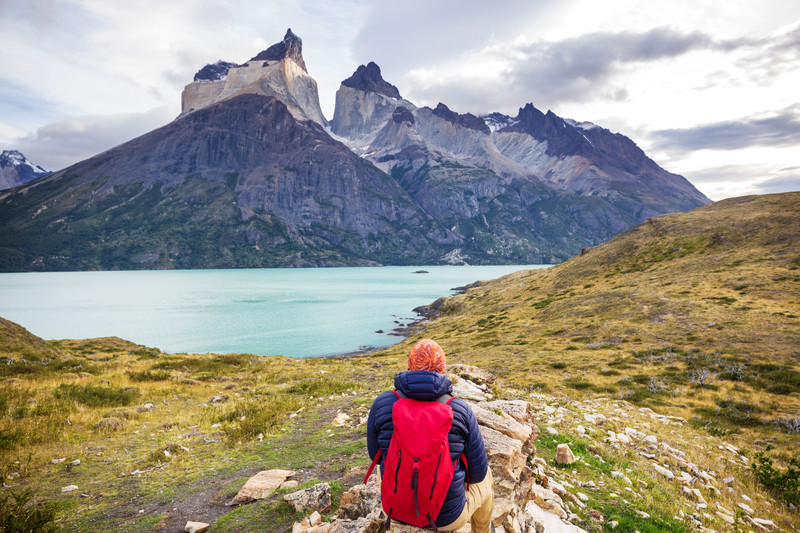
Smaller airports and limited flight schedules mean arrivals feel earned rather than processed. The Faroe Islands, for instance, are served primarily through Vágar Airport (FAE) on a handful of routes from Copenhagen and Reykjavik. Getting there takes planning. Staying there takes adjustment. Both are features, not flaws.
Namibia's private conservancies operate similarly. There's no volume infrastructure, no shuttle convoys queuing at dawn. What exists instead is space — genuine, unscheduled space — to move through a place at whatever pace actually suits you.
Remoteness here isn't a consolation prize. It's the product. Distance curates demand. And in a world where access has become almost frictionless for most destinations, the places that still require effort are worth disproportionate attention.
Naturally secluded stays
Where you sleep shapes everything else about a trip. A 350-room resort on a famous beach is, functionally, a small city with a spa. The experience is defined by density, regardless of how good the thread count is.
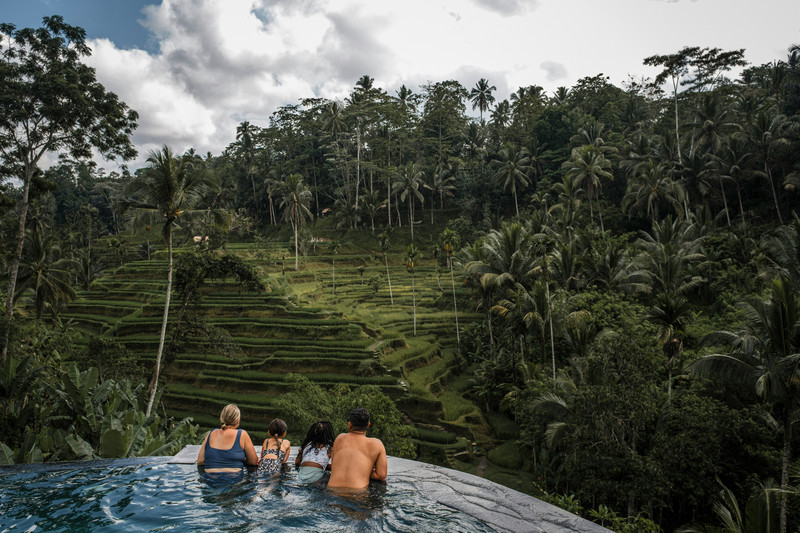
Genuinely secluded properties — island resorts with limited-boat access, private safari camps capped at twelve guests, alpine lodges positioned above the tourist valleys — share one structural advantage: their geography does the work. Low occupancy isn't a policy, it's a physical reality.
Architecture matters here too. The best remote properties are designed to disappear into their surroundings — discreet pathways, outward-facing rooms built for views rather than visibility, layouts where you can go a full day without crossing paths with another guest. That's not antisocial. That's the point of paying serious money for accommodation.
Luxury in these settings isn't about chandeliers and marble. It expresses itself through quiet, restraint, and the very specific pleasure of feeling like you have the place to yourself — because, largely, you do.
Beyond the bucket list
The bucket list as a travel philosophy has run its course. Visiting landmarks because they're famous is a reasonable approach at twenty-two. By the time you're managing a serious career and spending real money on travel, you can do better.
The shift is from accumulation to alignment. A journey built around a specific season — the bear run at Brooks Falls in Alaska's Katmai National Park, peak bloom in Japan's northern prefectures — carries more weight than a route assembled from a listicle. So does travel shaped around a genuine personal interest, whether that's architecture, marine biology, or simply finding somewhere that doesn't look like everywhere else.
Without the pressure to tick boxes, you gain something more valuable: the freedom to stay longer, engage more deeply, and leave with actual memories rather than a completed checklist. That's not a small thing.
Private travel experiences
Private travel isn't defined by spending more. It's defined by control — over pace, route, timing, and where attention lands.
Yacht charters and bespoke safari routes are obvious examples, but the more interesting ones involve genuine logistical complexity. White Desert's fly-in expeditions to Antarctica, operating from Cape Town directly to a blue-ice runway at Wolf's Fang, replace the standard ten-day Drake Passage crossing with a two-hour flight. You arrive with energy rather than motion sickness, and you spend your time on the continent rather than getting to it.
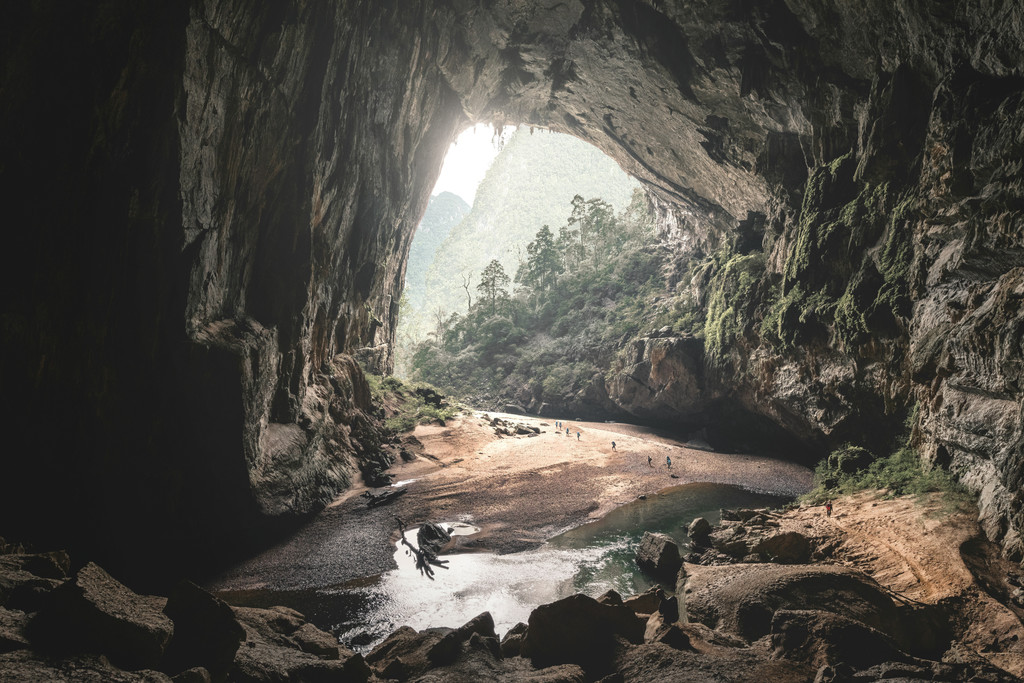
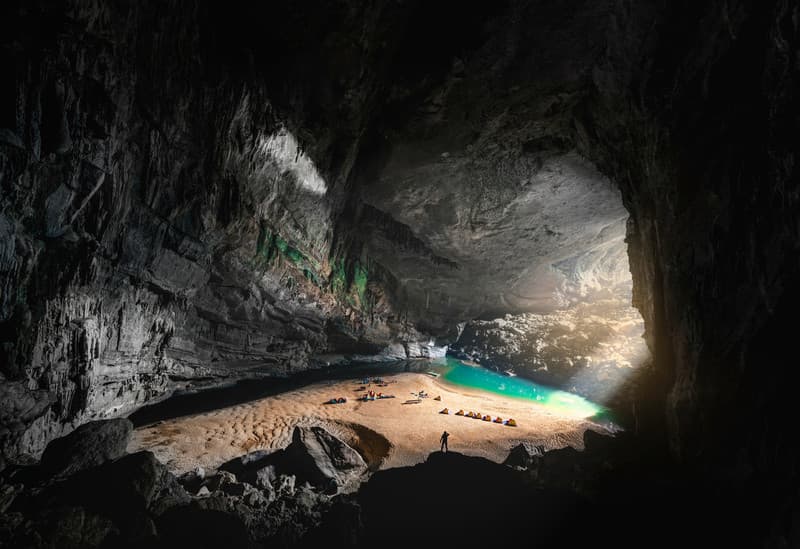
Son Doong cave in Vietnam — the world's largest — requires a permit, a specialist guide team, and approximately four days of commitment. Fewer than 1,000 people enter annually. That's not exclusivity engineered by a marketing department; it's a hard ceiling set by the Vietnamese government and the cave's own fragility.
The value of traveling privately is flexibility. Routes shift when conditions shift. Days slow when something warrants it. There's no group agenda pulling you from one point to the next before you're ready. These journeys feel less like itineraries and more like decisions made in real time — which, for most executives, is a form of relief rather than luxury.
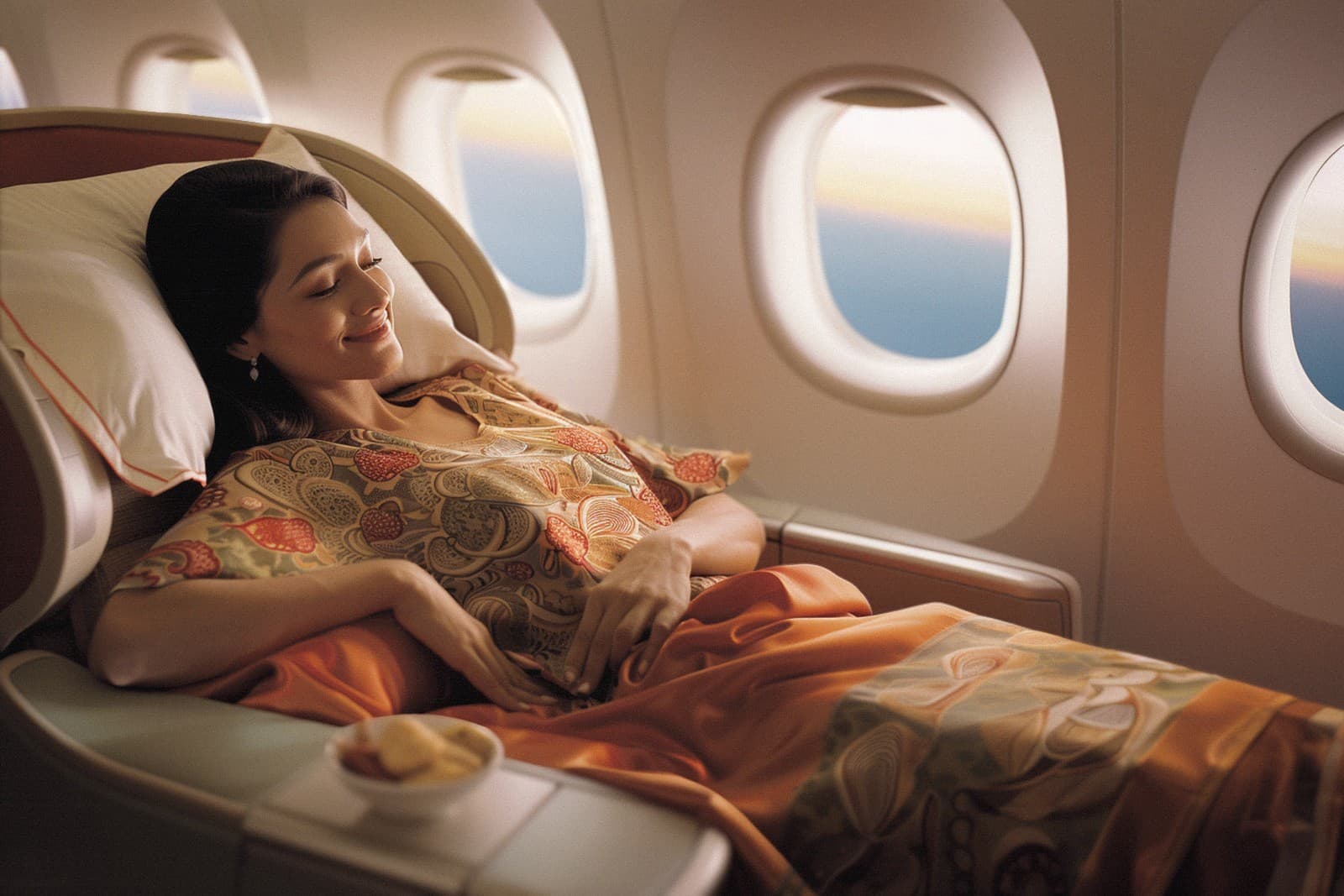
At CEOFLIGHTS, we handle the flight architecture behind these trips — and through our airline contracts, business class fares on routes like Cape Town to São Paulo or Johannesburg to Tokyo regularly come in well below retail. We're top rated on Trustpilot and ASTA-accredited (member #900292735). If you're building a complex itinerary, call us at (888) 851-6897 before you book anything direct.
Elevated experiences
The word "elevated" gets misused constantly in travel writing. Let me be specific about what it actually means.
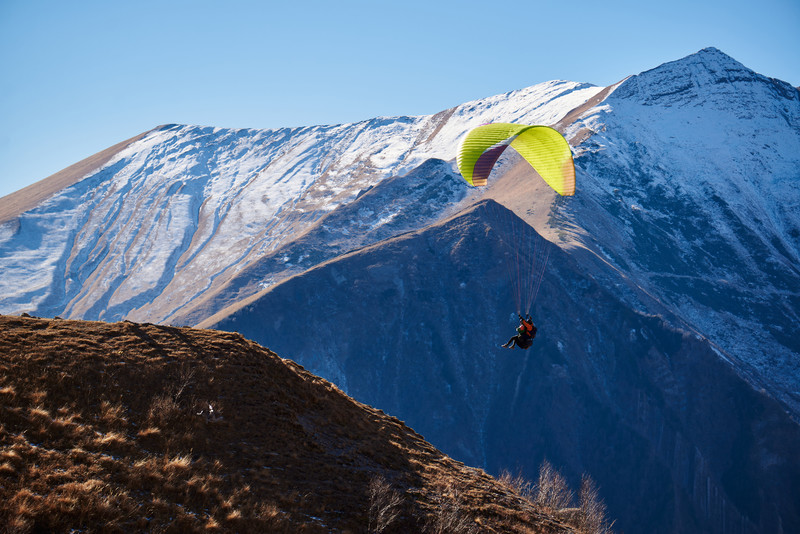
Paragliding above the Remarkables in New Zealand's South Island, sailing a private vessel along Greenland's Disko Bay coastline, or undertaking a fly-fishing permit expedition in Montana's Smith River system — these experiences are genuinely limited. Weather systems, terrain, permit ceilings, and technical requirements set the terms. You can't simply show up. You can't buy your way around the constraints.
That's what creates the depth. When participation is rare by circumstance rather than price, the experience feels different. It's grounded in the environment's own logic rather than in what someone decided to charge for access.
Refinement, in this context, has nothing to do with adrenaline and everything to do with attention: the right timing, the right guide, the right conditions. When those align, the result is engagement that feels authentic in a way that staged spectacle never does.
Purpose-driven travel
Some of the most compelling trips I've encountered — from conversations with clients and my own time on the road — were built around a specific contribution rather than a specific destination.
Wildlife preservation programs in Zambia. Marine research expeditions in the Coral Triangle. Cultural documentation work in remote Indonesian archipelagos. These aren't charity projects requiring sacrifice; they're immersive frameworks that give travel structure and meaning that pure sightseeing rarely achieves.
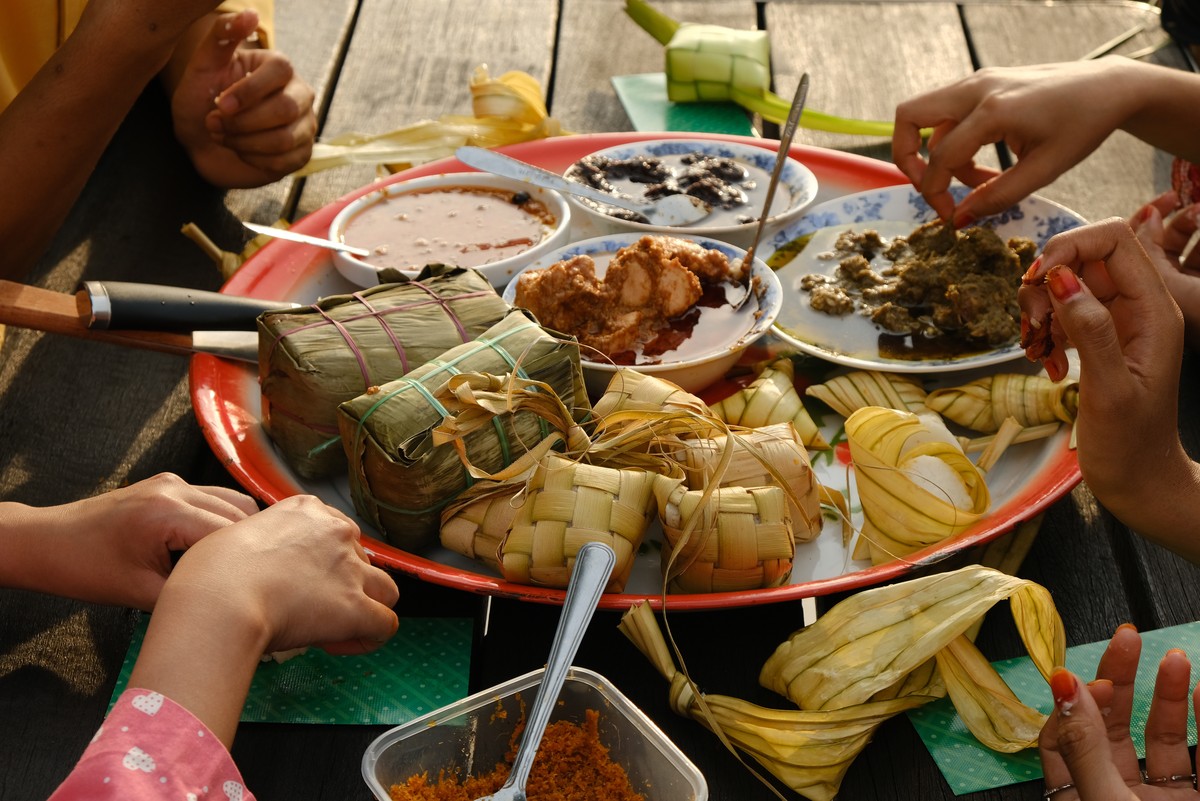
Purpose-driven trips exist outside mainstream tourism patterns partly because they require alignment with values, not just schedules. They also tend to involve genuine depth of access — the kind of local engagement that a standard ten-day package will never replicate, regardless of its star rating.
The reward isn't a photo. It's the difference between visiting a place and actually understanding it. For travelers who've already done the former dozens of times, the latter tends to be a revelation.
Cooler, quieter seasons
Peak season is peak season because the weather is good and everyone goes. Which means the weather is good and the place is overrun. These two facts are not incidental — they're the same fact.
Shoulder and winter travel in the right destinations reframes the entire experience. Norwegian fjord cruises in November, when the water is still and the population has gone home. The Swiss Alps in February, skiing into a village that hasn't reached its summer tourist saturation. An Arctic voyage timed for the polar night rather than the midnight sun — with far fewer ships on the water and far more genuine engagement with the environment.
Cold is not an obstacle to this kind of travel. It's the condition that makes it possible. Climate becomes an asset: sharper scenery, quieter infrastructure, and the distinct pleasure of moving through a famous place when it's actually composed rather than performing.
Timing a trip this way is a strategic decision, and it's one of the highest-leverage choices a traveler can make. The destination is often identical. The experience is categorically different.
[IMAGE_5]
A quieter definition of luxury
The definition of luxury in travel has quietly and completely inverted. Decade ago, it meant recognition — famous hotel brands, famous destinations, the social legibility of a well-known itinerary.
Now, for anyone who travels seriously, it means removal. From crowds, from predictable routes, from the pressure to see everything and document all of it. The most refined version of a journey is one with minimal friction and maximum presence.
That shift changes the relationship between traveler and destination. Attention moves inward — toward atmosphere, rhythm, and your own response to a place — rather than outward toward validation. The trip becomes something you actually lived rather than something you reported on.
Getting there, of course, still requires a seat. At CEOFLIGHTS, our consolidator contracts with major carriers mean business class fares from, say, New York to Cape Town or Los Angeles to Auckland regularly drop from $9,000–$12,000 retail to considerably less. Call (888) 851-6897, and let's talk about building the right trip from the flight outward.