Business class lounges explained: types, access rules, and how to choose the right one
Not all business class lounges are equal — and your ticket may open more doors than you think. Here's how to choose wisely.
CEOFLIGHTS Editorial9 min read
Quick summary
An international business class ticket often unlocks 3 to 4 distinct lounge options per hub, including superior alliance and partner facilities that far exceed standard gate clubs. Always research your alliance and bilateral partner access before flying to secure premium amenities like private shower suites and à la carte dining. Discounted consolidator fares ($3,200–$5,500 vs. $8,000–$12,000 retail) still retain 100% full lounge access privileges.
The flight itself gets all the attention. Lie-flat beds, QSuite privacy doors, Polaris duvets — that's what ends up in the reviews. But for anyone who travels internationally on a regular basis, the lounge often matters just as much. A two-hour hold in a well-designed flagship lounge with a proper meal, a hot shower, and a quiet corner to finish your deck is a genuinely different experience from standing in a terminal food court.
What most people don't realize until they've done this a few times: your business class ticket rarely grants access to just one lounge. At major hubs, you may have three or four options — and the right choice depends entirely on what you need before that particular flight.
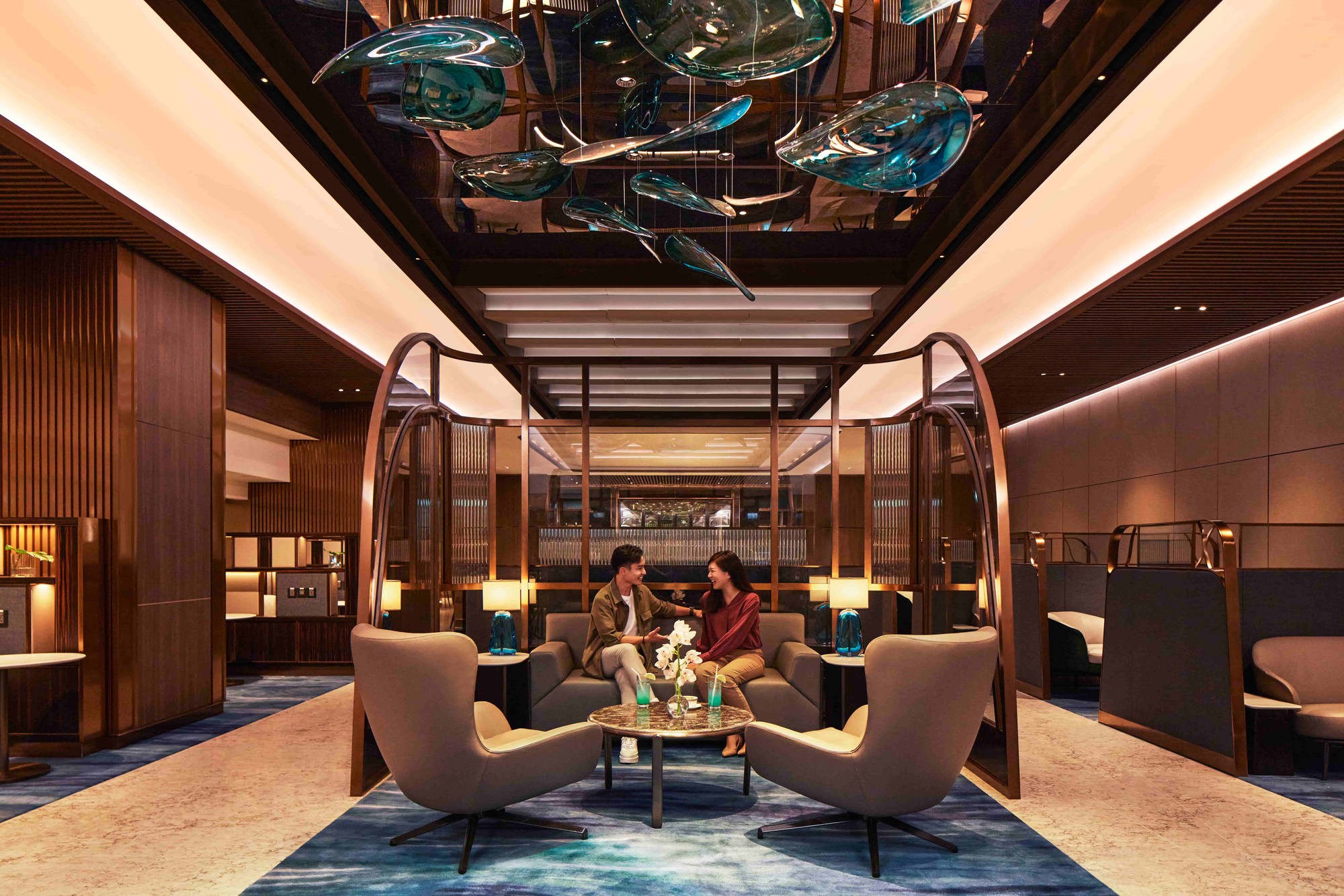
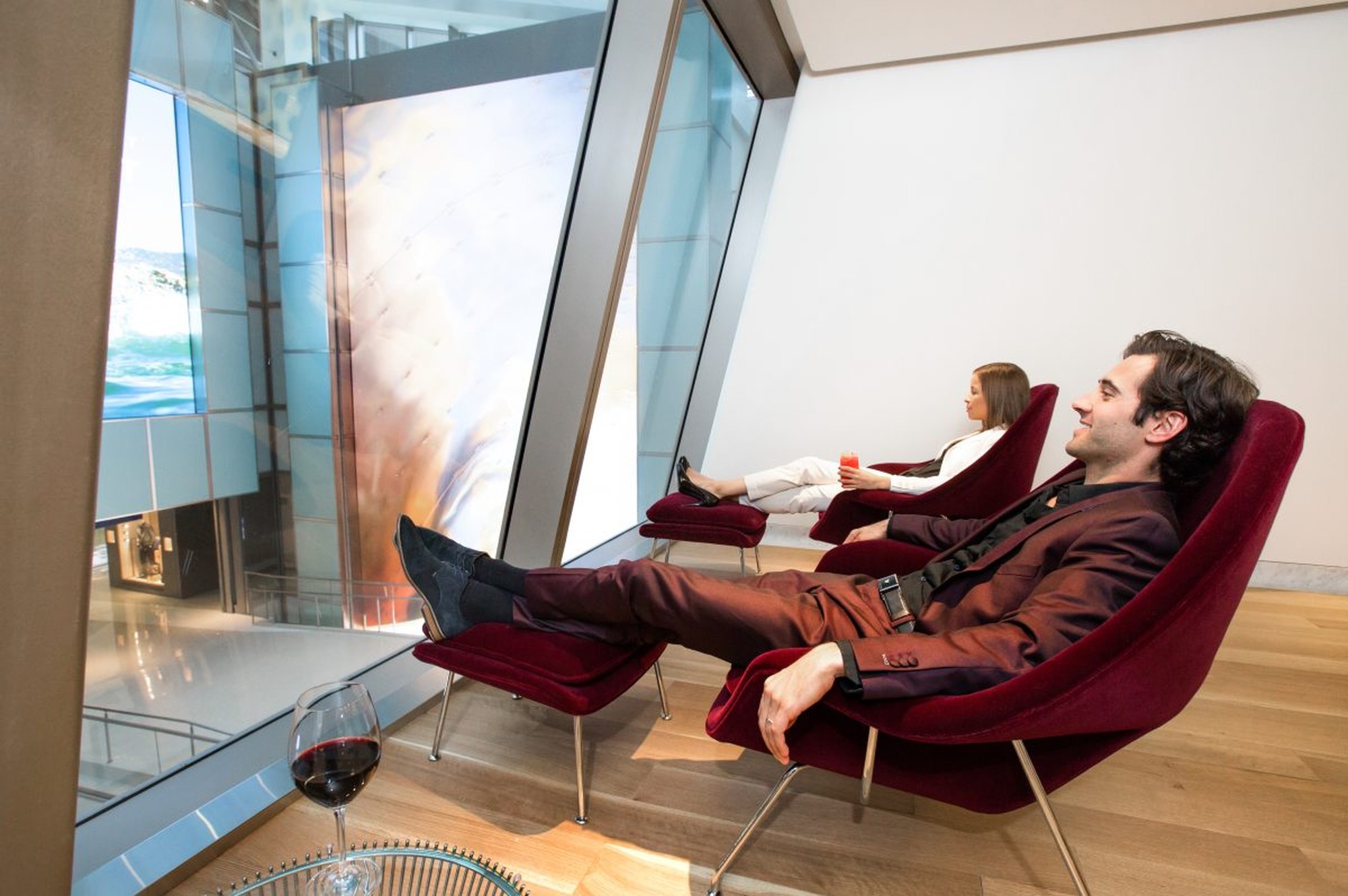
Your premium ticket often unlocks multiple lounges at major hubs — choosing between them comes down to whether you prioritize a hot shower, a quiet workspace, or proper à la carte dining
The main types of lounges you'll encounter
The lounge ecosystem is more complex than airport signage suggests. Here's a clear breakdown of what's actually out there.
Airline lounges
The standard tier. Every major carrier operates its own lounges at primary hubs, offering comfortable seating, Wi-Fi, drinks, and light meals. Access usually comes automatically with an international business or first class ticket. United Club, Delta Sky Club, and British Airways Galleries Lounges all fall into this category. Solid, functional, occasionally excellent — but rarely the most interesting option at a large airport.
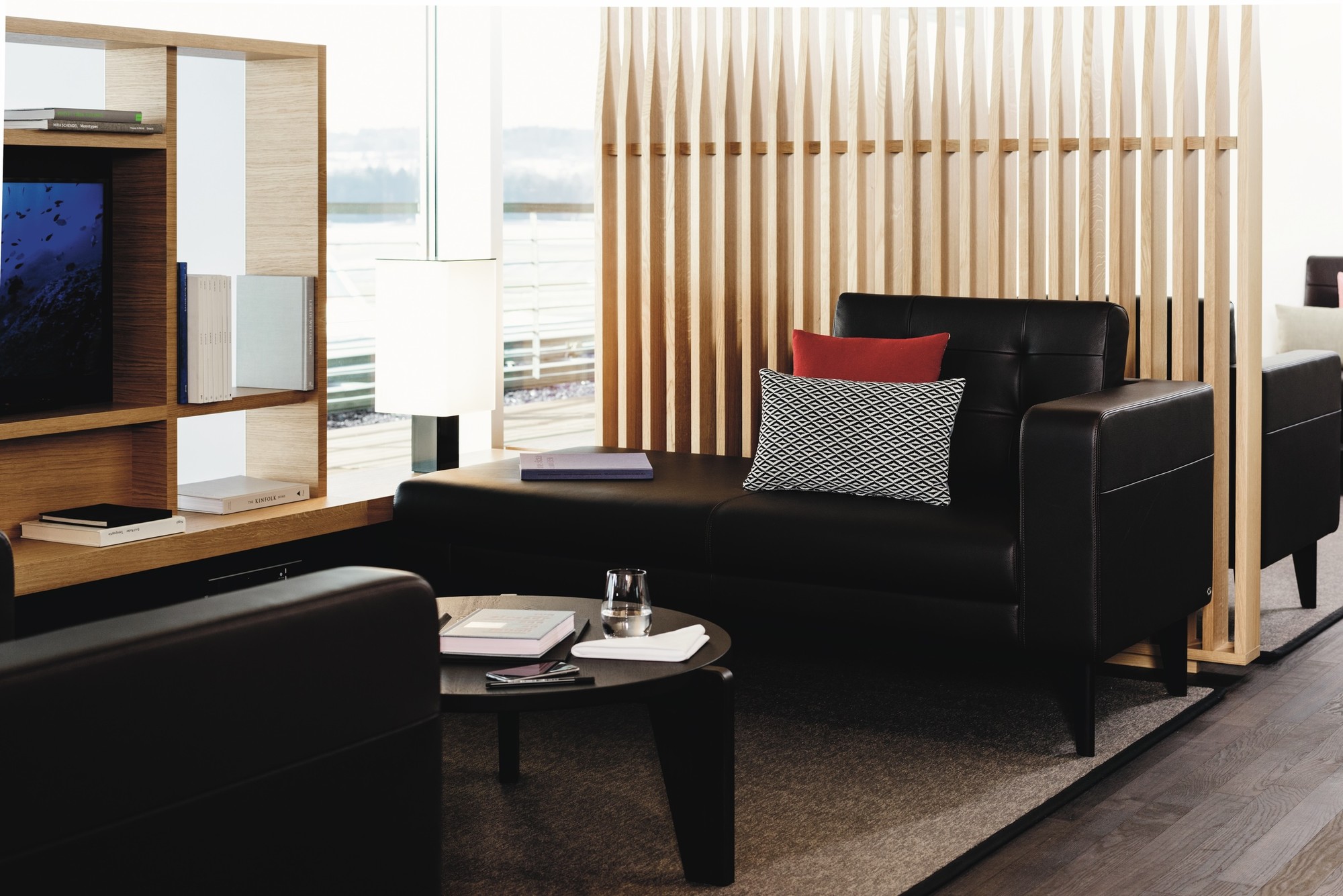
Standard airline lounges like the Delta Sky Club provide a solid baseline of comfort, but they rarely represent the best facility available at major international hubs
Airline flagship lounges
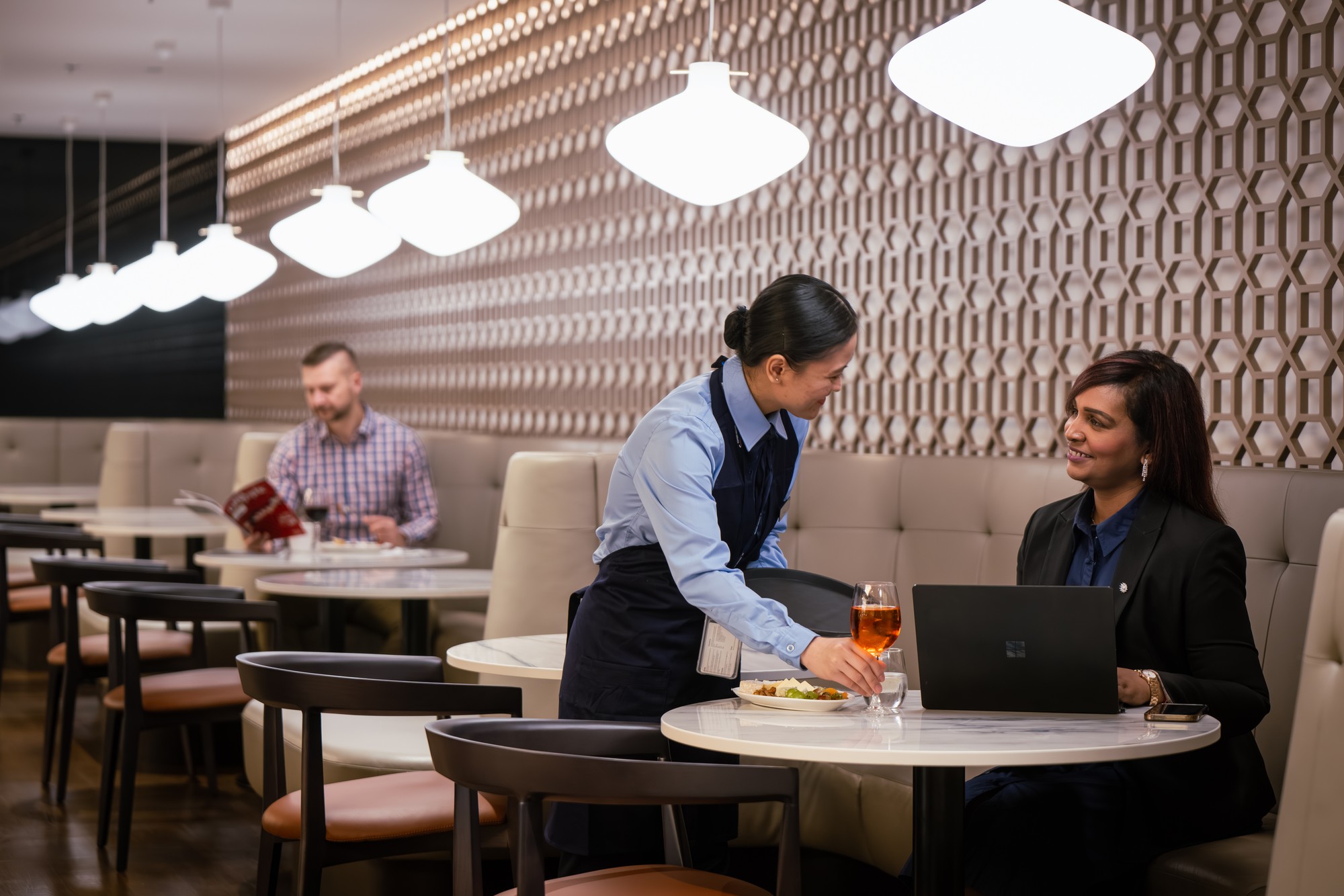
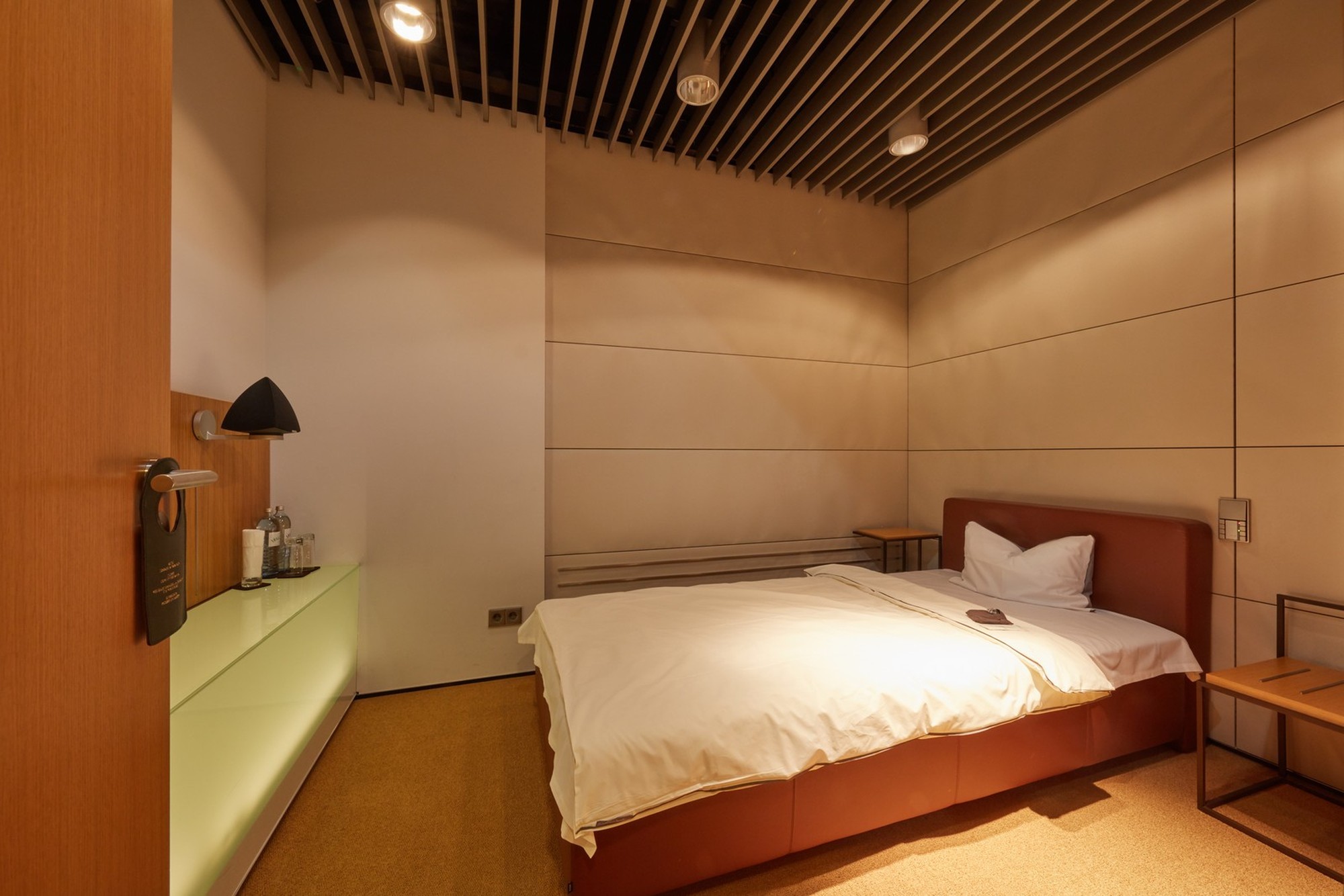
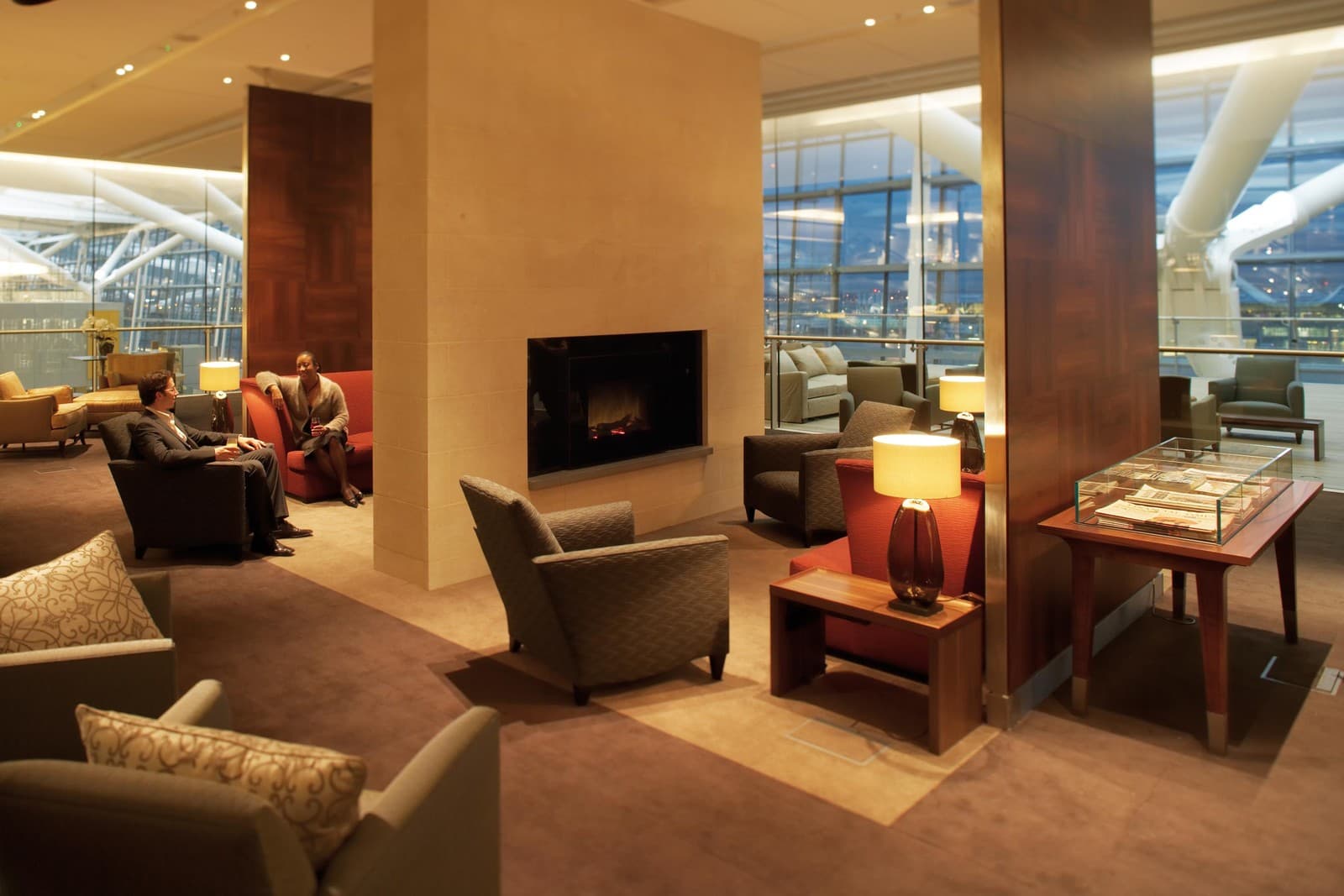
This is where airlines put real money. Flagship lounges are built for long-haul premium passengers and typically feature full restaurant-style à la carte dining, private shower suites, sleep rooms or nap pods, and dedicated staff. The United Polaris Lounge at Chicago O'Hare is a genuine standout in this category — the sleep suites alone justify arriving early. American Airlines' Flagship Lounge and Lufthansa's First Class Terminal in Frankfurt (technically a separate facility, not a lounge) operate at a similar level. Always complimentary with an eligible long-haul business or first class ticket.
Alliance lounges
Star Alliance, Oneworld, and SkyTeam each maintain shared lounges at select airports specifically to cover gaps where individual member airlines don't have their own space. The Star Alliance Lounge in Los Angeles and SkyTeam Lounge in Vancouver are good examples. If you're flying business class on any member carrier, you're in. These lounges tend to be clean and well-run, though they rarely have the personality of an airline's own flagship product.
Partner lounges
Some of the best lounge access comes through bilateral partnerships that have nothing to do with formal alliances. Delta One passengers at London Heathrow can use the Virgin Atlantic Clubhouse. Qantas business class travelers transiting Dubai get access to Emirates lounges. These arrangements can land you somewhere significantly better than your airline's own product at that station — and they're fully complimentary if you're ticketed in the right cabin.
Contract lounges
When an airline has no lounge presence at a given airport, it contracts with an independent facility to host its premium passengers. The experience varies. Some contract lounges are genuinely good; others are just a step above the gate area. Art and Lounge at Newark and Marhaba Lounge in Dubai are common examples. Your airline will confirm which lounge they've contracted if you call ahead — and it's worth asking before you wander.
Independent lounge networks
Plaza Premium, Aspire, No1 Lounges, and the Global Lounge Network operate independently of any airline. Access typically requires Priority Pass, DragonPass, or LoungeKey membership — or a walk-up payment at the door. These are not included with your business class ticket unless your airline has specifically contracted them. Quality ranges from mediocre to genuinely impressive depending on the airport and the operator.
Credit card lounges
American Express Centurion Lounges, Chase Sapphire Lounges, and Capital One Lounges are among the best airport experiences available anywhere — and they have nothing to do with your ticket class. Access is purely card-based. If you hold the right Amex product, the Centurion Lounge in New York JFK is worth arriving for, full stop.
Pay-per-use lounges
Any traveler can walk into an Escape Lounge or certain Plaza Premium locations for roughly $35–$70. No ticket class required, no membership needed. If you're stuck in economy on a connection, this is how you buy yourself an hour of sanity. Not relevant if you're already in business class — but worth knowing the option exists.
Independent pay-per-use facilities offer an escape for $35–$70 — irrelevant when flying up front, but a valuable safety net if you ever face a long delay in economy
Which lounges are actually included with your business class ticket?
This is the question that matters most, and the answer isn't always obvious.
Lounge type
Complimentary with business/first class ticket?
Airline lounges
✅ Yes for international flights. Domestic US first class usually excluded.
Airline flagship lounges
✅ Always, with eligible long-haul ticket
Alliance lounges
✅ Yes on international business/first class
Partner lounges
✅ Yes, if flying the partner carrier in business/first
Contract lounges
✅ Yes, but only if your airline uses them at that airport
Independent networks
❌ Not included unless your airline specifically contracts them
Credit card lounges
❌ Card-based access only, unrelated to ticket
Pay-per-use lounges
❌ Always a separate charge
The short version: airline-operated lounges, their flagship products, alliance lounges, and any contracted third-party facilities your airline uses — all complimentary. Everything else requires a separate membership or payment.
One thing worth flagging: domestic US first class is the great disappointment of this system. A $600 first class ticket from LAX to JFK gets you a bigger seat and a meal, but no lounge access at most carriers unless you hold status or a co-branded credit card. International flights operate under completely different rules.
Unlike international premium cabins, a standard domestic first class ticket within the US typically won't grant you lounge entry unless paired with elite status or specific credit cards
Airline vs. partner or alliance lounges: which should you choose?
Most travelers follow the signs to their airline's lounge without considering alternatives. That's fine, and often correct — but not always optimal.
At major hubs, a business class ticket can open two or three different lounge doors simultaneously. The right choice depends on what you're after: a proper hot meal, a shower before a red-eye, a quiet space to work, or just somewhere to have a drink without queueing. Different lounges genuinely excel at different things, and the default option isn't always the strongest one.
My general rule: if the airline has a flagship lounge, start there. If you're connecting through an airport where your airline's own product is underwhelming, check whether a partner or alliance lounge offers something better before you commit.
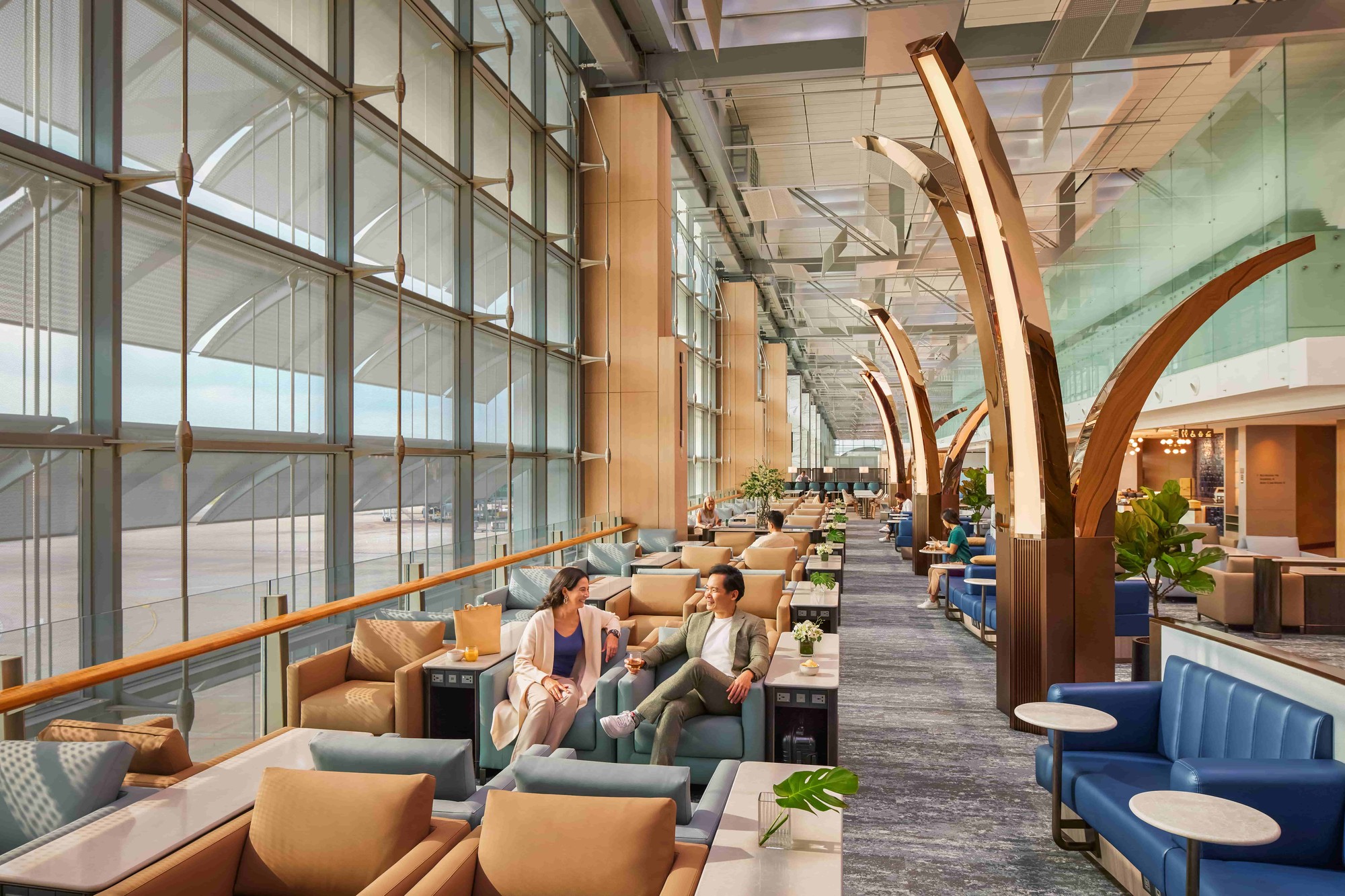
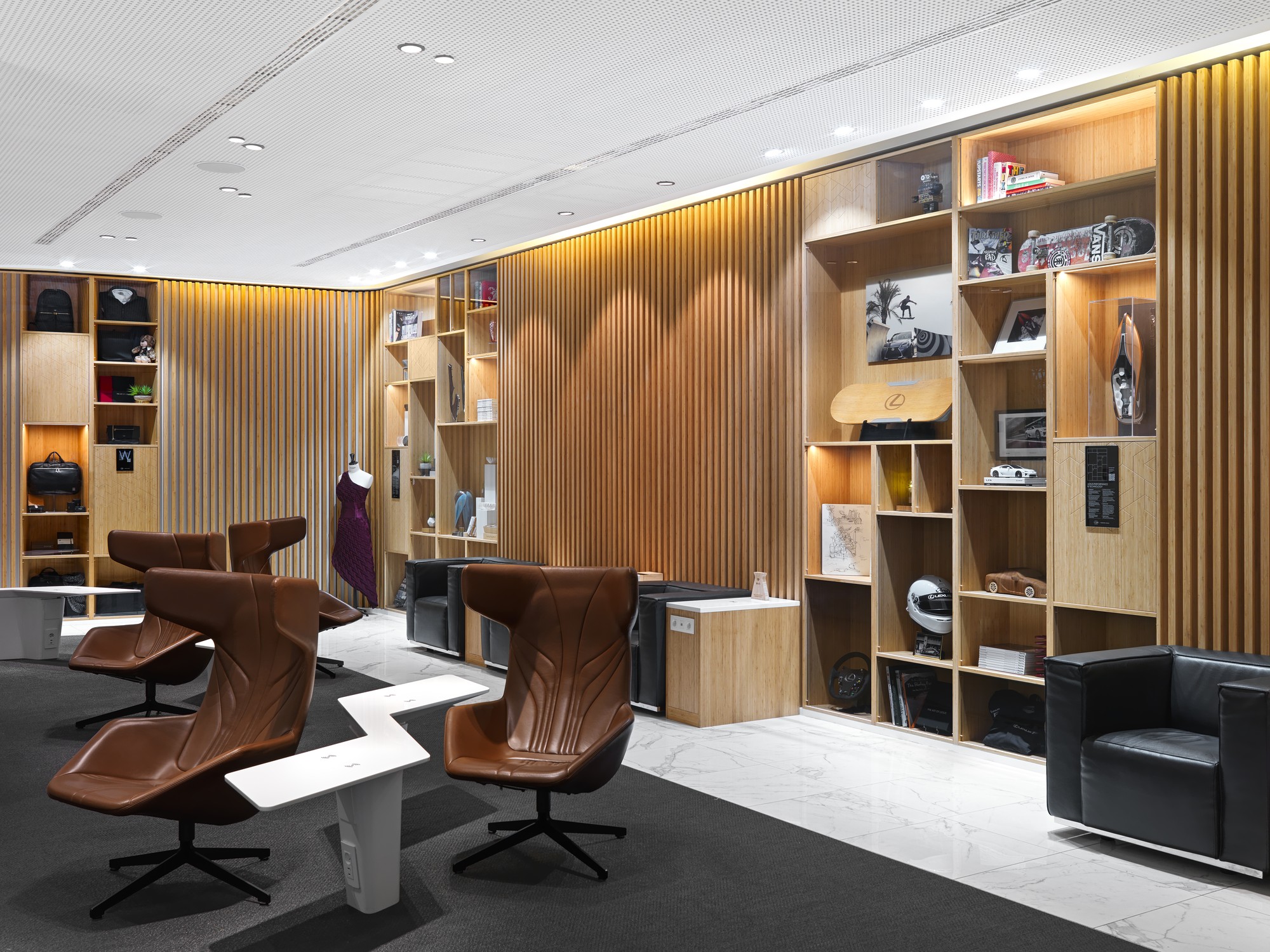
Always start with your carrier's flagship facility — but if their standard lounge feels underwhelming, your ticket often permits access to superior partner or alliance alternatives
Real examples that illustrate how this works
Singapore Airlines at London Heathrow. SQ business class passengers can use the SilverKris Lounge (excellent laksa, genuinely good Asian cuisine) or, as a Star Alliance member airline, shift to the Lufthansa Lounge in the same terminal for a quieter European setting, or the United Club for more space. Three different environments, one ticket.
Cathay Pacific at New York JFK. Cathay's own lounge at JFK has a boutique feel and strong dim sum service. But Oneworld membership means the American Airlines Flagship Lounge is also on the table — larger, with more varied food and significantly more seating during peak times. Cathay wins on atmosphere; AA Flagship wins on pure capacity.
Delta One at London Heathrow. The Delta/Virgin Atlantic partnership is one of the better deals in premium travel. Delta One passengers get access to the Virgin Atlantic Clubhouse — a restaurant-bar hybrid with table service, a solid cocktail program, and design that puts most airline lounges to shame. Far better than what Delta operates independently at LHR.
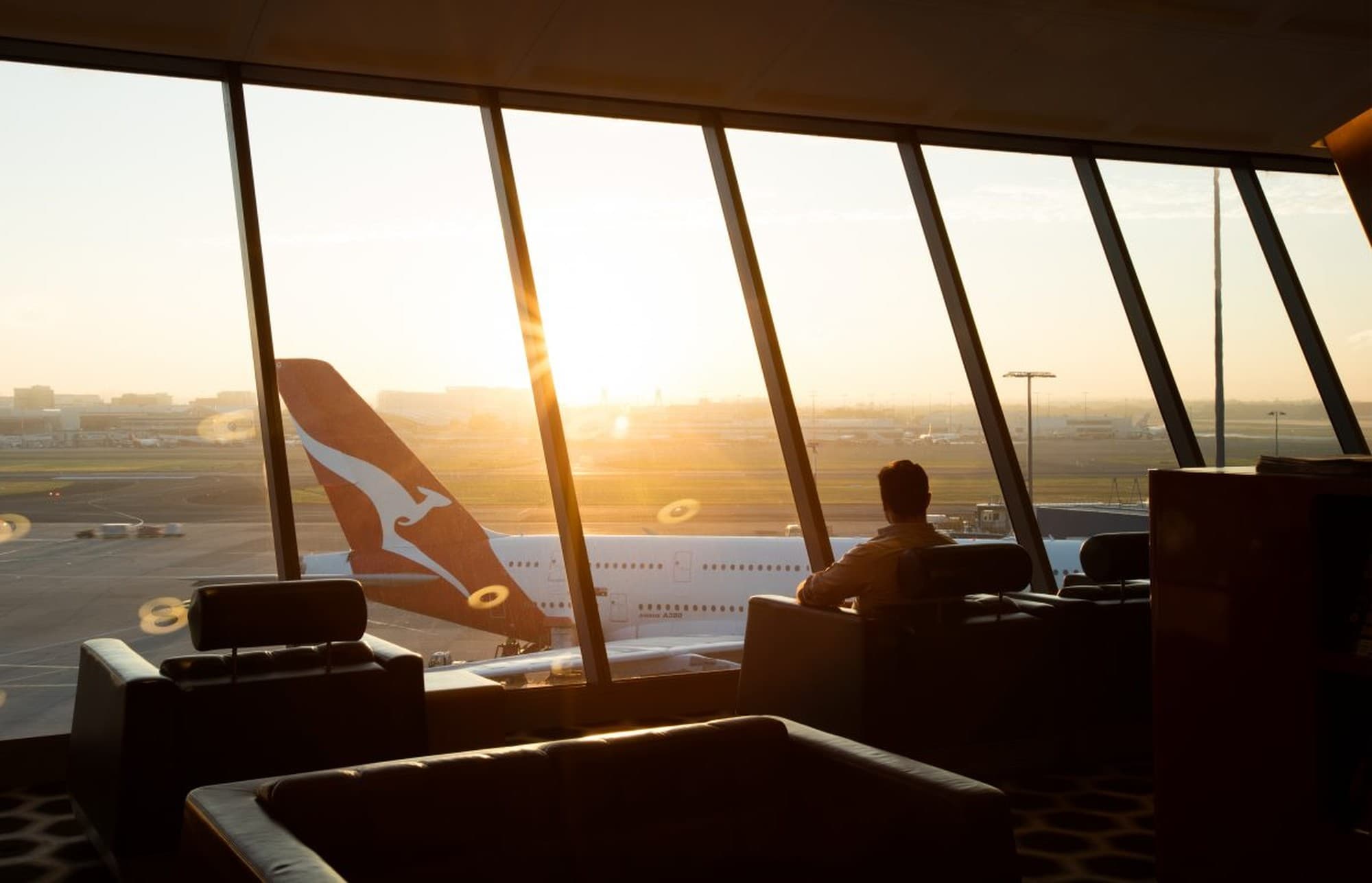
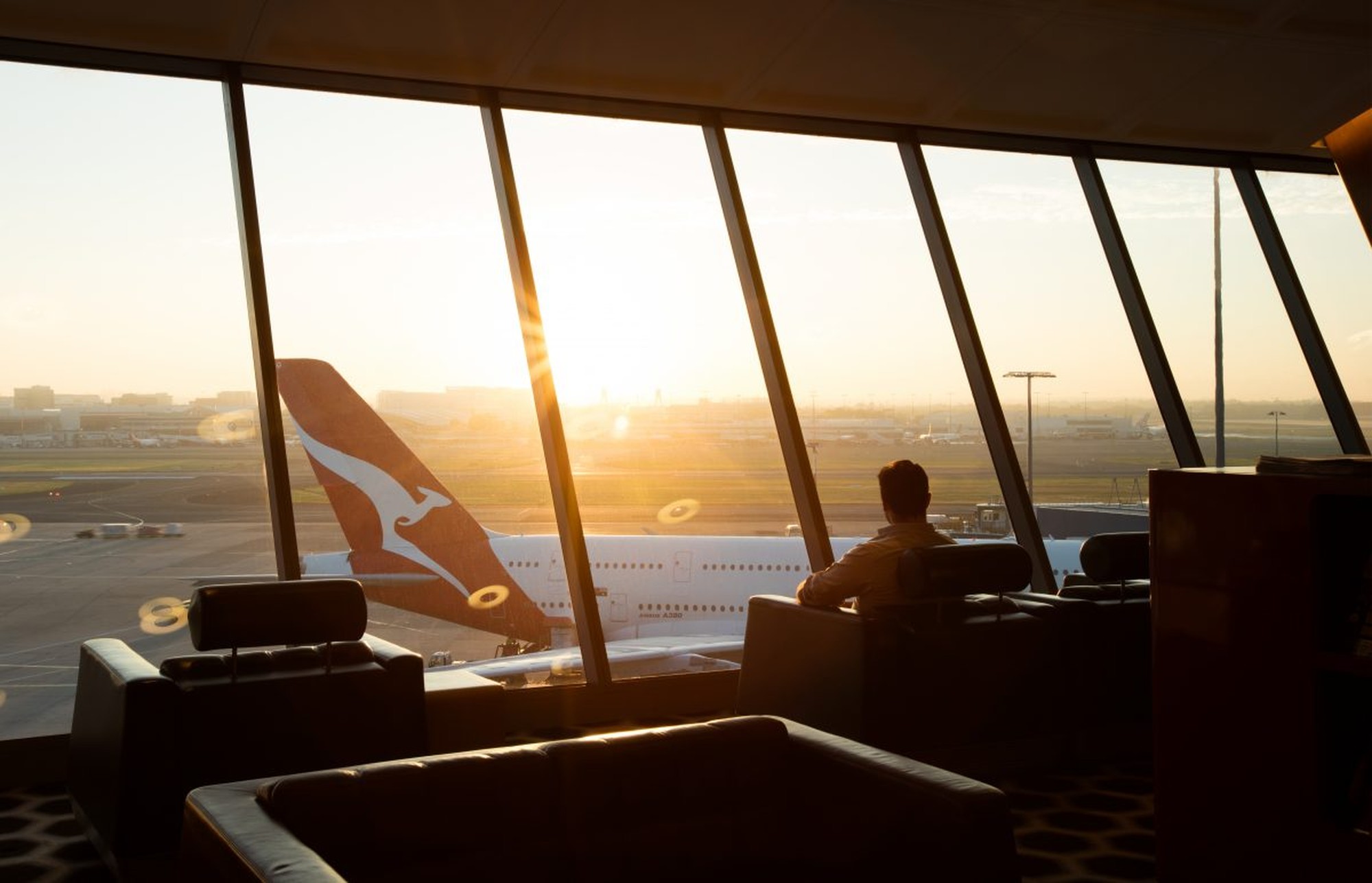
Qantas at Dubai. Qantas business class travelers transiting DXB have access to Emirates lounges, which are among the most generous in the world: full hot buffets, rivers of Veuve Clicquot, and shower facilities that actually have availability. Many Qantas passengers consider this the best lounge experience they've had anywhere.
Bilateral partnerships create hidden value — a Qantas business class ticket through Dubai unlocks Emirates' massive lounges with full hot buffets and abundant shower availability
The pattern is consistent: knowing your access rights before you arrive is worth 20 minutes of research.
Investing twenty minutes to map out your lounge access rights before arriving at the airport consistently yields a substantially better pre-flight experience
How CEOFLIGHTS helps you choose before you book
At CEOFLIGHTS — top rated on Trustpilot and ASTA-accredited (member #900292735) — we talk lounge access with clients before they finalize their routing, not after they've already booked. The lounge situation at your connecting airport can genuinely affect which itinerary makes sense, particularly on 14–18 hour trips where a proper pre-departure meal or shower changes how you land.
Through our airline contracts, business class fares on routes like JFK–Singapore or LAX–London regularly drop from published retail pricing of $8,000–$12,000 to consolidator rates in the $3,200–$5,500 range — while retaining full lounge access, seat selection, and mileage accrual. You're not buying a discounted experience; you're buying the same seat at a different price.
If you want to talk through which airlines offer the best lounge access on a specific route before committing, call us at (888) 851-6897. That conversation costs nothing and often saves a great deal.
Securing the right lounge access before booking is a crucial part of our workflow — on a 14-hour itinerary, a proper shower and meal genuinely changes how you arrive
The seat is what gets you across the ocean. The lounge is what gets you there in a usable state. Both decisions deserve some thought — and the good news is that most business class tickets give you more options than the airport signs let on.
Content creator and business travel specialist at CEOFLIGHTS, bringing you the latest insights, tips, and trends in premium business and first-class travel.
Become the CEO of Your Journey
You take the lead. Your dedicated Personal Travel Manager handles every detail.