Southwest's assigned seating revolution: what it means for premium travelers
Southwest killed the seating free-for-all that defined it for 54 years. For executives who fly domestic on points and mileage runs, the real story isn't the new boarding groups. It's what this signals about the shrinking gap between legacy extra-legroom coach and true business class.
CEOFLIGHTS Team12 min read
Quick summary
Southwest ended 54 years of open seating on January 27, 2026, replacing it with four fare tiers and eight boarding groups
Extra-legroom seats (up to 34–36 inches of pitch), soft-launched in 2025, are now standard fleet-wide, while Basic fare flyers pay extra to select any seat at all
For time-sensitive executives, the shift narrows Southwest's gap with legacy domestic extra-legroom sections on short hops, while leaving true transcontinental and international lie-flat Business Class in a separate category entirely
Southwest Airlines spent five decades selling chaos as a feature. Cattle-call boarding, no assigned seats, a mad scramble down the aisle that turned every flight into a mild psychological experiment. On January 27, 2026, that era ended. The airline now assigns seats on every flight, sells four distinct fare tiers, and boards passengers in eight numbered groups like everyone else in the industry.
This is not a small operational tweak. It's the final piece of a transformation that started in 2025 with the end of universal "bags fly free" and a full rebuild of the Rapid Rewards credit card lineup. Southwest is no longer the scrappy outlier of American commercial aviation. It's becoming, structurally at least, a fourth legacy carrier.
For the readership of this publication, the interesting question isn't whether leisure flyers will miss the open-seating free-for-all. Some will, most won't. The interesting question is what this move tells us about where domestic business travel is heading, and whether any of it changes the calculus for executives who normally split their flying between international lie-flatBusiness Class, transcontinental Delta One or Flagship Business, and the occasional non-stop short hop out of Dallas Love Field, Chicago Midway, or Burbank.
Short answer: it makes short-haul nonstops on Southwest far more predictable, while highlighting exactly where narrowbody economy-plus stops and true premium cabin travel begins.
The end of open seating, in plain terms
Here's what actually changed on January 27, 2026. Southwest retired its A/B/C metal boarding-stanchion system—the one where passengers lined up single file based on 24-hour check-in timing—and replaced it with assigned seats sold across four fare products: Basic, Choice, Choice Preferred, and Choice Extra.
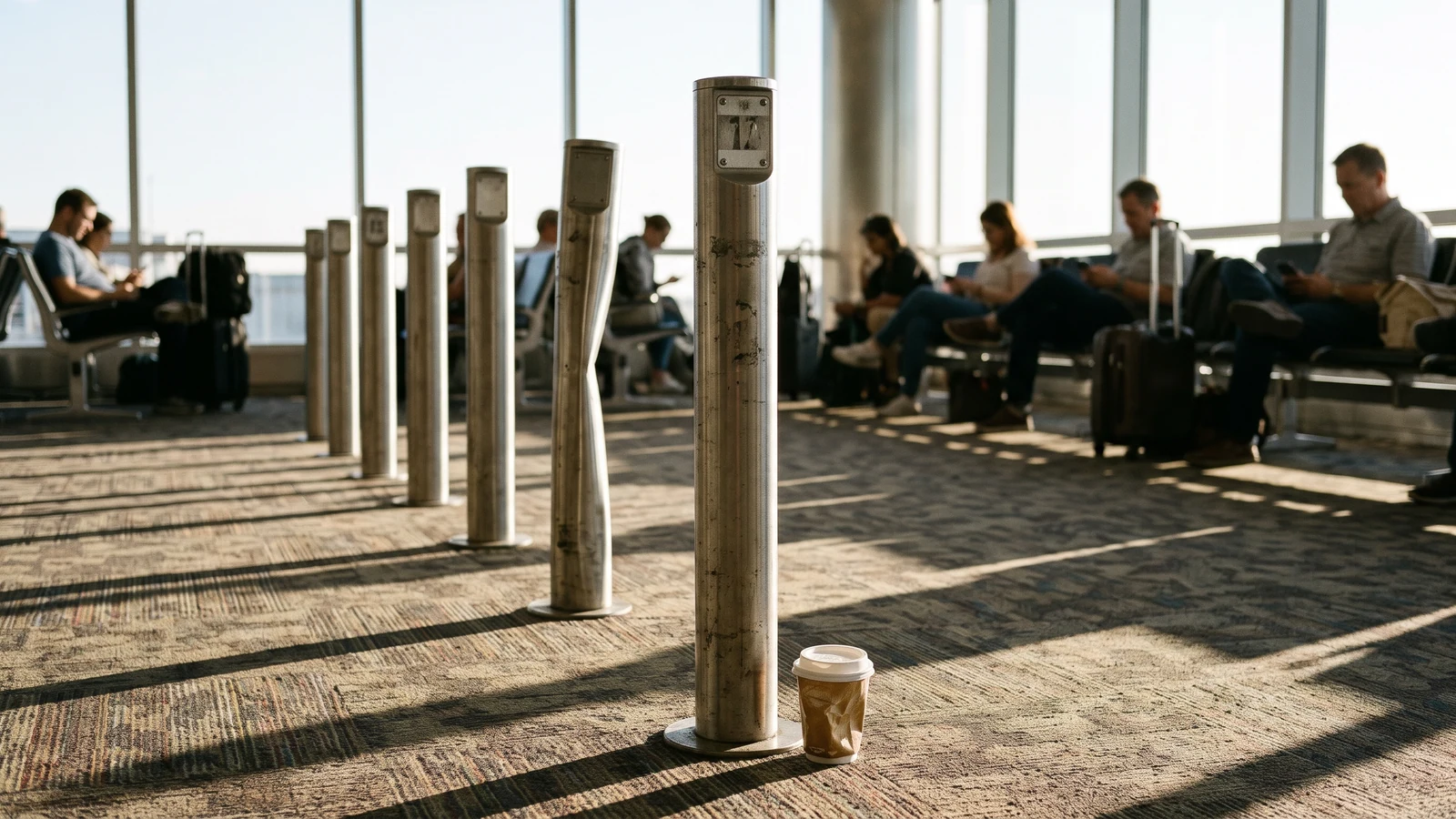
Since January 27, 2026, every Southwest seat is assigned, ending 54 years of open seating and the lineup by boarding position at the gate.
Basic fare passengers, the successor to the old "Wanna Get Away" ticket, get their seat assigned automatically at check-in. No selection, no control, no say in whether you're wedged in a middle seat next to the aft lavatory. Choice and Choice Preferred both allow seat selection at booking, with Preferred unlocking standard-legroom rows closer to the front of the cabin. Choice Extra is where things get relevant for anyone who cares about working on a laptop: it buys access to the airline's expanded Extra Legroom section at the front of the cabin and exit rows, along with Group 1 or Group 2 boarding, two free checked bags, and complimentary premium drinks.
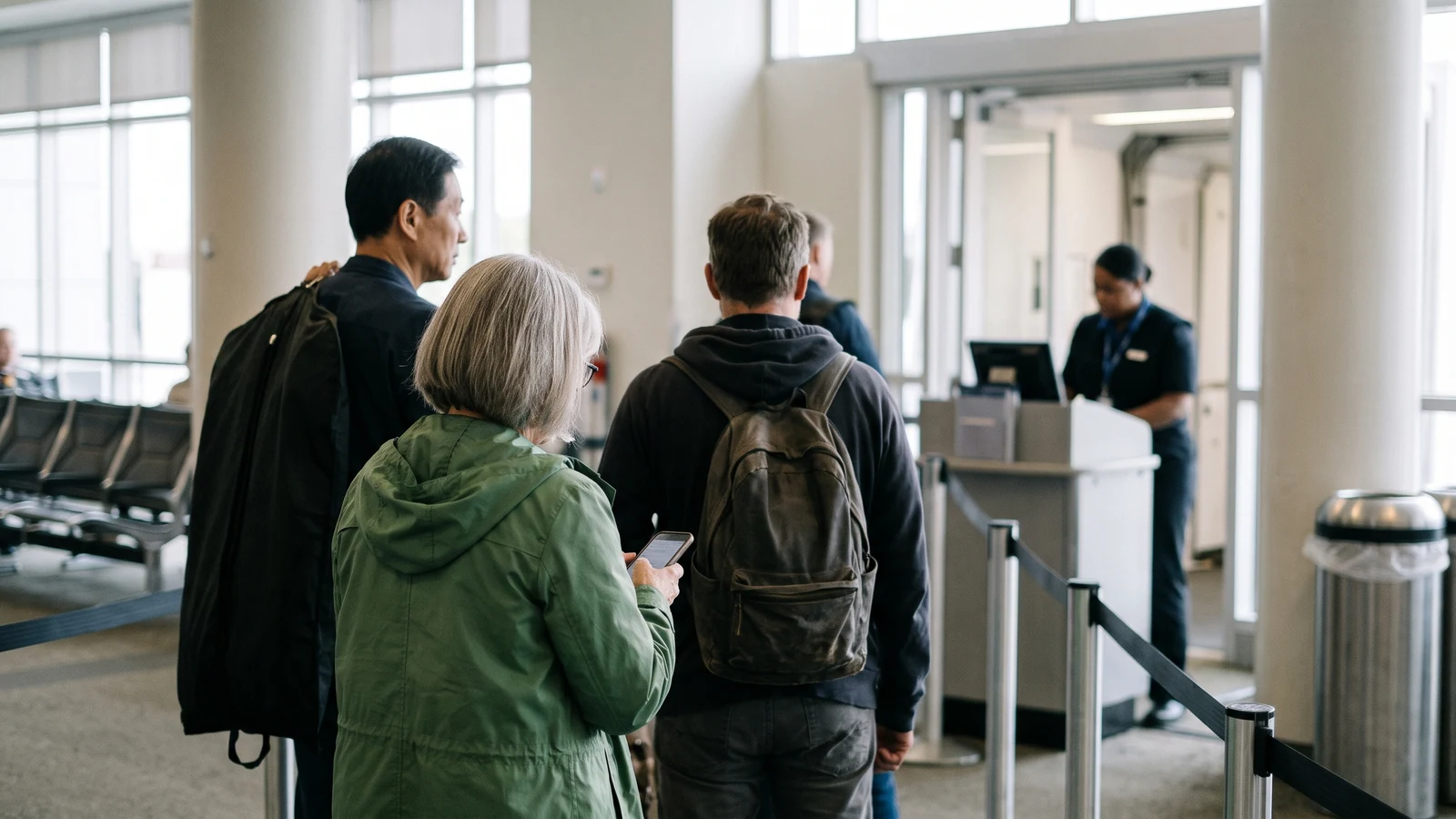
Boarding itself now runs eight groups deep. A-List Preferred elites board before Group 1, A-List members board in Group 1, and Choice Extra passengers board in Group 1 or 2. Choice Preferred passengers in standard or preferred seats and cobranded cardholders board no later than Group 5, Choice fares fall in Groups 3 through 7, and Basic fare passengers board last in Group 8. It's a hierarchy that would have been unrecognizable to Southwest flyers a decade ago, and one that mirrors the boarding structure Delta, United, and American have used for years.
Boarding now runs in eight groups. A-List Preferred goes before Group 1, Choice Extra boards in Group 1 or 2, and Basic fares board last in Group 8.
54Years Southwest ran open seating before ending it in January 2026
The company's own customer research showed 80% of Southwest flyers—and 86% of passengers who chose legacy airlines over Southwest—wanted assigned seats. The commercial logic is undeniable: assigned seating and cabin segmentation let Southwest monetize the front third of its Boeing 737 cabins, the exact revenue engine Delta perfected with Comfort+ and American built with Main Cabin Extra.
Why the extra-legroom rollout matters more than the seating change itself
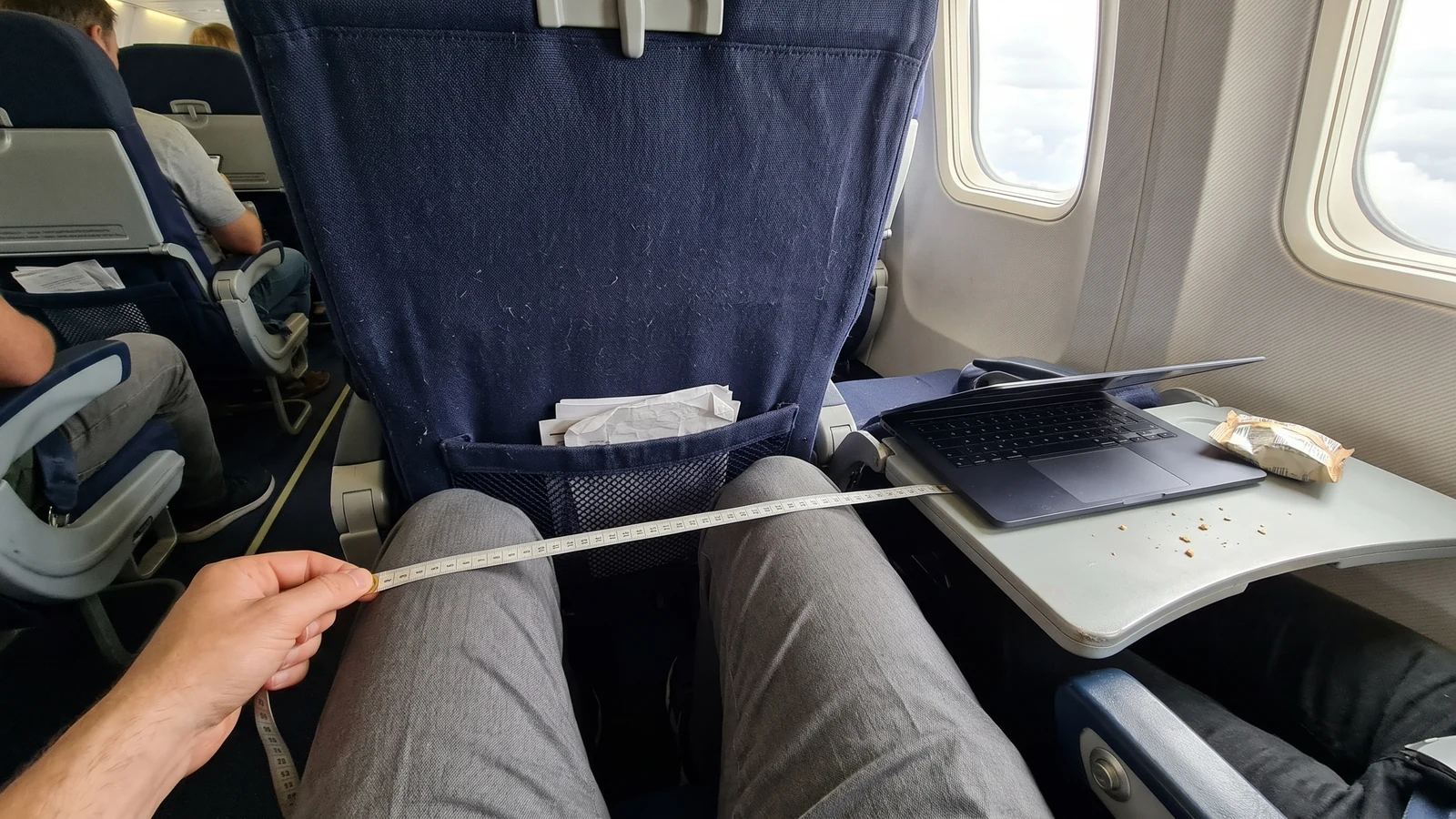
Buried under the assigned-seating headline is the detail that actually moves the needle for business travelers: roughly one-third of every Southwest Boeing 737-800 and 737 MAX 8 cabin (up to 68 seats per aircraft, plus 40 seats on the smaller 737-700) has been reconfigured into an Extra Legroom section offering 34 to 36 inches of seat pitch, compared to 31 inches in the standard rows behind it.
This matters because Southwest historically had no answer for an executive who needed enough knee clearance to open a 14-inch MacBook Pro on a Tuesday morning flight from Dallas Love Field to LaGuardia. Previously, paying top dollar for "Business Select" bought you boarding position A1 and a drink coupon, but you still sat in the exact same 31-inch-pitch seat as the cheapest fare on the plane.
Extra Legroom rows offer 34 to 36 inches of pitch against 31 inches in the standard rows behind them, often the margin that decides whether a 14-inch laptop opens at all.
Now there's a defined physical product tier. Choice Extra guarantees a seat in the 34-to-36-inch pitch zone with earliest overhead bin access. Southwest didn't build this out of generosity; it built this because corporate travelers were defecting to United, Delta, and American on two-to-three-hour routes purely to avoid cramped coach pitch and the 24-hour check-in alarm clock.
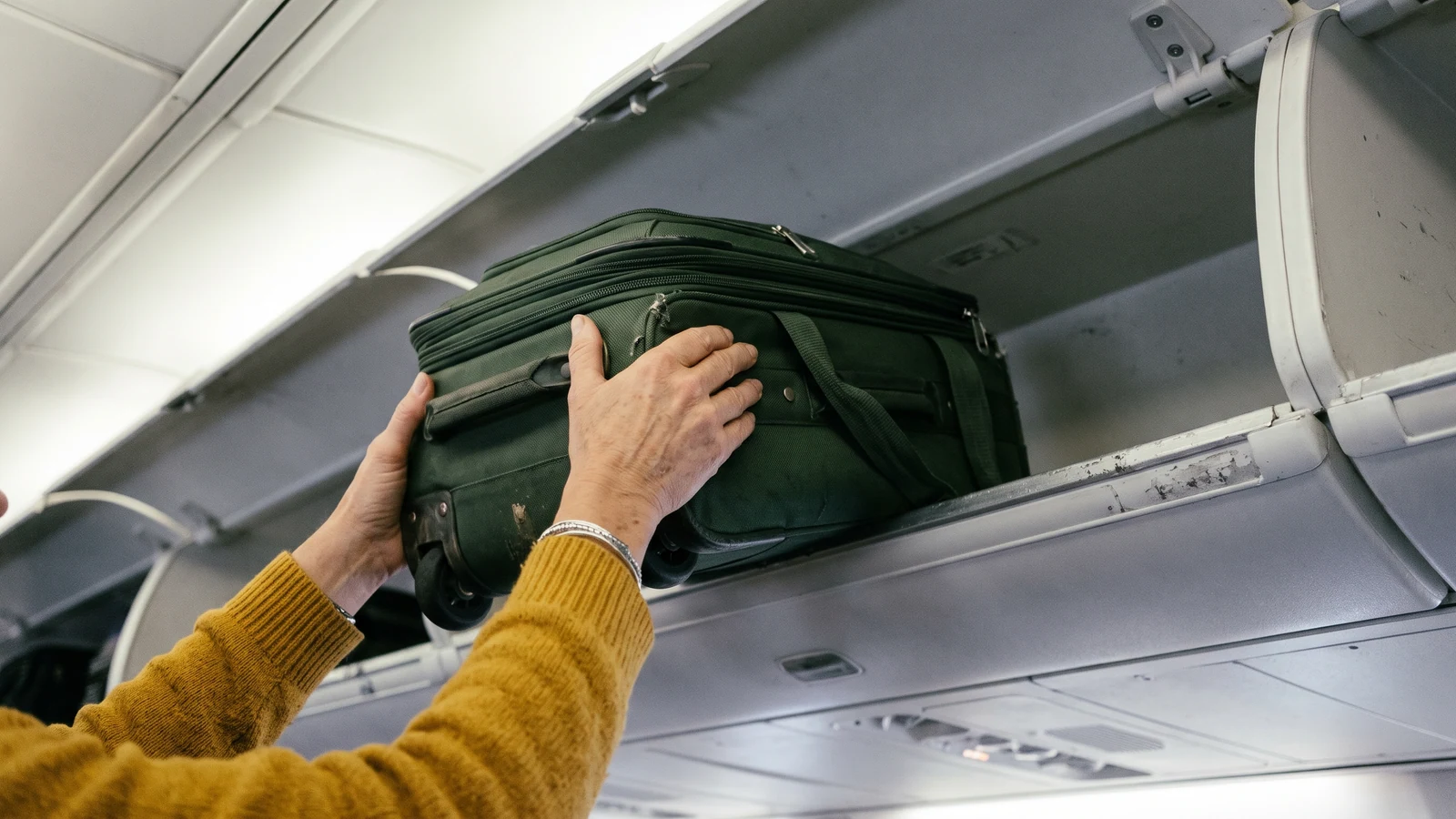
Choice Extra puts you in Group 1 or 2, which means first pick of the overhead bins before the front of the cabin fills.
Insider Strategy
If you're flying a short-haul nonstop where Southwest operates from a more convenient secondary airport—like Dallas Love Field (DAL), Houston Hobby (HOU), Chicago Midway (MDW), or Hollywood Burbank (BUR)—booking Choice Extra locks in a front-row window or aisle seat at booking and guarantees Group 1–2 overhead bin space without setting a 24-hour check-in reminder.
What this signals about the domestic premium cabin arms race
Southwest's move confirms that the entire U.S. domestic market has converged on cabin segmentation: restrictive basic economy at the back, extra-legroom coach in the middle, and higher-margin premium cabins up front.
Look at what the legacy three have been doing at the top of the domestic pyramid: Delta now runs widebody and lie-flat Delta One suites on transcontinental routes (JFK–LAX, JFK–SFO, BOS–LAX) with dedicated Delta One Lounges at JFK, LAX, BOS, and SEA. United operates lie-flat Boeing 757 and widebody aircraft on premium transcontinental corridors, and American runs three-cabin and new Flagship Suite widebodies across its flagship coast-to-coast routes.
What Southwest's rebuild tells you is that the middle seat is still a middle seat. Even in Row 2 of Choice Extra, Southwest's Boeing 737s remain single-aisle 3-3 configurations with 17.8-inch-wide seats—there is no 2-2 domestic First Class recliner with a 21-inch seat width, let alone a lie-flat bed. On a 75-minute hop between Burbank and Oakland or Dallas and Houston, 35 inches of pitch in a Choice Extra aisle seat is plenty. On a five-hour transcontinental flight, it doesn't replace a true First or Business Class cabin.
The fine print that actually costs money
Here's where the marketing gloss thins out. If you or your team book Southwest's entry-level Basic fare, you cannot select a seat at booking unless you hold A-List status or carry a Priority or Performance Business card (the Plus and Premier cards open selection only within 48 hours of departure)—and Basic fares no longer include free checked bags.
Basic fares get a seat assigned at check-in. To pick at booking you need a higher fare, A-List status, or a Rapid Rewards Priority or Performance Business card.
Here is how the elite and credit card seat-selection hierarchy actually works:
A-List Preferred status: Complimentary access to Extra Legroom seats at the time of booking on any fare tier, including Basic.
A-List status & Rapid Rewards Priority / Performance Business cards: Complimentary standard seat selection at booking, plus complimentary upgrades into open Extra Legroom seats starting 48 hours before departure.
Rapid Rewards Premier / Premier Business cards: Complimentary standard/preferred seat selection within 48 hours of departure.
What Southwest still can't sell you
None of this changes the fundamental product Southwest still lacks: a true two-by-two First Class cabin and a long-haul widebody international network.
While Southwest has begun adding long-awaited red-eye flights and interline partnerships (such as its partnership with Icelandair at BWI, Nashville, Denver and several other gateways), its fleet remains 100% Boeing 737 single-aisle aircraft. For executives flying to London, Frankfurt, Doha, Tokyo, or Singapore, Southwest isn't part of the conversation.
Southwest still flies only single-aisle Boeing 737s. Red-eyes and partners such as Icelandair widen the map, but long-haul lie-flat Business Class is not part of the product.
What hasn't changed
Southwest still operates an all-737 fleet with 3-3 seating throughout the entire aircraft—even in Row 1. Choice Extra gives you 34–36 inches of legroom and Group 1–2 boarding, not a wider First Class seat or a blocked middle seat.
Points, partnerships, and in-flight connectivity
There are two genuine bright spots in Southwest's 2026 product modernization for business flyers:
In-seat power and larger bins: Newly delivered Boeing 737 MAX 8 aircraft and retrofitted 737-800s now feature 60W USB-C and USB-A power ports at every seat back—ending the era of watching your laptop battery die mid-flight—alongside larger pivot overhead bins that hold rollers on their side.
Interline gateway connections: By modernizing its reservation system to support assigned seating, Southwest can now interline with international full-service carriers (Southwest's partner page now lists about a dozen airlines, including Icelandair, China Airlines, Turkish Airlines, EVA Air, ANA, Condor and Singapore Airlines), allowing connections from secondary U.S. cities into international hubs.
When Choice Extra makes sense—and when to stick with true Business Class
Here is the practical decision framework for executives and corporate travel arrangers:
Use Southwest Choice Extra when:
You are flying a short-haul nonstop under 2.5 hours where a secondary airport (Dallas Love Field, Chicago Midway, Houston Hobby, Burbank, Long Beach, or West Palm Beach) saves you 45 minutes of surface traffic compared to DFW, ORD, IAH, or LAX.
You want a guaranteed front-of-cabin aisle or window seat with 34–36 inches of legroom and Group 1–2 overhead bin space without playing the 24-hour check-in game.
Stick with legacy First / Business Class when:
The flight exceeds three hours, where a 21-inch domestic First Class seat or a transcontinental lie-flat suite (Delta One, American Flagship Business, United Polaris, or JetBlue Mint) protects your ability to work privately or sleep.
You are connecting onto an international long-haul itinerary, where booking a single continuous ticket on a full-service alliance carrier protects your interline baggage allowance (2 x 32kg), lounge access, and automatic rebooking across partner airlines if delays hit.
The bottom line on Southwest's overhaul
Southwest spent eighteen months dismantling the open-seating quirk that made business travelers hesitate to book it. In its place is a clean, predictable structure: assigned seats, up to 68 Extra Legroom seats per 737-800/MAX 8, USB-C laptop power at the seat, and eight boarding groups.
For a 90-minute nonstop out of Love Field or Midway, Choice Extra is a welcome upgrade that finally lets you pick Seat 3C at booking and board first. For transcontinental and international routes where eight hours of sleep, lounge access, and proactive schedule recovery determine how sharp you are at the negotiating table, true lie-flatBusiness Class remains irreplaceable—and our team at CEOFLIGHTS is always on hand to source unpublished Business and First Class fares while managing every seat assignment and connection detail for you.
Content creator and business travel specialist at CEOFLIGHTS, bringing you the latest insights, tips, and trends in premium business and first-class travel.
Become the CEO of Your Journey
You take the lead. Your dedicated Personal Travel Manager handles every detail.