Quick summary
Northern Italy demands smart planning and premium arrival: fly into Milan Malpensa (MXP) rather than Rome to easily access Lake Como, the Dolomites, Venice, and Emilia-Romagna. Partnering with consolidators cuts round-trip transatlantic business class fares from $5,800–$9,200 retail down to $3,200–$4,800 on top carriers like Lufthansa and ITA Airways. We recommend booking boutique lakeside and mountain hotels months in advance and reserving private boat launches over public ferries.
Northern Italy is not a budget destination. It never really was, and anyone who's tried to book a decent room in Bellagio in July knows it. The lakes fill up with superyachts. Portofino charges Maldives prices for mediocre sunsets. The Dolomites attract serious hikers who fly in from Zurich on Friday and leave Sunday. This is a region that rewards travelers who show up with resources — and a plan.
So let's start with the flight, because that's where your experience either begins well or doesn't.
Getting there: which airlines actually deliver on this route
The primary gateway for Northern Italy is Milan Malpensa (MXP). If you're headed to Venice or Verona, you'll route through MXP or possibly Munich (MUC). Rome (FCO) is a terrible entry point for the north — don't do it unless you enjoy unnecessary geography.
From the US, Lufthansa remains the most consistent option, particularly on its Frankfurt (FRA) connection. Their Business Class seats on the A350 routes are excellent — fully flat, 76-inch bed length, direct aisle access in a 1-2-1 configuration. Their First Class (available on select FRA-MXP legs, though the transatlantic segment is the one that matters) is among the best in the sky. Retail fares from JFK to MXP in business run $5,800–$9,200 round-trip. Through our airline contracts at CEOFLIGHTS, we routinely place clients on these same Lufthansa business class seats for $3,200–$4,800 round-trip. The savings more than cover a night at Villa d'Este.
ITA Airways now flies nonstop JFK–MXP (AZ609/AZ610) on an A330-900neo. The business class cabin is new, clean, and features a herringbone layout with direct aisle access. Not the most luxurious product in the sky, but the routing is hard to beat — no connection, no Frankfurt transfer, no sprinting through Terminal 1. The service has improved meaningfully since the carrier relaunched, and the onboard Italian food program is genuinely good.
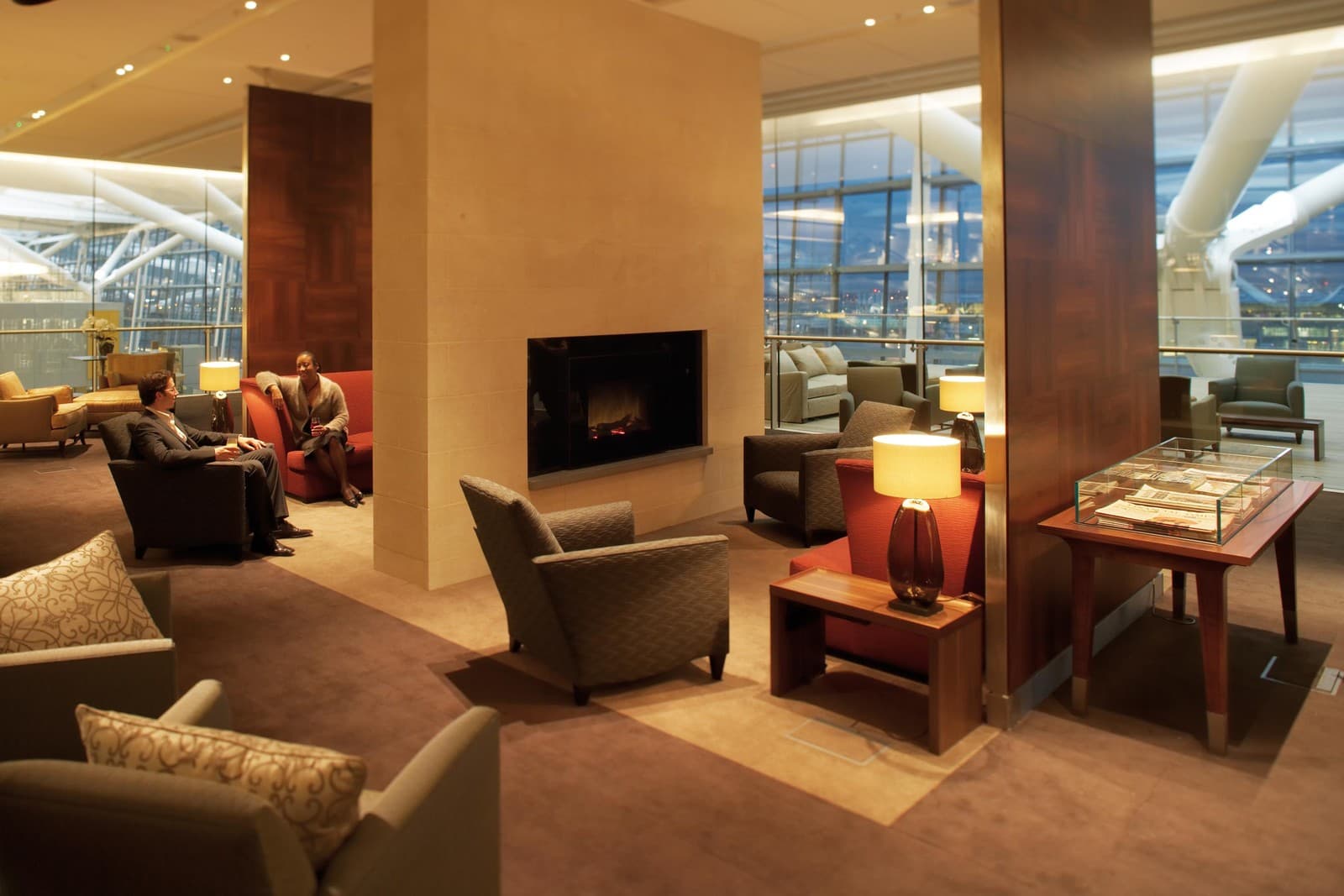
For travelers from the West Coast, United Polaris via EWR or IAD to MXP is the workhorse option. Polaris is a solid if unspectacular business class — the bedding is outstanding, the food inconsistent. LAX–EWR–MXP will add hours, but United's Polaris Lounge at Newark is worth arriving early for.
Connecting through Doha via Qatar Airways QSuite is arguably the finest business class experience available to Northern Italy — you'll just add a few hours. The QSuite on QR131 (JFK–DOH) paired with a DOH–MXP connection puts you in a fully enclosed suite with a closing door. Retail sits around $8,500–$12,000. We can get that to $5,500–$7,000 for clients who call us directly at (888) 851-6897. Worth every dollar if the flying itself matters to you.
CEOFLIGHTS is ASTA-accredited (member #900292735) and top rated on Trustpilot — so when we say we've placed executives on these routes for years, there's a paper trail.
The lakes: where executives go to decompress
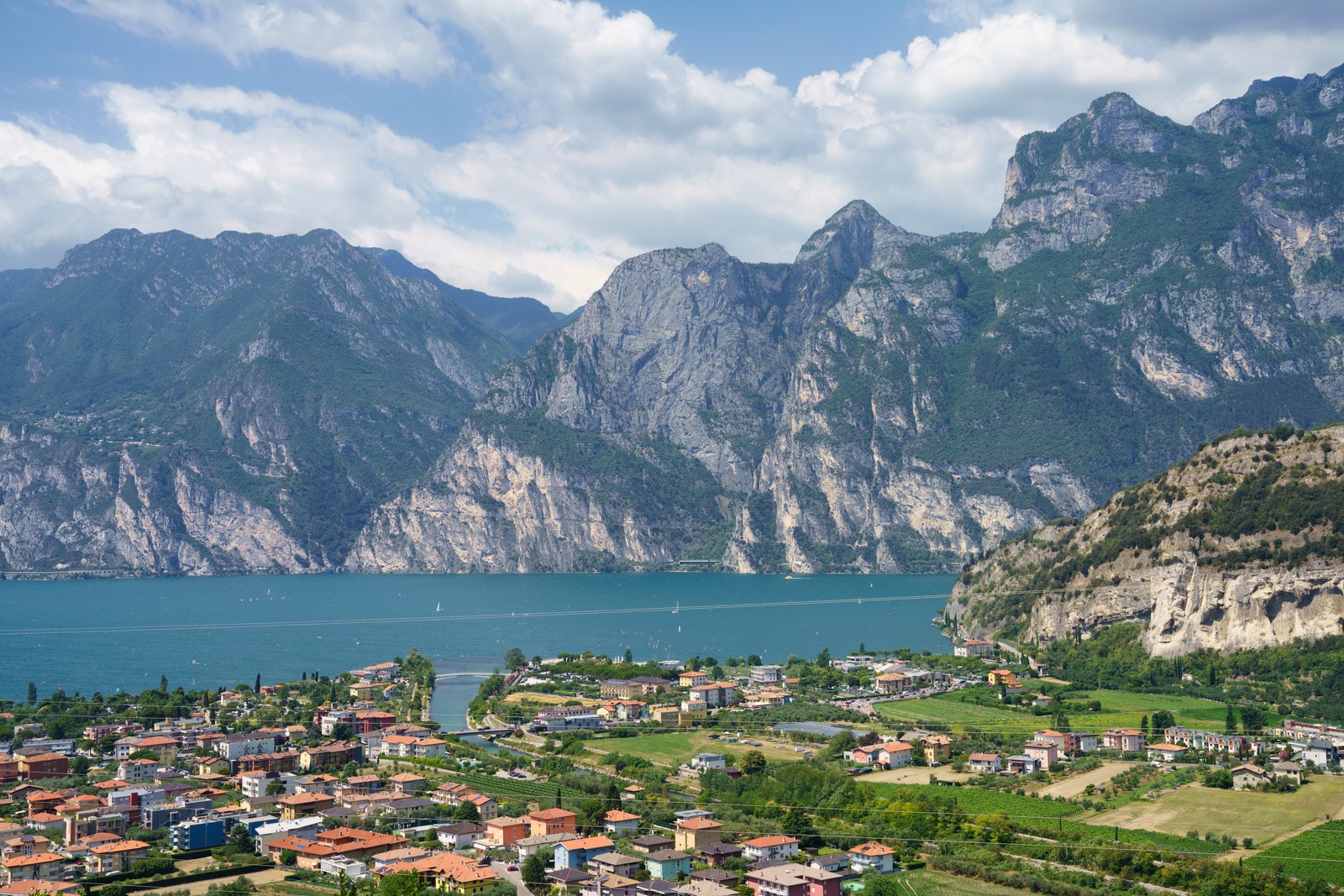
Lake Garda
Italy's largest lake spans three regions and serves up an almost unfair combination of mountain drama and Mediterranean warmth. It's less precious than Como, which is a genuine selling point. The towns are more varied, the sailing is serious, and the western shore, protected inside the Alto Garda Bresciano Regional Park, offers hiking through ecosystems that shift from Mediterranean scrub to alpine meadow within a few kilometers.
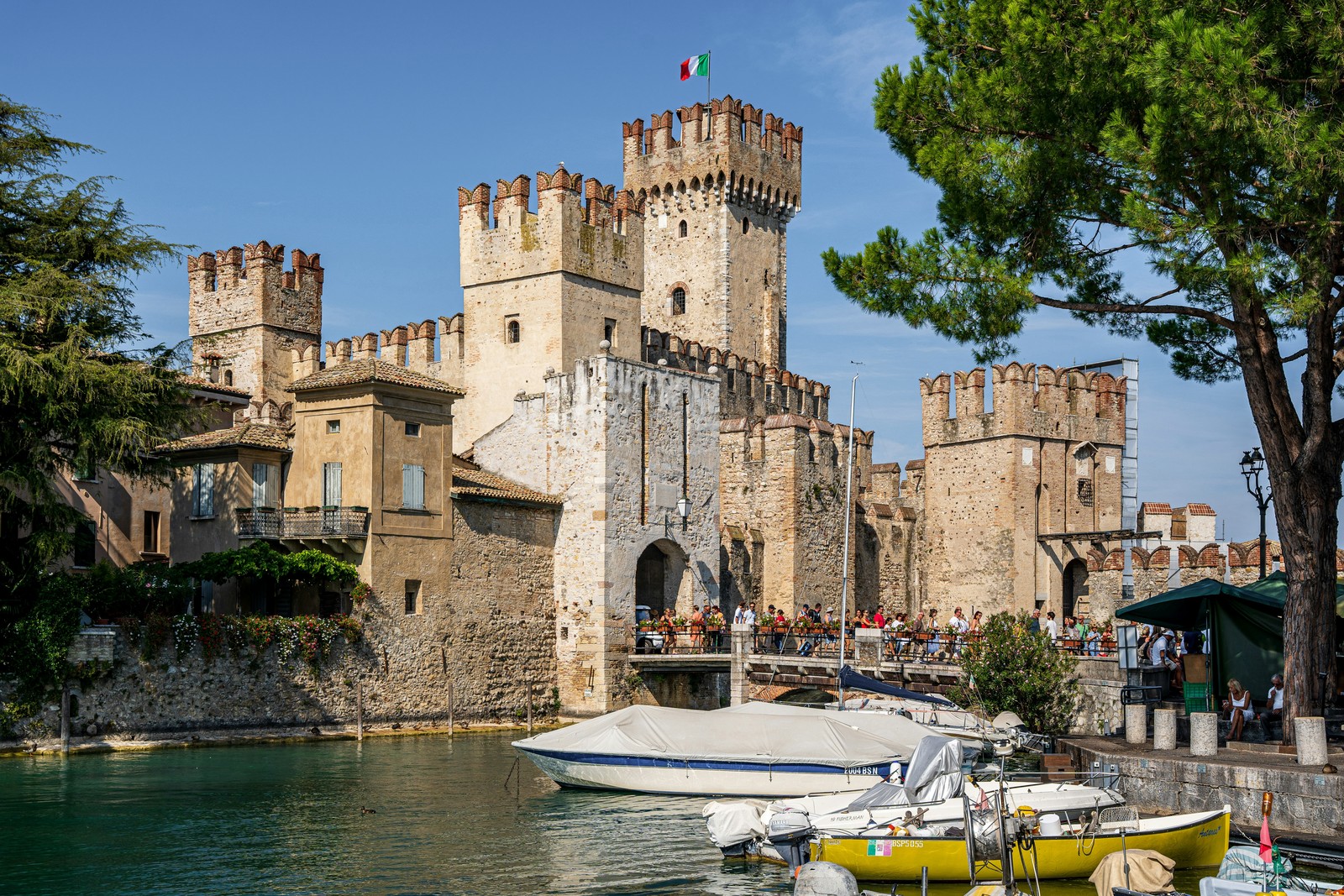
Sirmione, on the southern peninsula, is the highlight. The Scaliger Castle rising over turquoise water looks like a film set — it's real, it's medieval, and it's worth an afternoon. The Grotte di Catullo Roman ruins at the tip of the peninsula are underrated. The thermal baths here are legitimate, not spa-resort theater.
The Cascate del Varone near Riva del Garda drops over 100 meters through a carved vertical gorge. Most visitors to the lake never bother. That's their loss.
For accommodation, the Lefay Resort & SPA Lago di Garda on the western cliffs is the right answer — rooms from €600/night, views that justify the price, and a wellness program that can undo a month of long-haul flying.
Lake Como
George Clooney has a house here. So do Madonna, Richard Branson, Donatella Versace, and Sylvester Stallone. This is not a coincidence.
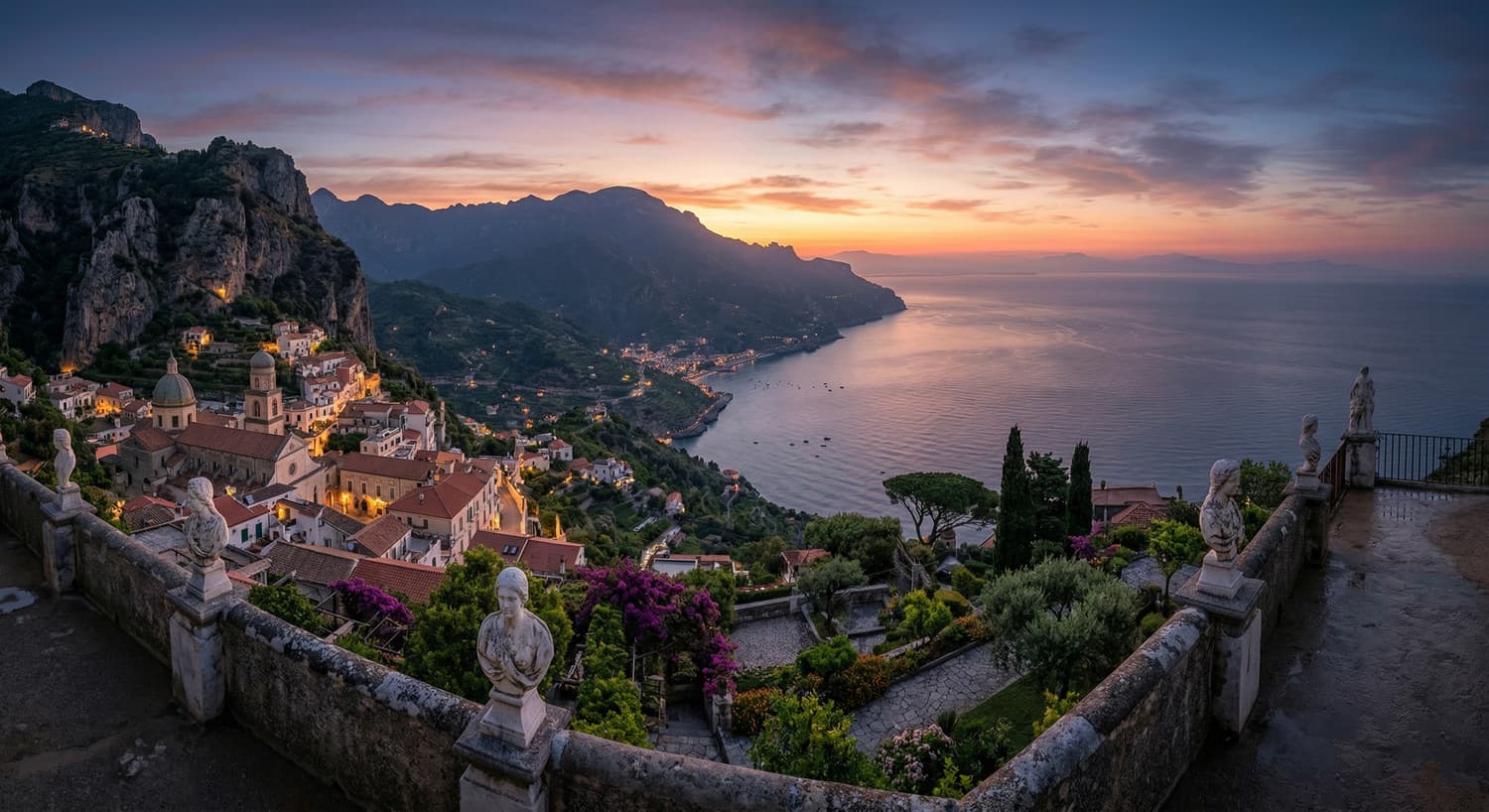
Como's Y-shaped layout creates three branches, each studded with grand villas, small ferries, and towns that have been photographed so many times they've become almost abstract. The most famous of those towns is Bellagio, perched at the fork — narrow streets, boutiques that aren't cheap, and views that are genuinely among the best in Europe.
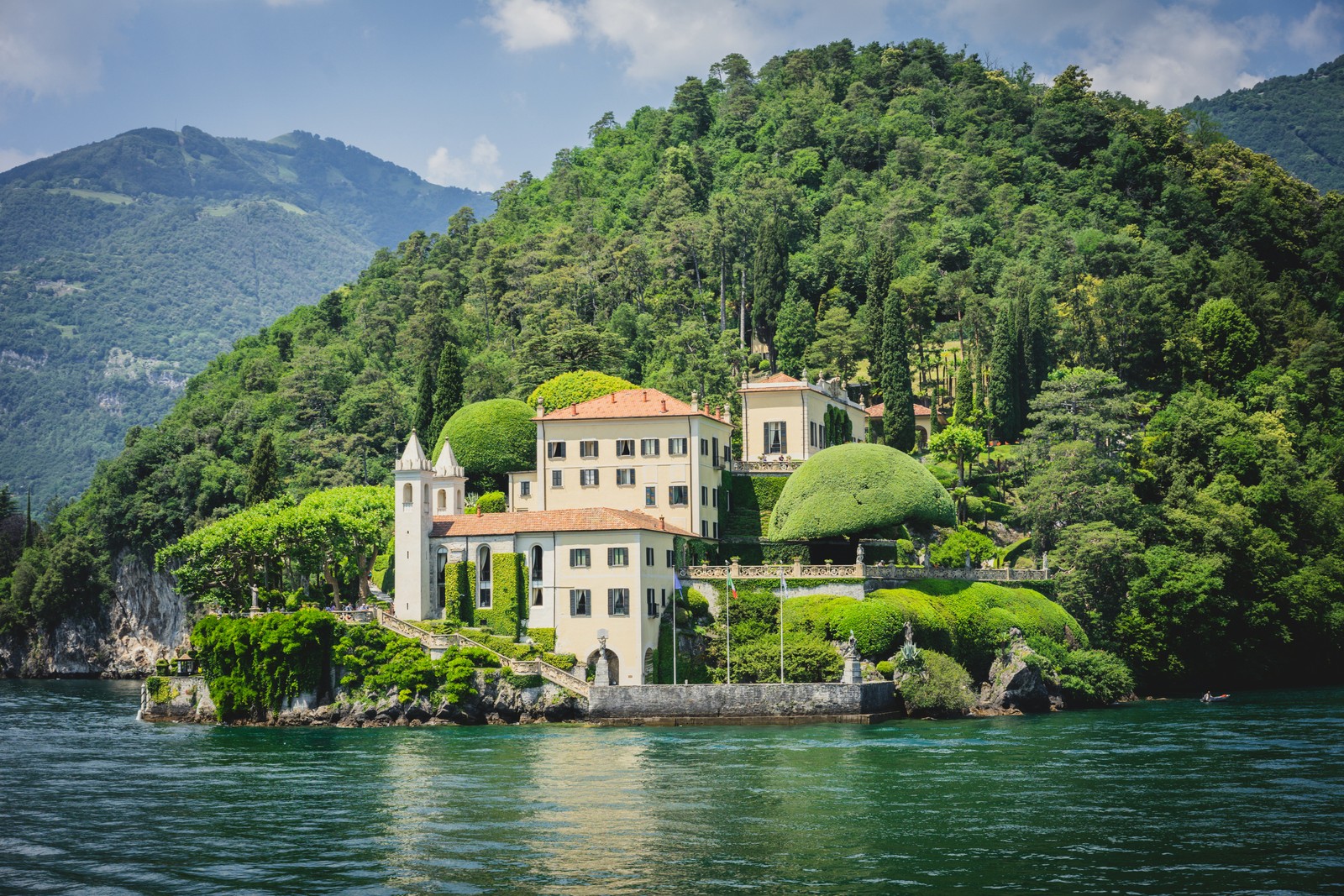
Villa del Balbianello is the standout property on the lake — set on a wooded peninsula, terraced gardens cascading to the water, recognizable to anyone who's seen Casino Royale or Star Wars: Episode II. It's open to visitors and worth timing your boat schedule around.
Private boat tours connecting Varenna, Menaggio, and Tremezzo are the correct way to move around the lake. Public ferries are fine, but if your hotel is charging €900 a night, budget the €400 for a half-day private launch. Grand Hotel Tremezzo is the obvious home base — a Liberty-style palazzo with a floating pool on the lake.
The cities: Milan first, then the others
Milan
Flying into MXP puts you 45 minutes from one of the most functional luxury cities on earth. Milan doesn't try to charm you — it just delivers. The Duomo is extraordinary; stand inside it for ten minutes and you'll understand why people have been building on it since 1386. The Galleria Vittorio Emanuele II is the original luxury mall, built in 1877, and still better than anything built since.
Leonardo's The Last Supper requires advance booking of weeks, sometimes months. Do it before you land.
For dinner, Don Alfonso 1890 San Barbato or Enrico Bartolini al Mudec (two Michelin stars, worth both of them) are where you want to be.
Venice
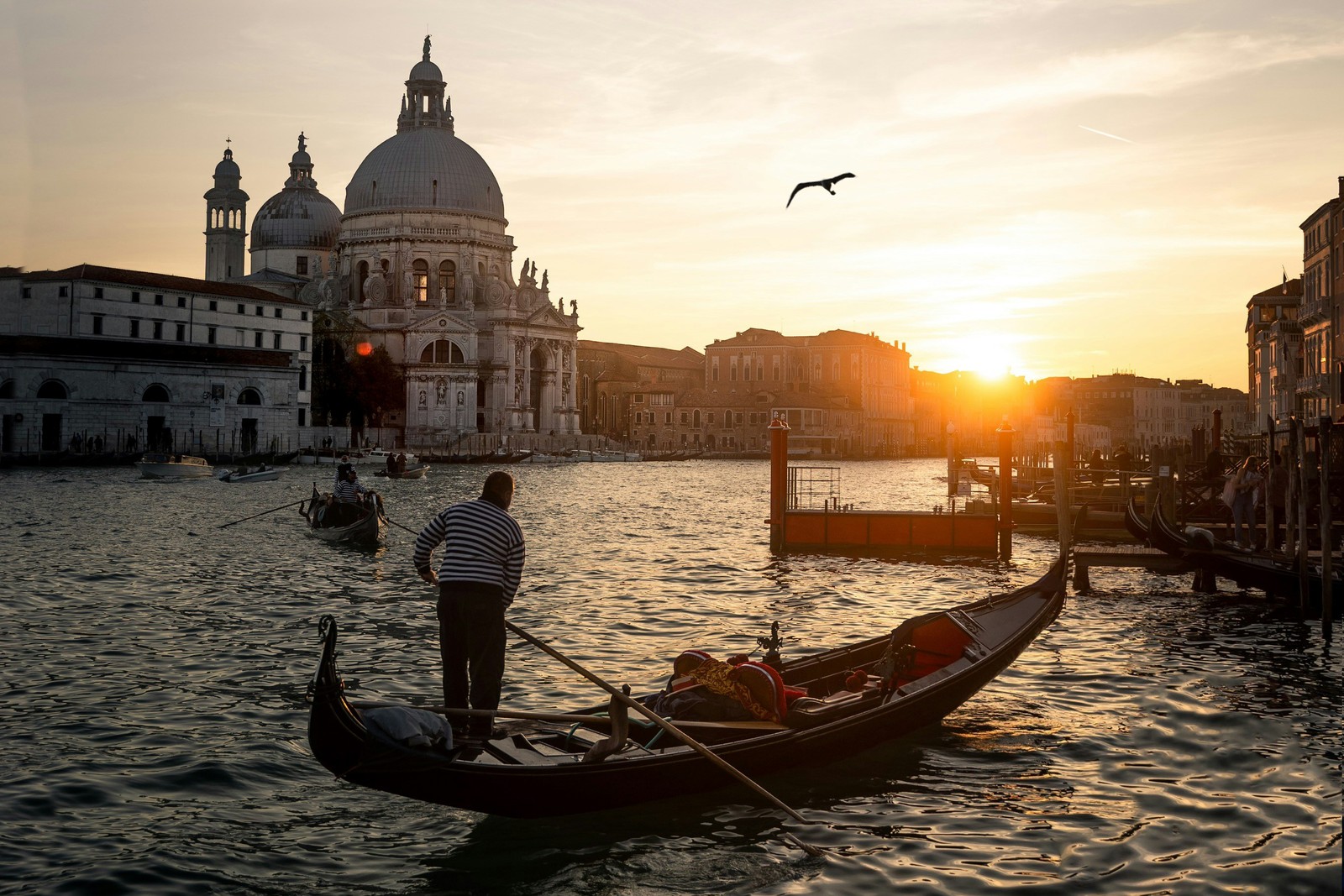
There is no city like Venice. That's not sentiment — it's structural fact. A city built on 118 islands, laced with 177 canals, and containing more art per square kilometer than almost anywhere on earth. St. Mark's Basilica, the Doge's Palace, the Rialto Bridge — these are not tourist traps. They are the point.
The mistake most visitors make is staying in Venice proper without booking far enough ahead. The Aman Venice on the Grand Canal is what this city deserves — a 16th-century palazzo, six suites, one of the best restaurants in the city. Rates start around €3,000/night. Nothing about that is unreasonable given what you get.
Turin, Verona, and Bologna
Turin is the most underrated city in Italy. Full stop. Grand Baroque boulevards, a world-class Egyptian Museum (seriously — second only to Cairo), and a café culture that predates anything in Vienna. The birthplace of Italian vermouth and the country's finest chocolate tradition. Spend two nights here and wonder why you didn't come sooner.
Verona's Roman amphitheater hosts open-air opera in summer — the Arena di Verona Opera Festival runs July through August. Book seats in the stalls. The acoustics are extraordinary.
Bologna is where you eat. Tagliatelle al ragù that bears no resemblance to anything called Bolognese outside Italy. Tortellini in brodo that tastes like someone's grandmother spent three days on it. The porticoed streets stretch for 38 kilometers through the city — the world's longest. Bologna is also home to the oldest university in the Western world, founded in 1088, which lends the city an intellectual energy that the food scene reflects.
Historic towns worth the detour
Bergamo Alta
The upper town — Città Alta — is enclosed by Venetian walls and is one of the more quietly spectacular places in Lombardy. Basilica of Santa Maria Maggiore is covered floor to ceiling in intarsia woodwork and frescoes. The funicular from the lower town takes three minutes. Spend a morning here before heading to Como.
Parma and the Langhe villages
Parma's Cathedral and Baptistery are among the finest Romanesque structures in Italy. The food connection (Parmigiano Reggiano, Prosciutto di Parma) is famous for good reason — go to the source. The Langhe region in Piedmont, centered on Neive and Alba, is the access point for Barbaresco wines and some of the most beautiful vineyard terrain in Europe. A car is essential here. A driver is better.
The mountains: Dolomites first, everything else after
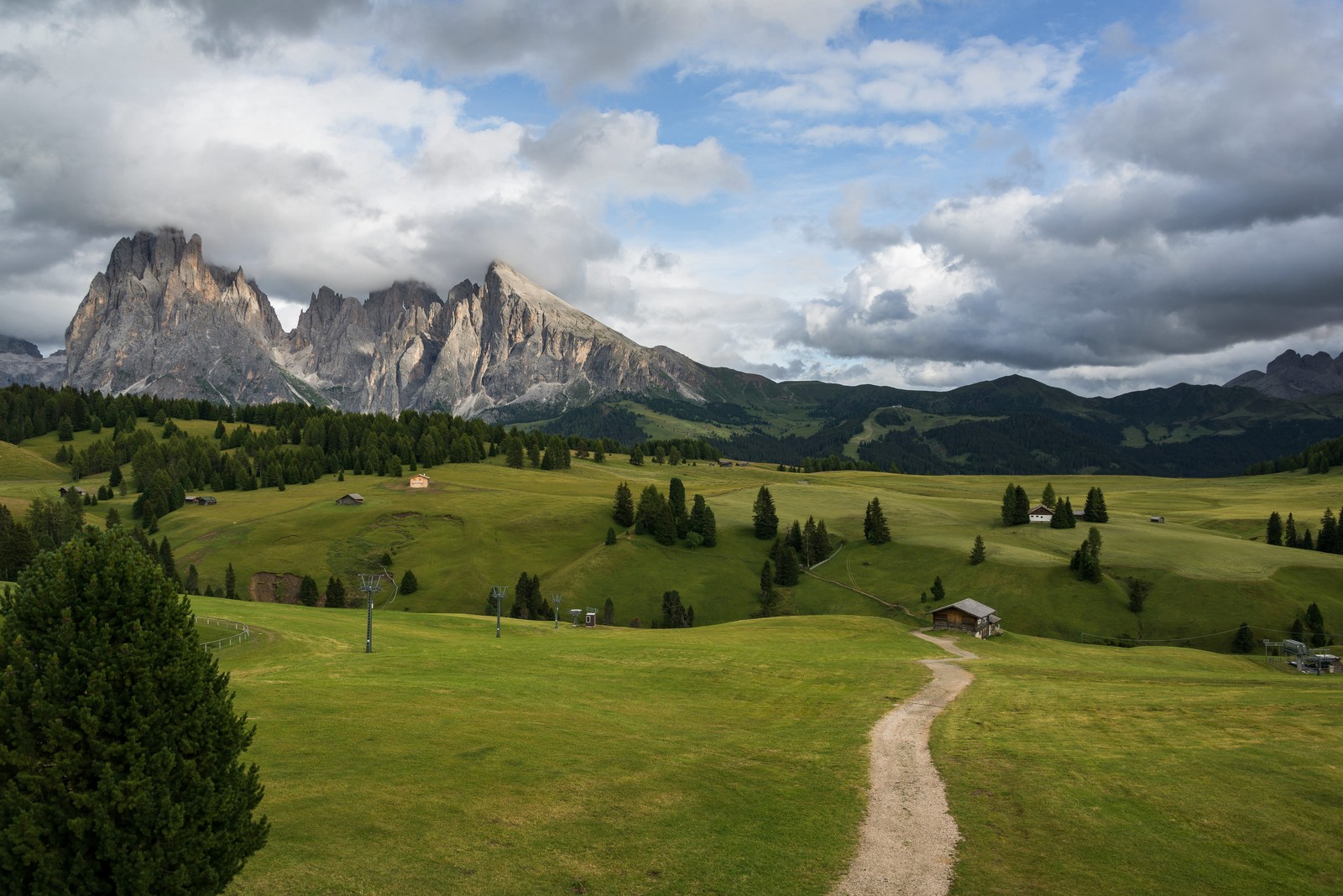
The Dolomites are a UNESCO World Heritage Site with some of the most genuinely dramatic mountain scenery anywhere in the Alps. The jagged limestone peaks — the Pale di San Martino, the Tre Cime di Lavaredo, the Alpe di Siusi plateau — look like they were drawn by someone who'd never seen actual mountains and was working from imagination. The Tre Cime circuit is the flagship hike: 9.5 kilometers, 550 meters of elevation gain, and views that make the effort feel minor.
Beyond hiking, the Dolomites offer serious mountain biking, paragliding, rock climbing, and in summer, a wellness-resort circuit that rivals anything in the Swiss Alps at somewhat more reasonable prices. Rosa Alpina in San Cassiano has a three-Michelin-star restaurant (St. Hubertus) inside a mountain hotel. That combination shouldn't work as well as it does.
The Ligurian coast: Cinque Terre and beyond
Cinque Terre
Five pastel villages — Monterosso, Vernazza, Corniglia, Manarola, Riomaggiore — bolted to cliffs above the Ligurian Sea. All five are UNESCO-listed. The hiking trail connecting them covers about 12 kilometers total, with sea views the entire way. Vernazza is the most photogenic. Monterosso has the only real beach.
This area gets crowded in peak summer. Arrive early, stay overnight (most day-trippers don't), and you'll experience something closer to what it actually is.
Portofino
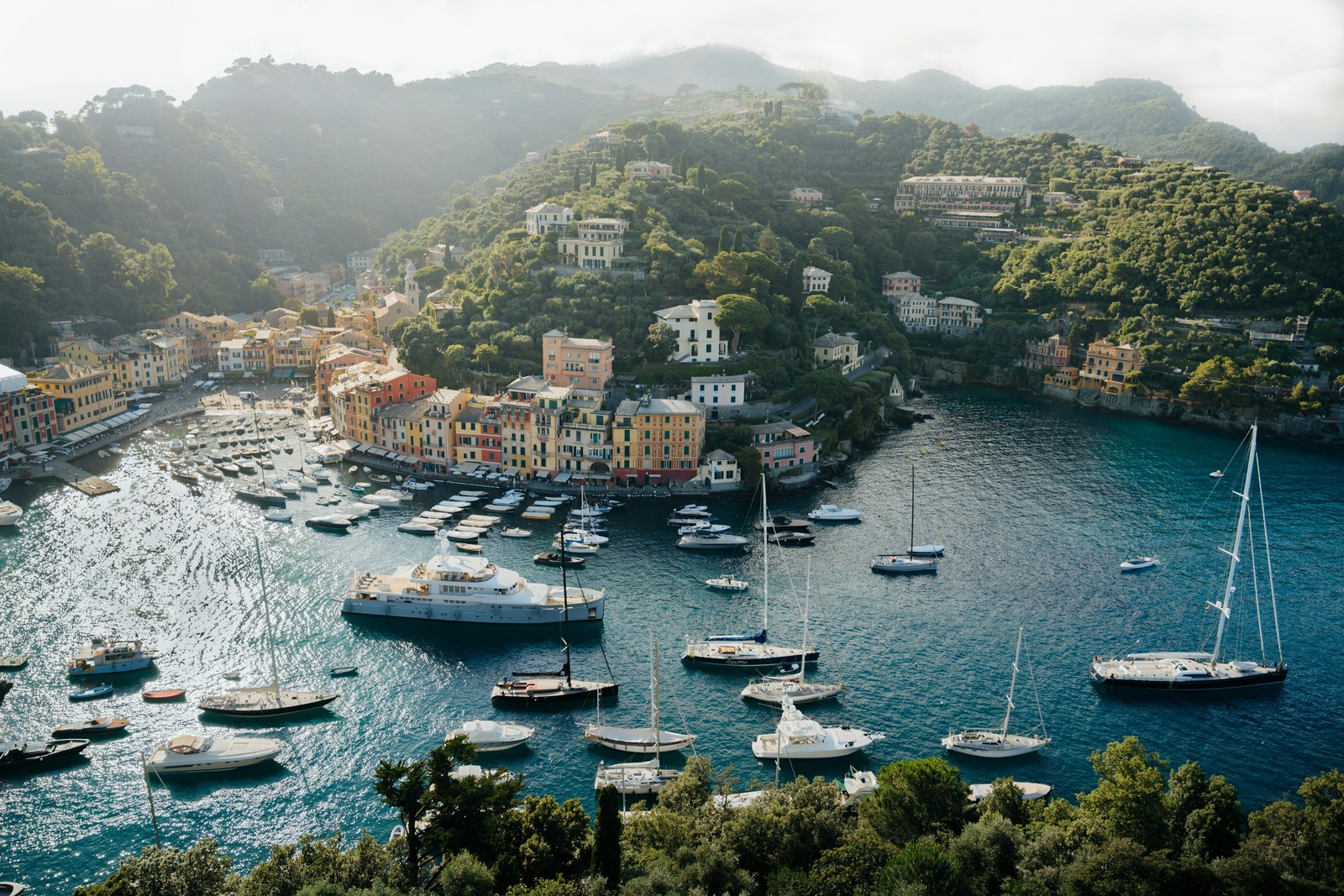
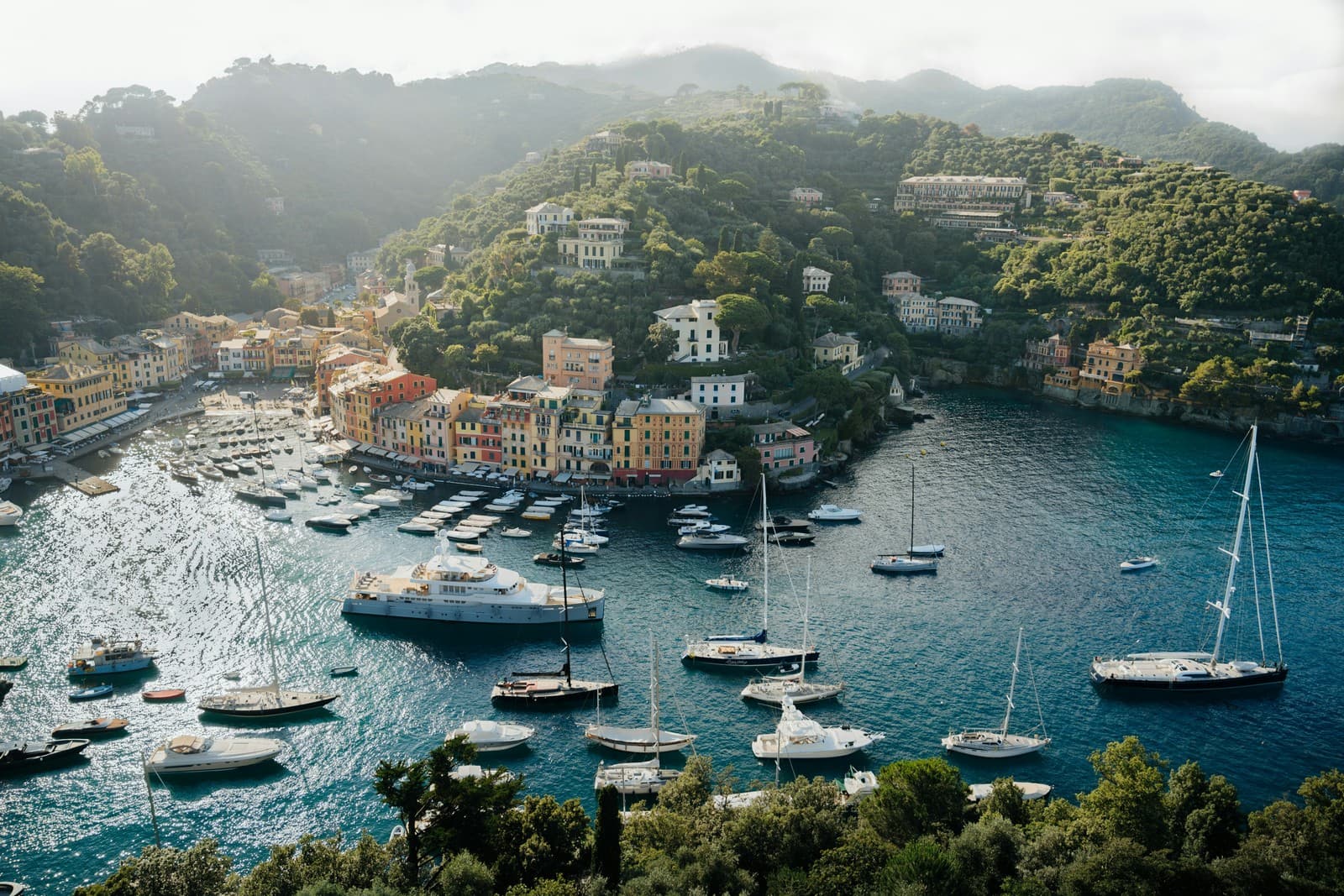
Portofino is coastal luxury with nothing to prove. The harbor is small enough that you can see every yacht from a single café table. Designer boutiques, serious restaurants, and a general atmosphere of people who have nowhere to be and know it. Belmond Hotel Splendido sits above the town on a hillside — a converted 16th-century monastery with 69 rooms and a pool that overlooks the Mediterranean. It is, without question, one of the finest small hotels in Europe.
Santa Margherita Ligure next door is slightly more accessible and no less beautiful. Camogli's painted harbor buildings and working fishing fleet offer a genuine contrast to Portofino's polish.
Food and wine: the real reason to come
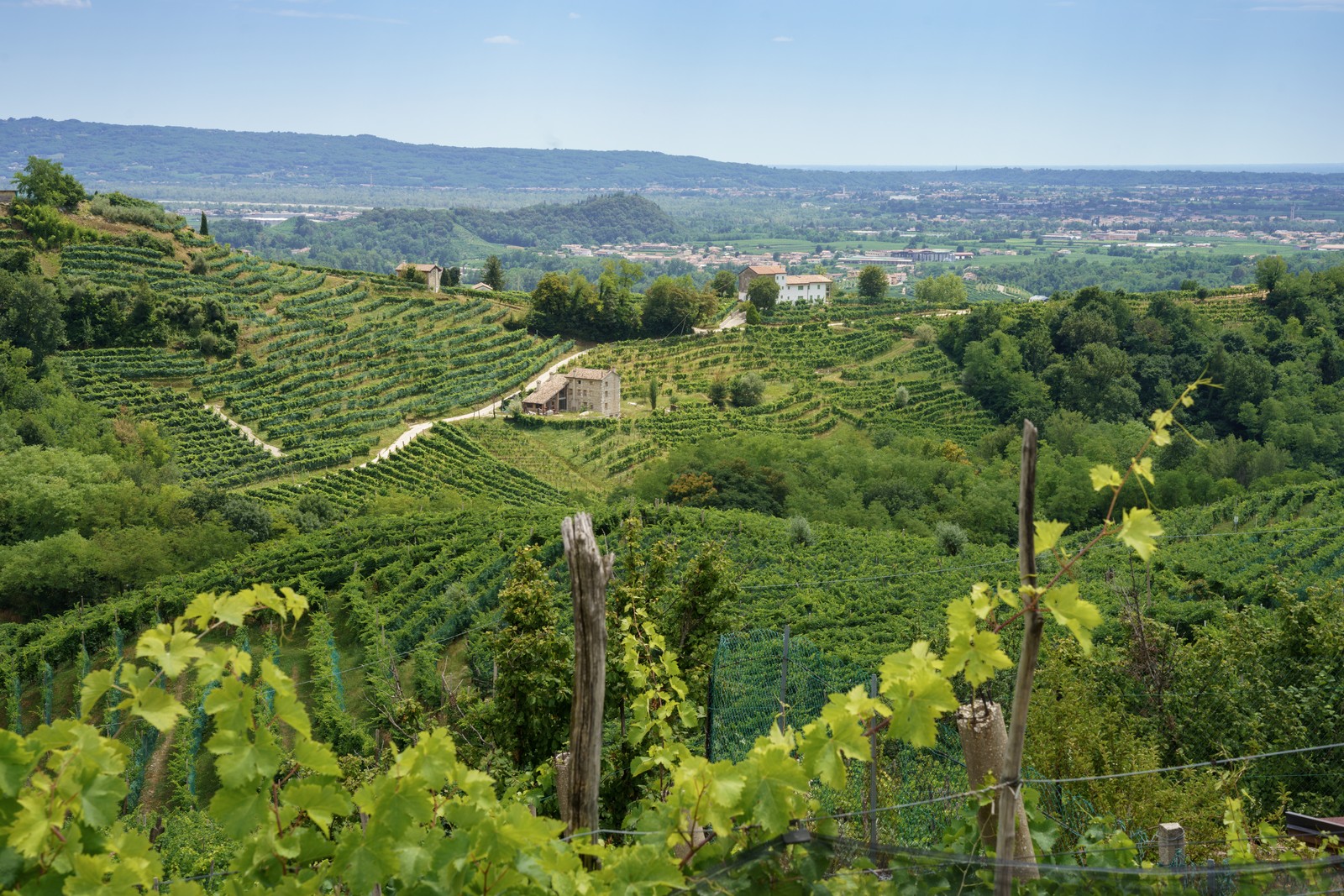
Emilia-Romagna is called Italy's food valley because every other name would be an understatement. Parma alone accounts for two of the world's most copied food products (Parmigiano Reggiano and Prosciutto di Parma). Modena produces traditional balsamic vinegar — the real kind, aged 12 to 25 years in wooden barrels, not the supermarket bottle — and is home to Osteria Francescana, Massimo Bottura's three-Michelin-star restaurant that regularly ranks among the world's best.
Piedmont in autumn is truffle country. White truffle season runs October through December, but summer offers the Barolo and Barbaresco wine routes through the Langhe — among the most serious red wine regions on earth. The Enoteca Regionale del Barolo in the village of Barolo itself is the obvious starting point.
Lombardy's Franciacorta region produces sparkling wine by the traditional method — same process as Champagne, often better value. Veneto's Amarone, made from partially dried Corvina grapes, is one of Italy's most distinctive wines and pairs with the region's braised meat tradition in ways that feel almost designed.
Whether you're eating handmade pasta in a Bologna trattoria, drinking Barolo at a vineyard estate in La Morra, or sitting down to St. Hubertus in the Dolomites, Northern Italy feeds you at a level that justifies crossing an ocean.
Book the flight first
Northern Italy in summer rewards the well-prepared traveler. Hotels book out months in advance. The best restaurant reservations go faster than that. The only thing that should be straightforward is getting there in business class.
If you're looking at retail fares from US hubs to Milan Malpensa running $5,800–$9,200, call us. CEOFLIGHTS works directly with airline contracts to move those numbers significantly. Our clients fly Lufthansa Business, ITA Airways, Qatar QSuite, and United Polaris to Northern Italy every summer — at prices that leave room in the budget for a night at Aman Venice.
Call (888) 851-6897 or reach out online. We're ASTA-accredited (member #900292735) and top rated on Trustpilot because we've been doing this long enough to know which seats, which routes, and which connections are actually worth your time.
Northern Italy is waiting. Fly there right.