Quick summary
Stop treating the first price you see as fixed; use fare alerts and consolidators to buy into lower-tier inventory buckets rather than paying full retail. A single lie-flat cabin contains multiple fare classes, meaning the passenger next to you might have paid $3,400 while you paid $9,100 for the identical seat. Airlines divide identical business class seats into different fare buckets (J, C, D, I, Z) based on flexibility and demand; you can save thousands by understanding this hidden pricing layer and using open-jaw or consolidator booking strategies.
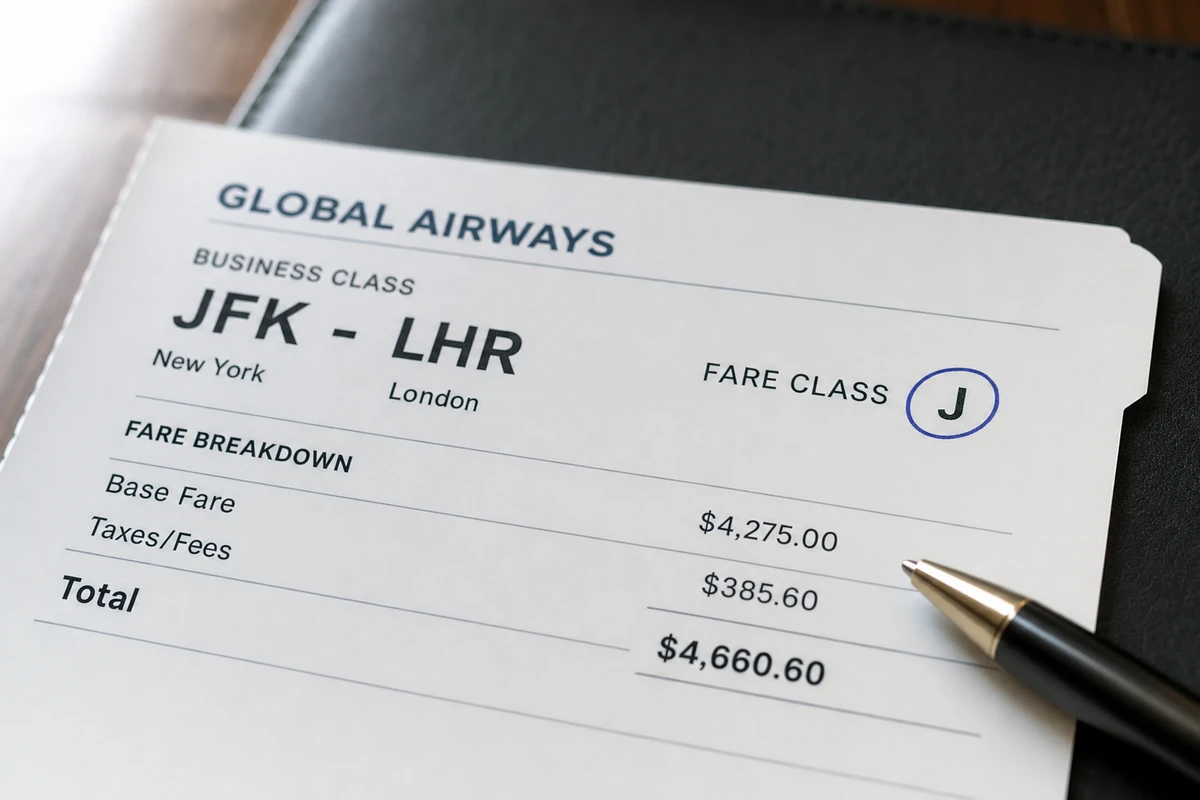
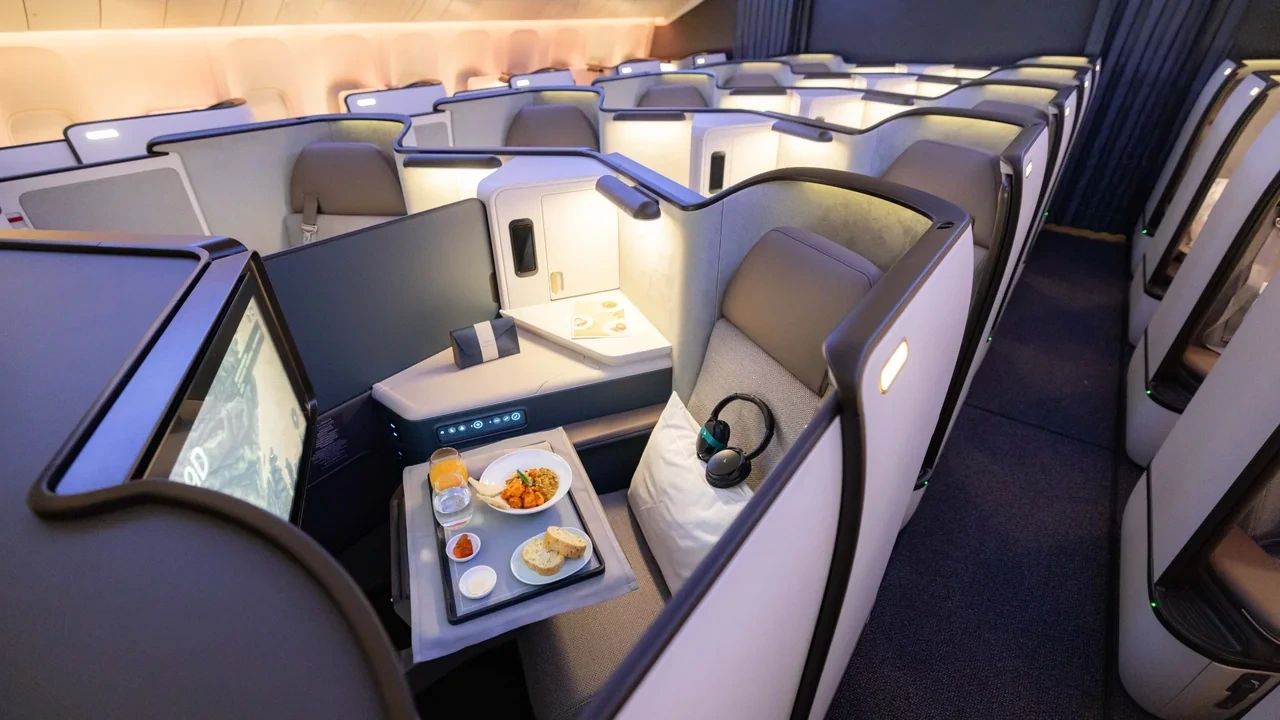
The passenger in 14A paid $9,100 for her ticket. The passenger in 14C, same flight, same lie-flat suite, same champagne poured at 35,000 feet, paid $3,400. Neither one got a deal or got fleeced. They booked into different fare classes — and if you don't understand what that means, you're flying blind every time you search for a business class ticket.
This is the part nobody explains well. Booking sites show you a price. They don't show you the letter code sitting behind that price, the inventory bucket it came from, or the twelve other fare classes on the same flight that never made it to your search results. Once you understand fare construction — how airlines actually build and file these prices — the whole game changes. You stop asking "is this a good price" and start asking "which bucket am I buying into, and is there a cheaper one still open."
The alphabet soup: what J, C, D, I, and Z actually mean
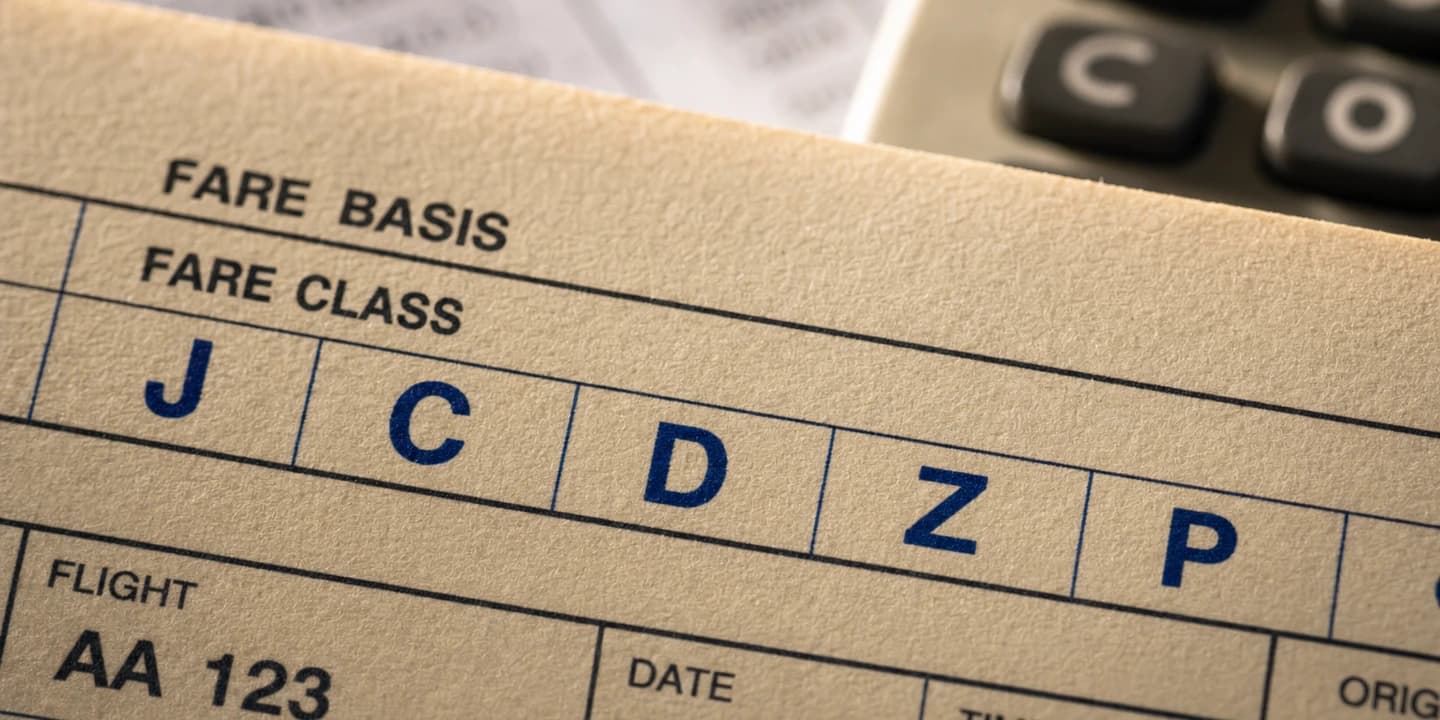
Every business class cabin has multiple fare classes stacked on top of each other, even though every seat in the cabin is physically identical. Airlines use a single letter to represent each price tier, and those letters get filed into global distribution systems — Amadeus, Sabre, Travelport — where every travel agency and booking engine pulls its inventory.
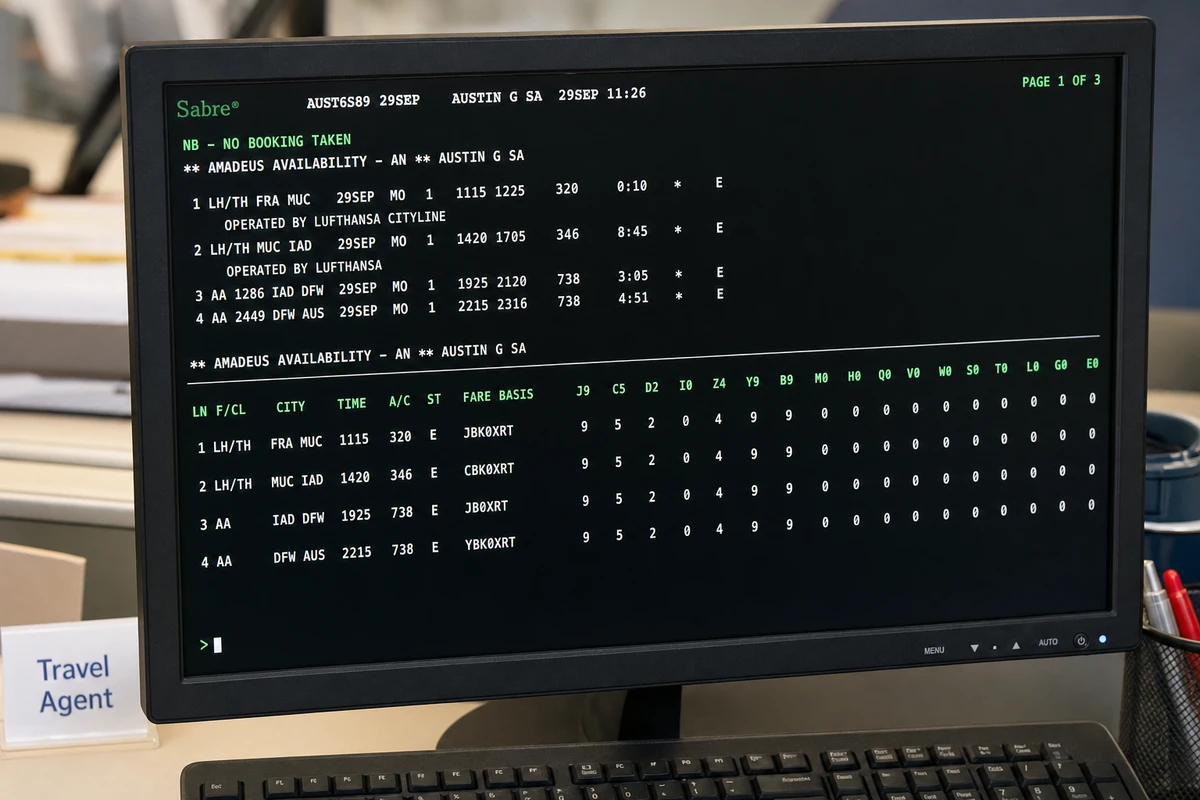
Here's the rough hierarchy on most full-service carriers:
- J — the top-tier, fully flexible business class fare. Free changes, full mileage accrual, often refundable. This is the fare a last-minute corporate traveler buys on a Tuesday for a Thursday departure.
- C — also flexible, sometimes used interchangeably with J depending on the carrier, but frequently the "standard" full-fare bucket.
- D — a semi-flexible tier, usually with some change fees and slightly reduced mileage earning.
- I — a discounted business class fare, more restrictive, often non-refundable, sometimes with advance-purchase requirements.
- Z — typically the deepest discount bucket in business class, heavily restricted, and often the fare code you'll see attached to a $3,000–$4,000 ticket on a route that lists for $8,000 in J.
The seat doesn't change. The suite doesn't change. What changes is refundability, change fees, mileage earning, upgrade eligibility, and how many seats the airline has released into that bucket. A flight can show "sold out" in Z while J still has nine seats open — which is exactly why the fare you see on a generic search engine one day can vanish or double by the next refresh.
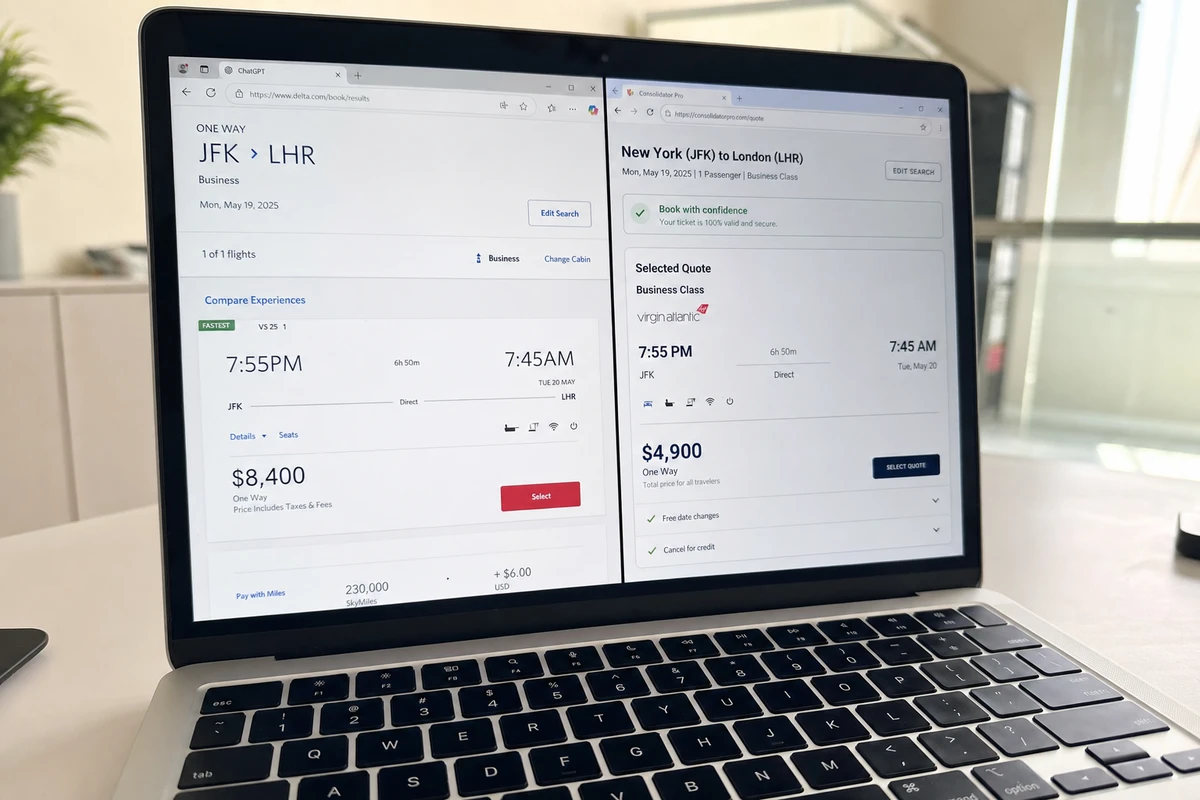
Airlines manage this through revenue management systems that open and close buckets dozens of times a day based on demand curves, competitor pricing, and how full the flight is running. This is also where a consolidator relationship matters. Through CEOFLIGHTS's airline contracts, we get access to negotiated fares and bucket allocations that don't show up on public search engines at all — which is how a published $8,400 fare in Qatar Airways's QSuite cabin can drop to $3,900 through our desk. Same cabin. Same QSuite review-worthy suite. Different distribution channel.
Why the same route prices differently depending on where you search
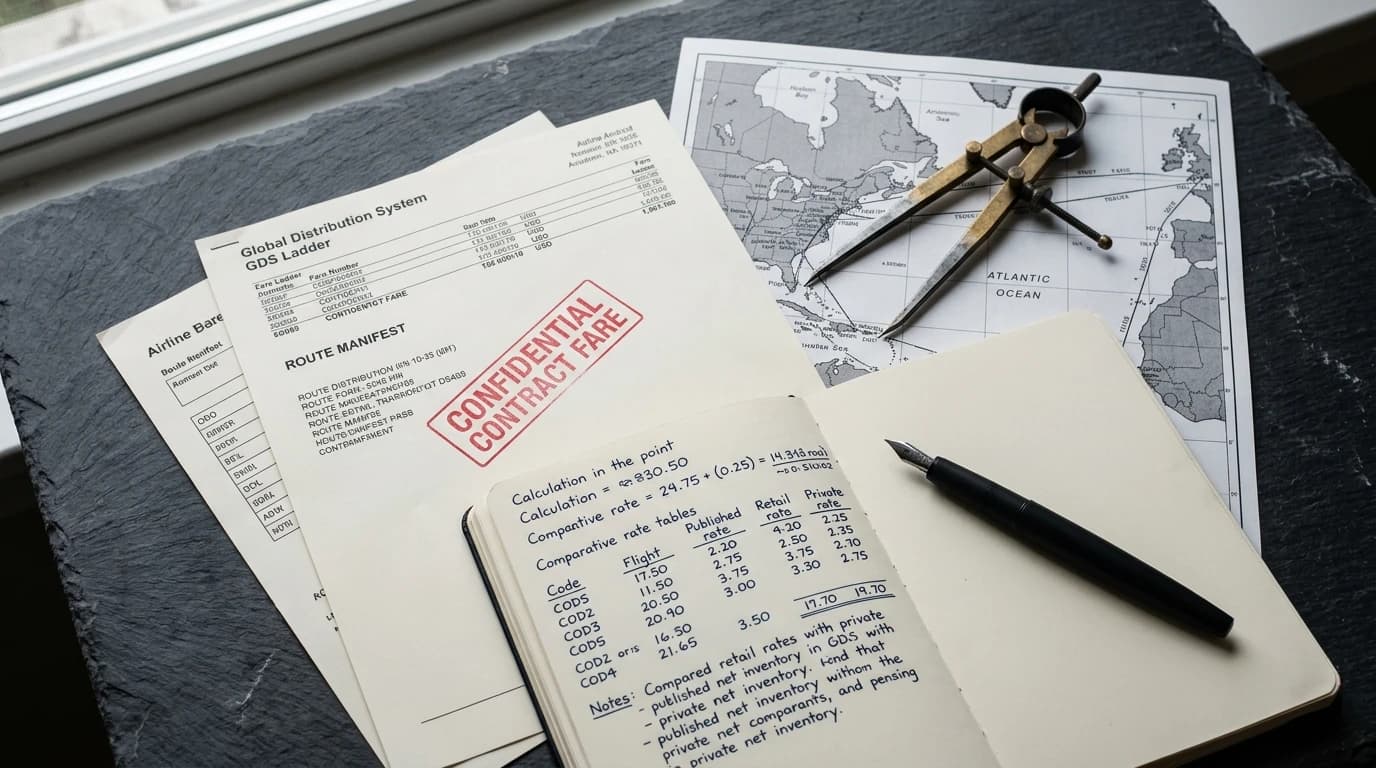
Fares are filed by ATPCO (Airline Tariff Publishing Company) and distributed to GDS platforms, but not every fare is available through every channel. Some fares are "public" and appear everywhere. Others are "private" — negotiated rates released only to specific travel agencies, corporate accounts, or consolidators. This is the layer most travelers never see, and it's the entire reason two people can book the identical flight number and land on wildly different totals.
Casting a wide net matters, but it only gets you halfway there. Comparing consumer search engines shows you public fares. It won't show you the private fares sitting one layer deeper in the GDS. That's the gap CEOFLIGHTS exists to close — we're an ASTA-accredited agency (member #900292735), top rated on Trustpilot, and our value isn't in searching harder, it's in having contracted access to inventory that never surfaces on a generic search bar.
Membership tiers and why "free to join" fares exist
Some of the deepest discounts in business class are gated behind account creation, not payment. Airlines and agencies alike now run member-only fare tiers — log in, and pricing that was invisible a second ago appears. CEOFLIGHTS runs a complimentary members' program that unlocks private fares unavailable to the general public, and registration takes about ninety seconds. If you've been pricing business class as a logged-out browser, you've been quoted the highest tier the airline is willing to show a stranger.
Pair that with a fare alert service. CEOFLIGHTS sends real-time notifications when business class fares on your preferred routes drop below a threshold you set, which matters enormously given how often fare buckets open and close in a single day. A route that showed $9,000 at 9 a.m. can show $4,700 by 4 p.m. if the airline releases more I or Z inventory to relieve a soft cabin. Nobody's refreshing a search engine manually to catch that. An alert catches it for you.
The booking curve: when fare buckets actually move
Timing isn't superstition — it maps directly onto how airlines release and adjust inventory.
Three to four months before departure tends to be the sweet spot for most long-haul business class routes. That's typically when airlines have a clear enough demand picture to open the mid-tier discount buckets (think D and I) without yet needing to protect J inventory for last-minute corporate demand. The three-week window before departure is your last realistic shot at a reasonable fare — after that, airlines assume you're a walk-up business traveler and price accordingly.
For anything touching a major holiday period, the clock moves differently. Airlines release holiday-period inventory 11 to 12 months out, and those Z and I buckets on peak dates — Thanksgiving week to London, Christmas to Tokyo — get scooped up fast. Watch fares the day schedules open, not the week before you fly.
Upgrade auctions are the other timing mechanism worth understanding, because they operate on a completely different pricing logic than the fare classes above. Lufthansa, Qantas, SAS, Virgin Atlantic, and EVA Air all run bidding systems where you name your price for a business class upgrade and the highest bid wins. Check seat availability before you bid — a nearly-full cabin means stiff competition and inflated winning bids, while a business class cabin with plenty of open J inventory (often on larger widebody aircraft with bigger premium cabins) means your lowball bid has a real shot.
Shoulder season and how it bends fare construction in your favor
Shoulder season works because it directly affects which fare buckets an airline chooses to open. Lower demand means revenue management systems release more discount inventory earlier, rather than protecting seats for last-minute full-fare buyers who may never materialize.
January and February favor Morocco and Egypt — watch British Airways, Turkish Airlines, and EgyptAir. March and April open up savings on the UK, Ireland, Western Europe, Hawaii, and the Australian Outback — Aer Lingus, Swiss, Air France, Delta, Alaska Airlines, and Cathay Pacific all run shoulder-season pricing here. May and June belong to Japan, Thailand, and Australia — try ANA, Japan Airlines, Iberia, Finnair, Virgin Australia, Qantas, Jetstar, and Etihad. September and October favor South Africa, the Mediterranean, Dubai, and Canada — look at TAP Air Portugal, Air France, Qatar Airways, KLM, and Air Canada. November and December open the South Pacific, Costa Rica, the Caribbean, and North America — Fiji Airways, Virgin Atlantic, Lufthansa, United, and American Airlines tend to compete hardest here.
Airlines also run their biggest sales right after the winter holidays and again at the end of summer, when leisure demand craters and revenue management teams need to fill cabins fast.
Day-of-week and time-of-day fare buckets
Fare filing doesn't just vary by season — it varies by day and by hour, because business travel demand follows a predictable weekly rhythm that airlines price directly against.
For short getaways, ditch the standard Thursday-to-Sunday pattern. Shift your dates to include a Saturday night — Saturday to Monday, or Saturday to Tuesday — and you'll often see the fare drop noticeably at checkout. Airlines price a Saturday-night stay lower because it signals a leisure traveler, not a corporate one, and leisure travelers are more price-sensitive and less likely to book at all if the fare sits too high.
On long-haul routes, Sunday, Monday, Thursday, and Friday departures tend to carry the highest fares, since those are the days business travelers fly. Tuesday and Wednesday departures are consistently the softer days for demand — and softer demand means airlines open cheaper buckets. On short-haul routes, midweek and Saturday flights hold the best value for the same reason.
Time of day works the same way. A 6 a.m. departure or a midday flight is often priced below a red-eye or evening departure people actually want. If you don't mind the early alarm, you still get the full business class experience — the same curated menu, the same entertainment library, the same attentive service — just at a fare that reflects lower demand for that departure slot.
Flexibility as a pricing lever
Avoid peak travel windows — school holidays, major conferences, big corporate events — and you're avoiding the exact demand spikes that force airlines to protect J inventory instead of releasing discount buckets. During quieter stretches, families tend to book economy and skip business class altogether, so airlines release additional business class inventory at competitive prices just to fill the cabin.
This is where a fare alert tool earns its keep. If your dates are flexible by even a week in either direction, CEOFLIGHTS' fare monitoring tracking multiple date combinations will catch the moment a softer bucket opens, rather than you manually checking a search engine every few days.
Open-jaw construction, stopovers, and alternative routing
This is the most technical — and most underused — lever in the entire fare-construction toolkit.
An open-jaw ticket lets you fly into one city and depart from another, without backtracking to your origin. Combine that with a routing through a secondary hub instead of a nonstop, and you can restructure an entire itinerary's fare basis. A Frankfurt-to-New York business class ticket routed through London on British Airways will frequently price lower than the nonstop equivalent, because the fare is constructed differently — you're buying into a different combination of fare classes across two flight segments rather than one premium nonstop fare basis.
Alternative destinations play into the same logic. A weekend in Brussels rivals London for charm at a noticeably lower fare basis. Chasing sun in Vietnam instead of Thailand sidesteps the higher-demand routing entirely. Avoiding major hubs during peak windows, and accepting a one-stop itinerary over a nonstop, routinely produces a lower fare than flying direct out of the busiest airport in the region.
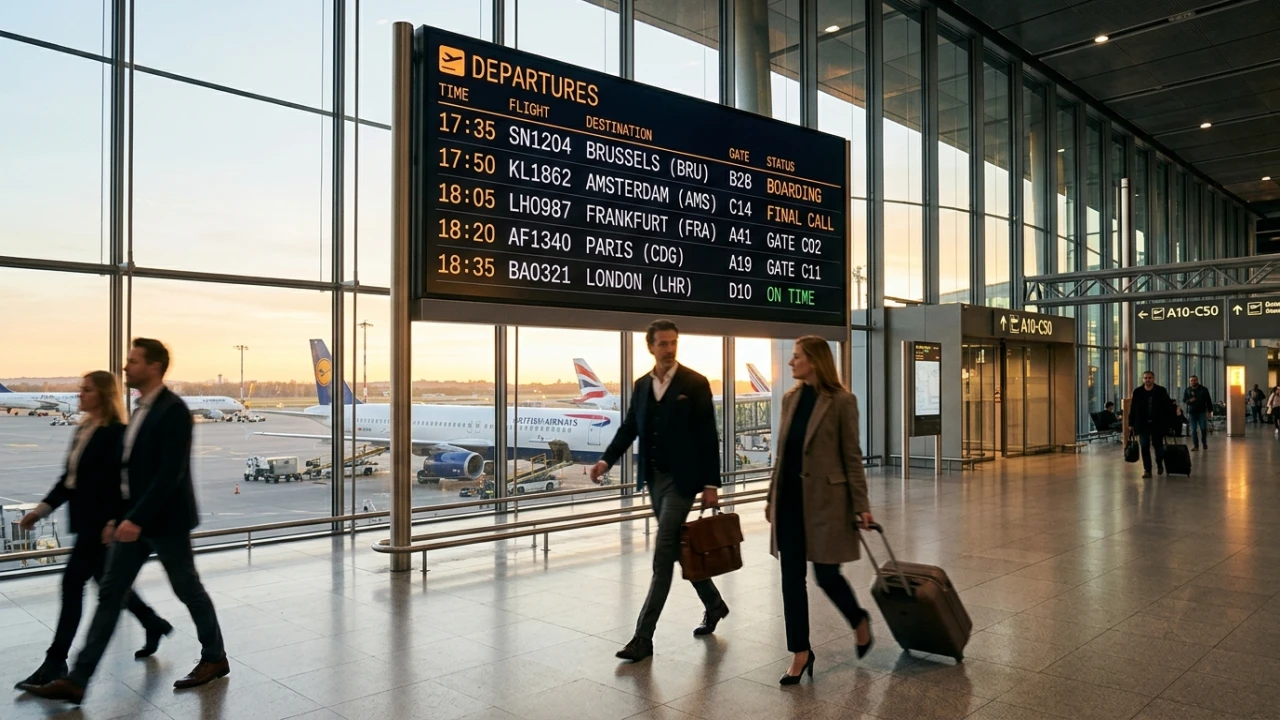
Alternative airports do the same work on the departure side. Flying out of Frankfurt instead of Brussels or Amsterdam can meaningfully change your fare basis, even accounting for a short train or car ride to get there. This works especially well on long-haul itineraries, where the fare difference dwarfs the ground transport cost.
Repositioning flights take this to its logical extreme — starting your itinerary from a different country entirely to access a lower fare basis filed in that market. It's not for everyone, but on the right route it can unlock savings no amount of date flexibility will match.
Combinable fares and why the "wrong" airline is often the right one
Flag carriers price aggressively in their home market because they can — brand loyalty and slot dominance let them hold higher fares. Competitors and new entrants trying to build market share do the opposite. Flying Singapore to Europe, you'll frequently find Finnair or KLM undercutting Singapore Airlines on the identical route, simply because they're fighting for share rather than defending territory.
Don't dismiss the low-cost carriers either. JetBlue's Mint (read our JetBlue Mint review), Jetstar (a Qantas subsidiary), Eurowings Discover (part of the Lufthansa Group), Scoot (a Singapore Airlines subsidiary), and Flydubai all now sell genuine business class products at fares well below flagship pricing. The amenities won't match a flagship cabin — don't expect QSuite-level privacy on Scoot — but for the right route, the fare basis makes the tradeoff worth considering. It's also worth knowing your types of business class seats before you commit, since "business class" spans a wide range of hard product.
Companion fares are the last lever, and they're purely a demand-generation tool. Airlines introduce discounted second-passenger fares to pull in leisure travelers without touching corporate pricing at all — the corporate fare basis stays untouched while a second seat rides along at a steep discount. Watch for these seasonally; they're announced with limited windows and disappear fast.
Why this matters more once you understand it
Here's my honestly-held opinion: chasing the single cheapest number on a search engine is the wrong strategy entirely. The best-value business class ticket is rarely the literal cheapest fare available — it's the fare class that gets you the flexibility and mileage earning you actually need, at the lowest price that bucket allows. Buying into a heavily restricted Z fare to save $400 only to get hit with a $300 change fee because your meeting moved isn't a win.
Understanding fare classes also protects you from a specific kind of bad advice: the idea that any listed price is fixed. It isn't. Bucket inventory shifts hourly. A fare that shows as unavailable one afternoon can reopen the next morning if the airline adjusts its demand forecast. This is precisely why our team at CEOFLIGHTS works the GDS directly rather than relying on a static search result, and it's why a fare alert service tracking bucket movement in real time beats manual refreshing every time.
What to actually do with this knowledge
- Search broadly, but don't assume a public search engine shows you every fare class in the cabin — private and negotiated fares sit deeper in the GDS.
- Join a members' program for free access to fare tiers that don't display to logged-out browsers.
- Set alerts through CEOFLIGHTS so bucket openings find you instead of the other way around.
- Book three to four months out for standard routes, and 11-12 months out for anything touching a major holiday.
- Stay open to open-jaw routing, one-stop itineraries, alternative airports, and competitor airlines outside the obvious flag carrier.
None of this replaces working with someone who has direct access to the fare classes themselves. Through CEOFLIGHTS's negotiated airline contracts, seats that publish at $8,000 to $9,000 in the standard J or D bucket regularly come down to $3,500 to $4,500 through our desk — same cabin, same suite, same British Airways Club Suite or Emirates A380 experience you'd get paying full fare.
Book it right, not just cheap
Fare construction isn't trivia. It's the actual mechanism deciding whether you pay $3,400 or $9,100 for the identical seat, on the identical flight, on the identical day. Learn the letters, watch the calendar, and stop treating the first price you see as the only price that exists.
Call CEOFLIGHTS at (888) 851-6897 or visit our site to have an agent pull the fare classes actually available on your route — not just the one a generic search engine decided to show you. We're ASTA-accredited (member #900292735), top rated on Trustpilot, and we've built our entire business around the gap between the published fare and the one you should actually be paying.
Some images in this article may be AI-generated and are used for illustrative purposes only.