




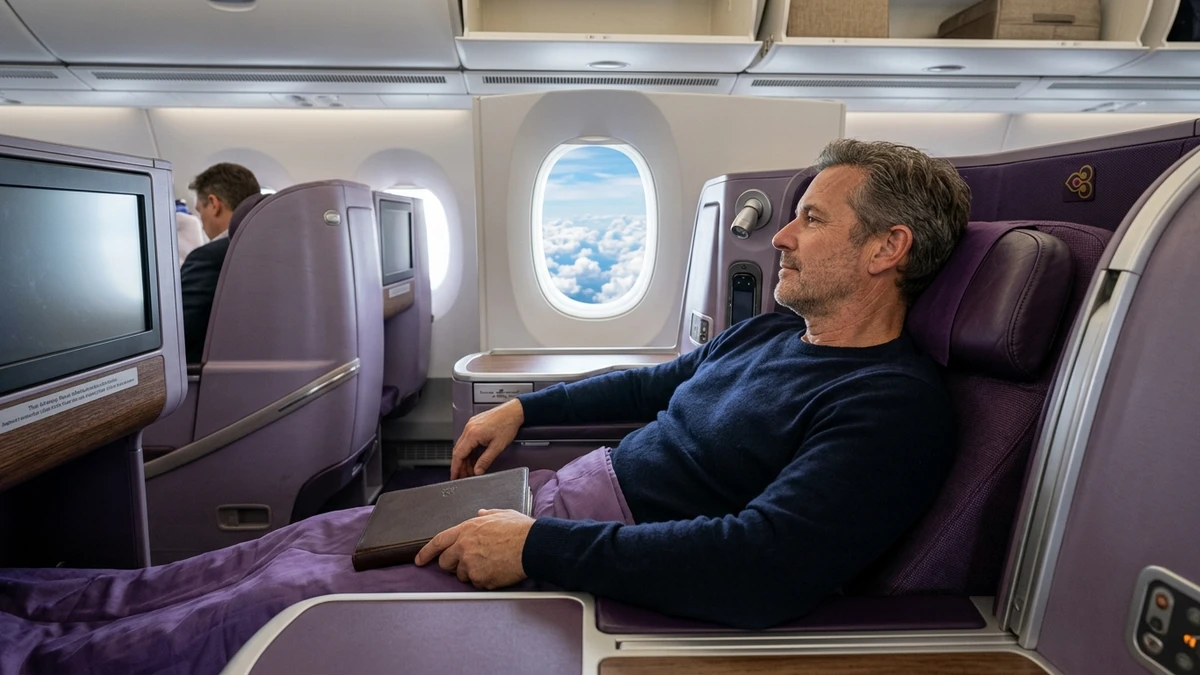
Thai Airways vs Malaysia Airlines Business Class — Full Comparison
| Feature | Thai Airways | Malaysia Airlines |
|---|---|---|
| Product Name | Royal Silk | Business Suite |
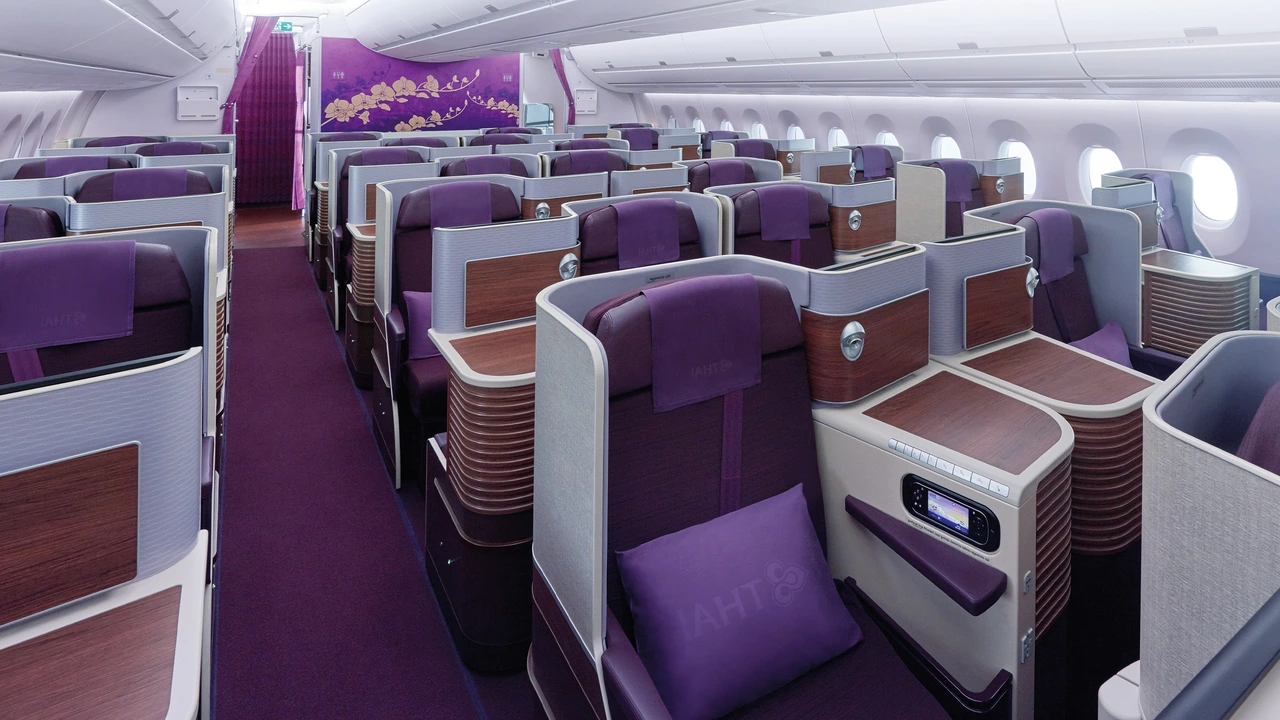
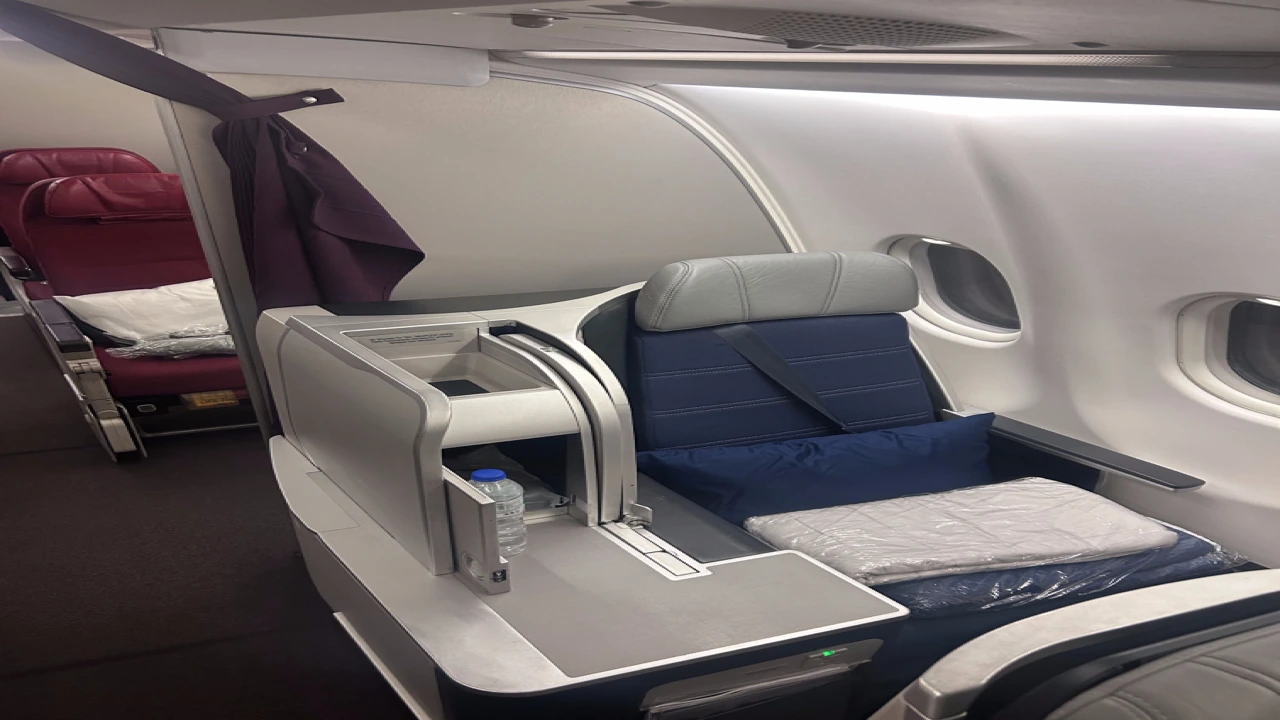
| Seat Type | Lie-flat staggered seat on A350 and 787 | New enclosed suite with closing door on A330-900neo |
| Alliance | Star Alliance | oneworld |
| Primary Hubs | BKK | KUL |
| US Gateways | Via connection | Via connection |
| Top Destinations | Bangkok, Tokyo, London | Kuala Lumpur, London, Tokyo |
| CEOFLIGHTS Savings | Up to 40% | Up to 40% |
Thai Airways
Malaysia Airlines
For travelers weighing premium journeys into Southeast Asia, Thai Airways and Malaysia Airlines represent two of the region's most storied carriers, each anchored by an alliance network that shapes how well they serve US-based flyers. Thai Airways, a Star Alliance member operating out of Bangkok's Suvarnabhumi Airport, trades on decades of reputation for gracious hospitality and its Royal Silk business class. Malaysia Airlines, flying under the oneworld banner from Kuala Lumpur, has more recently reinvented its business cabin with a genuinely new hard product. Neither carrier flies nonstop to the United States, so both journeys typically route through Asian or Middle Eastern hubs, making the choice less about point-to-point convenience and more about onboard experience, alliance loyalty alignment, and connectivity once in the region.
How Do the Seats Compare?
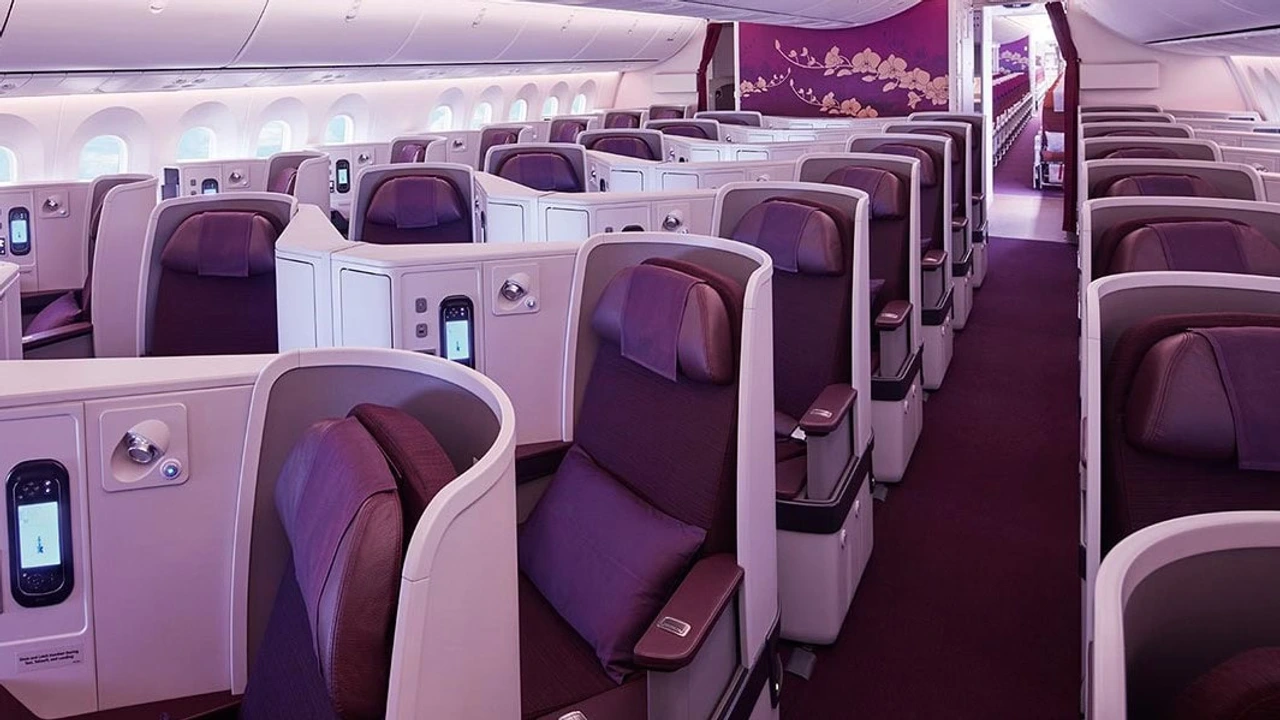
The hard product comparison is where these two airlines diverge most sharply. Thai Airways offers a lie-flat staggered seat configuration on its A350 and 787 aircraft, delivering direct aisle access and a comfortable, if familiar, business class bed that has become something of an industry standard over the past decade. Malaysia Airlines has leapfrogged that standard on its A330-900neo fleet with a new enclosed Business Suite featuring a closing door, positioning it closer to the privacy levels typically reserved for first class or ultra-premium business products from carriers like Qatar Airways or Delta One Suites. For travelers who prioritize personal enclosure and a suite-like feel, Malaysia Airlines currently has the edge in hardware; for those who prefer Thai's tested staggered layout with strong aisle access throughout the cabin, Royal Silk remains a dependable, comfortable choice.
What About Dining & Service?
Thai Airways
Malaysia Airlines
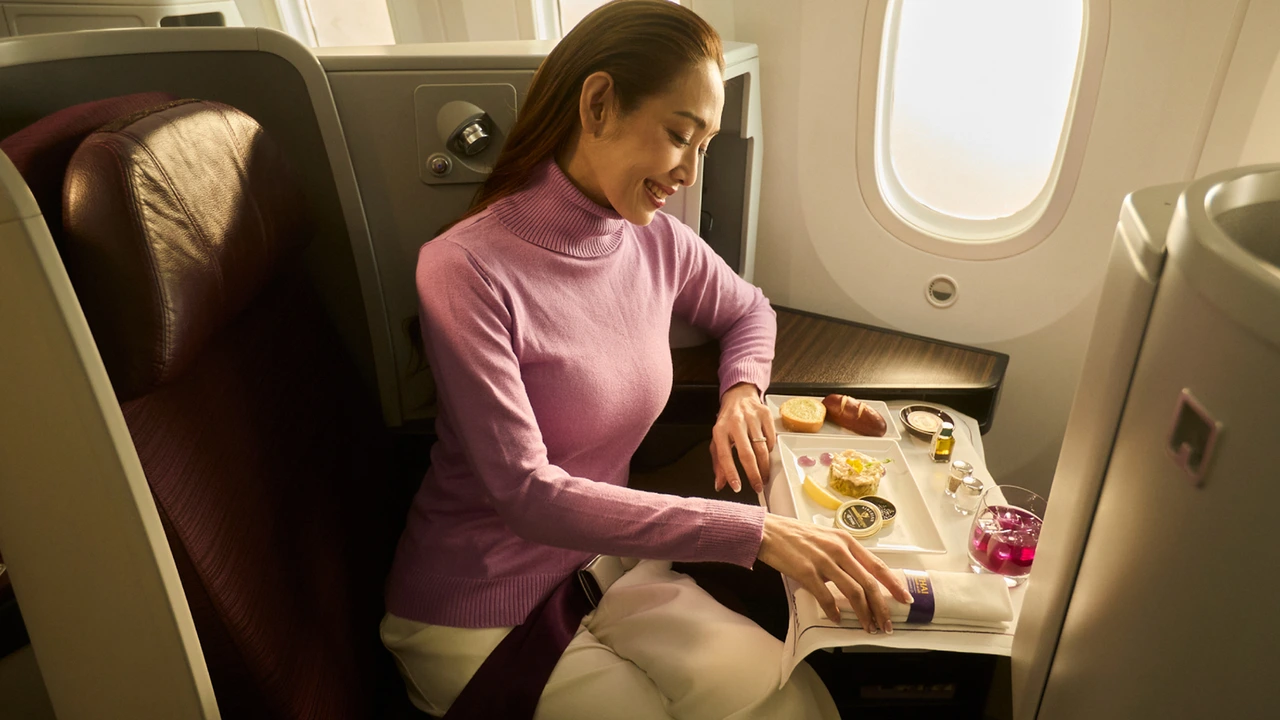
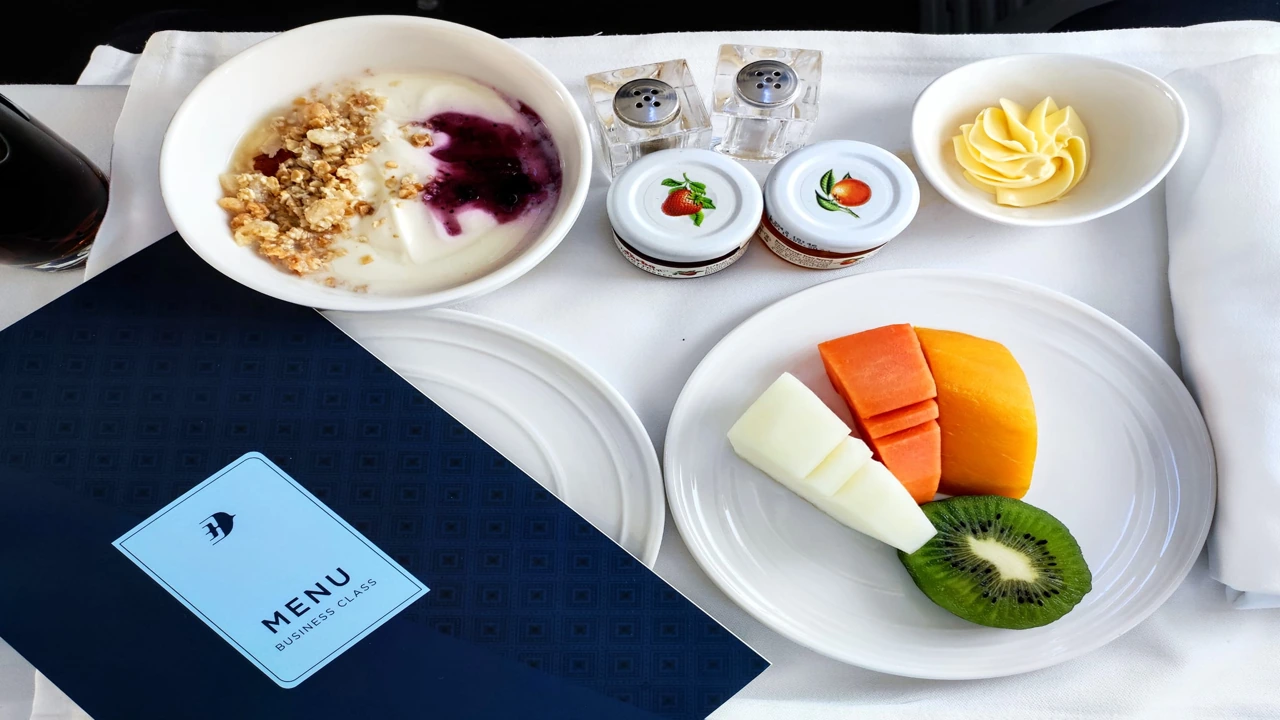
Onboard service philosophy reflects each nation's hospitality traditions. Thai Airways leans heavily into its Thai-inspired cuisine and famously warm, deferential cabin crew culture, with menus that showcase authentic regional flavors and a beverage program that pairs well with Southeast Asian dining. Malaysia Airlines counters with its own Malaysian Hospitality concept, emphasizing a multicultural culinary program that draws from Malay, Chinese, and Indian influences, served by a crew known for warmth and efficiency. Both carriers deliver service that feels distinctly regional rather than generically international, and frequent flyers often describe the choice as a matter of culinary and cultural preference rather than one airline clearly outperforming the other.
How Do the Airport Lounges Compare?
Thai Airways
Malaysia Airlines
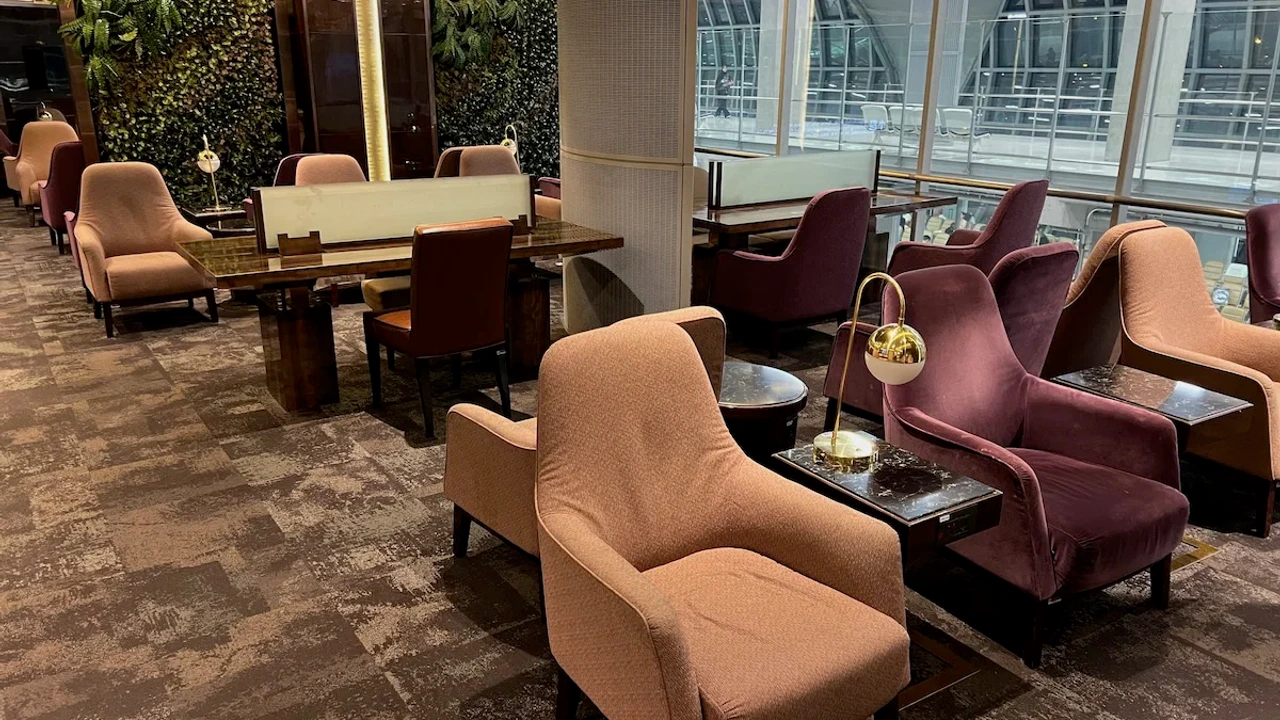
On the ground, Thai Airways operates its Royal Orchid Spa Lounge at Bangkok, offering an unusually indulgent pre-flight experience with spa treatments layered atop standard lounge amenities, a genuine differentiator among Asian carriers.
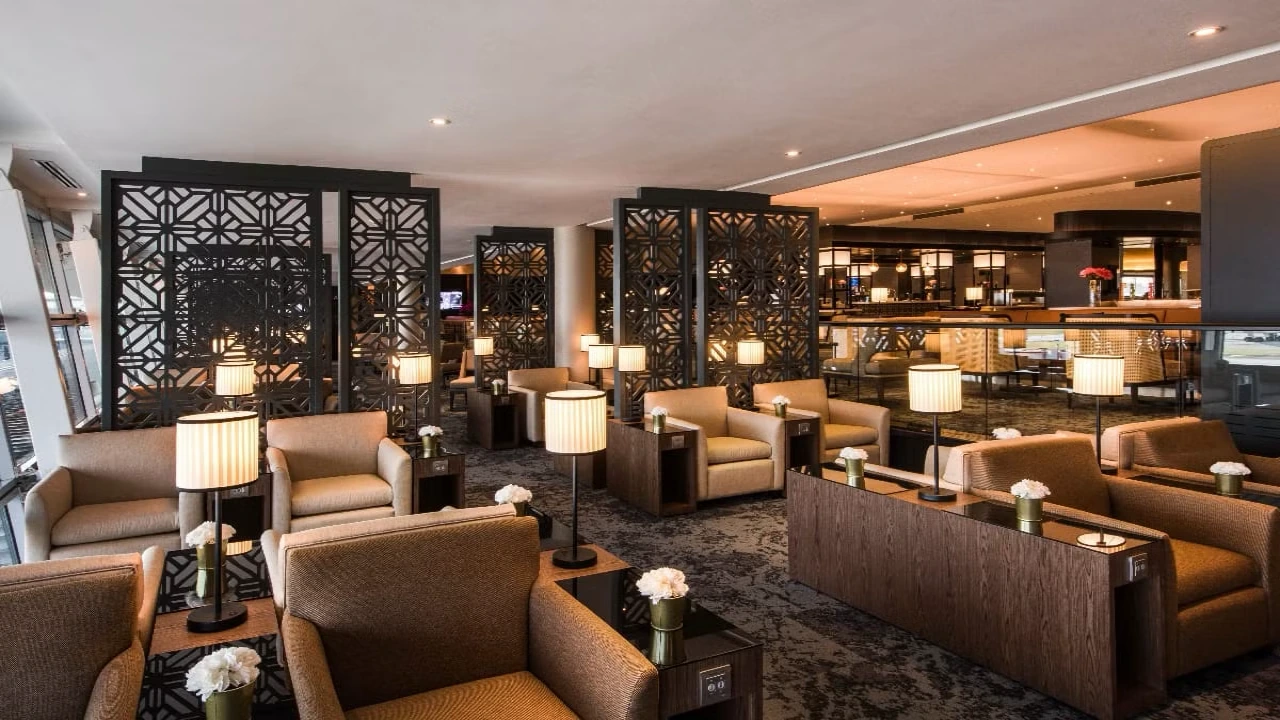
On the ground, Thai Airways operates its Royal Orchid Spa Lounge at Bangkok, offering an unusually indulgent pre-flight experience with spa treatments layered atop standard lounge amenities, a genuine differentiator among Asian carriers. Malaysia Airlines counters with its Satellite Golden Lounge at KLIA, a spacious and well-regarded space though without the spa-centric focus that defines Bangkok's offering. Both hub airports, Suvarnabhumi and Kuala Lumpur International, are efficient, modern gateways, but Bangkok's larger international footprint and broader flight volume give Thai Airways a slight edge in overall ground experience and transit convenience for travelers connecting onward across Asia.
Network reach further separates the two carriers' value propositions. Thai Airways' Star Alliance membership connects travelers to United, Lufthansa, Singapore Airlines, and dozens of global partners, while its own long-haul network spans Tokyo, London, Sydney, and Mumbai from its Bangkok base. Malaysia Airlines' oneworld affiliation links to American Airlines, British Airways, Qantas, and Cathay Pacific, with its own routes covering London, Tokyo, and Sydney from Kuala Lumpur. US-based travelers with existing loyalty to United or American will find natural alignment with Thai Airways or Malaysia Airlines respectively, making alliance status a meaningful factor in which carrier delivers better overall value on a given itinerary.
Whichever carrier suits your itinerary and alliance preference, both Thai Airways and Malaysia Airlines business class are available through CEOFLIGHTS® private fares, with savings of up to 40% off published rates. Our Personal Travel Managers specialize in structuring multi-carrier Southeast Asia itineraries, pairing the right hard product and alliance benefits with your existing loyalty programs. Call (888) 851 6897 to speak with a Personal Travel Manager and secure preferred pricing on Royal Silk or Business Suite fares before booking directly with either airline.
Book Your Premium Cabin Today
✅ Choose Thai Airways If You Value
- Royal Silk lie-flat on A350 and 787
- Thai-inspired hospitality and cuisine
- Royal Orchid Spa Lounge at Bangkok
- Star Alliance connectivity throughout Asia
✅ Choose Malaysia Airlines If You Value
- New enclosed Business Suite with door on A330neo
- Malaysian Hospitality dining experience
- Satellite Golden Lounge at KLIA
- oneworld partner connectivity in Asia
