




Korean Air vs Asiana Airlines Business Class — Full Comparison
| Feature | Korean Air | Asiana Airlines |
|---|---|---|
| Product Name | Prestige Suite | Business Smartium |
| Seat Type | 1-2-1 suite with sliding privacy door on 787-10 | 1-2-1 lie-flat seat on A350 and 777 |
| Alliance | SkyTeam | Star Alliance |
| Primary Hubs | ICN | ICN |
| US Gateways | JFK, LAX, SFO, ATL | JFK, LAX, SFO, SEA |
| Top Destinations | Seoul, Tokyo, Bangkok | Seoul, Tokyo, Manila |
| Cabin Specifications | ||
| Privacy Door | ✅ Sliding | ◻️ Divider |
| Bed Length | 79" | 77" |
| Seat Width | 21" | 21.5" |
| IFE Screen | 24" 4K | 18" |
| Wi-Fi | Paid | Paid |
| Dining Style | Multi-course Service | Multi-course Service |
| Champagne | Perrier-Jouët | Laurent-Perrier |
| Amenity Kit | Graff | L'Occitane |
| Pyjamas | ❌ No | ❌ No |
| Hub Lounge | KAL Prestige Class Lounge (ICN) | Asiana Business Lounge (ICN) |
| Chauffeur Drive | Not Available | Not Available |
| CEOFLIGHTS Savings | Up to 40% | Up to 40% |
Korean Air
Asiana Airlines
Seoul's two flagship carriers, Korean Air and Asiana Airlines, have long defined the standard for premium travel across the Pacific, and now that Korean Air has absorbed Asiana into its corporate family, the comparison has taken on new relevance for travelers deciding which product to book. Both airlines operate from Incheon International Airport, both serve major US gateways, and both have earned reputations for meticulous Korean hospitality in the air. Yet the two products diverge in meaningful ways, from hard seat design to alliance affiliation, and understanding those differences matters for anyone planning a long-haul journey to Seoul, Tokyo, or beyond.
How Do the Seats Compare?
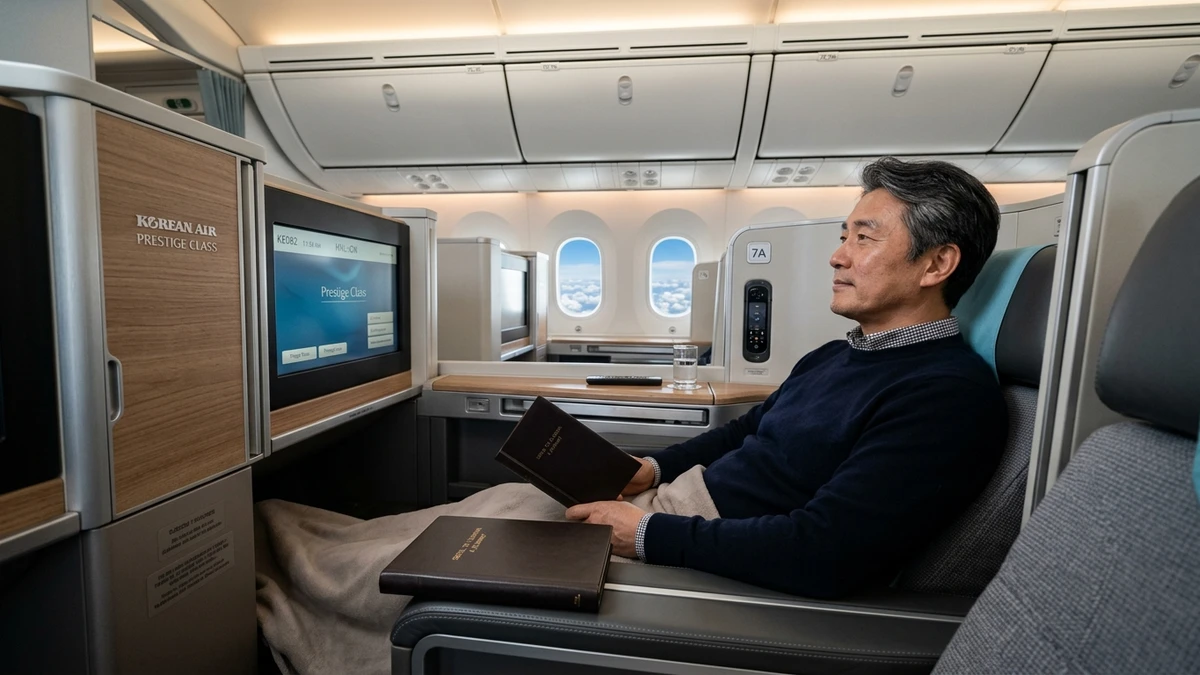
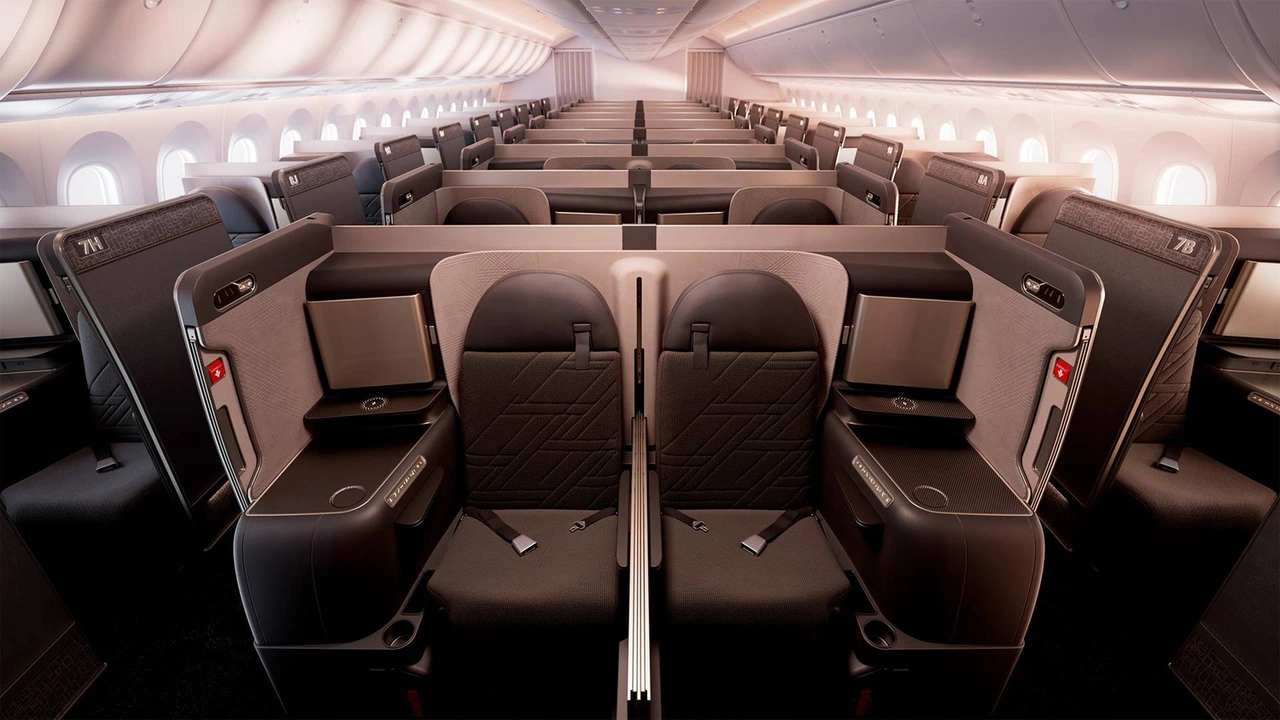
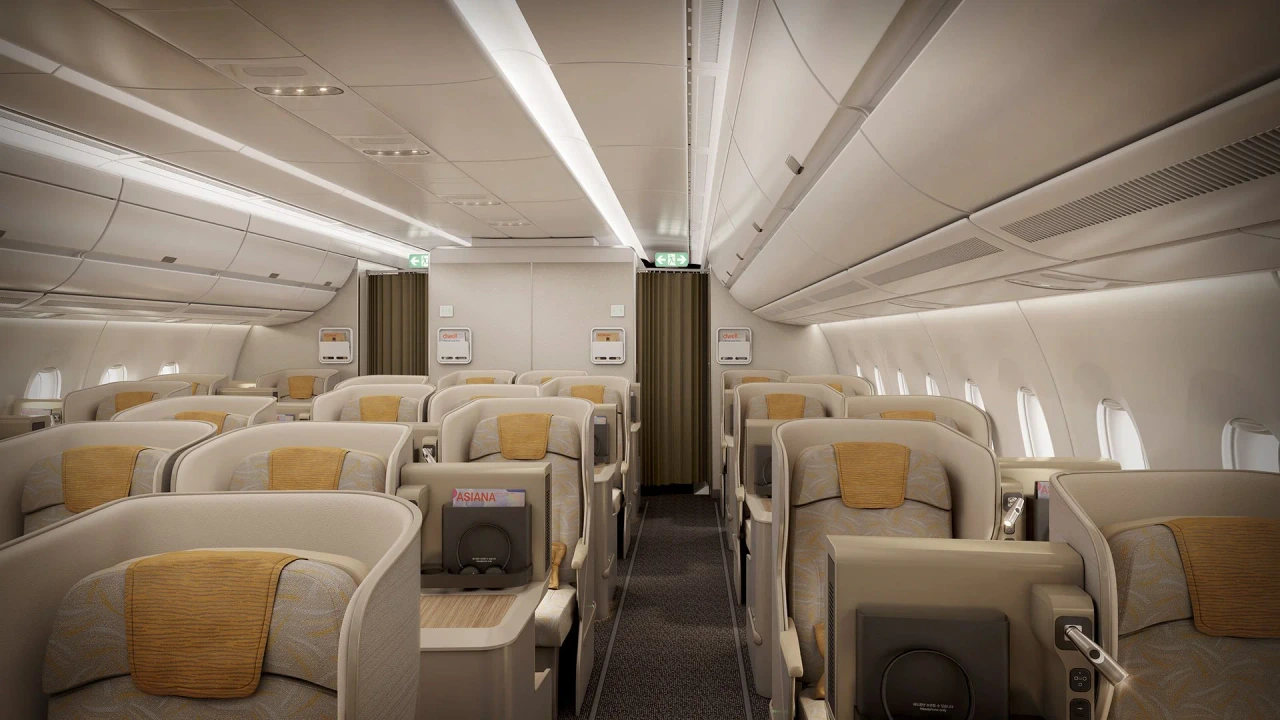
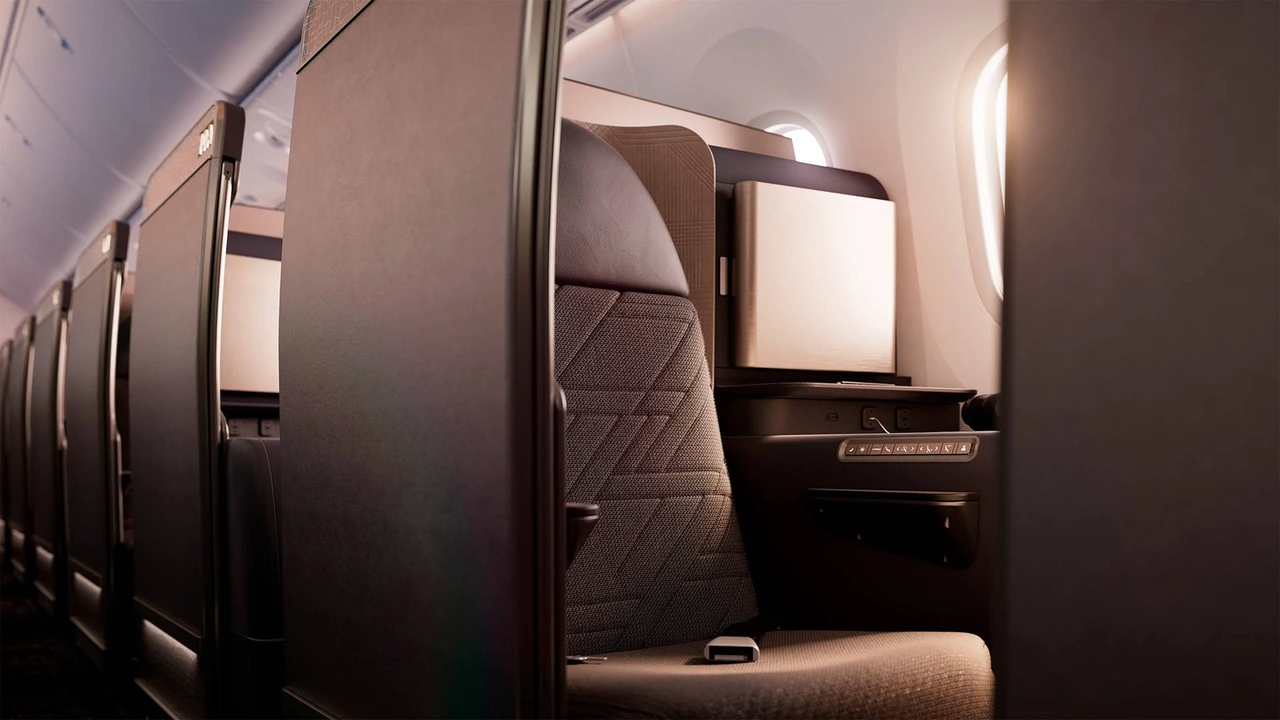
The clearest distinction between the two carriers lies in the hard product. Korean Air's Prestige Suite, now rolling out on its 787-10 fleet, introduces a 1-2-1 configuration with a sliding privacy door, giving passengers a true suite-like enclosure rarely found outside first class on other carriers. Asiana's Business Smartium, found on its A350 and 777 aircraft, also offers a 1-2-1 layout with direct aisle access and a fully lie-flat bed, but without the enclosed door, making it feel more traditional by comparison. Both beds convert to fully flat surfaces suitable for sleep, but Korean Air's newer suite edges ahead on privacy, particularly appealing to solo business travelers who value a semi-enclosed workspace over the open-cabin feel of Asiana's Smartium seat.
What About Dining & Service?
Korean Air
Asiana Airlines
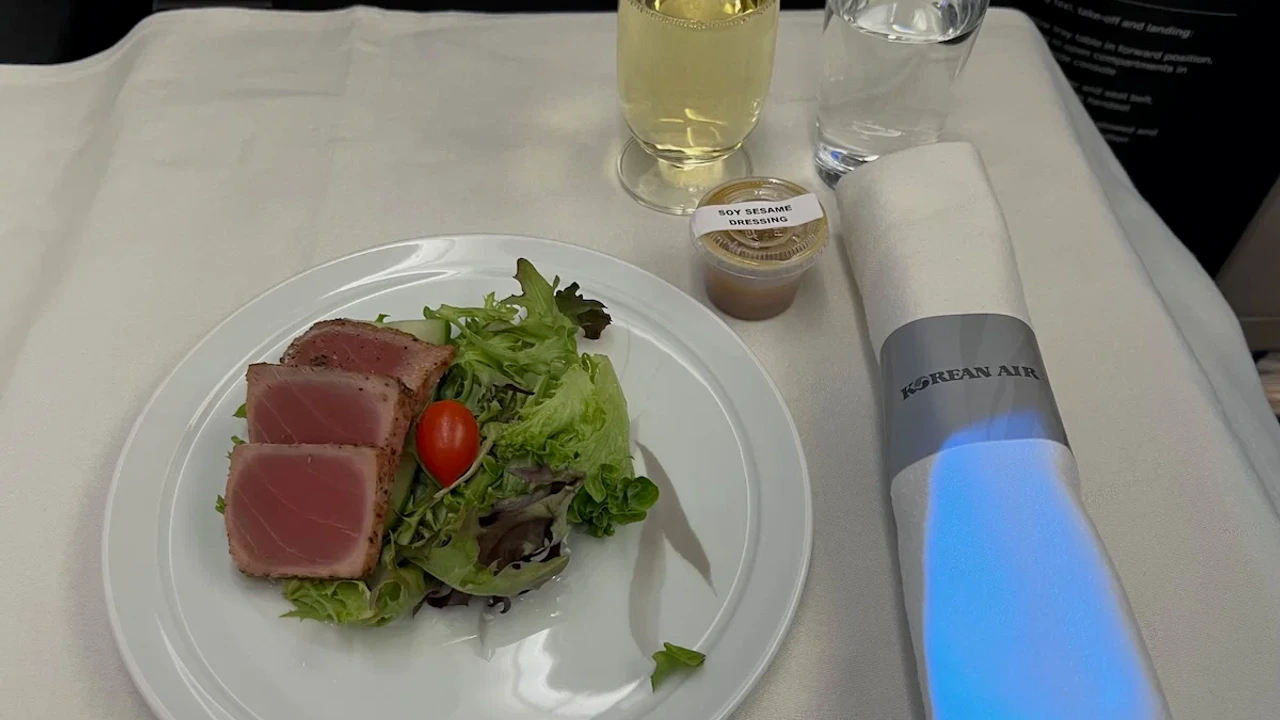
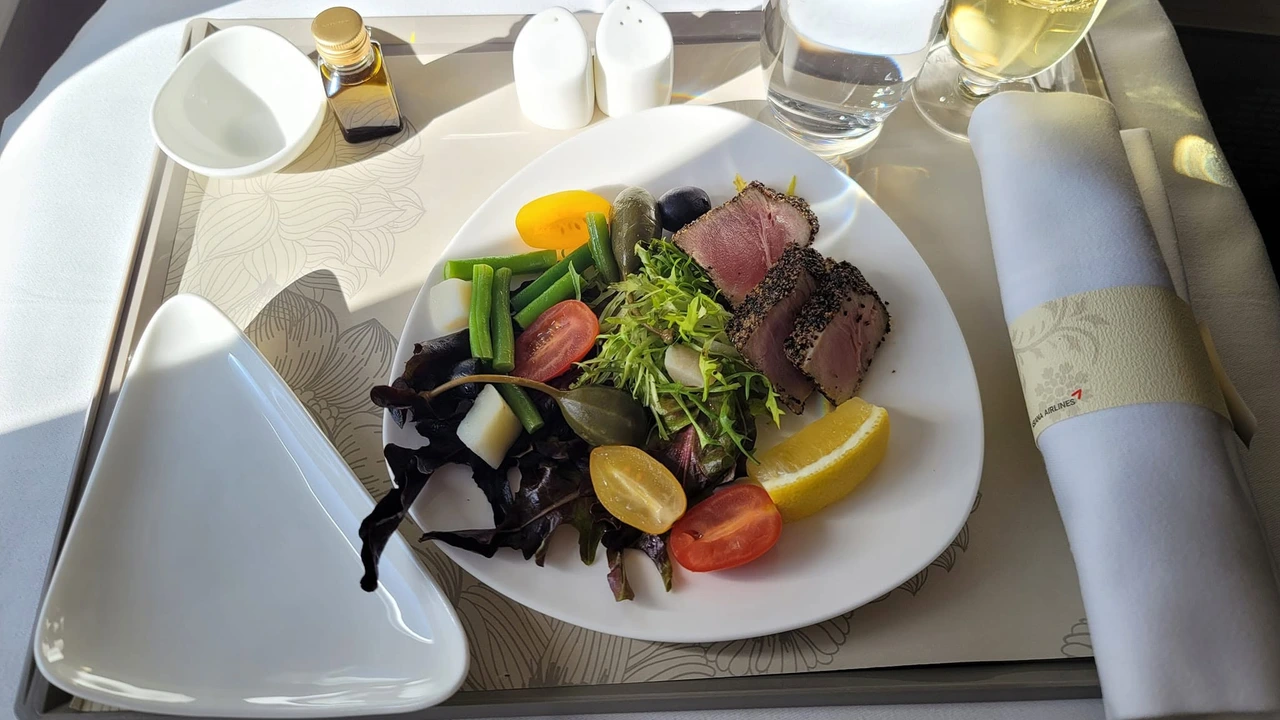
On board, both carriers lean into Korean culinary heritage while offering Western alternatives, and the difference often comes down to execution rather than concept. Korean Air's multi-course dining program is extensive, pairing traditional bibimbap and hanjeongsik-style courses with a rotating Western menu and a well-curated wine list developed with international sommeliers. Asiana counters with its own Korean-inspired premium dining, generally regarded as warm and comforting rather than showy, delivered by a crew culture known for quiet efficiency and attentiveness. Neither airline disappoints, but Korean Air's dining program has slightly more polish and variety, reflecting its larger scale and deeper investment in the Prestige cabin experience.
How Do the Airport Lounges Compare?
Korean Air
Asiana Airlines
Ground experience favors Korean Air primarily due to sheer scale.
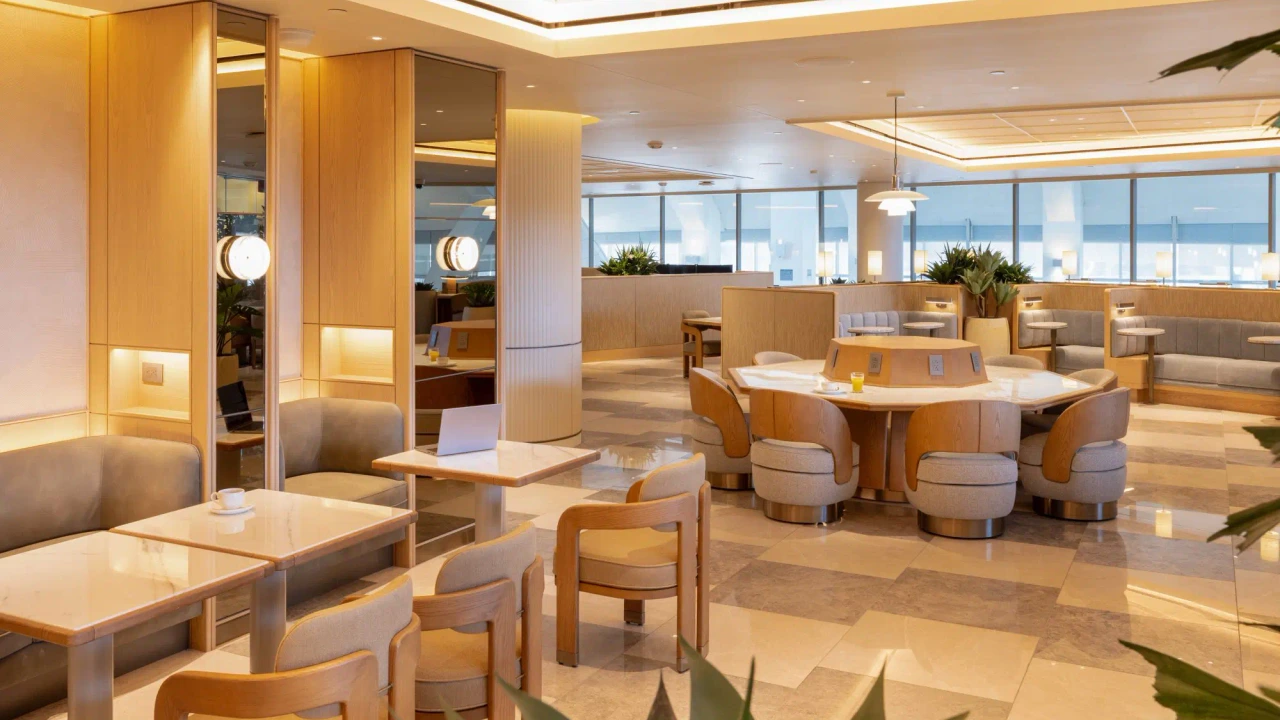
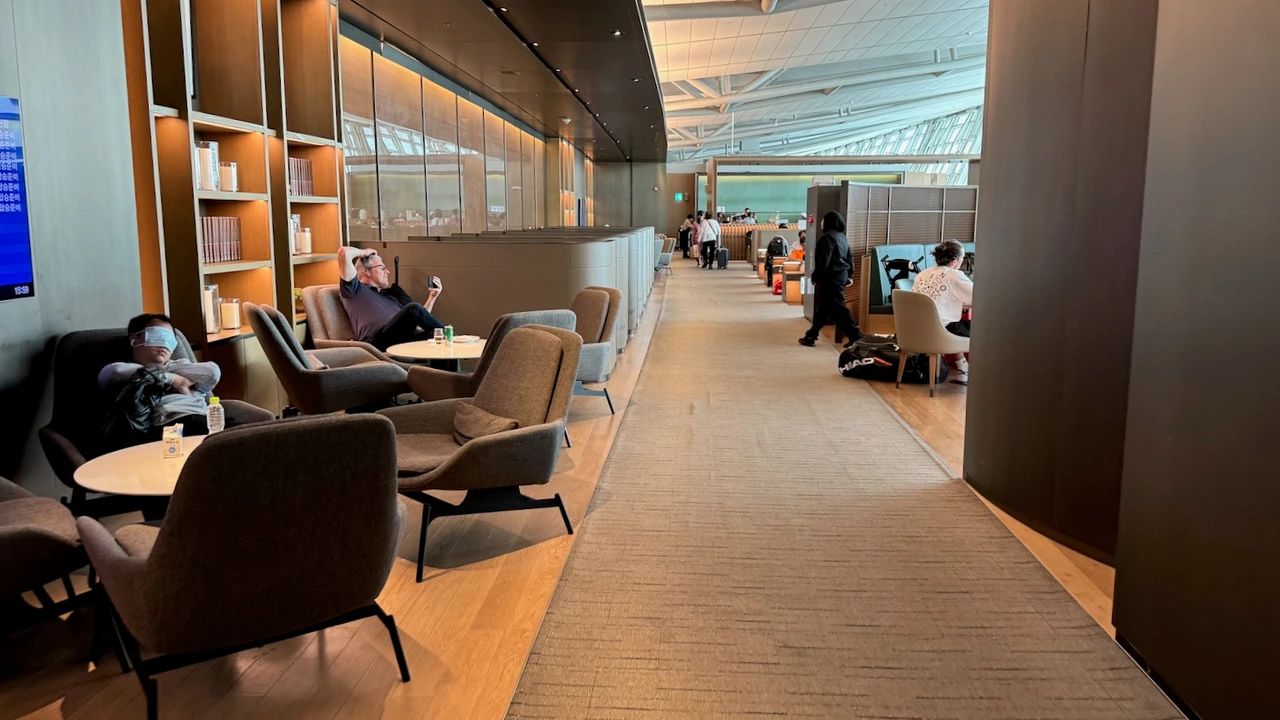
Ground experience favors Korean Air primarily due to sheer scale. The KAL Prestige Lounge at Incheon is a sprawling facility with dedicated dining stations, shower suites, and quiet zones, built to handle Korean Air's much larger long-haul footprint. Asiana's lounge facilities at Incheon are comfortable and well-appointed but noticeably smaller in scope, a natural consequence of its more limited widebody fleet. Both airlines benefit from Incheon's famously efficient customs and transfer process, one of the fastest hub experiences in Asia, so connecting passengers on either carrier will find the airport itself works strongly in their favor regardless of which lounge they enter.
Network reach is where Korean Air's advantage becomes most pronounced for US-based travelers. As a SkyTeam member, Korean Air connects seamlessly with Delta, offering extensive codeshare access to destinations across Asia-Pacific from its Incheon hub, plus a broader set of US gateways including JFK, LAX, SFO, ATL, IAD, SEA, ORD, and HNL. Asiana, a Star Alliance member, offers solid connectivity through partners like United and other Star carriers, but with a narrower US gateway list limited to JFK, LAX, SFO, and SEA. Both airlines fly to Seoul, Tokyo, and Ho Chi Minh City, but Korean Air's Bangkok service and Asiana's Manila route illustrate how each carrier fills slightly different niches within the broader East Asia market.
For travelers weighing these two exceptional Korean carriers, the good news is that both are accessible through CEOFLIGHTS® private business class fares, with savings of up to 40 percent off published rates. Whether the sliding-door privacy of Korean Air's Prestige Suite or the proven comfort of Asiana's Business Smartium better suits your itinerary, a CEOFLIGHTS Personal Travel Manager can help identify the right fare, routing, and cabin for your trip. Call (888) 851 6897 to speak with a specialist who can compare live availability across both carriers and secure preferential pricing not found through standard booking channels.
Category Winner Breakdown
We compare the hard product across 3 key metrics — privacy, sleeping comfort, seat space, dining, entertainment, and connectivity — so you can see which airline leads where it matters to you.
Book Your Premium Cabin Today
✅ Choose Korean Air If You Value
- New Prestige Suite with sliding door on 787-10
- Korean and Western multi-course dining
- KAL Prestige Lounge at Incheon
- Extensive Asia-Pacific network via Seoul hub
✅ Choose Asiana Airlines If You Value
- Lie-flat seat with direct aisle access
- Korean-inspired premium dining
- Star Alliance partner connectivity
- Now part of Korean Air group
