

What Premium Economy Actually Gets You
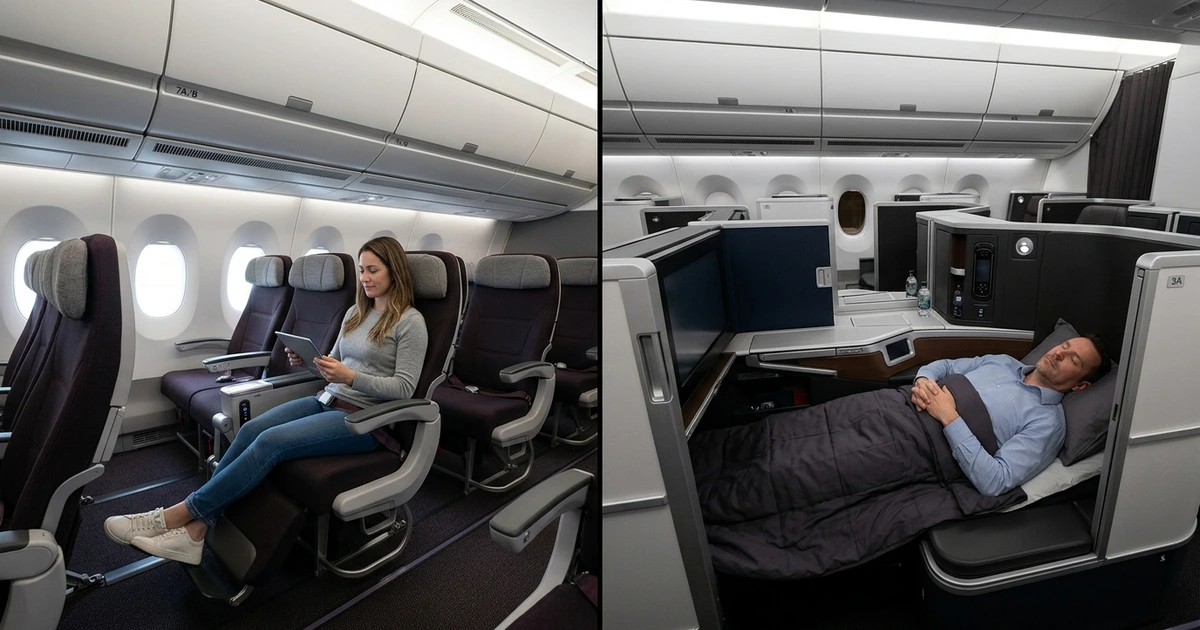
Airlines love to blur the line between premium economy and business class in their marketing. They shouldn't be able to, because the products aren't close. Premium economy typically gets you a seat around 19-21 inches wide with 38-42 inches of pitch, a recline of maybe 7-8 inches, a footrest, and noticeably better food and wine than coach. On a long-haul flight from New York to London, that's the difference between a seat and a torture device — but it's still a seat.
I've flown premium economy on more carriers than I can count, and the honest verdict is this: it's a solid upgrade for flights under seven hours, and a rough compromise for anything longer. You will not sleep flat. You will not have a door. You will get a slightly better blanket and a glass of decent Sauvignon Blanc. That's the deal, and for a lot of travelers on a budget, it's a fair one.
Where premium economy earns its price tag is on routes where full business class pricing gets absurd. San Francisco to Sydney business class fares run $3,500 to $9,000 depending on season and carrier — premium economy on that same route can save you thousands while still getting you a legitimately better seat than economy.
Business Class Is a Different Category Entirely
This is where I get opinionated: comparing premium economy to modern business class is like comparing a nice rental car to a private driver. They're both transportation. They are not the same experience.
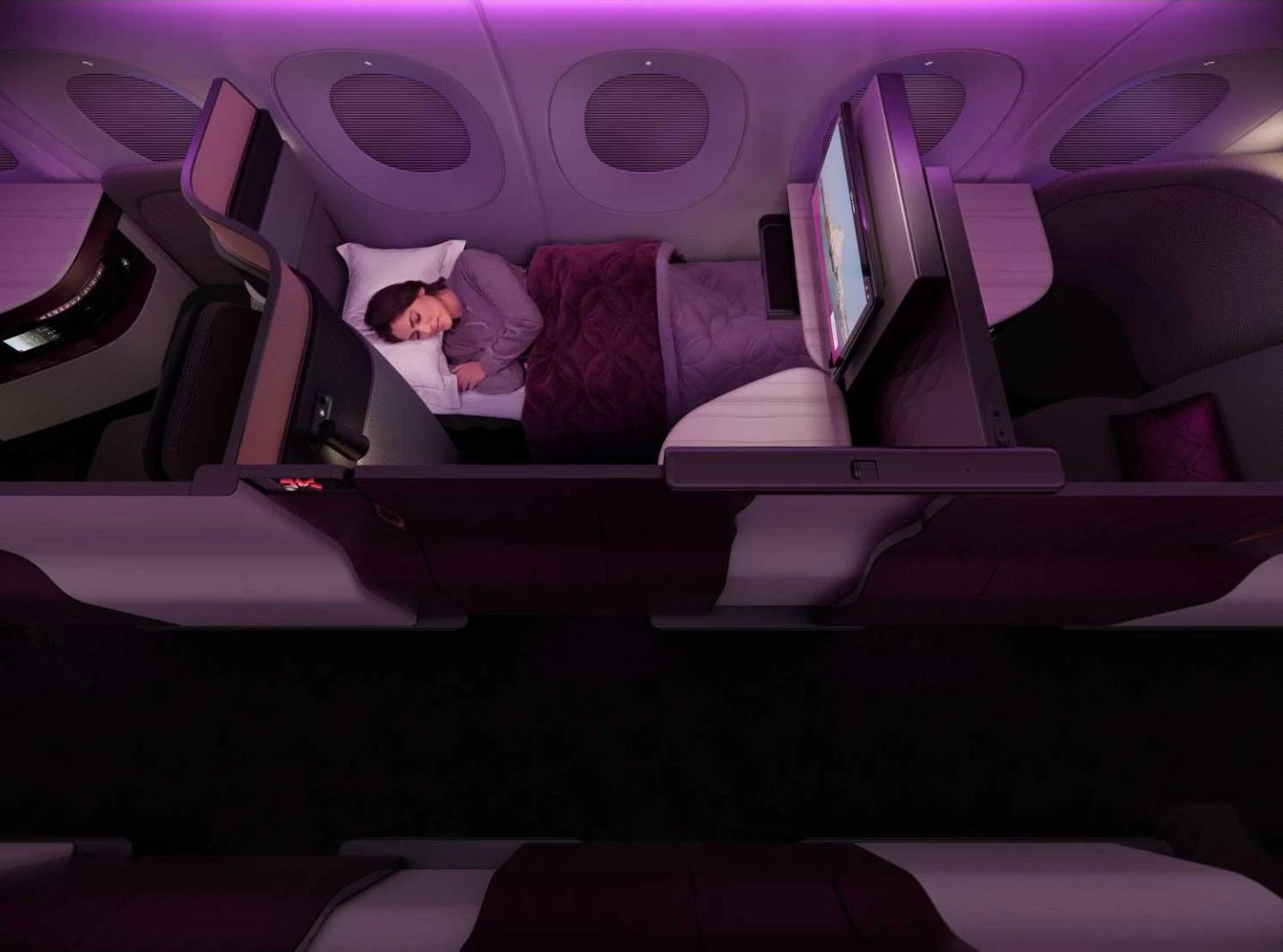
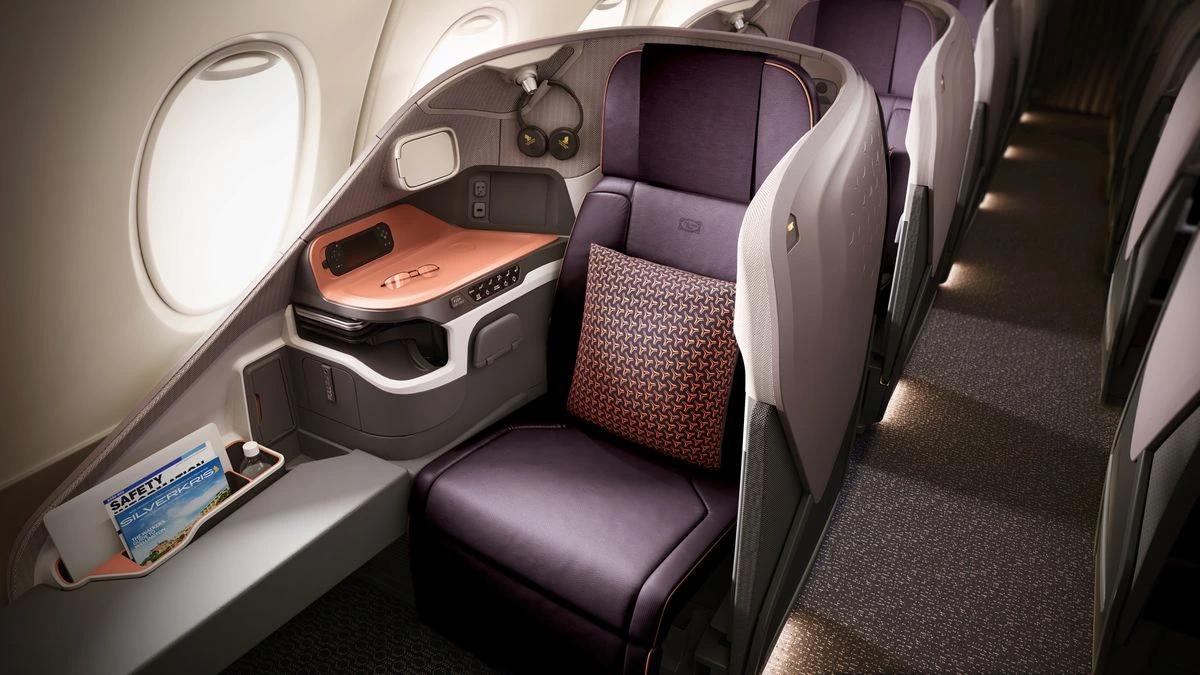
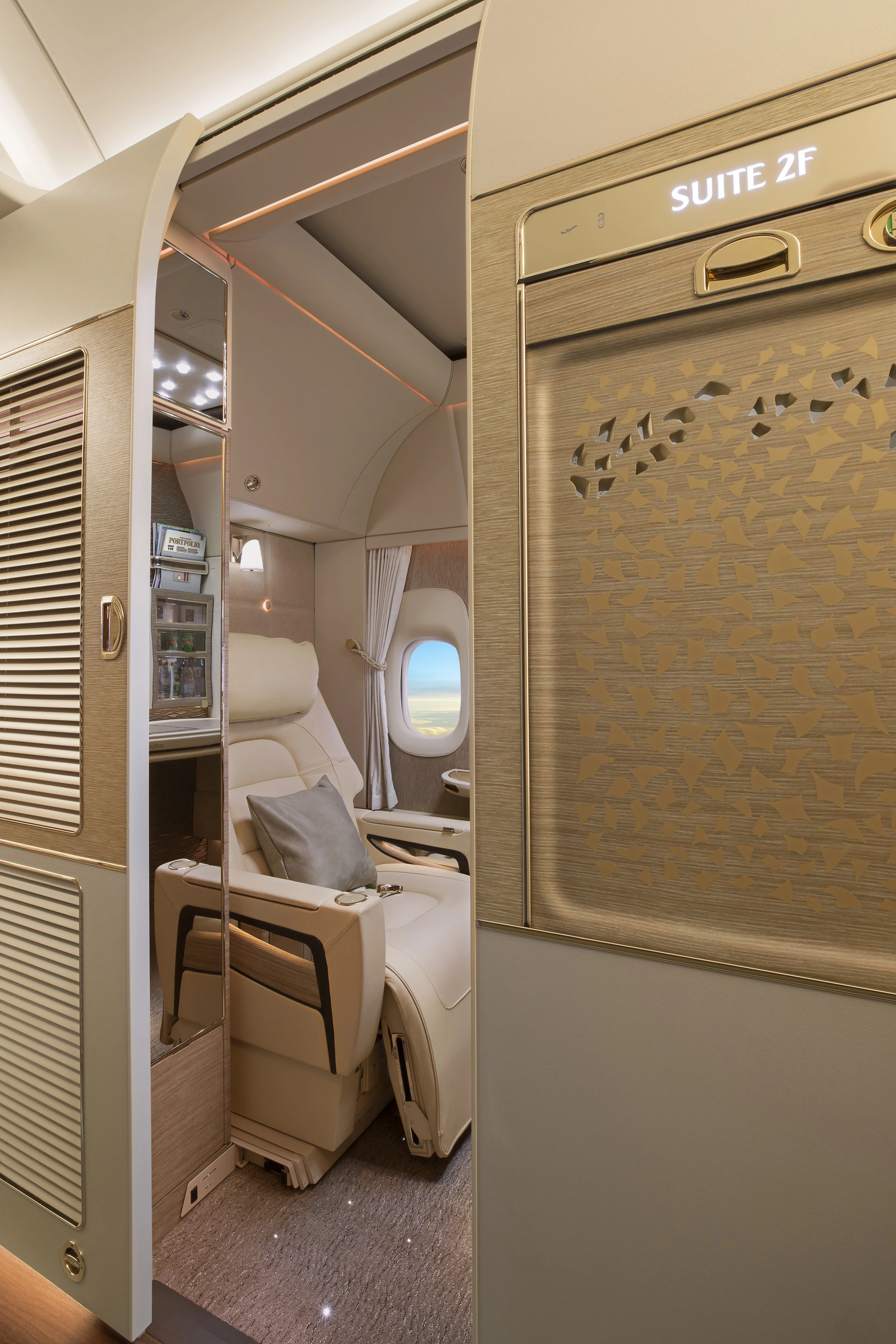
Modern business class, especially the current-generation products, has moved past "recline further than economy" into genuinely private suite territory. ANA's THE Room gives you an up-to-38-inch-wide enclosed suite with a sliding door on select 777 routes — it's arguably the most private hard product flying today, business or first. Singapore Airlines' current business class seat, rolled out across the fleet, is 28 inches wide in a 1-2-1 staggered configuration, the widest in the category, paired with their Book the Cook system that lets you pre-order your meal weeks in advance.
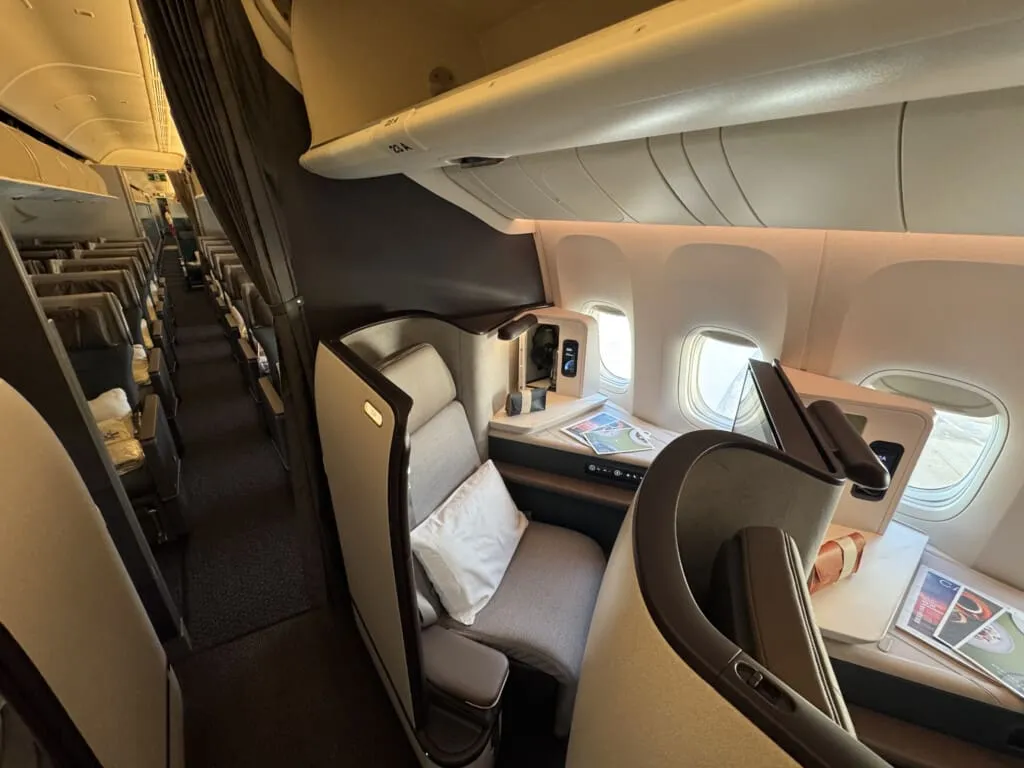
British Airways went from being a laggard in premium cabins to a genuine contender with Club Suite, now on the A350 fleet and retrofitted 777s, complete with a closing door and White Company bedding. Virgin Atlantic's Upper Class Suite does something similar on the A350 and A330neo, and adds a genuinely fun onboard social space with a bar — something almost no other airline still bothers with.
The Seat Comparison Nobody Shows You Honestly
Here's a side-by-side that most airline websites won't give you straight, because it makes premium economy look exactly like what it is — a nicer coach seat, not a mini business class.
| Feature | Premium Economy | Business Class |
|---|---|---|
| Seat Width | 18-21 inches | 22-28 inches (up to 28" on Singapore Airlines) |
| Recline | 7-8 inches, upright chair | Full lie-flat, 180 degrees |
| Privacy | None | Suite with door on ANA, BA, Virgin Atlantic |
| Dining | Upgraded meal service | Multi-course, chef-designed, some pre-order |
| Lounge Access | Rarely included | Standard (SilverKris, Galleries Club, ANA Lounge) |
| Typical NYC-LON Price | $900-$1,400 | $2,149-$5,500 |
The width number matters more than people think. An extra three or four inches across a 10-hour flight is the difference between arriving stiff and arriving rested. I've had clients tell me the seat width alone was worth the upgrade, before they even mention the bed.
When Premium Economy Is Actually the Smarter Buy
I'll say something most agencies won't: premium economy is not a consolation prize. On a daytime New York to London flight where you're not trying to sleep anyway, the difference between a lie-flat suite and a wide recliner is smaller than the price difference suggests. If you're disciplined about it, premium economy on a route like that can be the better value call, full stop.
It's also the more rational choice for families or groups where paying business class rates for four seats doesn't make financial sense, but everyone's back and knees would appreciate the extra room. And on some carriers, premium economy comes bundled with lounge access or priority boarding that closes part of the gap.
Where I push back hard on premium economy: anything over eight hours, and especially red-eyes. San Francisco to Sydney is a 15-hour flight. Trying to survive that in a premium economy recliner when a lie-flat business seat is available is, in my opinion, a mistake almost every time — and one I've watched clients regret mid-flight, somewhere over the Pacific, more than once.

Where the Real Money Question Lives
This is the part that changes the calculus for most travelers. Retail business class pricing looks scary — $5,500 for New York to London on British Airways during peak dates, $9,000 for San Francisco to Sydney in high season. Most people see those numbers and default straight to premium economy without checking what's actually available.
But airline pricing for premium cabins is nowhere near as fixed as economy fares. Business class inventory moves in waves tied to release dates, corporate contract fares, and last-minute seat dumps that rarely show up on a standard search. We've booked British Airways Club Suite on New York to London for under $2,200 round trip during periods when premium economy on the same route was pricing near $1,800. When that gap closes to a few hundred dollars, there's no argument left for the recliner.
That's the entire reason CEOFLIGHTS exists as an agency rather than a search engine. Anyone can compare list prices. Finding the days when a lie-flat suite costs almost the same as a wide economy seat takes someone actually working the fare classes on your behalf.
Airline-by-Airline: Which Business Class Actually Beats Premium Economy By the Widest Margin
Not every airline's business class is worth the leap over premium economy by the same margin. This matters more than people realize when they're picking a carrier.
ANA's THE Room is, in my direct opinion, the single biggest gap between premium economy and business class flying today. Their premium economy is fine — comfortable, well-fed, unremarkable. THE Room is an up-to-38-inch-wide enclosed suite with a sliding door, full Japanese-Western dining, and access to the ANA Lounges at Narita and Haneda. It doesn't feel like an upgraded economy seat. It feels like a separate airline.
Singapore Airlines' business class, at 28 inches wide with an 18-inch HD touchscreen and the Book the Cook program, makes a similarly strong case, especially paired with the SilverKris Lounge at Changi — one of the best lounges in the world, period.
Air New Zealand deserves a specific mention for Pacific routes. Their Business Premier uses a herringbone lie-flat layout on the 787 Dreamliner, with New Zealand-focused wine lists that outperform what most airlines pour in first class. For anyone flying toward Auckland or connecting onward, it's a genuinely underrated product relative to price.
Making the Call: A Straight Answer
If you want the short version, here it is: premium economy is a smart, defensible choice on short and mid-length routes where sleep isn't the goal. Business class is the only rational choice on long-haul overnight flights where you actually need to arrive functional. Anyone telling you differently is either padding an economy sale or hasn't sat in both seats enough times to know the difference firsthand.
The number that should drive your decision isn't the sticker price on the airline's website — it's the actual gap between the two cabins on your specific date. Sometimes that gap is $3,000. Sometimes, with the right timing and access, it's $400. That's the number worth finding out before you book anything.
Call CEOFLIGHTS at (888) 851 6897 and we'll pull the real fare gap on your route before you commit to a seat you might regret at hour nine.
