

Why Business Class Upgrades Are Getting Harder to Score
Ten years ago, a Executive Platinum flyer on American could get upgraded on a domestic transcon almost by default. That world is gone. American, Delta, and United have all shifted toward "premium heavy" cabin configurations — more business seats, priced aggressively at certain fare buckets — because selling a $2,800 ticket beats comping a $9,000 seat to a loyal flyer.
That's not a complaint. It's just the current math. Delta's SkyMiles program alone increased revenue-based upgrade offers by pricing them dynamically at check-in, sometimes for $200-$400 on a domestic hop. International widebody upgrades are a different animal entirely — those seats are worth $3,000 to $8,000, and airlines protect that inventory hard.
The honest answer to "how do I upgrade to business class" isn't one trick. It's a stack of methods, some free, some paid, some requiring status you've spent years building. I'll walk through what actually converts, ranked roughly by how reliably it works.
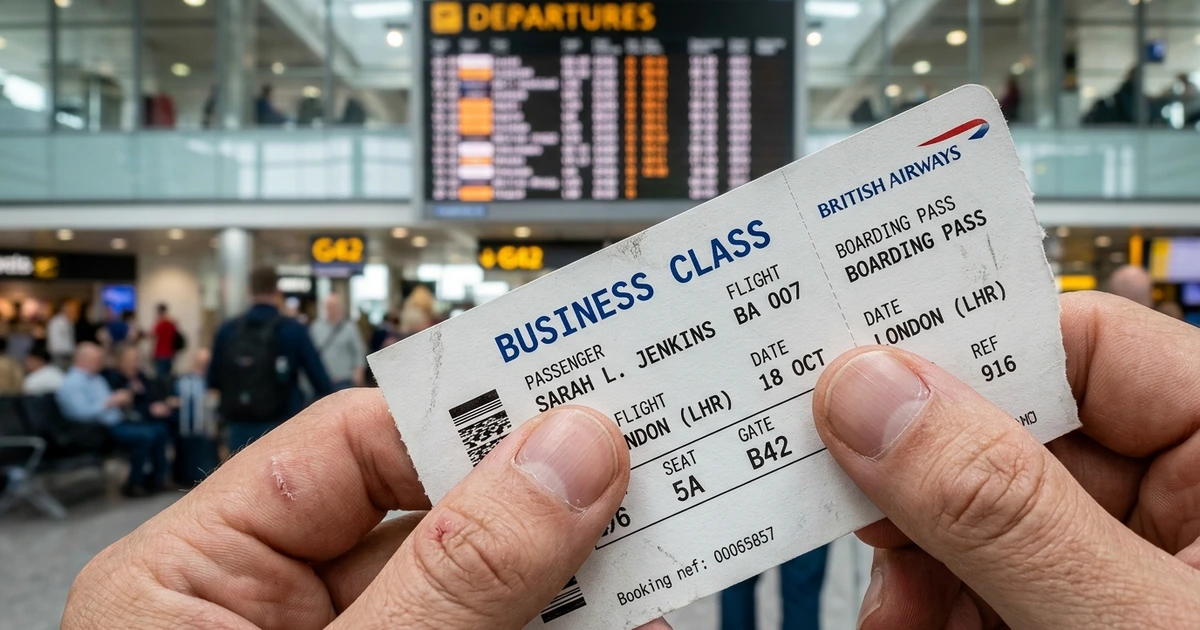
Method 1: Elite Status Upgrades (Still the Original Play)
Status-based upgrades work on a waitlist system tied to fare class and tier. Book a full-fare Y ticket as a mid-tier elite and you might clear. Book a deep-discount basic economy fare as the same elite and you won't — most airlines exclude those fare buckets entirely from upgrade eligibility.
United's PlusPoints system, introduced in 2020, replaced the old complimentary upgrade model for premier members. 1K flyers get an annual allotment of PlusPoints they can apply toward Polaris business class on international routes, but international widebody upgrades burn through that allotment fast — a single one-way economy-to-Polaris transatlantic upgrade costs 40 PlusPoints (20 PlusPoints for Premium Plus to Polaris) depending on the route.
Delta's Diamond Medallion members get Complimentary Upgrade priority, and it genuinely clears on domestic routes with regularity. International upgrades to Delta One are far rarer and generally require Global Upgrade Certificates, which Diamond members receive a limited number of annually.
My opinion, unpopular with some frequent flyer forums: chasing elite status purely for upgrade priority is a losing strategy unless you're already flying 75,000+ miles a year for work. The math doesn't pencil out for leisure travelers. You'll spend more on mileage runs and co-branded credit card fees than you'd spend just buying a discounted business fare outright.
Method 2: Miles and Points Upgrades
This is where things get technical, and where most people give up before finding value. Airlines release a limited number of seats into "upgrade space" — a separate inventory bucket from straight award redemptions. On a Lufthansa flight from Frankfurt with new Allegris business seats, you might see zero upgrade space released six months out, then suddenly two seats open up 72 hours before departure as the airline finalizes revenue management.
United MileagePlus lets you upgrade a paid economy ticket to Polaris using miles plus a co-pay, and the co-pay scales with how cheap your original fare was. Buy the lowest economy bucket and the co-pay can wipe out most of your savings.
The routes worth focusing miles on: San Francisco to Tokyo is a strong one. ANA and JAL both fly gorgeous business products on this corridor, and United's own Polaris cabin on the same route runs $2,767 to $7,000 round-trip depending on season, per current CEOFLIGHTS route data. If you're sitting on 100,000 United miles from a card signup bonus, an upgrade on this route can beat cash value handily — assuming the space is there.
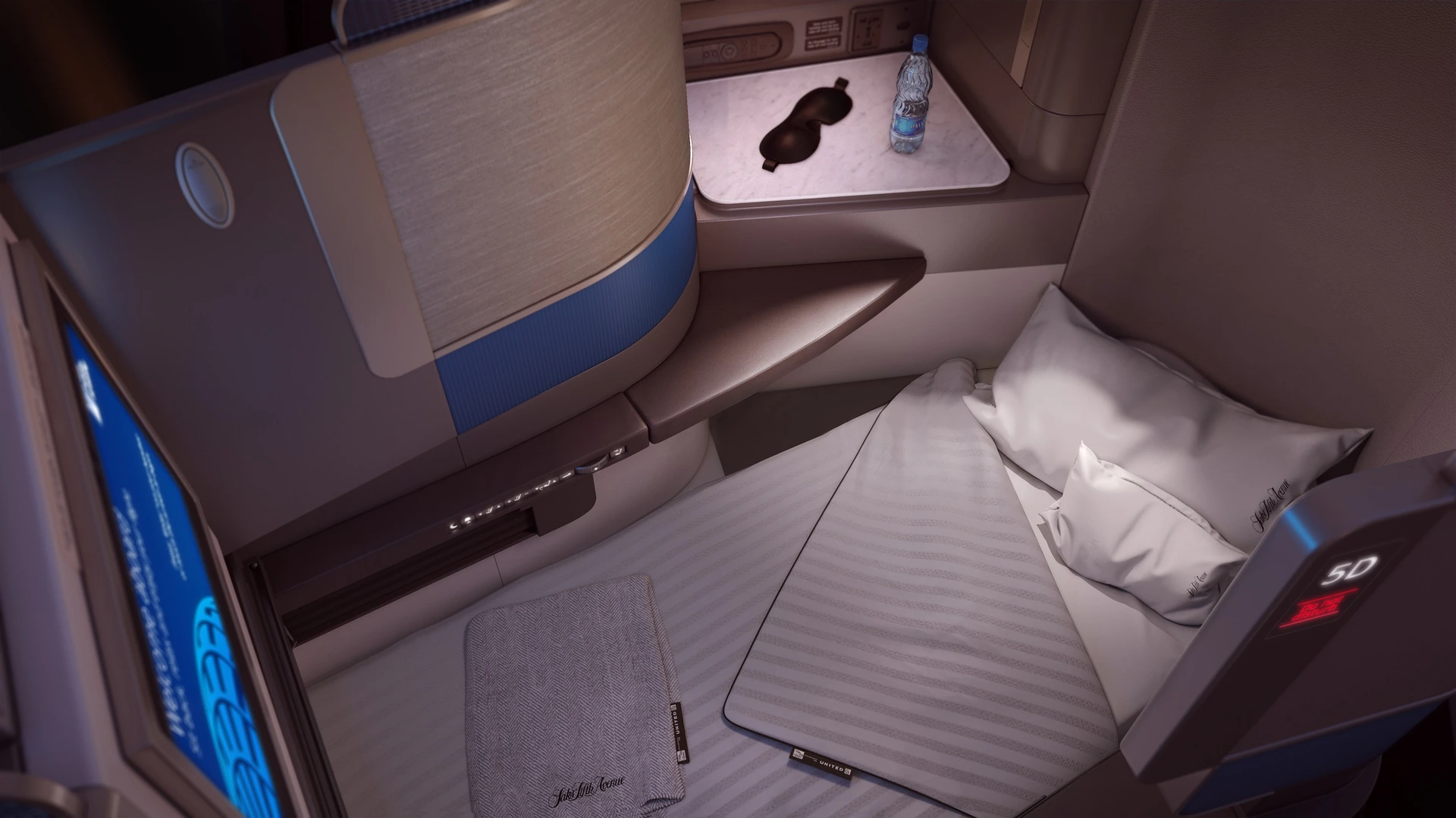
Method 3: Paying for a Deeply Discounted Business Fare (What We Actually Recommend)
Here's the thing nobody selling you a "10 secret upgrade hacks" article wants to admit: upgrades are unreliable by design. Airlines make them scarce on purpose. If your trip actually matters — an anniversary, a client meeting, a long-haul flight where you need to sleep — betting on an upgrade clearing is a gamble you shouldn't take.
CEOFLIGHTS works differently. We source business class fares through consolidator agreements, corporate rate access, and fare-class arbitrage that isn't visible on Google Flights or the airline's own site. On New York to London, that means Delta One Suite or American Flagship Suite for $2,149 to $3,400 round-trip on the routes and dates we track, against a public $5,500 fare for the same seat, same dates.
That's not a discount code or a loophole that gets patched. It's how consolidator ticketing has worked in the travel industry for decades — airlines sell blocks of business inventory to agencies at negotiated net rates, and agencies pass savings to clients while keeping a margin. It works because airlines would rather fill the seat at a lower net rate than fly it empty.
| Method | Typical Cost | Reliability | Best For |
|---|---|---|---|
| Elite status upgrade | Free (with status) | Low-Medium (top tiers only) | Frequent business travelers with 1K/Diamond/Exec Plat status |
| Miles upgrade + co-pay | 15,000-40,000 miles + $150-$600 | Low (limited space) | Points-rich travelers with flexible dates |
| Bidding programs (Plusgrade) | $200-$1,200 | Medium | Leisure travelers on select carriers |
| Credit card upgrade certificates | Card annual fee + fees | Medium | Cardholders with saved certificates |
| CEOFLIGHTS discounted business fare | $2,149-$4,500 (NYC-LON) | High (confirmed seat) | Anyone who wants a guaranteed business seat |
Method 4: Bidding for an Upgrade (Plusgrade and Similar Systems)
You'll get the bidding email 3-7 days before departure, usually with a suggested bid range. Bid too low and you won't clear even on an empty flight. Bid too high and you've basically paid full upgrade price anyway, defeating the purpose.
Virgin Atlantic's Upper Class Suite — the 1-2-1 configuration with a privacy screen on the A350 and a full closing door on the A330neo Retreat Suite — shows up in bidding programs fairly often on Heathrow routes because Virgin overbuilds Upper Class inventory relative to demand on off-peak days. I've seen successful bids as low as $450 one-way on a Tuesday departure from JFK, and as high as $1,100 on a Friday.
Lufthansa's rollout of the new Allegris cabin — the suite-style seat with a closing door debuting on A350 aircraft — has actually made bidding slightly more competitive on those specific tail numbers, because passengers now know exactly which flights have the new hardware and target them intentionally. If you're bidding on Lufthansa, check the aircraft type before you submit; not every A350 has Allegris installed yet, since the rollout is staged through 2025.

Method 5: Co-Branded Credit Card Upgrade Certificates and Companion Passes
The Citi/AAdvantage Executive card offers benefits like Admirals Club membership, but systemwide upgrade certificates are earned separately through AAdvantage Loyalty Point Rewards (starting at 175,000 loyalty points) that can move a paid economy or premium economy ticket into American's Flagship Suite on qualifying long-haul routes. The catch: you need the annual fee (currently north of $595), you need to hit a spending threshold to earn the certificates, and you still need available upgrade space at booking.
Delta's Reserve cards offer Companion Certificates that can apply toward a First/Business fare when you buy one at full fare — decent value on shorter domestic routes, mediocre value on long-haul international where the "full fare" requirement inflates the total cost past what you'd pay booking business direct through a discount channel.
My honest take: these cards are worth holding if you're already flying that airline 8-10 times a year for other reasons. As a standalone upgrade strategy, the annual fees and fare restrictions usually cost more than the upgrade saves you.
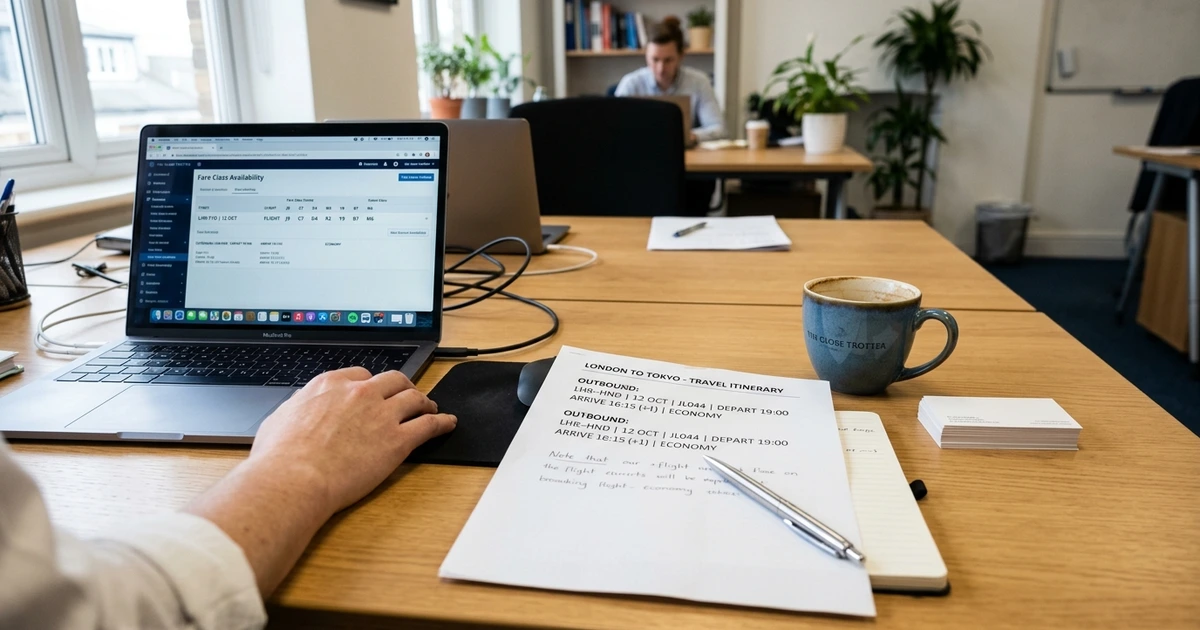
Comparing What You Actually Get: Business Class Cabins Worth Chasing
This matters more than most upgrade guides admit. I've had clients thrilled to clear an upgrade, only to find themselves in an older business cabin with a 2-2-2 layout and no direct aisle access — a downgrade in experience compared to some premium economy products on newer aircraft.
United's Polaris seat gives every passenger direct aisle access in the 1-2-1 layout, which sounds like a small thing until you're the person in the middle seat of an old 2-4-2 configuration climbing over a stranger at 2 a.m. American's Flagship Suite goes further, adding an actual closing door on the A321XLR and the 777-300ER fleet (rollout in progress) — paired with Bamford-designed bedding and a multi-course Flagship dining service that's genuinely competitive with international carriers.
| Airline | Product | Layout | Door? |
|---|---|---|---|
| American Airlines | Flagship Suite | 1-2-1 | Yes (A321XLR, 777-300ERs (rollout in progress)) |
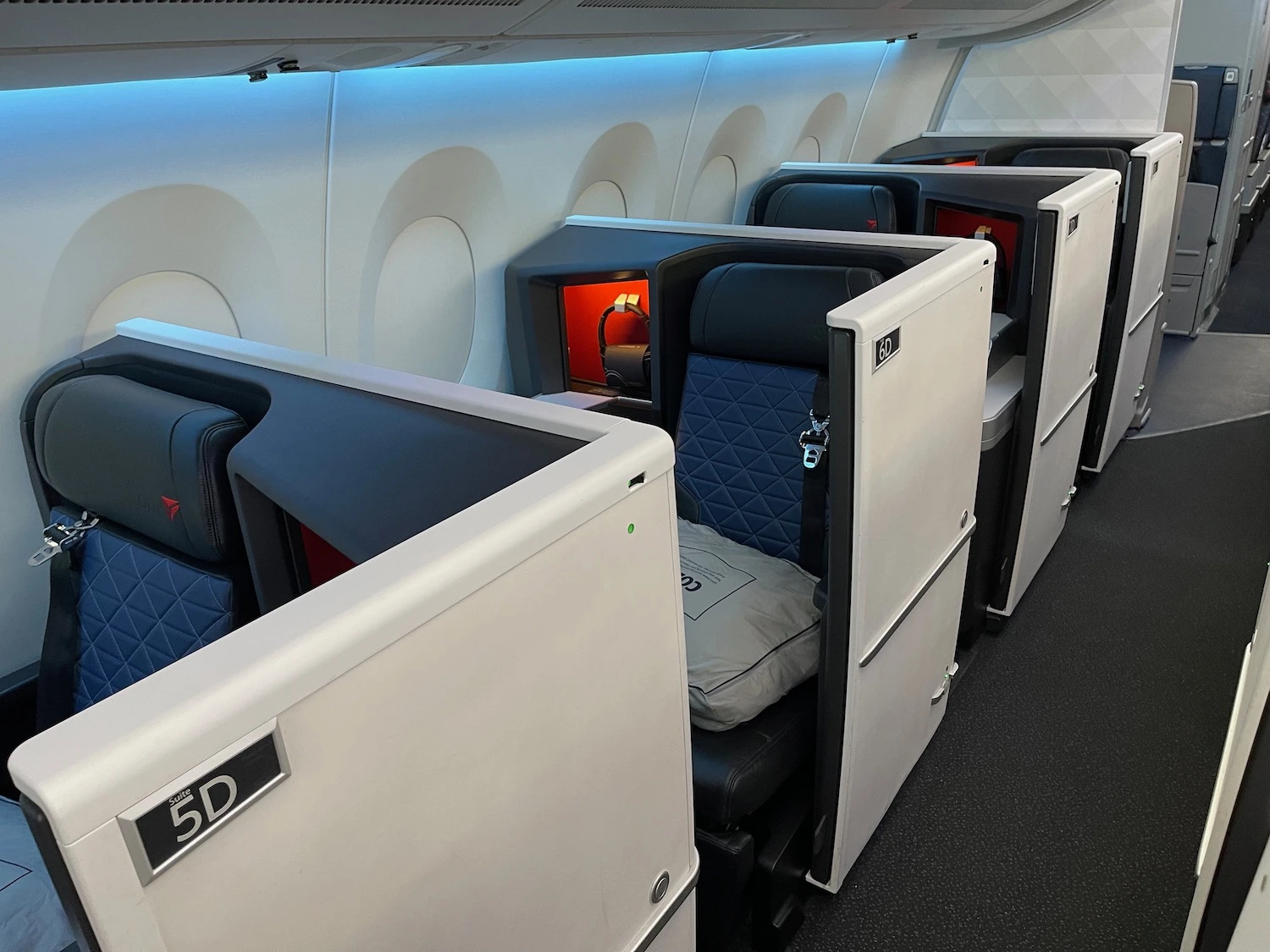
| Delta Air Lines | Delta One Suite | 1-2-1 | Yes (A350, A330-900neo) |
| United Airlines | Polaris Business | 1-2-1 | No |
| Lufthansa | Allegris Business | 1-2-1 | Yes, on suite option |
| Virgin Atlantic | Upper Class Suite | 1-2-1 | Partial (A350 screen), Full (A330neo) |
Delta's approach across its fleet is the most consistent of the bunch — premium bedding and a Missoni amenity kit whether you're on an A350-900 or A330-900neo (both with suites), or on the 767-400, which carries Delta One lie-flat seats in a 1-2-1 configuration without the suite door. That consistency is worth something if you fly Delta often and want to know exactly what you're getting regardless of aircraft type.
What to Do Right Now If You Want a Business Seat on Your Next Trip
Realistically, most people reading this have a trip already on the calendar. If it's more than four months out, sure — try the miles upgrade route, watch for bidding emails, keep an eye on your elite status upgrade queue. But if you're inside the 60-day window and you need a confirmed lie-flat seat, upgrade gambling is the wrong strategy.
Call an agency that has actual net-rate access to business inventory. On the New York to London corridor alone, we've booked American's Flagship Suite for clients at $2,890 round-trip during weeks when the airline's own site was quoting north of $4,700 for the identical flight and cabin. On San Francisco to Tokyo, ANA and JAL business fares through our desk have landed as low as $3,100 round-trip against public fares pushing $6,500.
That's not a bait-and-switch number designed to get you on the phone. It's the actual range we see week to week, and it fluctuates with season, fuel surcharges, and how much inventory the airline released to consolidators that quarter.
Getting into business class isn't about knowing one secret hack — it's about knowing which lever to pull for your specific trip, timeline, and loyalty situation. If you've got status and time, work the upgrade queue. If you've got miles and flexibility, chase award upgrade space. If you need a seat locked in and you need it to actually be comfortable, skip the gamble entirely.
Call CEOFLIGHTS at (888) 851 6897 and tell an agent your route and dates. We'll pull live business class fares across every major carrier — including the Flagship Suite, Delta One, Polaris, Allegris, and Upper Class products covered here — and show you the real net rate before you spend a single mile or make a single bid.
