

Book too early and you overpay for flexibility you don't need. Book too late and you're stuck paying cash for a seat that should have cost half in miles, or worse, flying coach on a route where lie-flat seats sold out weeks ago. Business class pricing doesn't move like the economy cabin. It moves in fits and starts, driven by corporate travel demand, award space release schedules, and a handful of predictable seasonal patterns that most travelers never bother to learn.
I've booked thousands of premium cabin seats over the years, and the timing question comes up more than any other. The honest answer is that "book early" is bad advice about half the time. The real answer depends on the route, the season, and whether you're chasing a cash fare or a mileage redemption.
When Business Class Fares Actually Drop
Airlines manage business class inventory differently than economy. There are usually only 20 to 40 seats up front on a widebody, and the airline's revenue management system is constantly recalculating what those seats are worth based on how fast they're selling relative to the departure date.
On a route like New York to London, where British Airways, American, Virgin Atlantic, and Delta all compete head-to-head, I've watched fares swing from $2,149 round-trip to over $5,500 for the same cabin, same week, depending on how far out you book and which carrier is running a fare sale. The sweet spot tends to land 60 to 90 days before departure. That's late enough that airlines have started discounting unsold premium inventory, but early enough that you're not fighting for the last two seats on the plane.
Long-haul Pacific routes behave differently. Los Angeles to Tokyo on ANA, JAL, American, or Delta ranges from $2,767 to $7,000 round-trip, and that spread is almost entirely about timing and day-of-week departure. Tuesday and Wednesday departures out of LAX consistently price lower than Friday or Sunday because there's less business traveler demand midweek on the return leg.
Seasonal Patterns Worth Planning Around
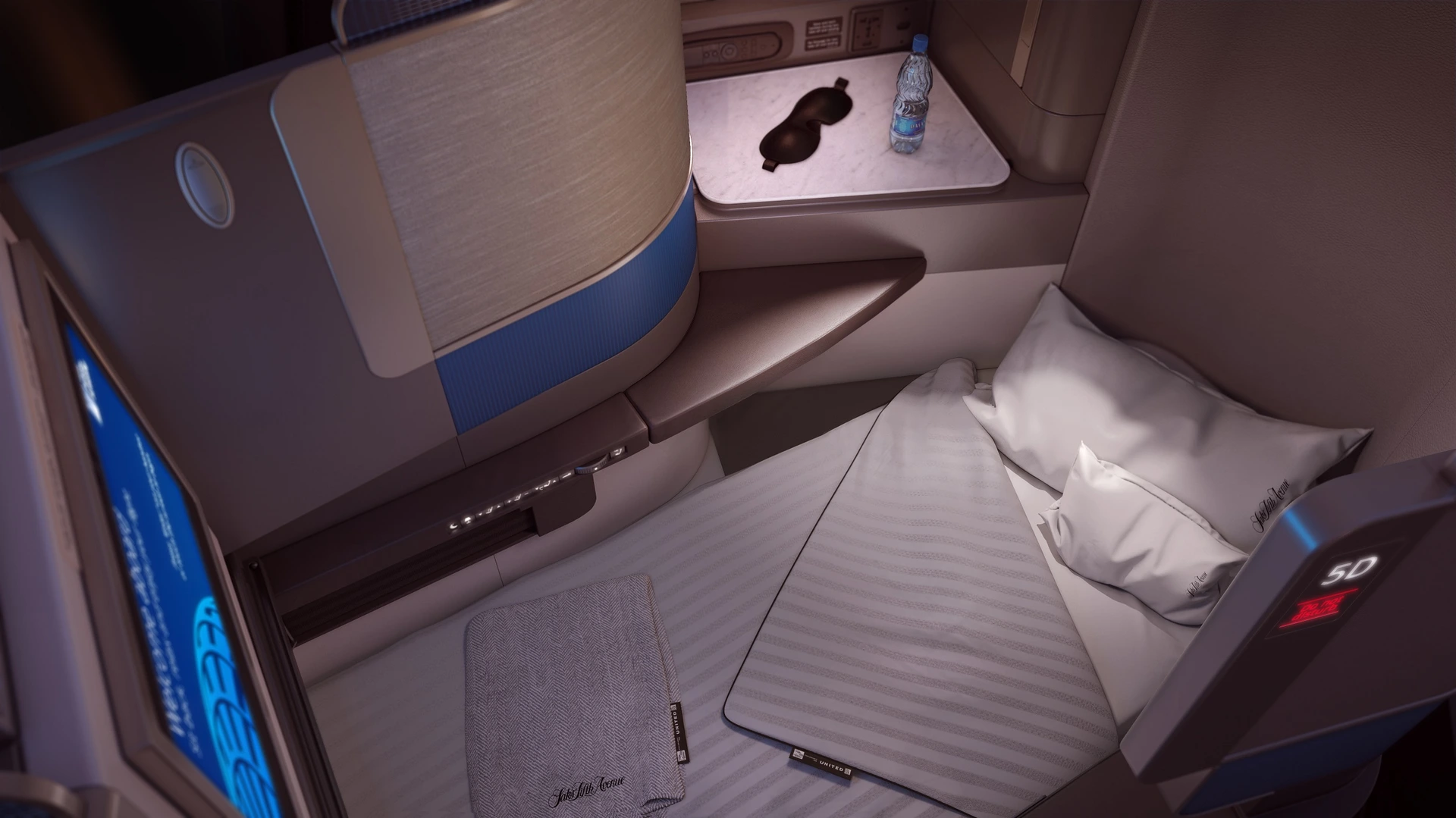
I tell clients the same thing every year: if your schedule has any flexibility at all, shift your transatlantic trip out of July and August. Corporate demand slows down in Europe during the summer, but leisure demand explodes, and business class cabins fill with people using points, cash, or upgrades who wouldn't normally fly up front. That competition pushes cash fares higher across the board.
New York to Paris tells the same story as New York to London. Air France and Delta both run that route heavily, and pricing sits in the same $2,149-$5,500 band. Book a Tuesday departure in late September and you'll often land close to the floor. Book a Friday departure the week before Thanksgiving and you'll pay close to the ceiling, assuming there's even inventory left.
Asia-Pacific routes run on a different calendar. Golden Week in Japan (late April into early May) and the weeks around Lunar New Year create fare spikes that rival Christmas pricing in the U.S. If you're flying LAX to Tokyo and your trip has any flexibility, avoid both windows entirely. I've seen JAL and ANA business class fares nearly double during Golden Week compared to a normal April week.

Award Availability vs. Cash Fares: A Different Clock
This is the part most travelers get wrong. They assume the cheapest cash fare and the best award availability show up at the same time. They don't.
Qatar Airways releases Qsuite award space aggressively up to 361 days (nearly 12 months) in advance, then again when flights get within a few weeks of departure as airlines rebalance unsold inventory. Lufthansa does something similar with its new Allegris cabin, though availability on the new suite-style seats has been tighter than expected since rollout began, since only a handful of A350s currently carry the configuration.
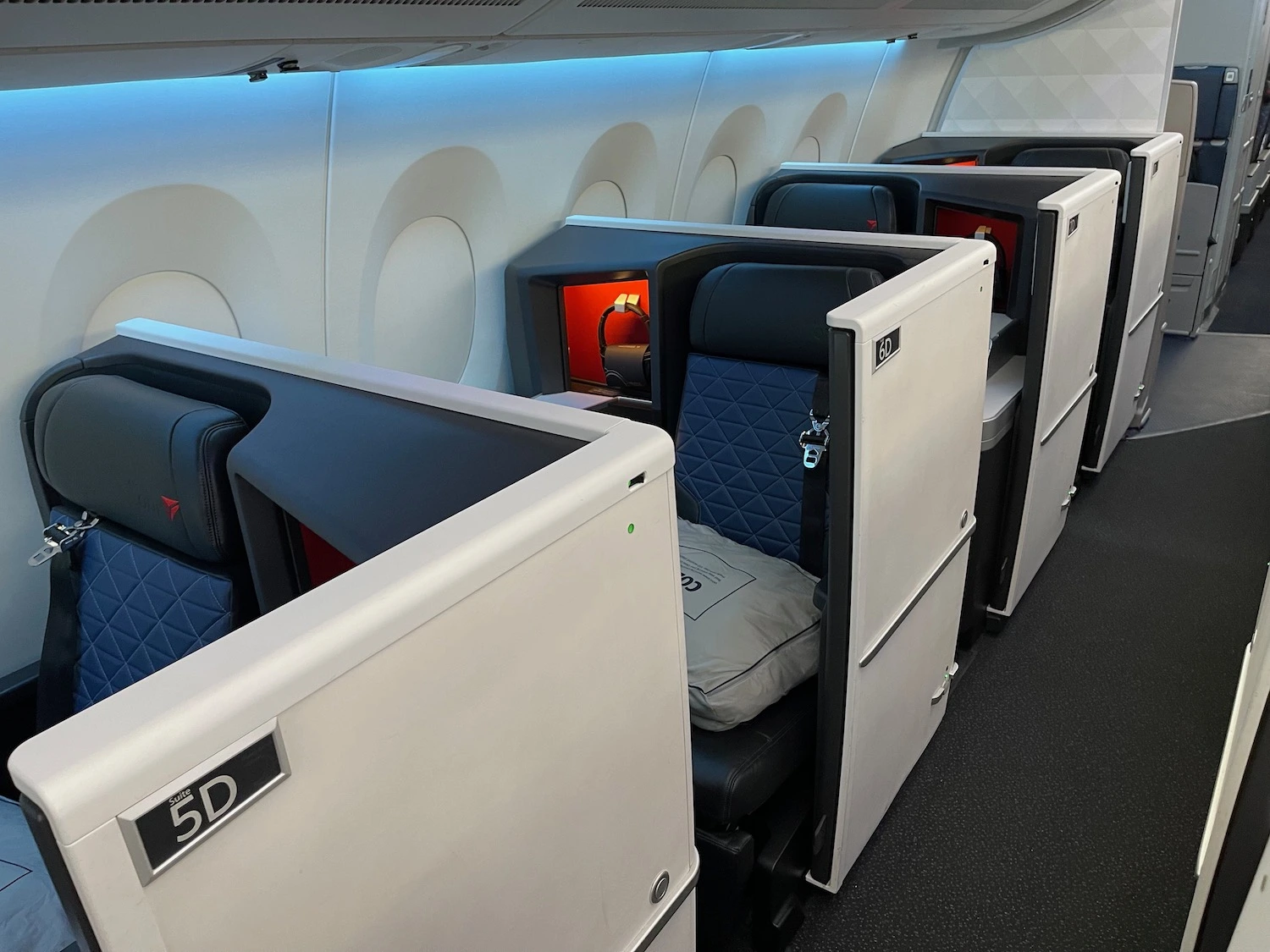
If you're chasing a specific product — say, the Delta One Suite with the sliding door on the A350, rather than an older 767 configuration — book the moment award space opens, because premium hard-product seats disappear from award inventory faster than standard business class seats. Cathay Pacific's new Aria Suite has the same problem. It's only on select 777-300ER routes out of Hong Kong right now, and the good dates go fast.

Route-by-Route Breakdown
Here's how the three routes I get asked about most compare, based on typical published fares and the airlines flying them.
| Route | Price Range (RT) | Best Booking Window | Key Airlines | Worst Time to Fly |
|---|---|---|---|---|
| New York – London | $2,149 – $5,500 | 60-90 days out | BA, AA, VS, DL | Late June, mid-December |
| New York – Paris | $2,149 – $5,500 | 60-90 days out | AF, DL | Fashion Week, July-August |
| Los Angeles – Tokyo | $2,767 – $7,000 | 90-120 days out | NH, JL, AA, DL | Golden Week, late December |
Notice that both New York routes carry the same price ceiling. That's not a coincidence — Delta competes on both, and its pricing algorithm treats the two markets similarly. What differs is the competitive intensity. London has four carriers slugging it out, which occasionally produces better fare sales than Paris, where only Air France and Delta hold real market share.
The Hard Product Actually Matters to Timing
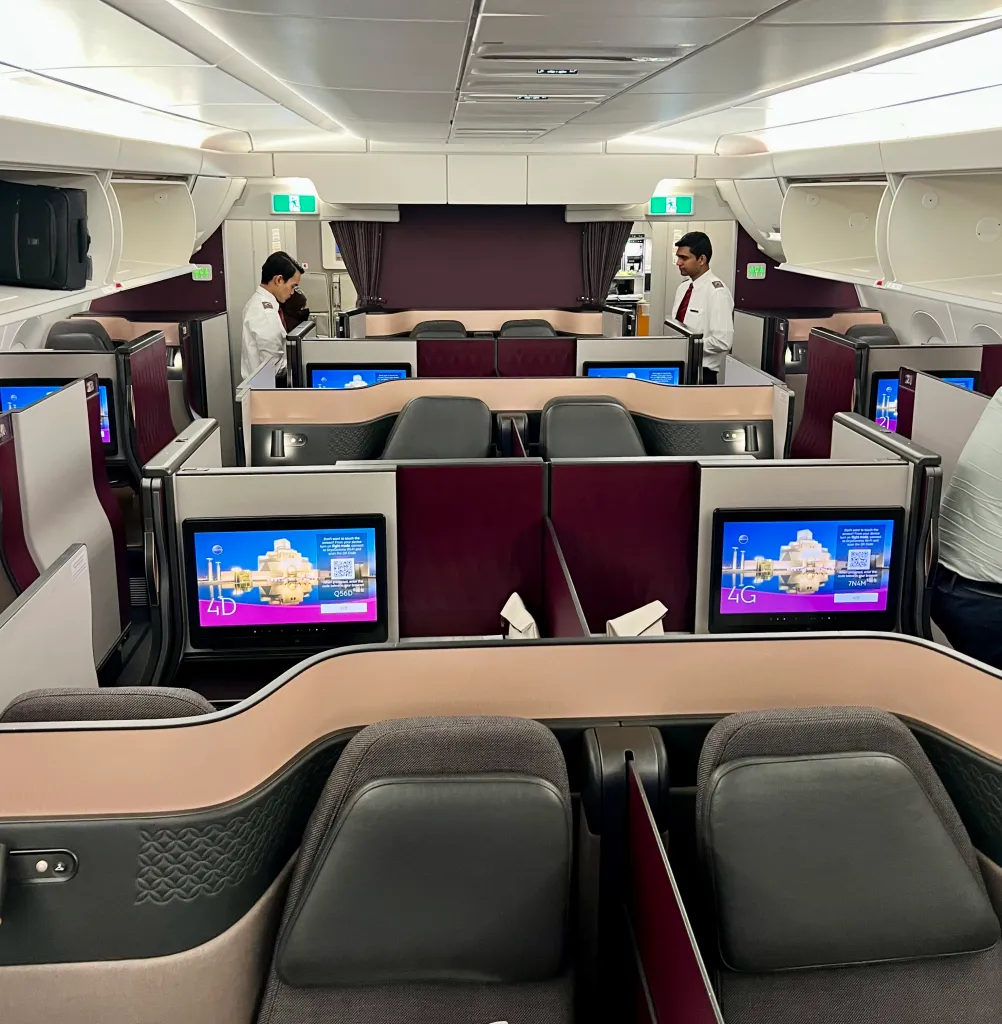
I'll say this plainly: not all business class is the same product, and pretending otherwise is how people end up disappointed at the gate. A Qatar Qsuite booking, with its fully enclosed suite and sliding privacy door, is a fundamentally different experience from an older angled-flat seat on a legacy 777 configuration, even though both get filed under "business class" in a search engine.
Qsuite has been rated the top business class product in the world multiple years running, and it deserves it. The companion suite mode — where two center seats convert into a shared space for couples — doesn't exist on most competing products. British Airways' Club Suite, now rolling out across the A350 fleet and refitted 777s, finally gives BA a door-equipped seat to compete with Qatar and Delta after years of running an older, more open business class layout.
Delta's approach has been more consistent across its fleet than most U.S. carriers. The Delta One Suite, with its sliding door, premium bedding, and Missoni amenity kits, shows up on both the A350-900 and A330-900neo, so you're less likely to get "downgraded" in experience even if your aircraft type changes close to departure.
Lufthansa's Allegris is the newest entrant here, and it's ambitious — suite-style seat (Suite Class includes a closing door; other seat types do not) with a mattress topper — but it's only on select A350 routes out of Frankfurt for now, which means booking early is the only way to guarantee you get it rather than the older business class seat on a 747-8 or older A340.
If a specific seat matters to your trip, book 4-6 months out. If you just want a lie-flat bed and don't care about the door, you have more room to wait for a fare drop.
Where CEOFLIGHTS Fits Into the Timing Question
Here's the thing about all this timing advice: it assumes you have the schedule flexibility and the patience to track fares for weeks. Most executives don't. A CEO booking a same-week trip to London for a board meeting isn't going to wait for the 75-day sweet spot.
That's the gap CEOFLIGHTS fills. We work with contracted and negotiated fares that sit below what you'd find searching BA.com or Delta.com directly, on the same New York-London or LA-Tokyo routes discussed above, even inside a two-week booking window. A client calling us four days before a Tokyo trip has a real shot at a Delta One Suite or ANA business class fare meaningfully below the $7,000 ceiling that route can hit at retail pricing.
I'm not going to pretend timing doesn't matter — it does, and everything above this section is accurate. But timing is a lever for the traveler who has weeks to plan. For the traveler who doesn't, the better lever is having someone on the phone who already knows where the negotiated inventory sits.
Quick Reference: Booking Windows by Season
A short list, because this is the part people actually screenshot:
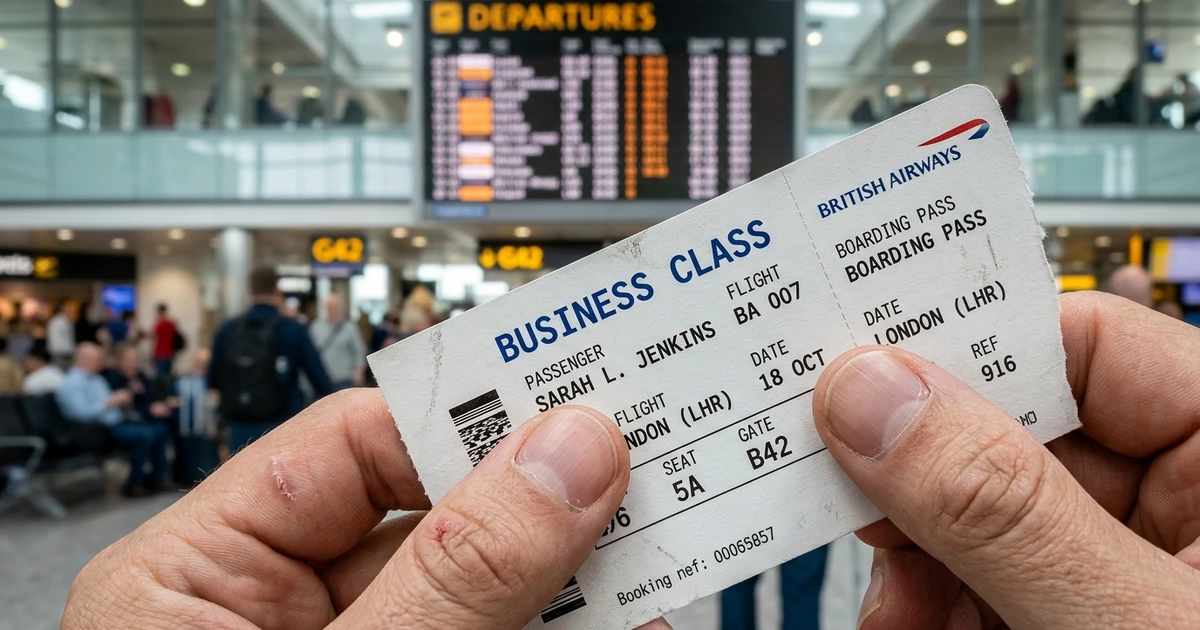
- January-early February: Corporate travel is slow. Last-minute fares (inside 21 days) can drop unexpectedly on routes like New York-London as airlines fill empty premium cabins. - February-March: Strong booking window at 60-75 days out. This is genuinely one of the best stretches of the year for transatlantic business class. - April-May: Watch for Golden Week on Asia routes. Everything else runs normal shoulder-season pricing. - June-August: Book early (4+ months) or accept peak pricing. This is the worst season to wait for a deal on any of the three routes covered here. - September-October: The best transatlantic window of the year, in my opinion. Business travel resumes, leisure demand drops, and fares often sit near their annual floor. - November-December: Book 3+ months out for Thanksgiving and Christmas travel. Waiting until three weeks before Christmas on New York-London has burned more than one client I've worked with.
Final Thought on Timing
There's no single magic number of days before departure that works across every route, airline, and season. What's true across all of it: shoulder season beats peak season, midweek beats weekend, and a fully enclosed suite product will always cost and sell out faster than an older seat. Treat those three rules as your baseline, then adjust for the specific route.
If you'd rather skip the spreadsheet entirely, call CEOFLIGHTS at (888) 851 6897. We track fare movement across Delta One, Qatar Qsuite, British Airways Club Suite, Cathay Pacific's Aria Suite, and Lufthansa's new Allegris cabin every day, and we can tell you in one phone call whether your dates are hitting a good window or whether you should shift them by a few days to save real money.
