

Are Business Class Brokers Legit? The Short Answer
I've spent enough years booking premium cabins for executives who fly weekly to know the question isn't really "are brokers legit." The better question is "which broker, and how do they actually get the price they're quoting." Because that's where the real answer lives.
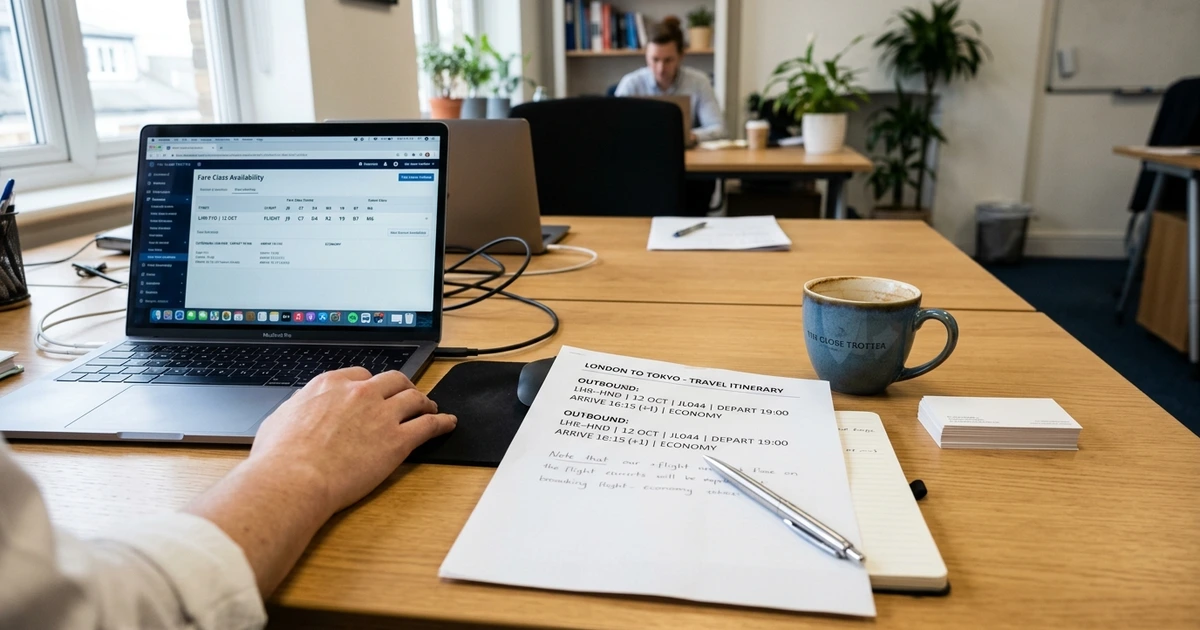
A legitimate broker works through consolidator fares, corporate contracts, airline release blocks, or points-and-miles arbitrage — all legal, all standard practice in the travel industry since the 1980s. A scam operation works through stolen credit cards, fraudulent award bookings, or fake PNRs that get canceled three days before departure. Both will quote you a great price. Only one will get you on the plane.
I've watched a client's $6,200 Emirates A380 business class ticket from JFK to Dubai get sourced for $3,100 through a legitimate consolidator relationship — and I've also seen a "broker" on a Facebook travel group quote $1,800 for the same route using a ticket that got auto-canceled by Emirates fraud detection 48 hours later. Same route. Same cabin. Wildly different outcomes.
How Legitimate Business Class Brokers Actually Source Tickets
Here's what nobody tells you upfront: airlines sell blocks of business class inventory to consolidators at wholesale rates, especially on routes where they need to fill seats that would otherwise fly empty. This isn't a loophole. It's a decades-old B2B relationship that predates the internet.
A broker with real airline relationships can access Air France's reverse herringbone Business cabin on the CDG-Miami route for meaningfully less than what you'd pay booking direct on airfrance.com, because they're buying at a negotiated bulk rate and passing most of the savings through. That's the model CEOFLIGHTS runs — sourced consolidator fares plus a transparent service fee, not fare manipulation.
What should worry you is anyone who can't explain their pricing model in one sentence. If a broker's answer to "how are you getting this price" is vague, or involves phrases like "we have a guy," walk away. Legitimate operators will tell you plainly: negotiated fares, corporate contracts, or airline release inventory.
Red Flags That Separate Scams From Legitimate Brokers
I'll give you the checklist I use when vetting any broker, including ones I compete against.
First: payment method. A legitimate agency processes credit cards through a real merchant account and will never insist on wire transfer, Zelle, or gift cards as the only option. That's not a discount incentive — that's a chargeback dodge.
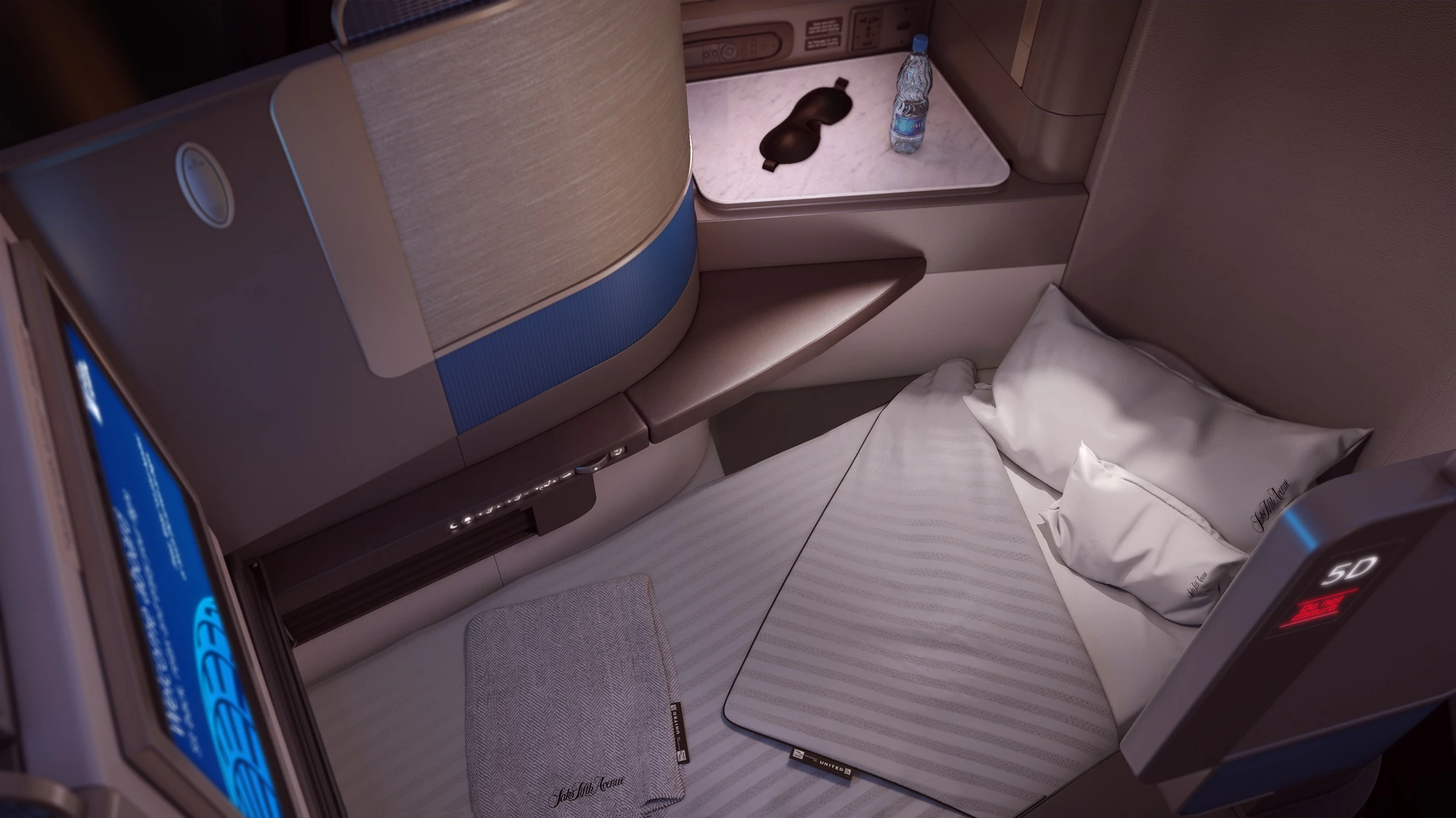
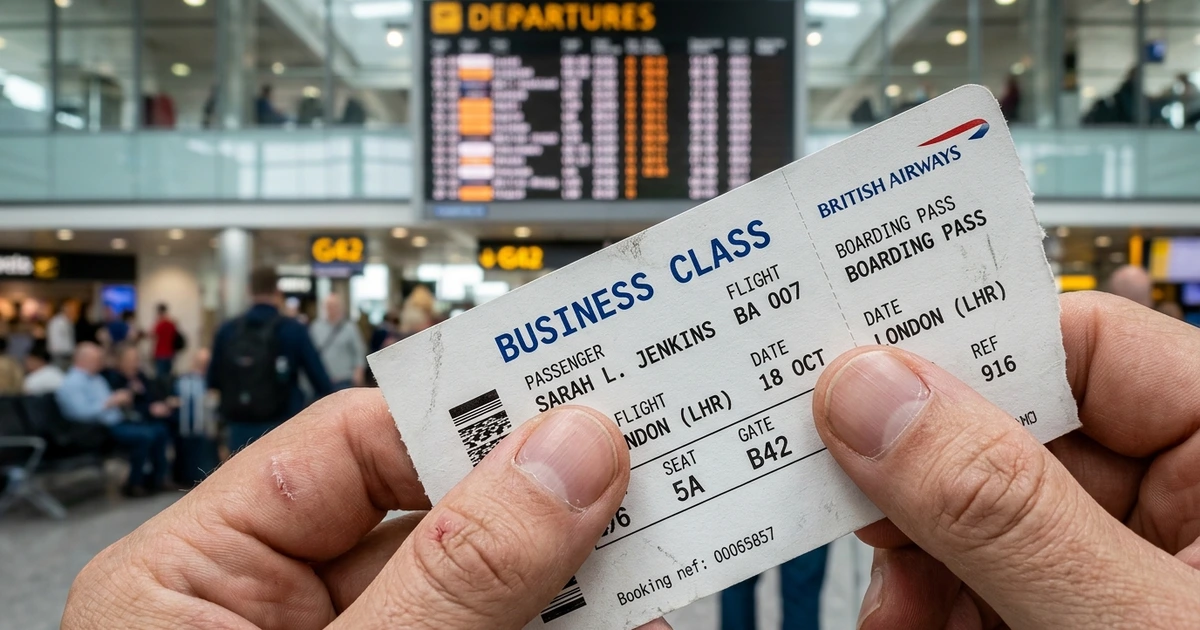
Second: verifiability. Once you book, you should get a six-character PNR (record locator) you can plug directly into the airline's website — ba.com, singaporeair.com, united.com — and see your own name, seat, and flight number staring back. If a broker won't give you that within 24 hours, something's wrong.
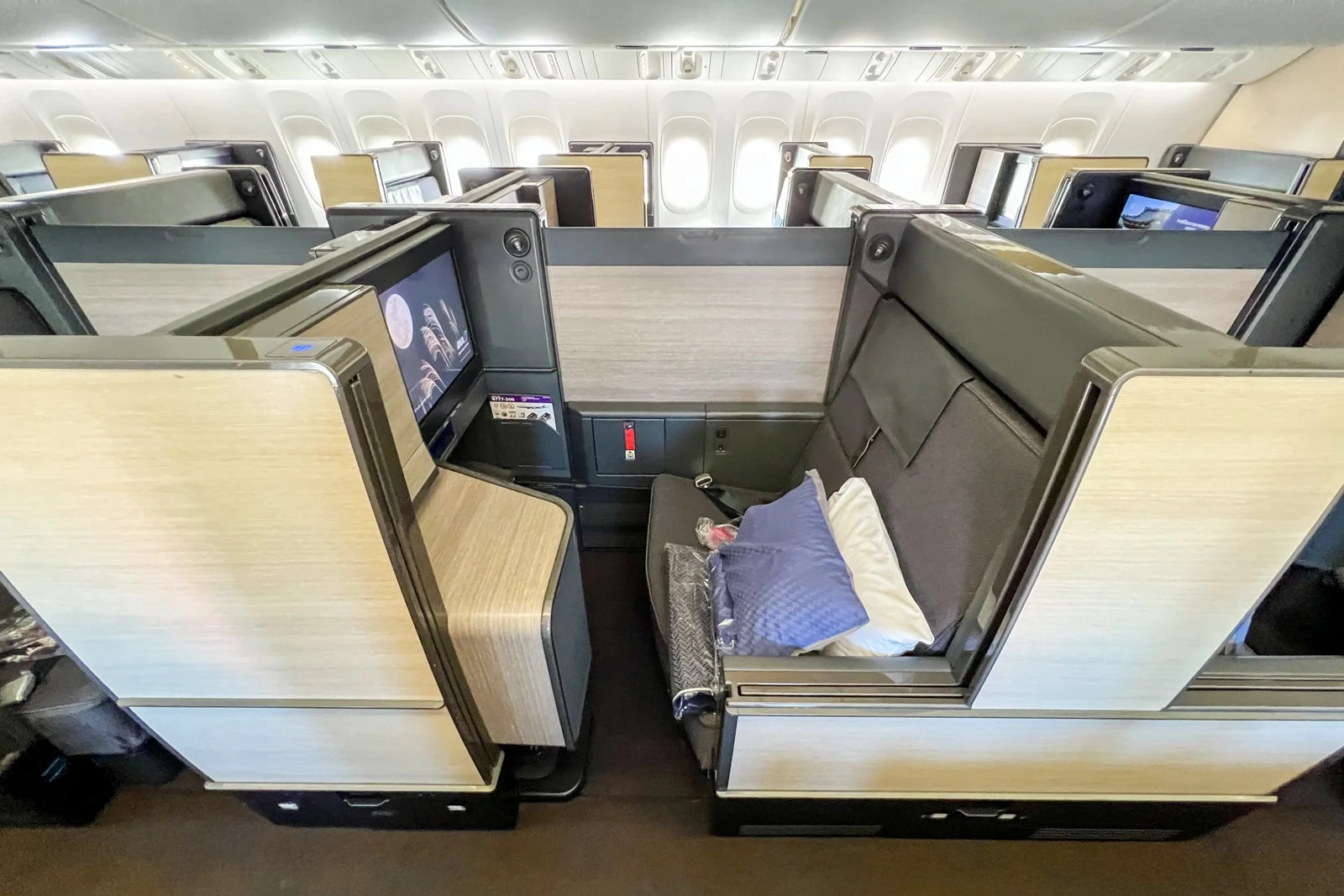
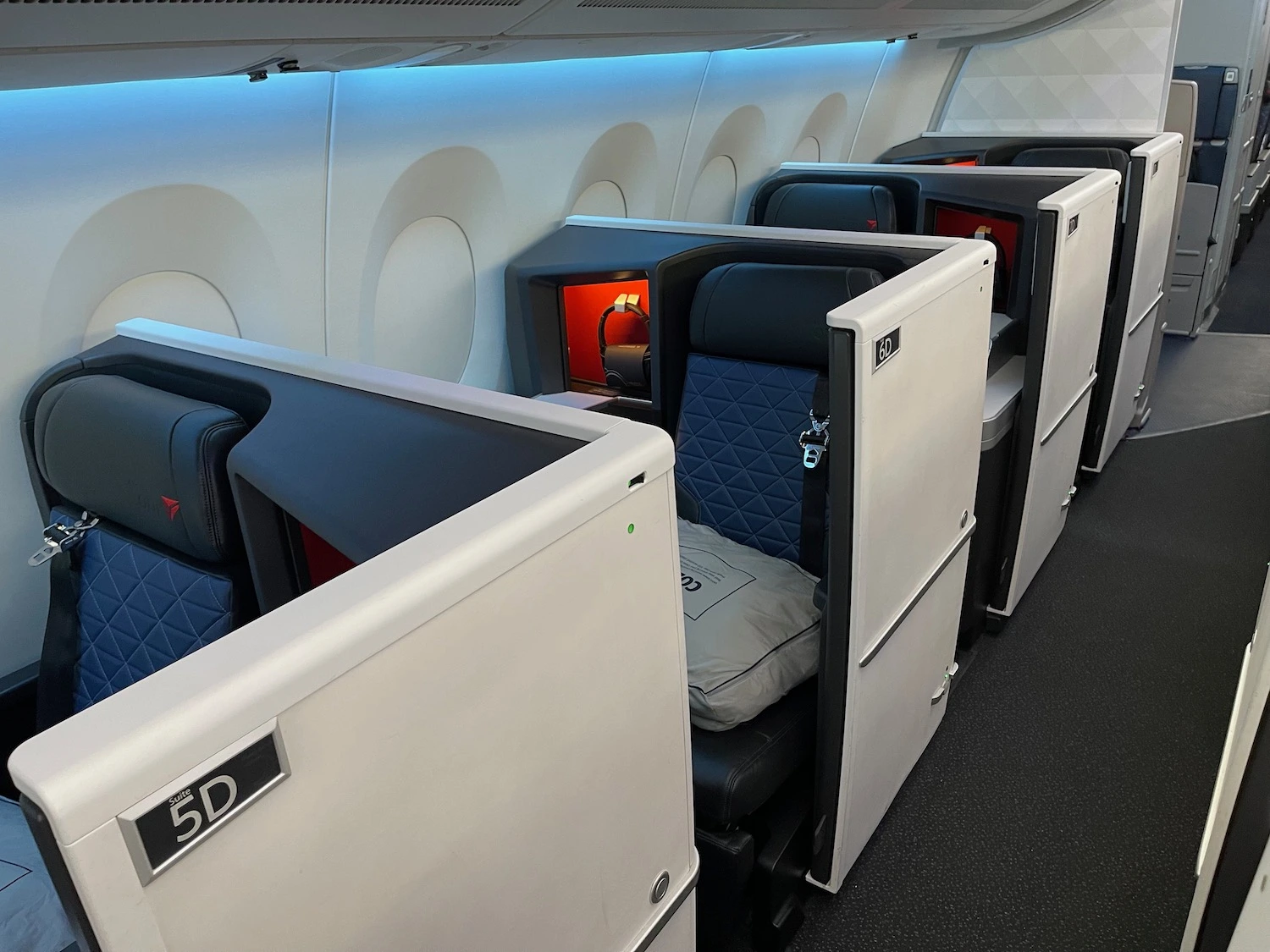
Third: named inventory before payment. You should know before you pay whether you're flying ANA's THE Room suite or a standard 1-2-1 recliner. Brokers who say "I'll confirm the exact cabin after you pay" are leaving themselves room to downgrade you and keep the difference.
Fourth: a real phone number and a human being who answers it. Not a chatbot. Not a form. A person who says their name and can pull up your itinerary while you're on hold.
| Signal | Legitimate Broker | Likely Scam |
|---|---|---|
| Payment method | Credit card via secure merchant processor | Wire transfer, Zelle, gift cards only |
| Confirmation | Verifiable PNR on airline's own site within 24 hrs | "Confirmation coming soon" or vague email |
| Cabin details | Named aircraft, seat type, and cabin before payment | "We'll confirm exact seat after booking" |
| Contact | Live phone line, named agent, callback within hours | Chatbot only, no phone number listed |
| Pricing explanation | Clear: consolidator fare, corporate contract, or points transfer | Evasive, "trade secret," or "special connections" |

What a Real Price Difference Looks Like
Numbers matter more than promises here, so let's use actual routes.
New York to London in business class runs $2,149 to $5,500 depending on carrier and season, whether you're flying British Airways' Club Suite out of JFK, Delta One, Virgin Atlantic's Upper Class, or American. That's a $3,350 spread on the exact same city pair — which tells you the "rack rate" published on an airline's site is often just the starting point for negotiation through the right channel.
Miami to Paris on Air France or American runs $2,200 to $5,500 for business class, and the difference between the low and high end usually comes down to how far out you're booking and whether there's a fare sale the airline hasn't advertised widely. A broker who tracks these fares daily across multiple GDS systems will catch a $2,400 Air France reverse herringbone seat that the airline's own website is still showing at $4,900 because the fare hasn't refreshed on the public-facing search yet.
I'll say this plainly: if you're booking premium cabins direct on airline websites without ever comparing a broker quote, you are very likely overpaying. Not "might be." Are. The margin on published business class fares is enormous, and airlines count on the average traveler never comparison shopping the way they would for a hotel room.
Why the Broker Model Works (And Why Some Airlines Quietly Support It)
A widebody like the Emirates A380 carries somewhere around 76 business class seats depending on configuration. Economy has hundreds. If an airline misjudges demand in economy, the loss per empty seat is small. If they misjudge business class demand on a transpacific route, that's a five-figure revenue gap per flight, per day.
Consolidator relationships exist precisely to smooth that risk. Airlines release blocks of premium inventory to trusted travel partners at negotiated rates months in advance, and those partners resell it — sometimes at a markup, sometimes near cost with a service fee, depending on the model. It's the same logic hotels use with wholesale room blocks. Nobody blinks at that in the hotel industry. Air travel just carries more mystery because the fare structure is opaque by design.
This is also why a broker with real longevity and named airline relationships — not a fly-by-night Instagram ad — tends to have access to product like ANA's THE Room, Singapore Airlines' 28-inch-wide staggered seat, or British Airways' Club Suite on the refitted 777s, at rates the general public simply won't find through a standard search engine.
How CEOFLIGHTS Fits Into a Legitimate Broker Model
We don't ask for wire transfers. We don't quote a price before naming the airline, the aircraft, and the specific cabin product — whether that's Air France's Business with the closing privacy door, or Singapore Airlines' flagship staggered seat with the 18-inch entertainment screen. Clients get a PNR they can verify directly on the airline's site the same day they book, which takes maybe ninety seconds and settles any doubt permanently.
The honest opinion here: most travelers overvalue "loyalty" to a single airline's direct booking channel and undervalue the two or three phone calls it takes to get a comparison quote from an established broker. That habit alone costs frequent flyers thousands of dollars a year in premium cabins. I'd rather see someone spend fifteen minutes on the phone with an agent who can name the exact tail number and seat configuration than click "buy" on the first price an airline's algorithm shows them.
Questions to Ask Before You Book With Any Broker
Ask these, in this order, and listen for hesitation:
1. Which airline and which aircraft — not just "business class," but the specific product (Club Suite, THE Room, reverse herringbone). 2. What fare class is this, and does it earn miles or status with the airline? 3. What's the cancellation and change policy, in writing? 4. Can I get a callback number and a name I can ask for if something goes wrong at the airport?
A broker who answers all four cleanly, in under a minute, on a live call, has almost certainly done this a thousand times before. A broker who deflects even one of these is telling you something important, whether they mean to or not.
Booking Smart: The Bottom Line for CEOFLIGHTS Travelers
Business class travel is expensive enough without adding fraud risk on top of it. The good news, from someone who's booked this cabin for a couple of decades now: the vetting process takes less time than choosing a hotel on a booking site. Name the airline, check the PNR, pay by credit card, and you've eliminated 90% of the risk before you even pack a bag.
Call CEOFLIGHTS at (888) 851 6897 and ask us directly how we source a fare — we'll tell you the airline, the aircraft, and the exact price before you spend a dollar, and you can verify every detail on the airline's own website the same day. That's the whole model. No mystery, no wire transfers, no vague promises about "connections." Just a real ticket, at a real discount, on a plane you'll actually board.
