




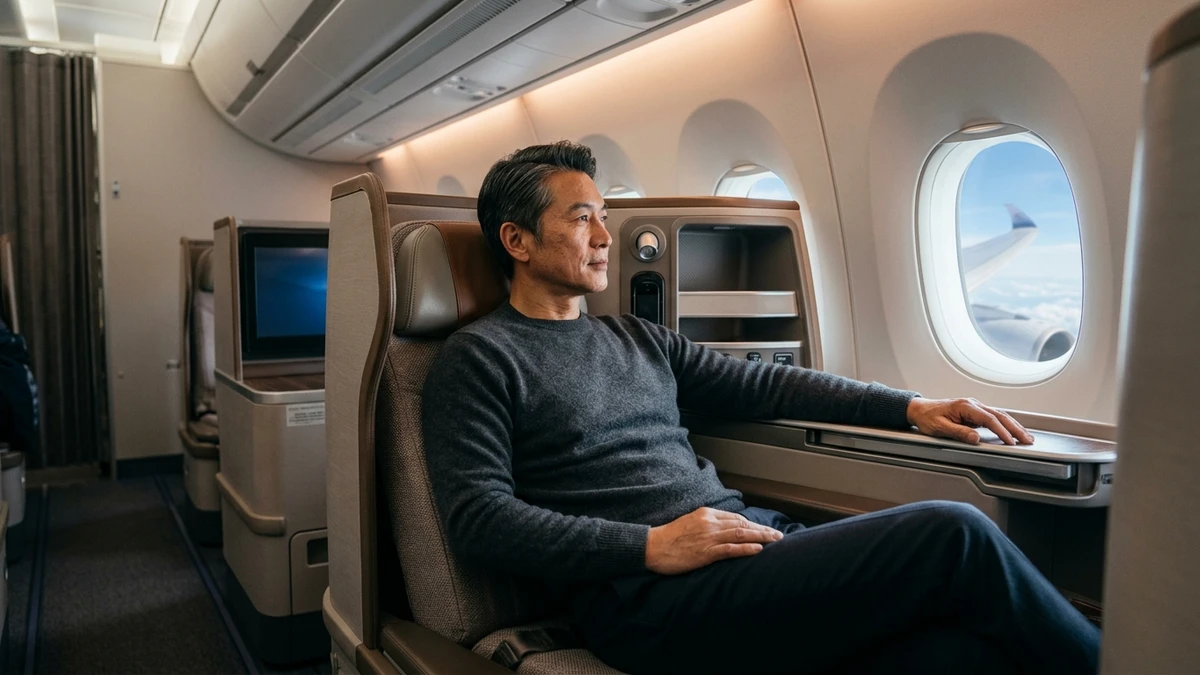
China Airlines vs Starlux Airlines Business Class — Full Comparison
| Feature | China Airlines | Starlux Airlines |
|---|---|---|
| Product Name | Business Class | Business Class |
| Seat Type | 1-2-1 reverse herringbone on A350 | 1-2-1 reverse herringbone on A350 |
| Alliance | SkyTeam | Independent |
| Primary Hubs | TPE | TPE |
| US Gateways | JFK, LAX, SFO, HNL | LAX, SFO, SEA, PHX |
| Top Destinations | Taipei, Tokyo, Bangkok | Taipei, Tokyo, Osaka |
| CEOFLIGHTS Savings | Up to 40% | Up to 40% |
China Airlines
Starlux Airlines
Taipei has quietly become one of the most compelling business class battlegrounds in Asia, and the two carriers fighting for that title, China Airlines and Starlux Airlines, could not represent more different philosophies. China Airlines is the legacy flag carrier, a SkyTeam member with decades of trans-Pacific experience and a sprawling route network. Starlux is the brash newcomer, a boutique Taiwanese startup founded in 2018 with no alliance affiliation but an outsized ambition to redefine what a regional Asian carrier's premium cabin can feel like. For travelers booking through CEOFLIGHTS®, both are excellent options out of Taipei Taoyuan (TPE), but the experience onboard, on the ground, and in your wallet differs meaningfully.
How Do the Seats Compare?
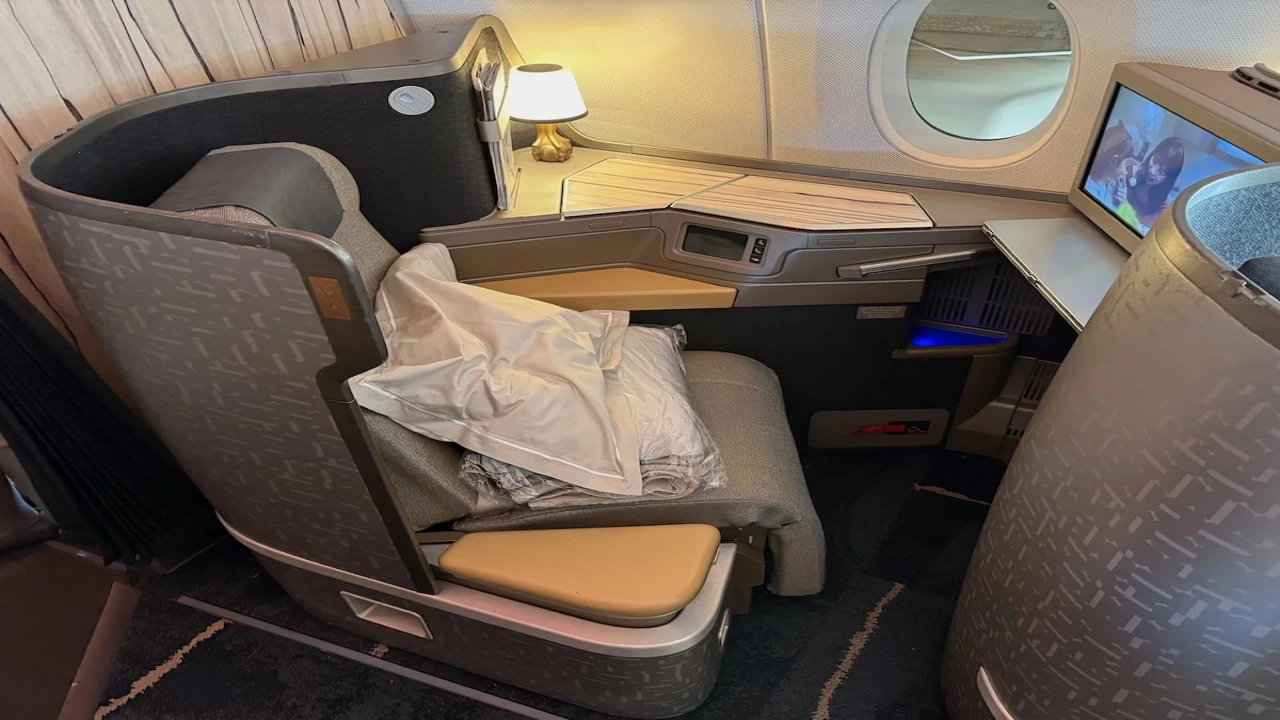
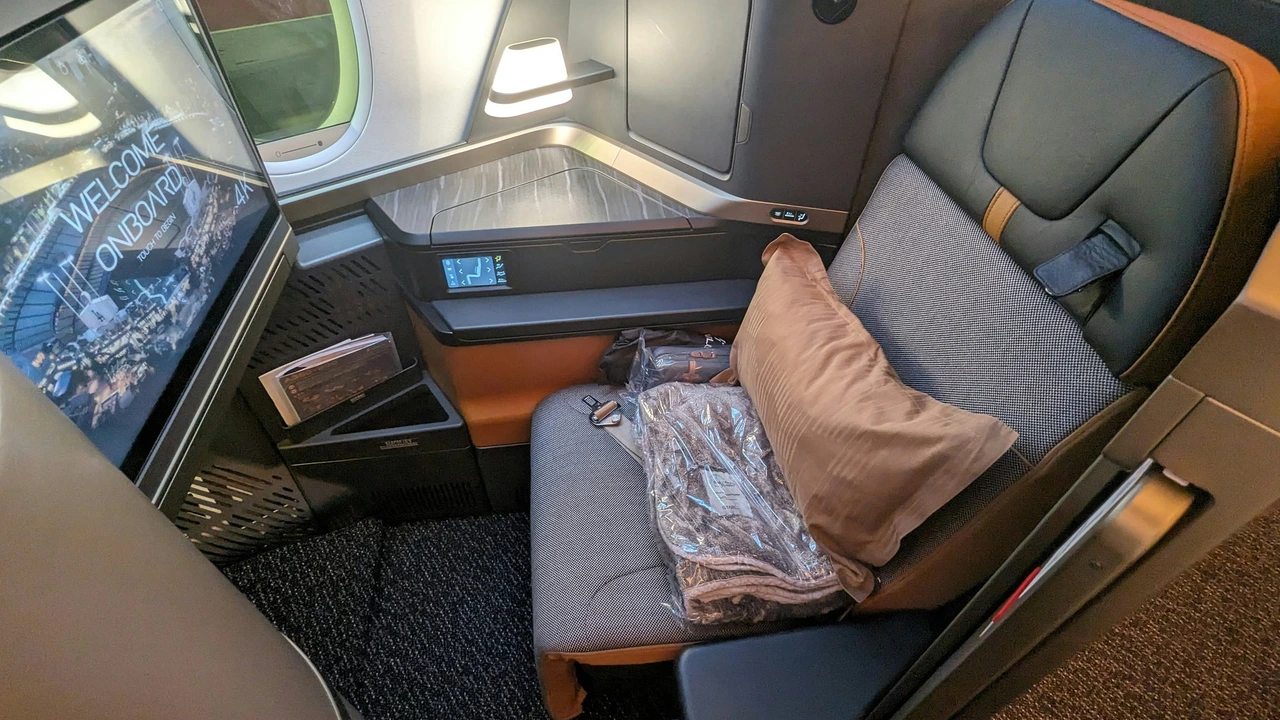
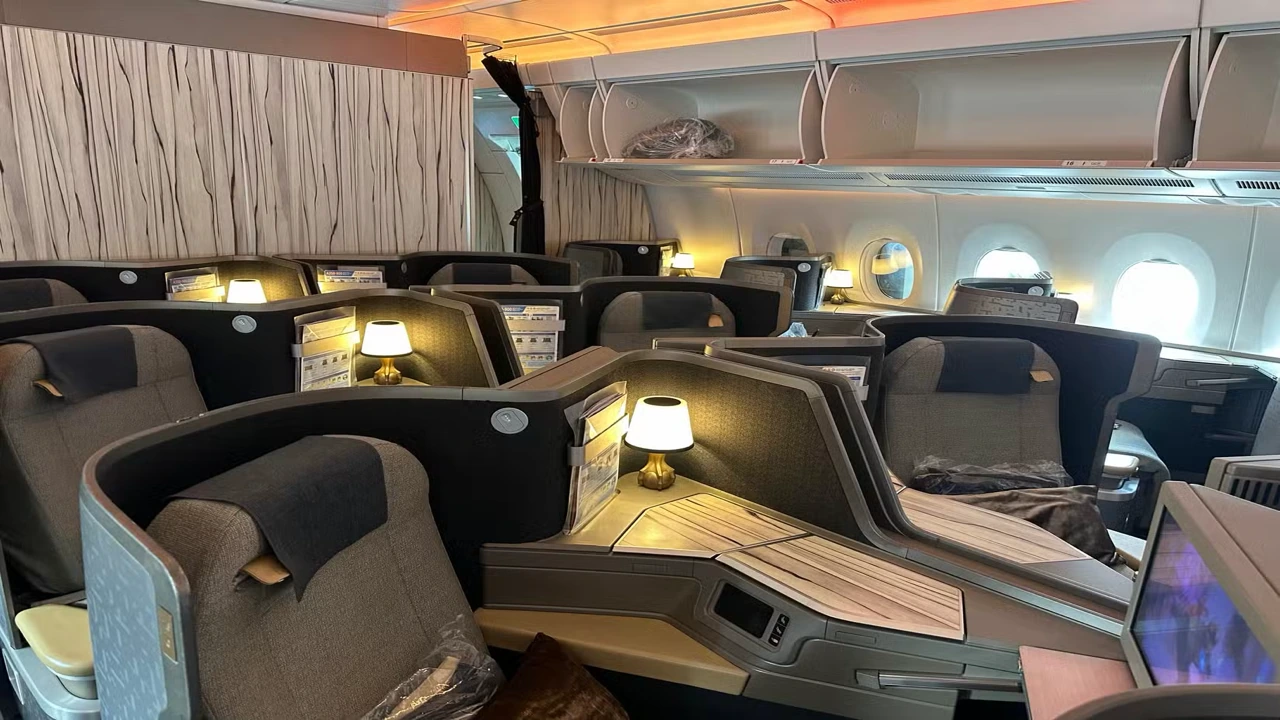
On hard product, the two are closer than you'd expect on paper, both fielding a 1-2-1 reverse herringbone configuration on their Airbus A350 fleets, meaning every business class passenger gets direct aisle access and full privacy at the window and center seats. China Airlines' herringbone is comfortable and well-proven, with a reliable flat bed and decent legroom, but the finishes feel a generation older, more functional than aspirational. Starlux's version, by contrast, was designed from a blank sheet in the late 2010s and it shows: richer materials, more thoughtful storage, a more cocooned shell, and a seat that feels closer to a Middle Eastern flagship carrier than a regional Asian one. If seat hardware alone decided the matchup, Starlux edges ahead.
What About Dining & Service?
China Airlines
Starlux Airlines
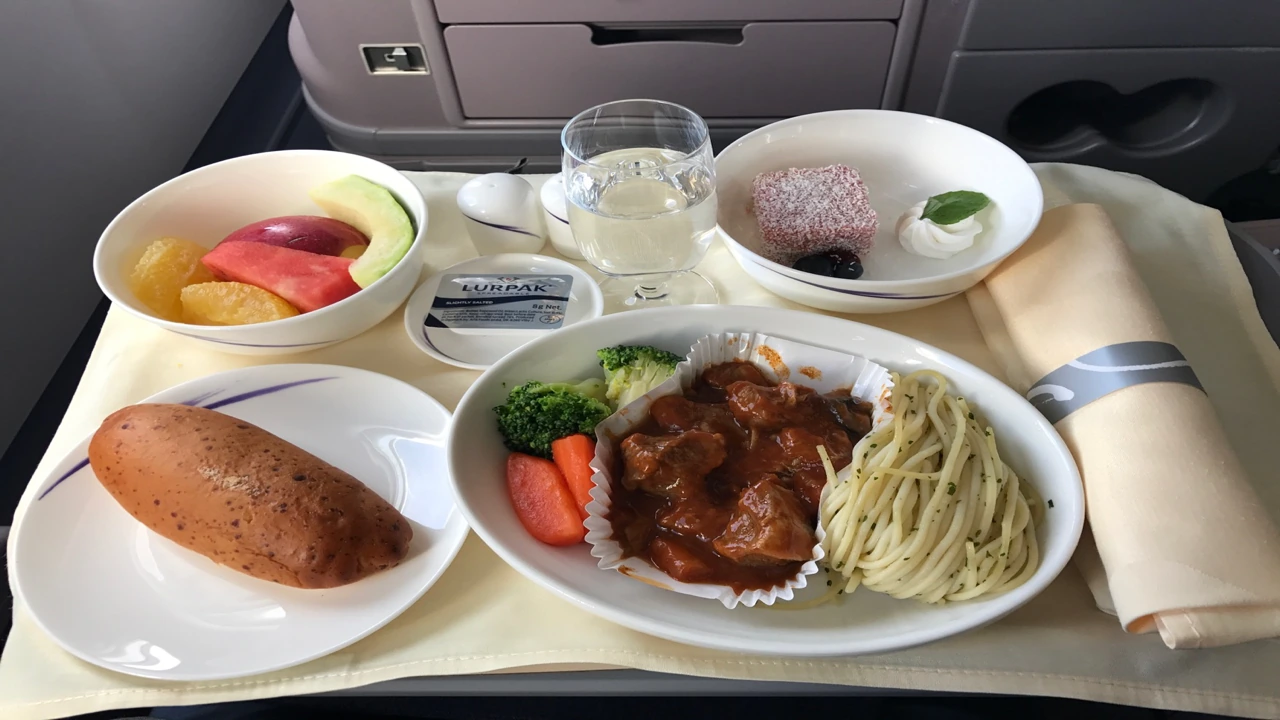
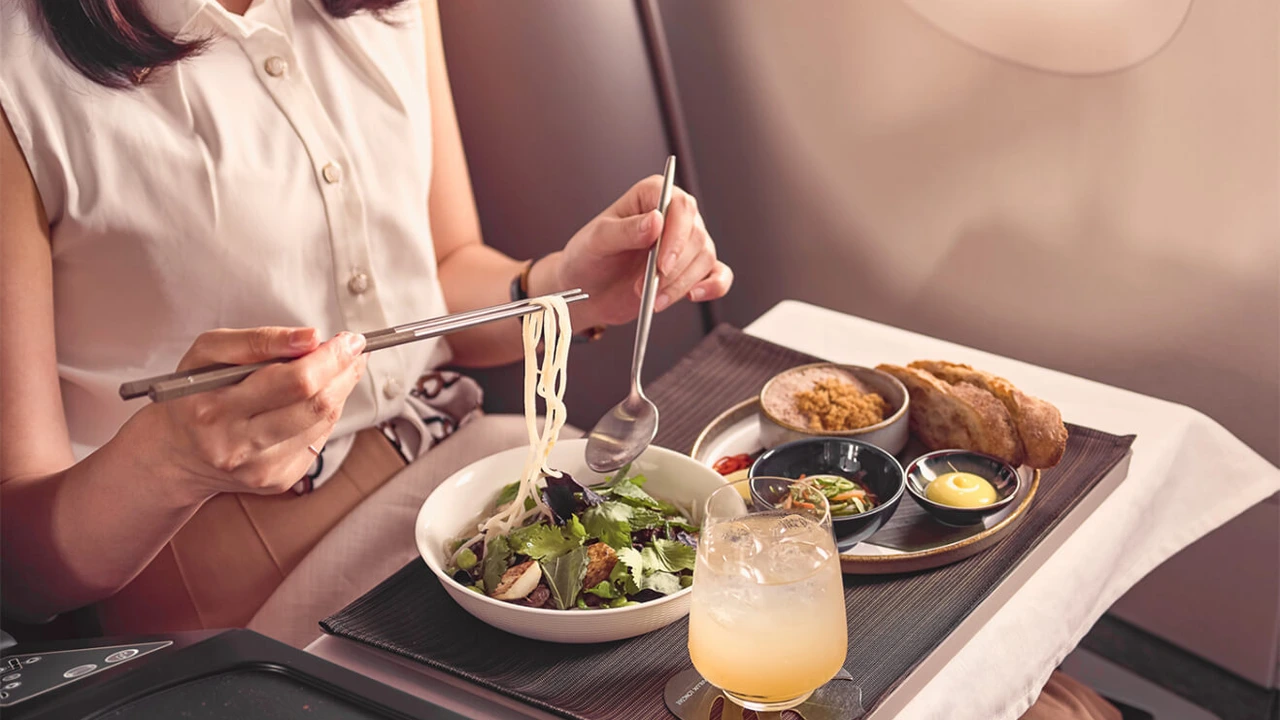
Dining and service is where each airline's personality really comes through. China Airlines leans into Taiwanese fusion cuisine with dishes that reflect the island's Hokkien, Hakka, and mainland Chinese culinary influences, served by a crew culture built on decades of SkyTeam consistency — polished, efficient, occasionally impersonal on busier trans-Pacific sectors. Starlux, unburdened by legacy scale, treats catering as a showcase, partnering with acclaimed chefs and presenting high-end tableware alongside designer amenity kits that feel more like a luxury hotel welcome gift than an airline giveaway. Crew service on Starlux tends to feel warmer and more attentive, a byproduct of a smaller, newer operation still building its reputation flight by flight.
How Do the Airport Lounges Compare?
China Airlines
Starlux Airlines
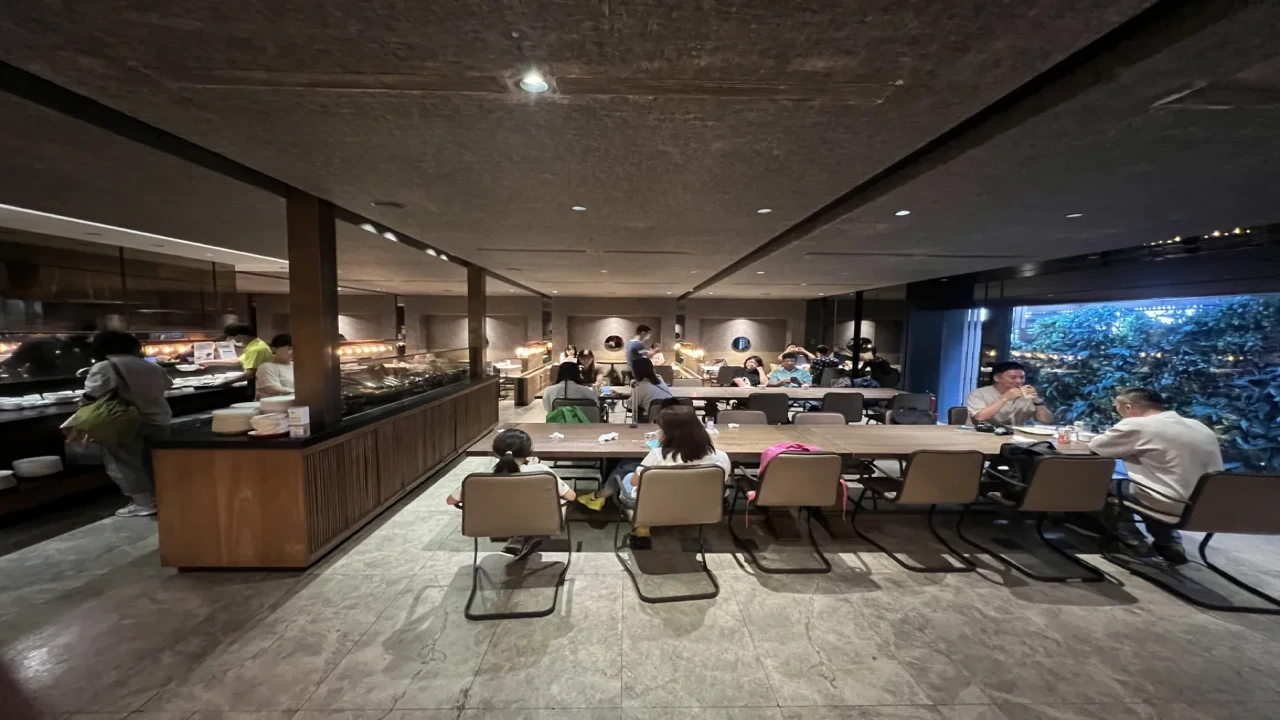
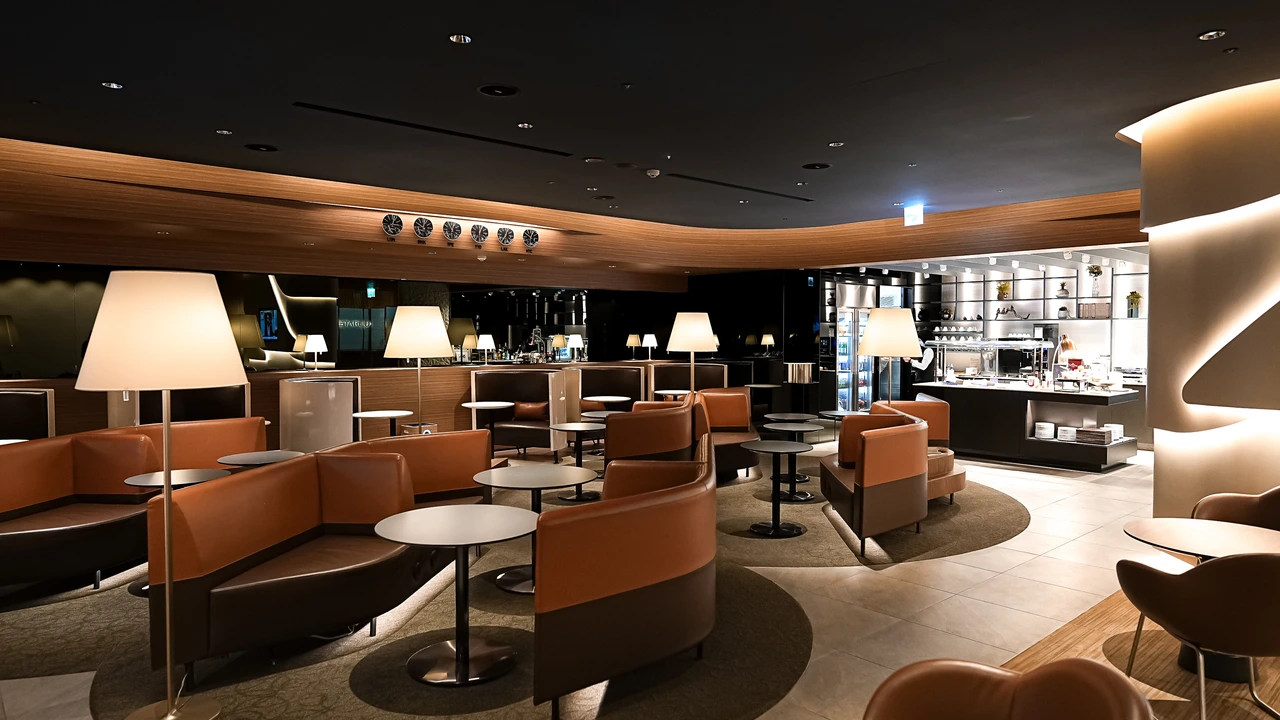
Both carriers hub from Taipei Taoyuan, so the ground experience starts identically, but China Airlines' SkyTeam membership grants access to a wider network of partner lounges worldwide, a real advantage for travelers connecting beyond Taipei.
Both carriers hub from Taipei Taoyuan, so the ground experience starts identically, but China Airlines' SkyTeam membership grants access to a wider network of partner lounges worldwide, a real advantage for travelers connecting beyond Taipei. Starlux, as an unaligned independent, offers a smaller but noticeably more refined lounge experience at its home hub, again reflecting that boutique, design-forward ethos. Neither airline's ground product will wow the way Cathay Pacific's Hong Kong lounges do, but China Airlines wins on breadth while Starlux wins on polish within its own footprint.
Network is where China Airlines' scale becomes decisive for US-based travelers. Flying from JFK, LAX, SFO, and Honolulu into Taipei, China Airlines connects onward to Tokyo, Bangkok, and Hong Kong, backed by SkyTeam codeshares that open up Delta and Korean Air connections across Asia. Starlux flies from JFK, LAX, SFO, and Seattle, and its own network now reaches Tokyo, Osaka, Bangkok, and Singapore, an impressively fast buildout for a carrier still in its first several years of operation, though it lacks the alliance safety net for complex multi-city itineraries.
For travelers weighing China Airlines against Starlux Airlines, the honest answer is that both reward booking through the right channel. CEOFLIGHTS® offers private fares on both carriers with savings of up to 40 percent off published business class rates, along with access that regular retail booking simply doesn't provide. Call (888) 851 6897 to speak with a dedicated Personal Travel Manager who can walk you through current availability, seat maps, and which carrier best fits your specific Taipei routing and connection needs.
Book Your Premium Cabin Today
✅ Choose China Airlines If You Value
- Reverse herringbone on A350 fleet
- Taiwanese fusion dining
- SkyTeam alliance partnerships
- Competitive pricing to Asia via Taipei
✅ Choose Starlux Airlines If You Value
- Premium reverse herringbone on A350
- Luxury boutique carrier from Taiwan
- High-end catering and designer amenity kits
- New entrant with fresh modern product
