




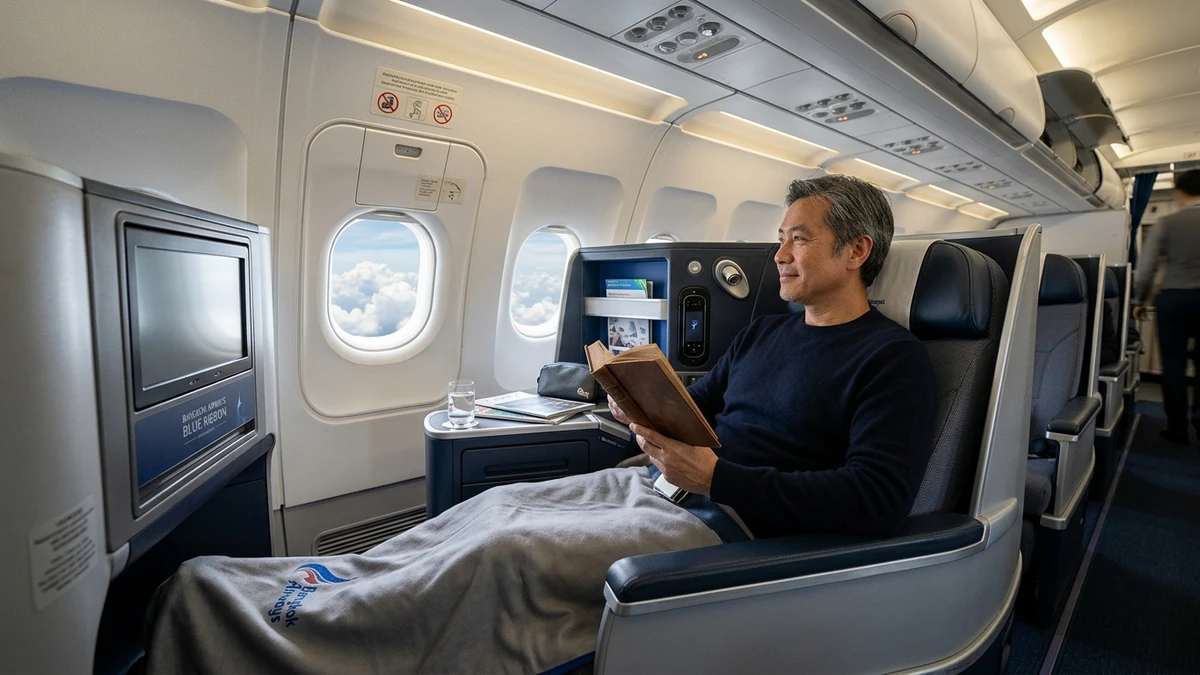
Bangkok Airways vs Thai Airways Business Class — Full Comparison
| Feature | Bangkok Airways | Thai Airways |
|---|---|---|
| Product Name | Business Class | Royal Silk |
| Seat Type | A boutique business class experience with enhanced comfort and exclusive lounge access across Southeast Asia. | Lie-flat staggered seat on A350 and 787 |
| Alliance | Independent | Star Alliance |
| Primary Hubs | BKK, USM, KBV | BKK |
| US Gateways | Via connection | Via connection |
| Top Destinations | Bangkok, Koh Samui, Siem Reap | Bangkok, Tokyo, London |
| CEOFLIGHTS Savings | Up to 40% | Up to 40% |
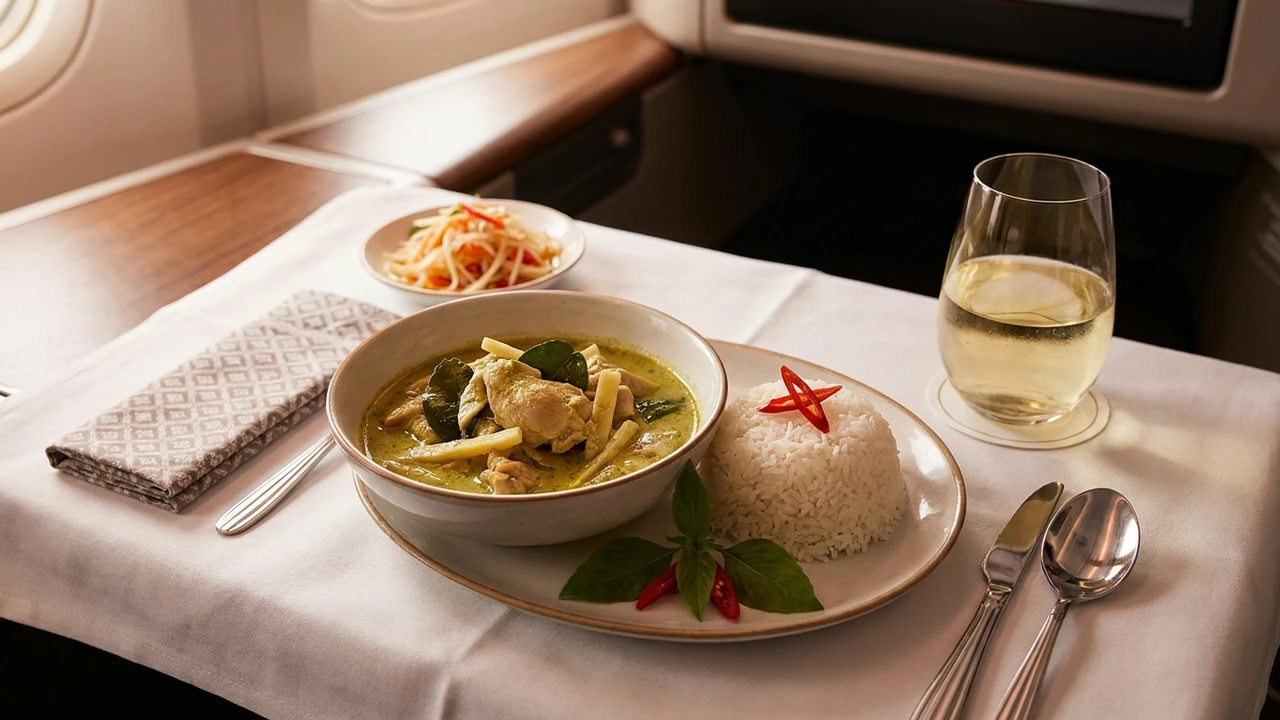
Bangkok Airways
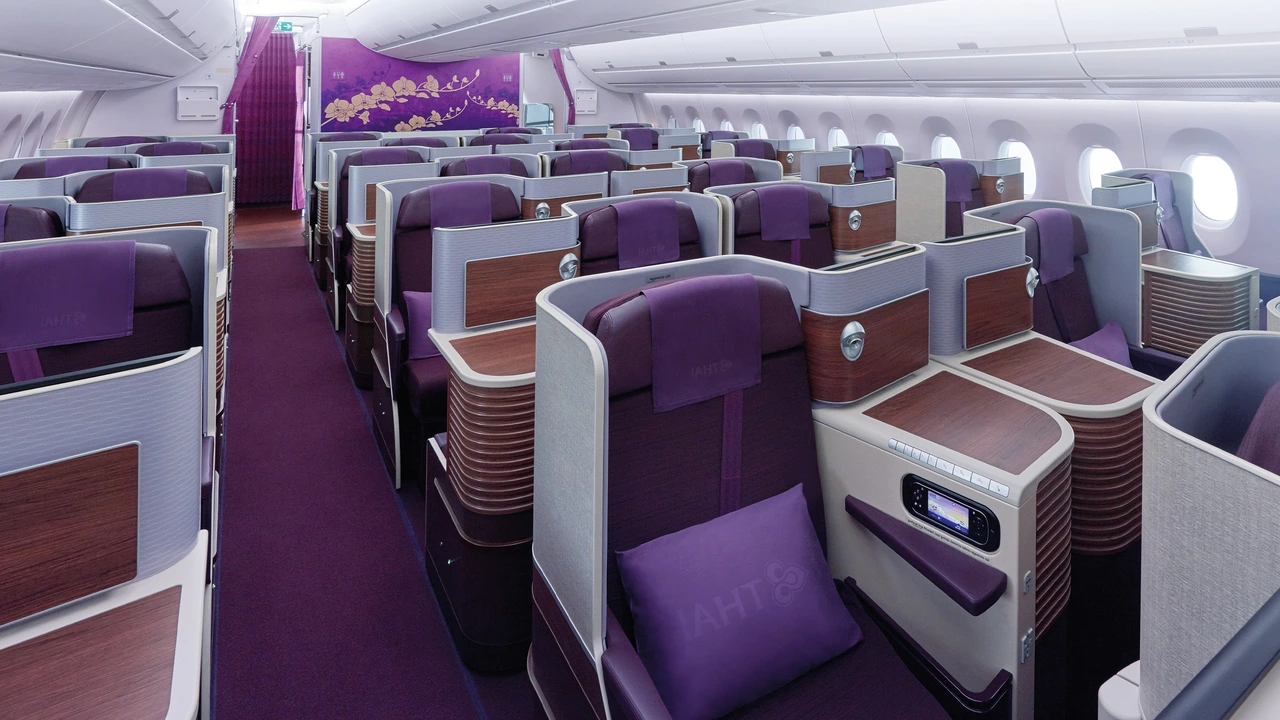
Thai Airways
For travelers weighing premium options across the Kingdom of Thailand and its Southeast Asian orbit, Bangkok Airways and Thai Airways represent two distinctly different philosophies of business class. Bangkok Airways, the self-styled "Asia's Boutique Airline," is a smaller regional carrier with no global alliance affiliation, positioning its business class as an intimate, personalized product for short-haul hops between Bangkok, Koh Samui, Siem Reap, and the Maldives. Thai Airways, by contrast, is the national flag carrier and a Star Alliance member, offering its Royal Silk business class on long-haul widebodies to destinations like Tokyo, London, Sydney, and Mumbai. The choice largely depends on whether you're island-hopping within the region or connecting onward to the rest of the world.
How Do the Seats Compare?
The hard product gap between these two carriers is significant. Thai Airways' Royal Silk Class on its Airbus A350 and Boeing 787 aircraft features a proper lie-flat staggered seat configuration, giving each passenger direct aisle access, generous privacy, and a fully horizontal bed for long-haul comfort — a meaningful advantage on routes to Europe or Australia. Bangkok Airways, flying shorter regional sectors on narrowbody and turboprop equipment, offers a more traditional recliner-style business seat with extra legroom and enhanced comfort, but it does not lie flat. This is not a shortcoming so much as a design choice: Bangkok Airways' network rarely exceeds two-hour flights, where a deep recline is perfectly adequate, whereas Thai Airways needs a true bed for its ultra-long-haul missions.
What About Dining & Service?
Onboard service culture is where both carriers draw on the same well of Thai hospitality, though the execution differs. Thai Airways' Royal Silk experience leans into elaborate, multi-course Thai-inspired cuisine, curated wine lists, and the graceful, ceremonial warmth for which Thai crews are internationally known. Bangkok Airways offers a quieter, more boutique version of the same instinct — personalized attention on smaller cabins, premium meal options with a regional flair, and a service style that feels more like a private club than a global airline. Neither carrier disappoints on hospitality, but Thai Airways has the resources and scale to deliver a more elaborate dining program, while Bangkok Airways compensates with a more curated, low-density atmosphere.
How Do the Airport Lounges Compare?
Thai Airways passengers enjoy access to the Royal Orchid Spa Lounge at Bangkok's Suvarnabhumi Airport, a genuine differentiator that includes complimentary spa treatments alongside typical lounge amenities — a rarity among Asian carriers.
On the ground, the two carriers diverge just as clearly. Thai Airways passengers enjoy access to the Royal Orchid Spa Lounge at Bangkok's Suvarnabhumi Airport, a genuine differentiator that includes complimentary spa treatments alongside typical lounge amenities — a rarity among Asian carriers. Bangkok Airways operates its own network of private boutique lounges, including at its Koh Samui hub, which it effectively owns and operates as a private airport, giving travelers an unusually serene, uncrowded arrival and departure experience rarely found at busier international gateways. Thai Airways' hub experience at Suvarnabhumi is more expansive but also busier, reflecting its status as a major international connecting point.
Network reach is the clearest dividing line between these two airlines. Thai Airways, as a Star Alliance member, connects U.S.-based travelers to its Bangkok hub via partners like United and ANA, then onward across Asia, Europe, and Oceania with reciprocal mileage earning and lounge access throughout the alliance. Bangkok Airways has no alliance affiliation and no direct U.S. gateways, functioning instead as a boutique regional feeder into destinations that larger carriers often overlook, such as Koh Samui, Siem Reap, and the Maldives. Sophisticated itineraries frequently combine both: Thai Airways for the long-haul international leg into Bangkok, followed by Bangkok Airways for the scenic, boutique connection to a beach or cultural destination.
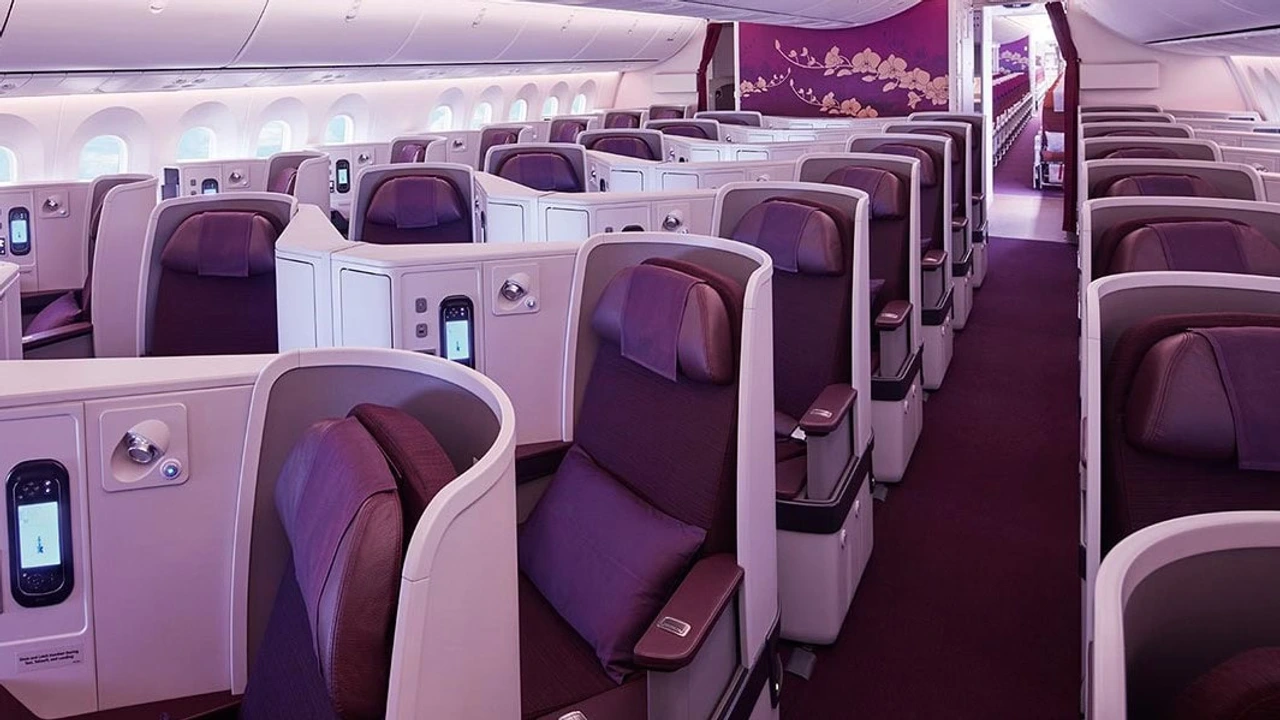
Whichever carrier — or combination — suits your itinerary, both Bangkok Airways and Thai Airways business class are available through CEOFLIGHTS® private fares, with savings of up to 40% off published rates. Our Personal Travel Managers specialize in structuring multi-carrier Southeast Asian itineraries that pair Thai Airways' long-haul Royal Silk product with Bangkok Airways' boutique regional network, ensuring seamless connections and premium value throughout. Call (888) 851 6897 to speak with a Personal Travel Manager and let CEOFLIGHTS® build your Thailand itinerary at a fraction of the retail cost.
Book Your Premium Cabin Today
✅ Choose Bangkok Airways If You Value
- Spacious reclining seats with extra legroom
- Complimentary lounge access at Bangkok Airways private lounges
- Personalized service and premium meal options
- Exclusive access to boutique regional destinations
✅ Choose Thai Airways If You Value
- Royal Silk lie-flat on A350 and 787
- Thai-inspired hospitality and cuisine
- Royal Orchid Spa Lounge at Bangkok
- Star Alliance connectivity throughout Asia
