




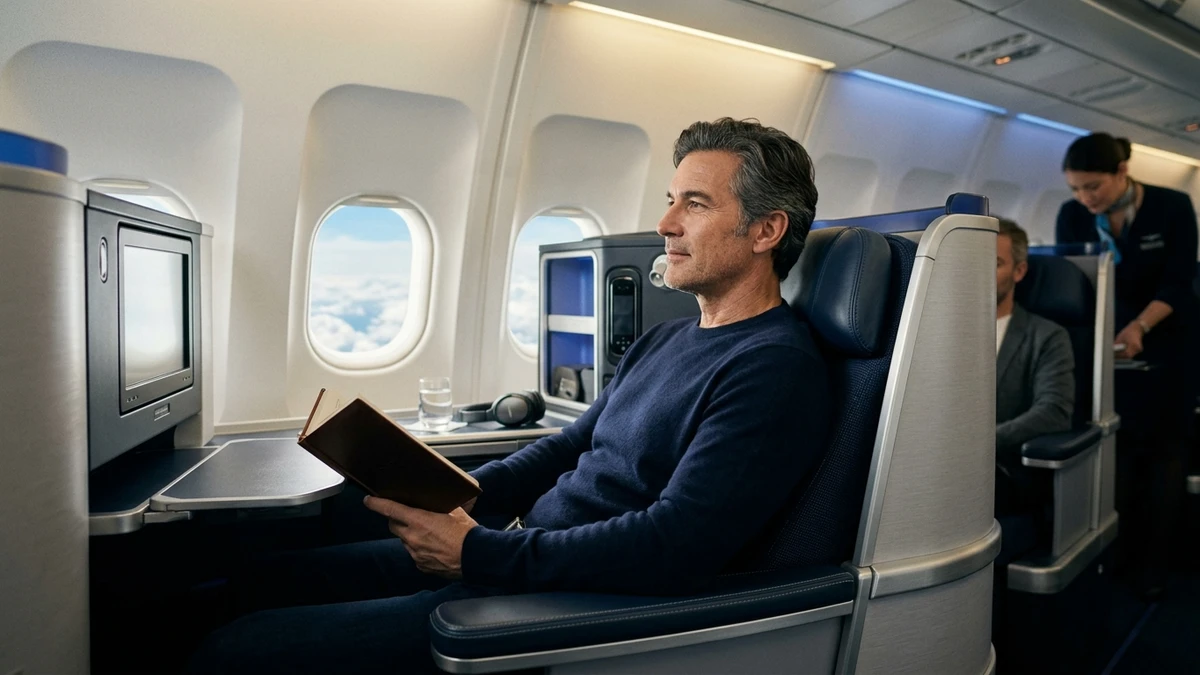
Air Transat vs Air Canada Business Class — Full Comparison
| Feature | Air Transat | Air Canada |
|---|---|---|
| Product Name | Club Class | Signature Class |
| Seat Type | Premium cabin with extra space and enhanced service | 1-2-1 reverse herringbone lie-flat |
| Alliance | Independent | Star Alliance |
| Primary Hubs | YUL, YYZ | YYZ, YUL |
| US Gateways | YUL, YYZ | YYZ, YVR, YUL |
| Top Destinations | London, Paris, Lisbon | London, Frankfurt, Tokyo |
| CEOFLIGHTS Savings | Up to 40% | Up to 40% |
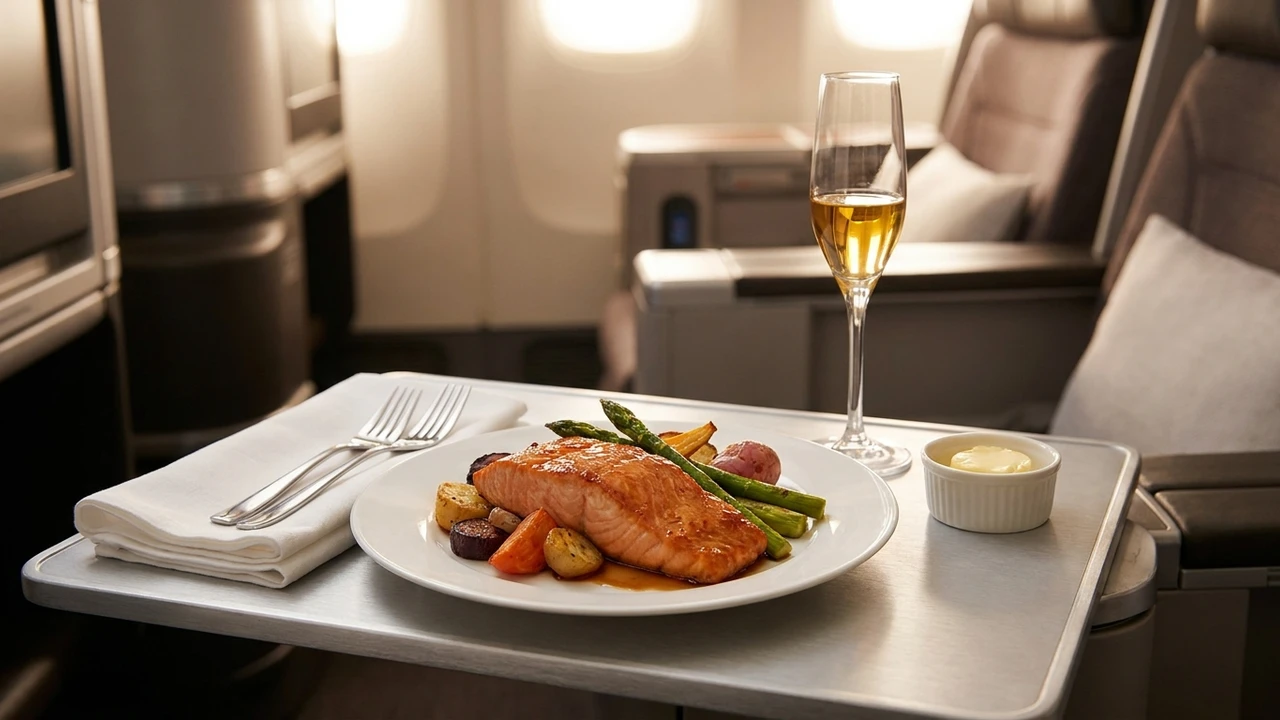
Air Transat
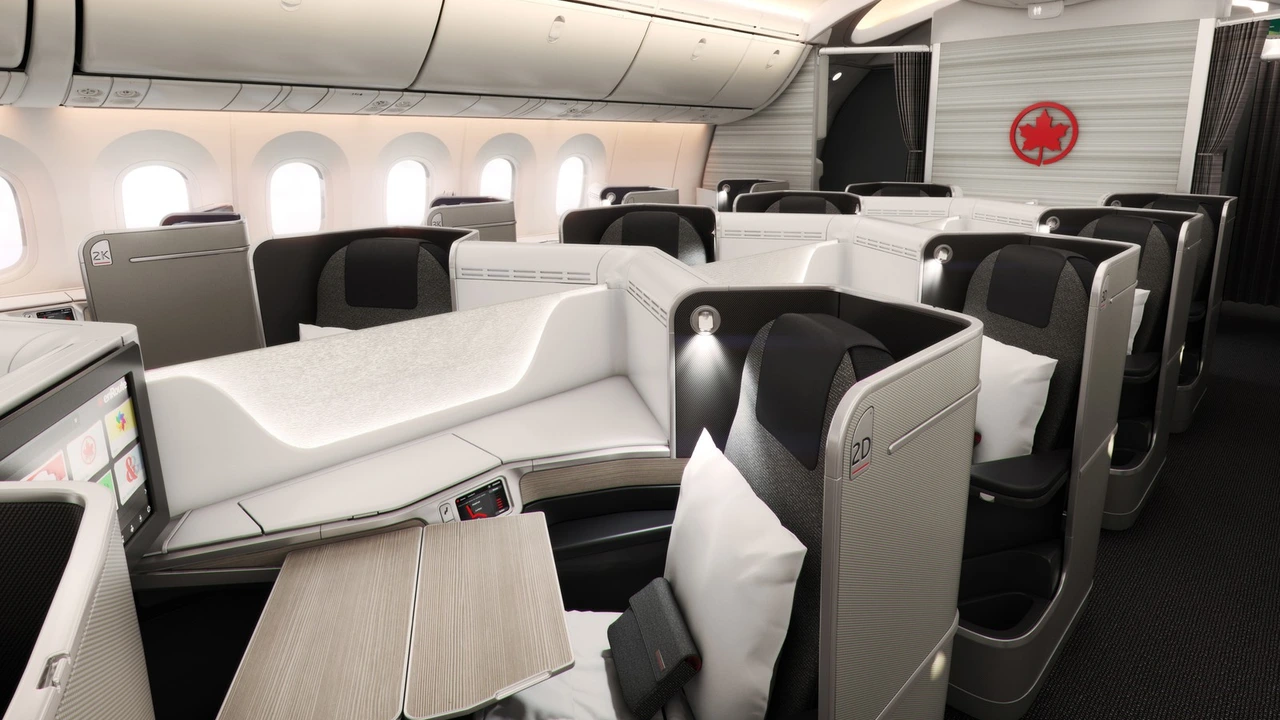
Air Canada
For travelers weighing Canada's two most prominent carriers, the choice between Air Transat and Air Canada business class often comes down to a fundamental question: are you booking a seasonal leisure flight to Europe, or a globe-spanning premium journey with alliance benefits attached? Air Transat, a Montreal-based leisure specialist, offers Club Class as an elevated but fundamentally different experience from Air Canada's Signature Class, the flagship product of a full-service Star Alliance member with a genuinely global route map. Both airlines operate out of Toronto Pearson (YYZ) and Montreal-Trudeau (YUL), but the similarities largely end there once you look at the hard product, network reach, and service philosophy each brings to the cabin.
How Do the Seats Compare?
The most decisive difference between these two products lies in the seat itself. Air Canada's Signature Class features a 1-2-1 reverse herringbone configuration with true lie-flat beds and direct aisle access from every seat, a widebody standard found on its 787 and 777 fleets flying to London, Frankfurt, Tokyo, Hong Kong, Delhi, and Sydney. Air Transat's Club Class, by contrast, is a premium economy-plus product: extra seat pitch, wider recline, and a more spacious cabin, but not a fully flat bed in the traditional long-haul business class sense. Travelers prioritizing sleep quality and privacy on overnight transatlantic flights will find Air Canada's herringbone layout the clear winner, while Club Class suits shorter or seasonal European hops where comfort matters but a flat-bed suite isn't the primary concern.
What About Dining & Service?
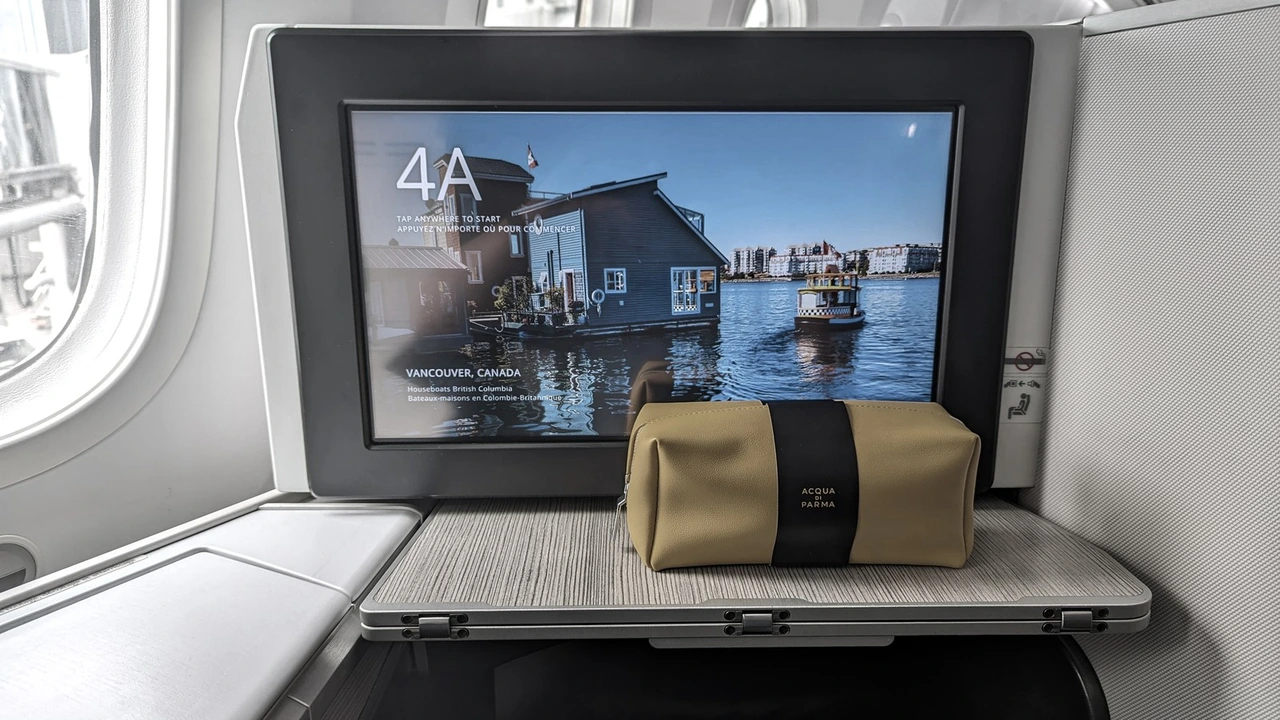
On board, Air Transat leans into its Quebec heritage with enhanced dining inspired by regional Canadian and French-Canadian cuisine, paired with attentive service and perks like priority boarding and extra baggage allowance that make the leisure experience feel special without the full-service price tag. Air Canada counters with its own Canadian-inspired regional menus, a more expansive wine and beverage program befitting a flagship carrier, and a BMW-designed amenity kit that signals its intent to compete with international full-service rivals rather than leisure-focused competitors. Crew culture on Air Canada skews toward the polished, alliance-standard service expected of a global network carrier, while Air Transat's service feels warmer and more personal, a byproduct of its smaller, more focused operation.
How Do the Airport Lounges Compare?
Ground experience is where Air Canada's scale becomes obvious.
Ground experience is where Air Canada's scale becomes obvious. Its Maple Leaf Lounge network spans its hub airports and offers business class passengers a consistent pre-flight experience, particularly strong at YYZ and YUL. Air Transat, lacking a proprietary lounge network of comparable scope, relies more on priority check-in and boarding services to smooth the airport experience for Club Class travelers. For passengers who value a dedicated lounge with proper dining and shower facilities before a long-haul flight, Air Canada's infrastructure is the more complete offering, while Air Transat's ground perks are functional but modest by comparison.
Network breadth is arguably the starkest contrast between the two. Air Transat operates seasonal transatlantic routes to a compact but appealing list of leisure destinations including London, Paris, Lisbon, Barcelona, and Athens, making it a strong value pick for European getaways. Air Canada, as a Star Alliance member, connects travelers to an entirely different tier of global reach, including Frankfurt, Tokyo, Hong Kong, Delhi, and Sydney, with the added benefit of alliance mileage earning and elite recognition that matters greatly to US-based frequent flyers already invested in Star Alliance loyalty programs. For point-to-point European leisure travel, Air Transat competes well on price and simplicity; for global connectivity and alliance perks, Air Canada is in a different league entirely.
Whichever carrier suits your itinerary, both Air Transat and Air Canada business class fares are available through CEOFLIGHTS® private fare agreements, with savings of up to 40% off published rates. Our Personal Travel Managers can help you compare Club Class and Signature Class side by side for your specific route and travel dates, ensuring you book the right premium product at the right price. Call (888) 851 6897 to speak with a CEOFLIGHTS® Personal Travel Manager and unlock private business class fares on both airlines today.
Book Your Premium Cabin Today
✅ Choose Air Transat If You Value
- Enhanced dining with Quebec-inspired cuisine
- Priority services and extra baggage
- Competitive leisure pricing to Europe
- Seasonal transatlantic routes
✅ Choose Air Canada If You Value
- Reverse herringbone lie-flat with direct aisle access
- Canadian-inspired dining with regional menus
- BMW-designed amenity kit
- Maple Leaf Lounge network
