



Air Serbia vs Turkish Airlines Business Class — Full Comparison
| Feature | Air Serbia | Turkish Airlines |
|---|---|---|
| Product Name | Business Class | Business Class |
| Seat Type | A modern business class with lie-flat seats connecting Belgrade to destinations across Europe and North America. | 1-2-1 lie-flat with in-flight chef service |
| Alliance | Independent | Star Alliance |
| Primary Hubs | BEG | IST |
| US Gateways | JFK | JFK, IAD, ORD, LAX |
| Top Destinations | Belgrade, New York, London | Istanbul, London, Dubai |
| CEOFLIGHTS Savings | Up to 40% | Up to 40% |
Air Serbia
Turkish Airlines
For travelers weighing Southeastern Europe's national carrier against one of the world's most decorated airlines, Air Serbia and Turkish Airlines occupy very different tiers of the business class market, even though both connect European hubs to major global cities. Air Serbia, flying from Belgrade Nikola Tesla Airport, offers a compact but modern business class product aimed largely at travelers connecting through the Balkans to New York, London, and Paris. Turkish Airlines, by contrast, operates one of the largest global networks in aviation from its Istanbul mega-hub, backed by Star Alliance membership and a business class product that regularly wins international awards. Both carriers are bookable through CEOFLIGHTS®, but the experience each delivers once you're in the air — and before you board — differs substantially.
How Do the Seats Compare?
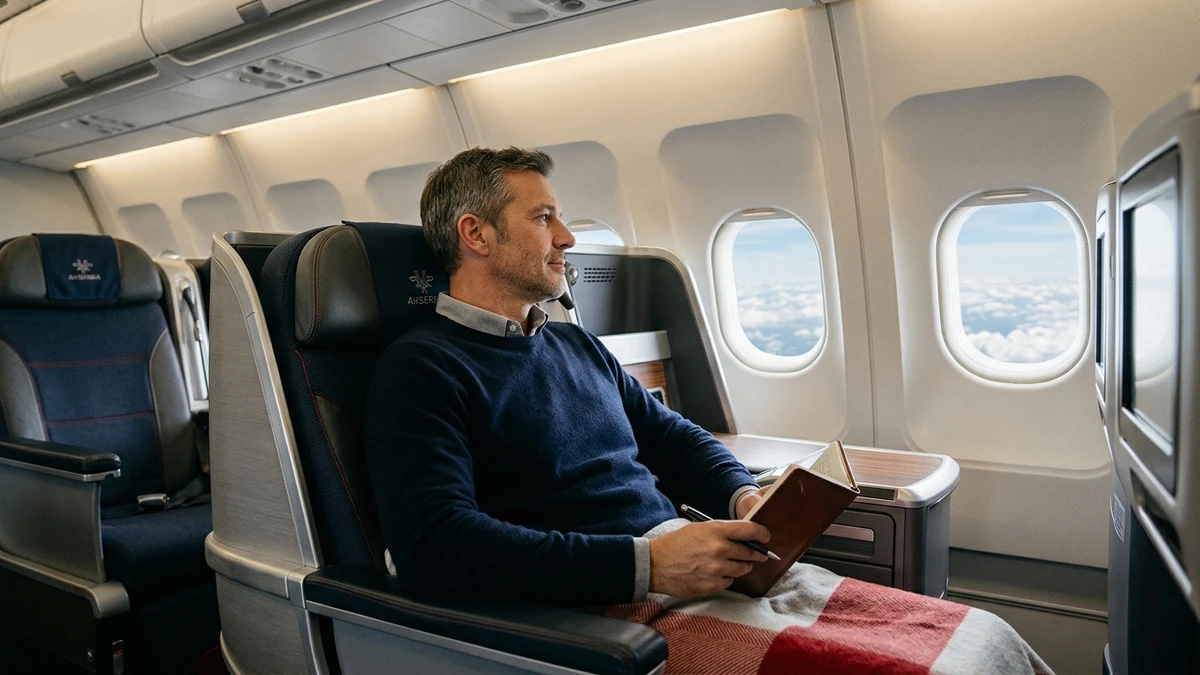
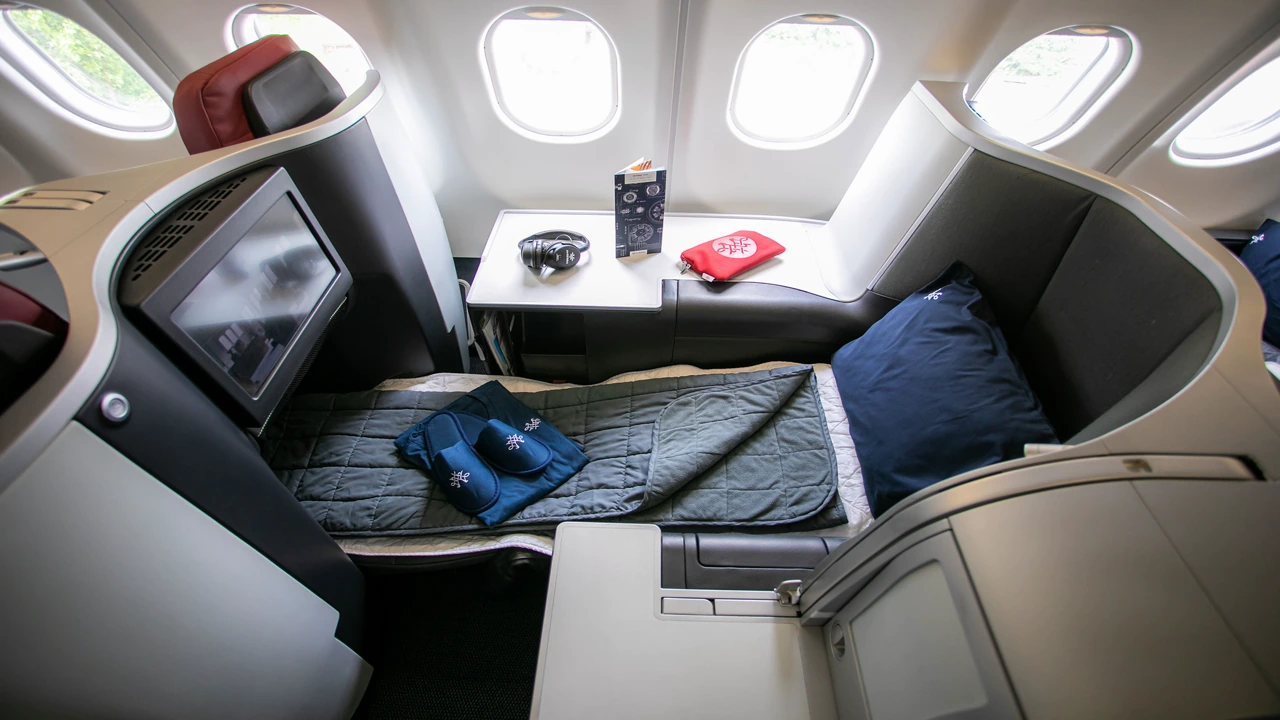
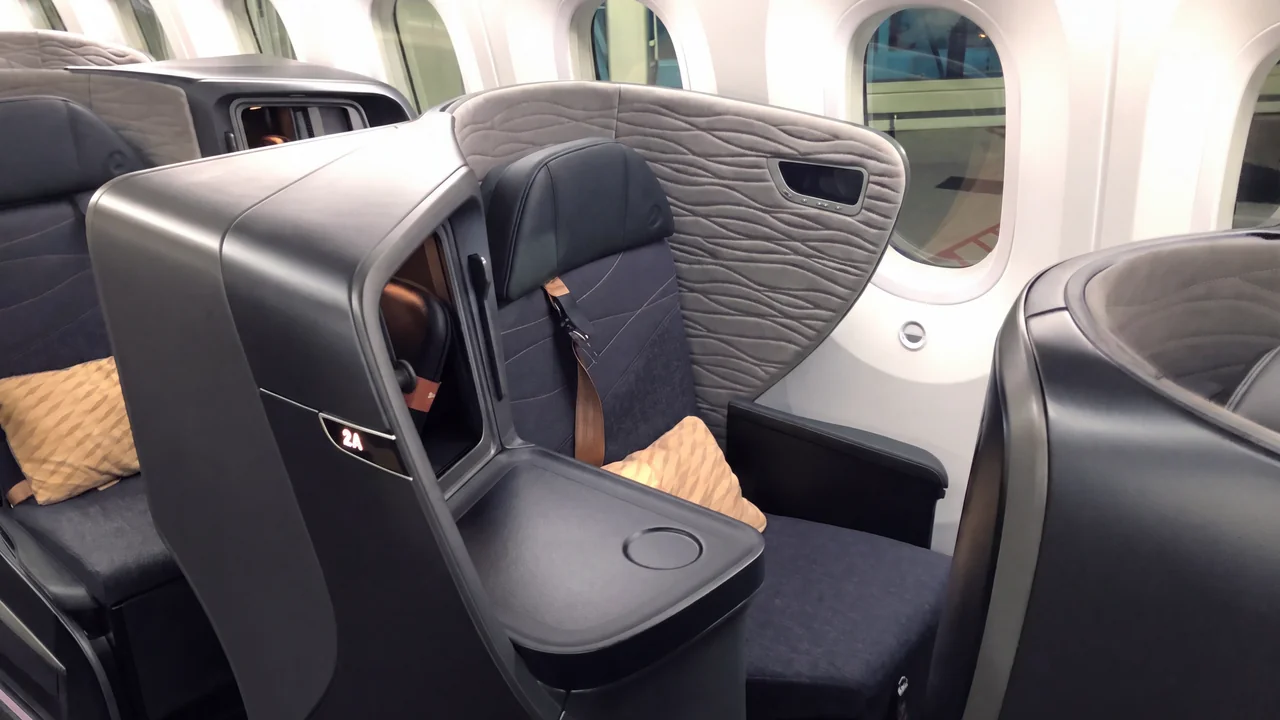
On the hard product, Turkish Airlines holds a clear edge. Its business class cabin features a 1-2-1 configuration with lie-flat seats, giving most passengers direct aisle access and a genuine sense of privacy on long-haul routings, particularly on widebody aircraft serving destinations like Dubai, Bangkok, and Cape Town. Air Serbia's business class also offers lie-flat seating on its transatlantic New York route, a meaningful investment for a carrier of its size, though its overall seat count and cabin footprint are far smaller, and its narrowbody European routings don't always carry the same flat-bed product. Bed quality and personal space on Turkish's long-haul aircraft are more consistent with what premium travelers expect from a full-service global carrier.
What About Dining & Service?
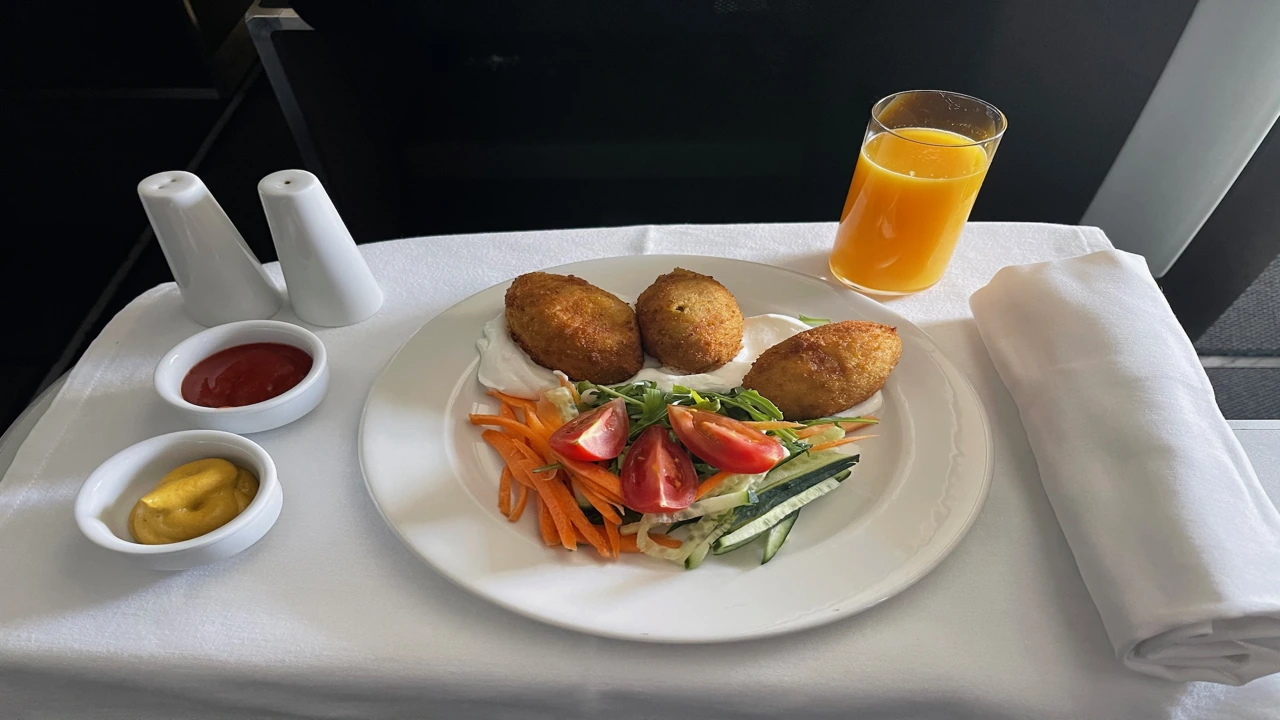
Air Serbia
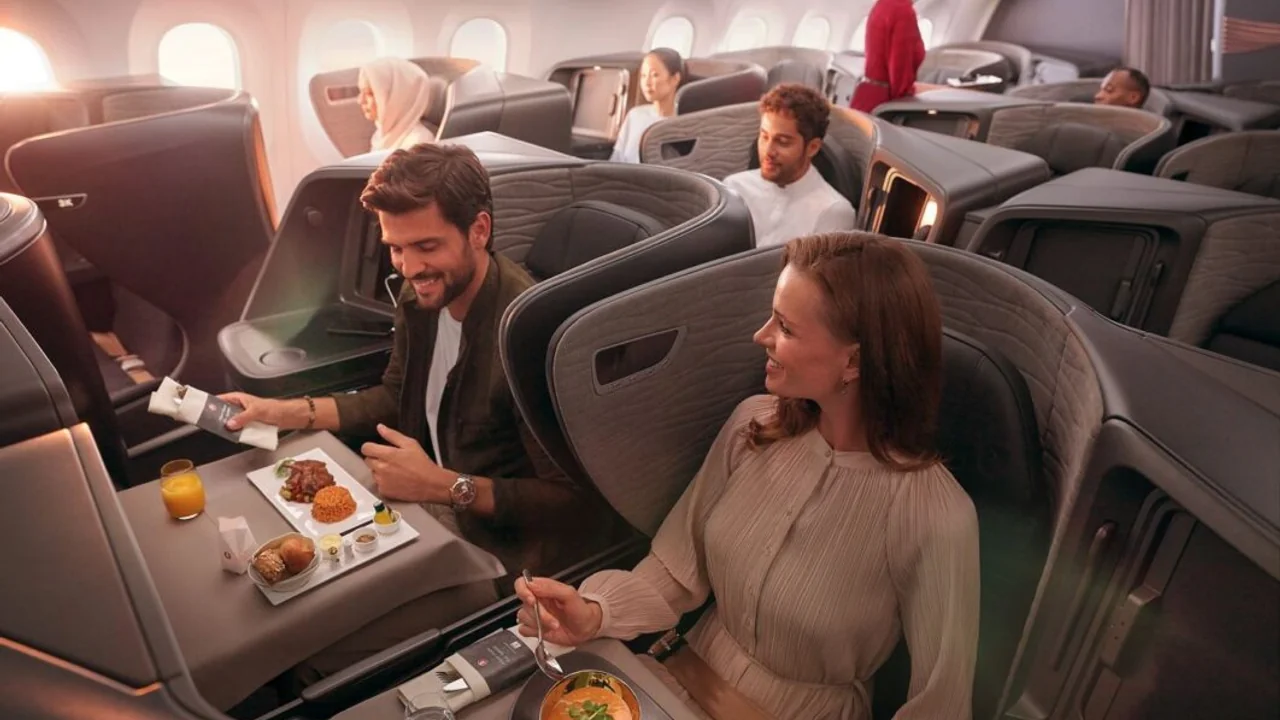
Turkish Airlines
Dining is where both airlines try to differentiate themselves through cultural storytelling, and both largely succeed. Air Serbia leans into Serbian-inspired menus paired with a curated regional wine list, giving the cabin a distinctly Balkan identity rarely found elsewhere in business class. Turkish Airlines goes a step further with its signature in-flight chef service on select long-haul flights, where a dedicated chef prepares Turkish dishes to order — a widely praised touch that few global carriers attempt to replicate. Crew culture on both airlines is warm and hospitality-driven, though Turkish's larger scale allows for more consistent training and service standardization across its wider route network.
How Do the Airport Lounges Compare?
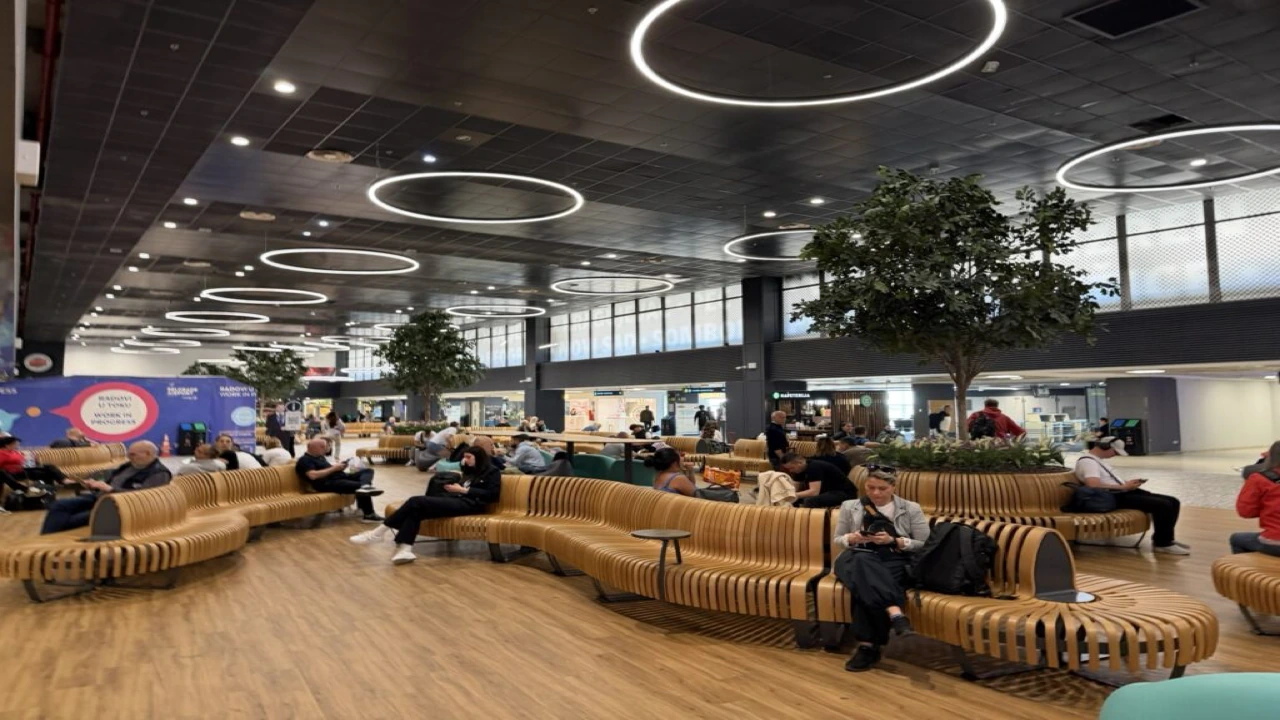
Air Serbia
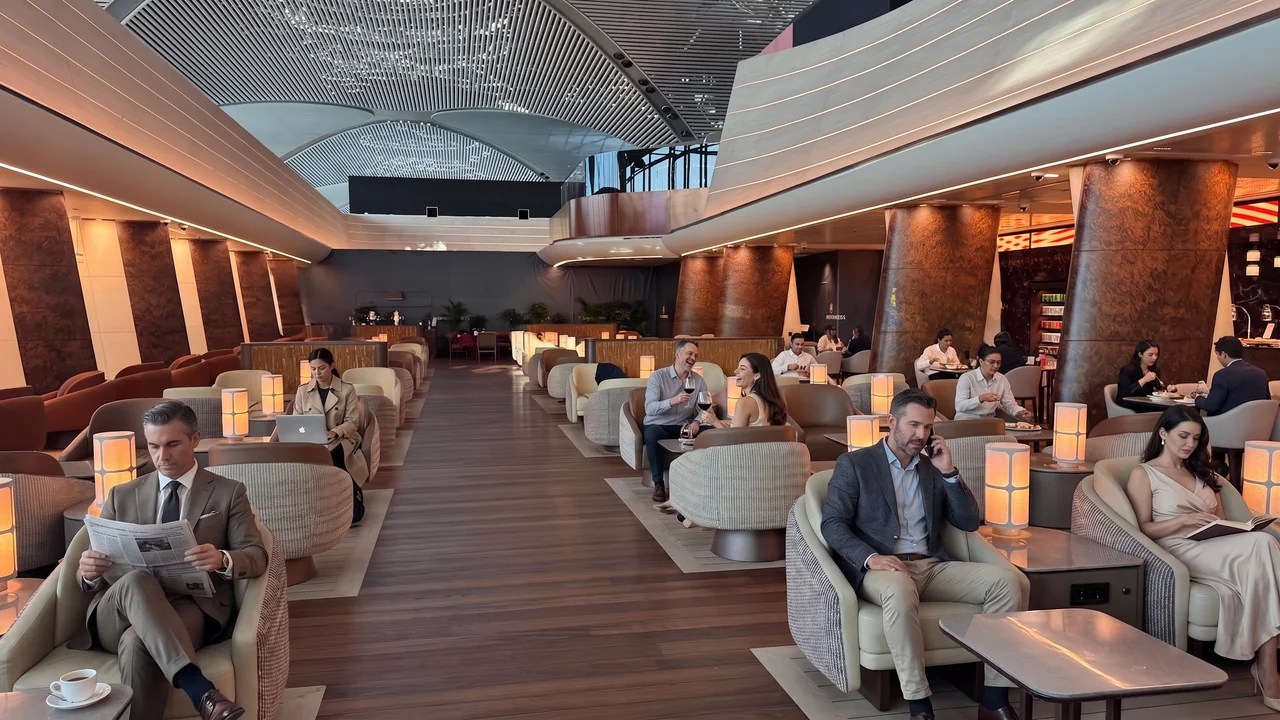
Turkish Airlines
Ground experience is another area where scale matters.
Ground experience is another area where scale matters. Turkish Airlines' Istanbul Lounge is legendary in the industry — a sprawling, amenity-rich space with live cooking stations, a golf simulator, and cinema room, frequently ranked among the best airline lounges anywhere. Turkish also offers complimentary chauffeur service in many markets, adding meaningful value before and after the flight. Air Serbia's Belgrade hub is smaller and more intimate, with priority boarding and lounge access that suit business travelers well but don't compete with Istanbul's scale. For travelers who value the airport experience as much as the flight itself, Turkish is the stronger choice.
Network reach further separates the two. Turkish Airlines connects the U.S. to Istanbul from ten gateways — including JFK, LAX, ORD, and IAD — before onward Star Alliance connectivity to destinations across Europe, the Middle East, Africa, and Asia. Air Serbia's U.S. presence is limited to JFK, with Belgrade serving as a gateway primarily to European cities like London and Paris rather than a broad global network. For U.S.-based travelers with Star Alliance status or mileage goals, Turkish offers tangible loyalty advantages that Air Serbia, as a non-aligned carrier, simply cannot match.
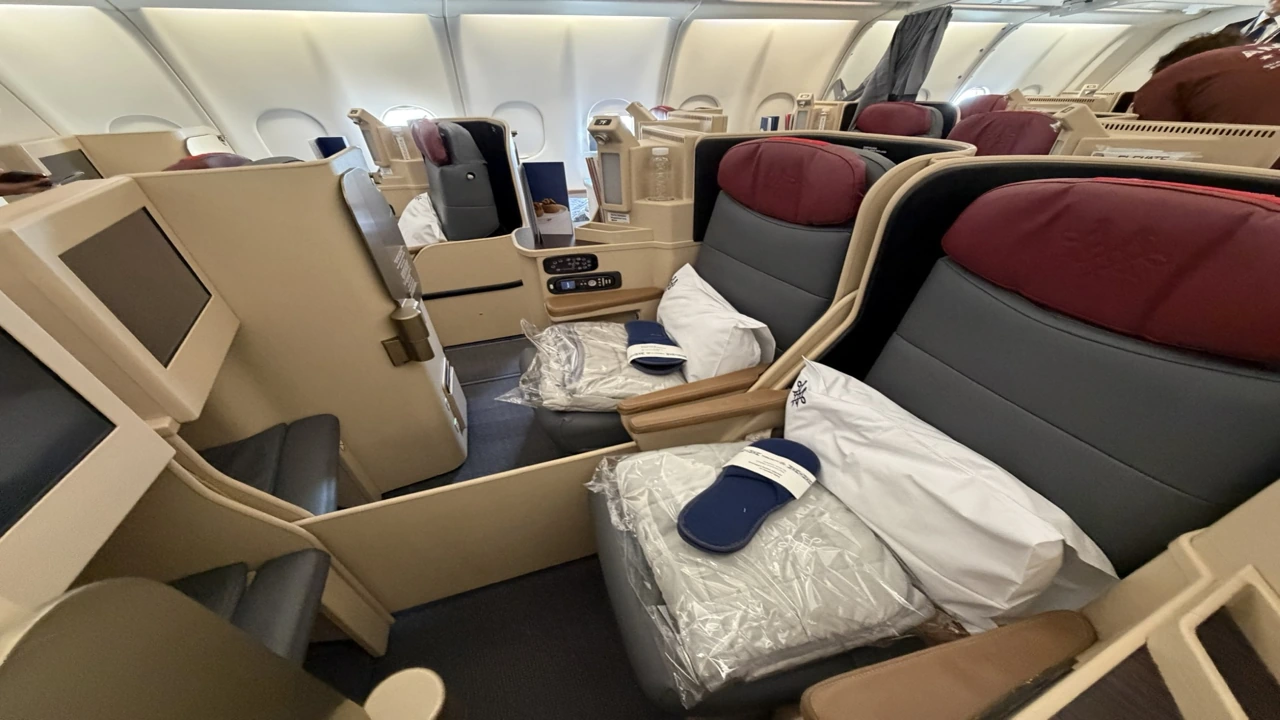
Both carriers, however, represent strong value opportunities when booked strategically. CEOFLIGHTS® offers private fares on Air Serbia and Turkish Airlines business class with savings of up to 40% off published rates, making either airline considerably more accessible for travelers who might otherwise default to larger legacy carriers. Whether you're drawn to Turkish's global scale and Istanbul Lounge or Air Serbia's boutique, culturally rich transatlantic product, a CEOFLIGHTS® Personal Travel Manager can help identify the better fit for your itinerary and secure preferred pricing. Call (888) 851 6897 to speak with a specialist before booking either airline directly.
Book Your Premium Cabin Today
✅ Choose Air Serbia If You Value
- Lie-flat seats on transatlantic routes to New York
- Serbian-inspired cuisine and premium wine selection
- Priority boarding and lounge access at Belgrade Nikola Tesla
- Growing European and intercontinental network
✅ Choose Turkish Airlines If You Value
- In-flight chef preparing Turkish cuisine
- Istanbul Lounge — one of the worlds largest airline lounges
- Complimentary chauffeur service in many markets
- Award-winning entertainment system
