




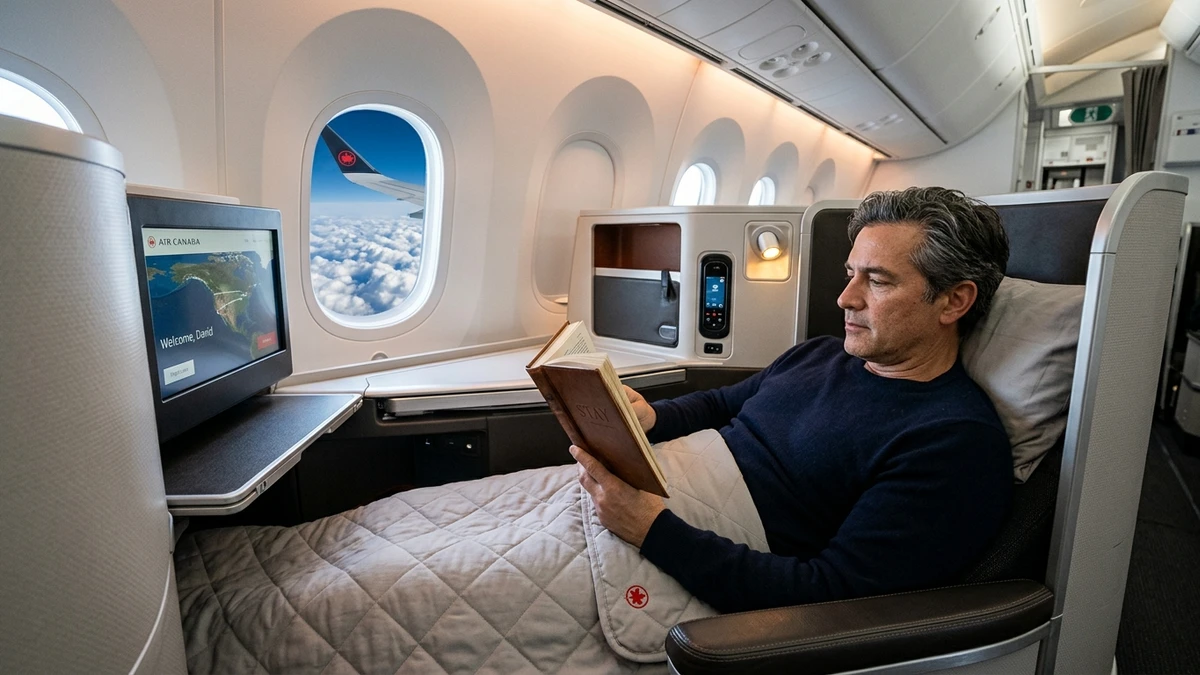
Air Canada vs United Airlines Business Class — Full Comparison
| Feature | Air Canada | United Airlines |
|---|---|---|
| Product Name | Signature Class | Polaris Business |
| Seat Type | 1-2-1 reverse herringbone lie-flat | 1-2-1 direct aisle access lie-flat seat |
| Alliance | Star Alliance | Star Alliance |
| Primary Hubs | YYZ, YUL | EWR, IAH, ORD |
| US Gateways | YYZ, YVR, YUL | EWR, SFO, IAH, ORD |
| Top Destinations | London, Frankfurt, Tokyo | London, Frankfurt, Tokyo |
| CEOFLIGHTS Savings | Up to 40% | Up to 40% |
Air Canada
United Airlines
For travelers weighing North America's two great Star Alliance business class products, the choice between Air Canada and United Airlines often comes down to routing convenience rather than a dramatic gap in quality. Air Canada, flying its Signature Class cabin from hubs in Toronto and Montreal, has built a reputation as a refined, distinctly Canadian long-haul carrier with strong European and Asian reach. United, the larger of the two by network size, operates its Polaris Business product from an expansive six-hub system spanning Newark, Chicago, Houston, San Francisco, Washington Dulles, and Denver. Both airlines deliver a genuinely competitive premium cabin, and both are bookable through CEOFLIGHTS® private fares — but the details matter, and this comparison breaks them down.
How Do the Seats Compare?
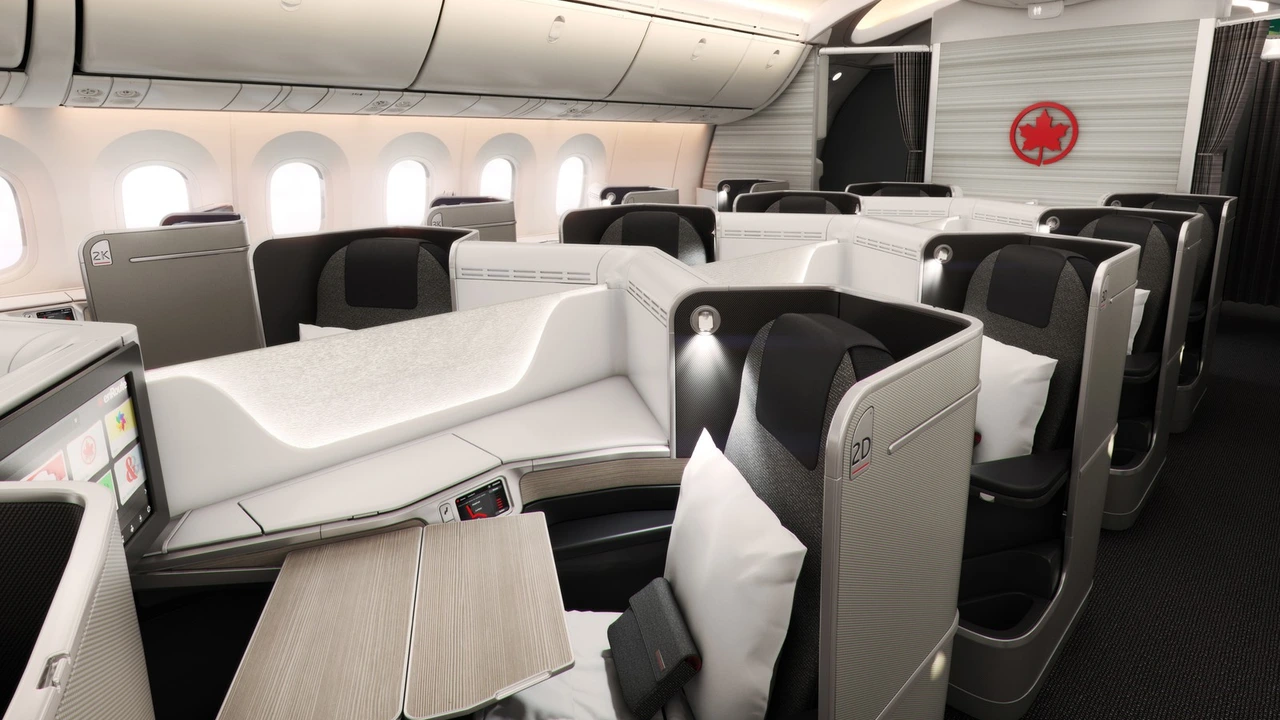
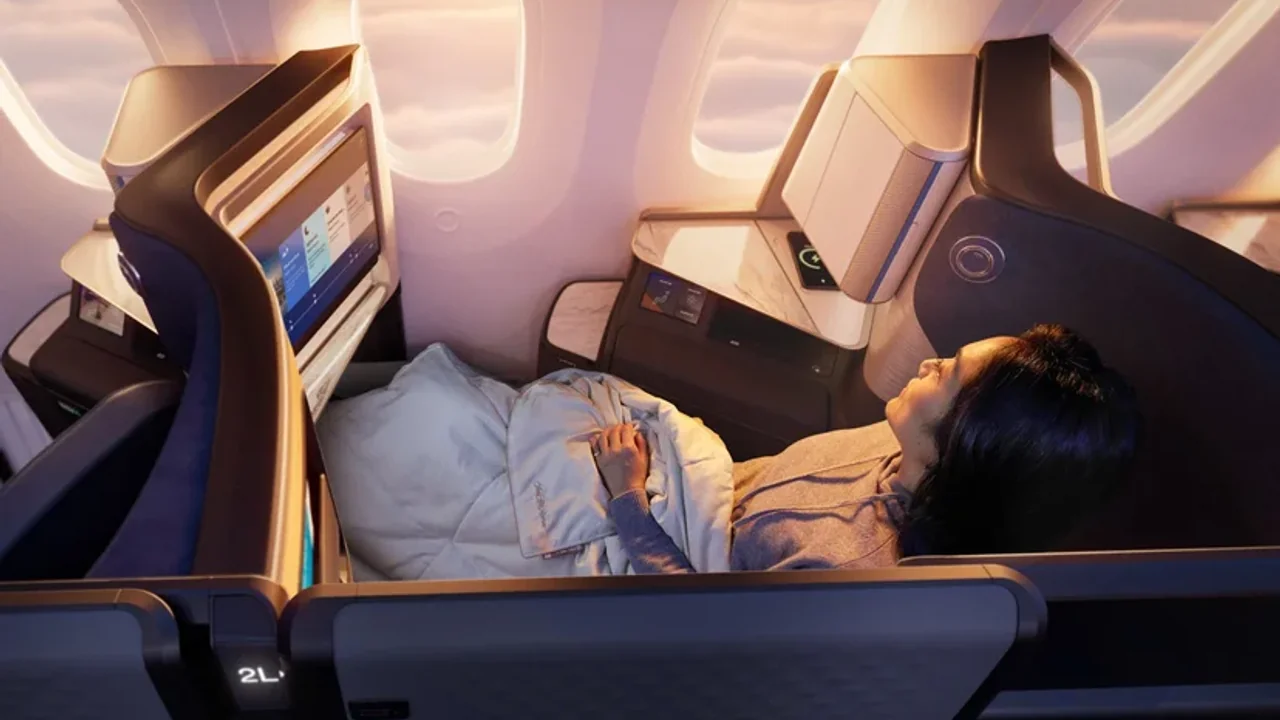
On the hard product, the two carriers are closer than many travelers expect. Air Canada's Signature Class uses a reverse herringbone 1-2-1 configuration, delivering direct aisle access from every seat, generous shoulder-level privacy panels, and a lie-flat bed that consistently ranks among the more comfortable in the Star Alliance. United's Polaris Business seat is also a 1-2-1 direct-aisle-access lie-flat design, though it forgoes the herringbone angle for a more traditional forward-facing footprint with a fixed privacy divider. Both beds fully recline, but Air Canada's staggered herringbone layout tends to feel marginally more private and spacious for solo travelers, while United's Polaris seat offers a slightly wider footwell on select aircraft types.
What About Dining & Service?
Air Canada

United Airlines
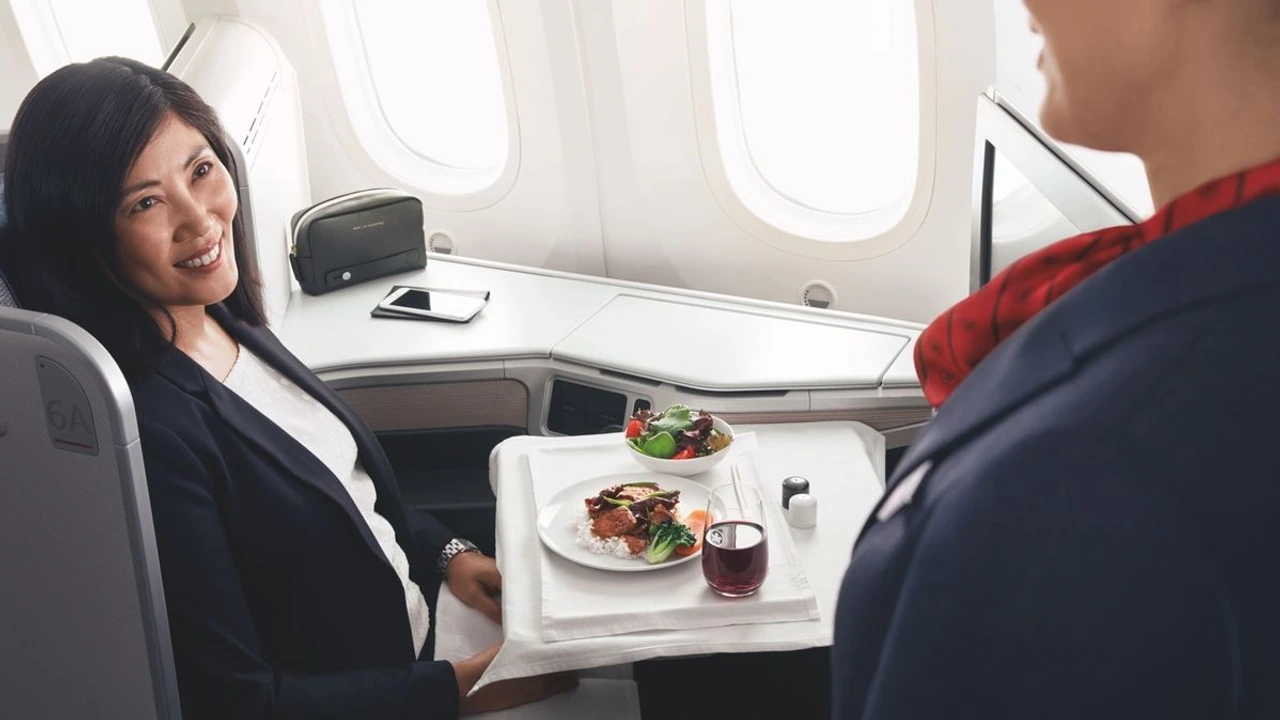
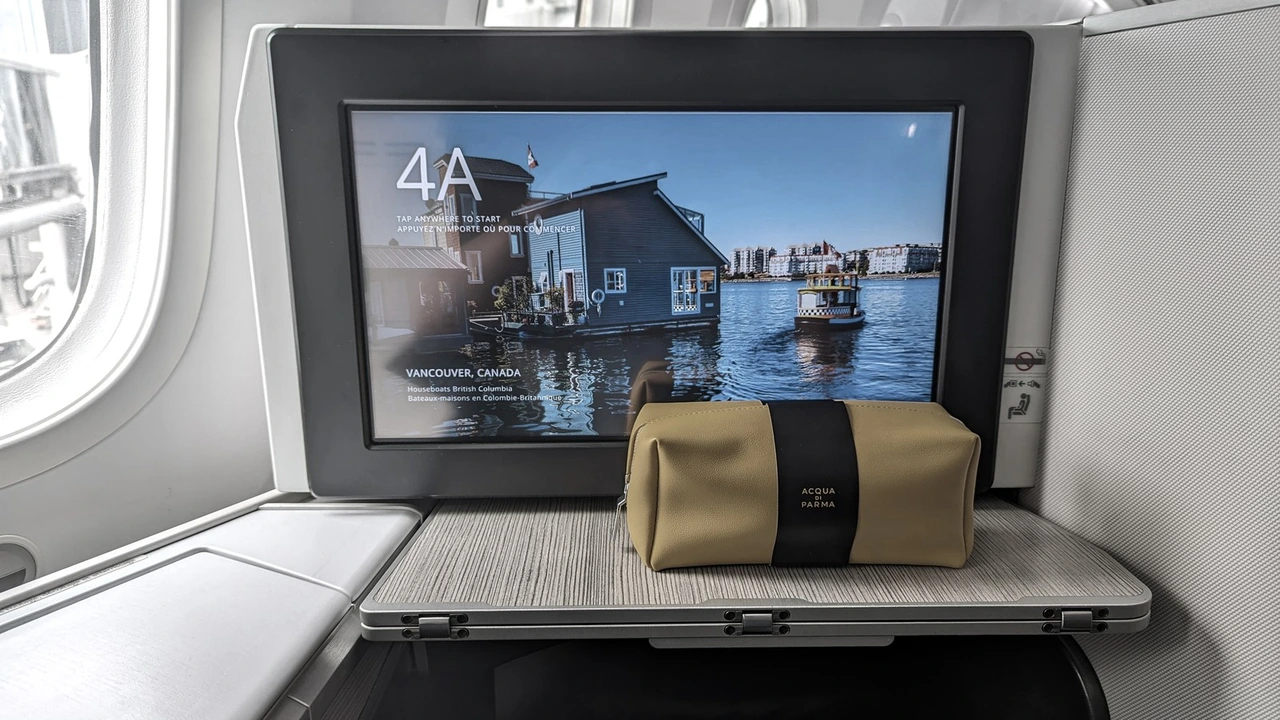
Dining and service culture reveal each airline's national character. Air Canada leans into regional Canadian ingredients and seasonal menus, often featuring wine pairings curated with domestic vineyards, paired with a warm, understated service style. United's Polaris dining program has been rebuilt around chef-driven small plates and an expanded international wine list, with cabin crews trained specifically for the Polaris service sequence, including saved-for-later dessert service and a dedicated pre-departure amenity. Both airlines provide premium amenity kits — Air Canada's BMW-designed kit versus United's Therabody kit and Saks Fifth Avenue bedding — and both pour a respectable business class beverage program, though United's wine selection edges ahead on breadth.
How Do the Airport Lounges Compare?
Air Canada

United Airlines
Ground experience is where the two carriers diverge most.
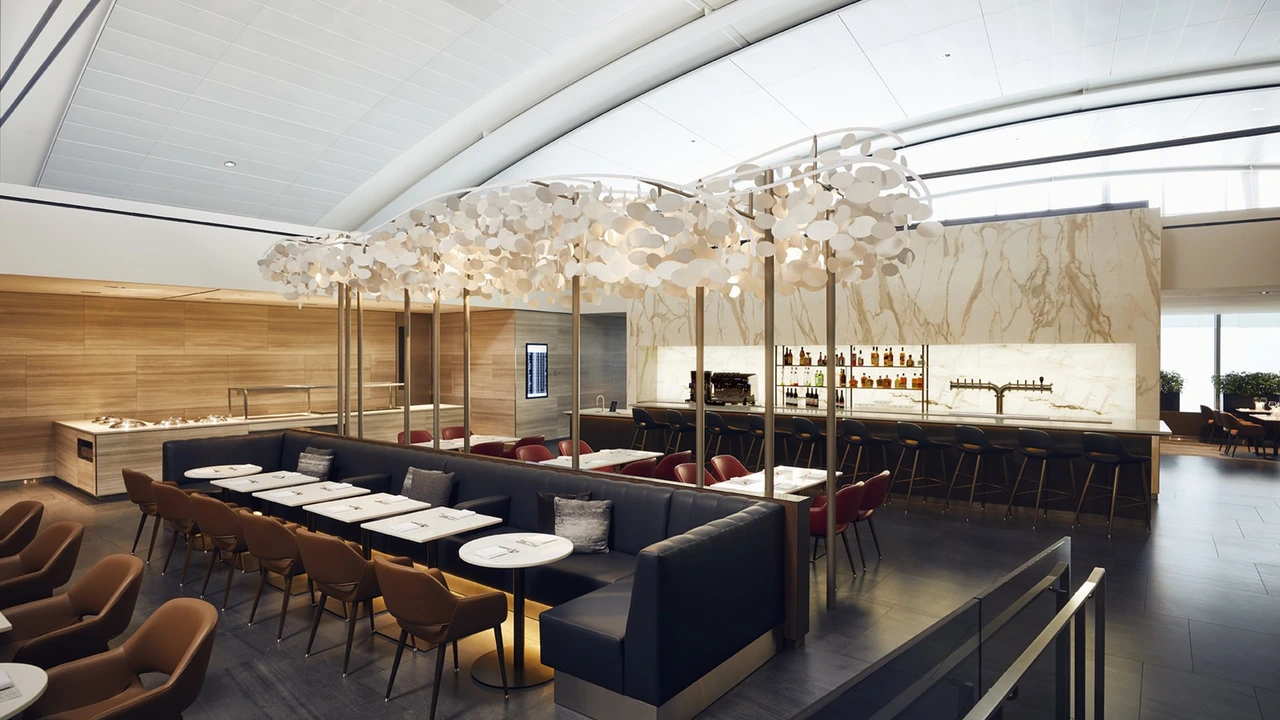
Ground experience is where the two carriers diverge most. Air Canada's Maple Leaf Lounge network is strong at its Toronto and Montreal hubs, offering comfortable pre-flight dining and rest areas, though the network is smaller in scale. United's Polaris Lounges — standalone, dedicated pre-flight spaces at hubs like Chicago O'Hare, Newark, and San Francisco — are widely regarded as some of the best domestic business class lounges in the industry, with chef-prepared dining and shower suites that outclass most Star Alliance offerings. For travelers connecting through a major US gateway, United's ground product is often the deciding factor.
Network shape is the other major differentiator. Air Canada's Toronto and Montreal hubs make it a natural choice for travelers routing through eastern Canada to London, Frankfurt, Tokyo, Hong Kong, Delhi, or Sydney, with strong onward Star Alliance connectivity into Europe and Asia. United, flying from six major US hubs, offers unmatched domestic feed for American travelers, connecting seamlessly to London, Frankfurt, Tokyo, Sydney, Tel Aviv, and Delhi. For US-based flyers who want to avoid a Canadian connection, United's broader domestic footprint and Star Alliance reach typically wins on convenience, while Air Canada remains the stronger choice for travelers already positioned near Toronto or Montreal, or seeking a one-stop routing through Canada to Asia.
Whichever carrier best fits your itinerary, both Air Canada Signature Class and United Polaris Business are accessible through CEOFLIGHTS® private fare agreements, with savings of up to 40% off published business class rates. Our Personal Travel Managers can compare live availability across both carriers, match your routing to the stronger product for your specific city pair, and secure private fares not available through public booking channels. Call (888) 851 6897 to speak with a Personal Travel Manager and start planning your next business class journey.
Book Your Premium Cabin Today
✅ Choose Air Canada If You Value
- Reverse herringbone lie-flat with direct aisle access
- Canadian-inspired dining with regional menus
- BMW-designed amenity kit
- Maple Leaf Lounge network
✅ Choose United Airlines If You Value
- Polaris lie-flat seat with direct aisle access
- United Polaris Lounge at major hubs
- Therabody amenity kit and Polaris bedding
- Extensive Star Alliance connectivity
