




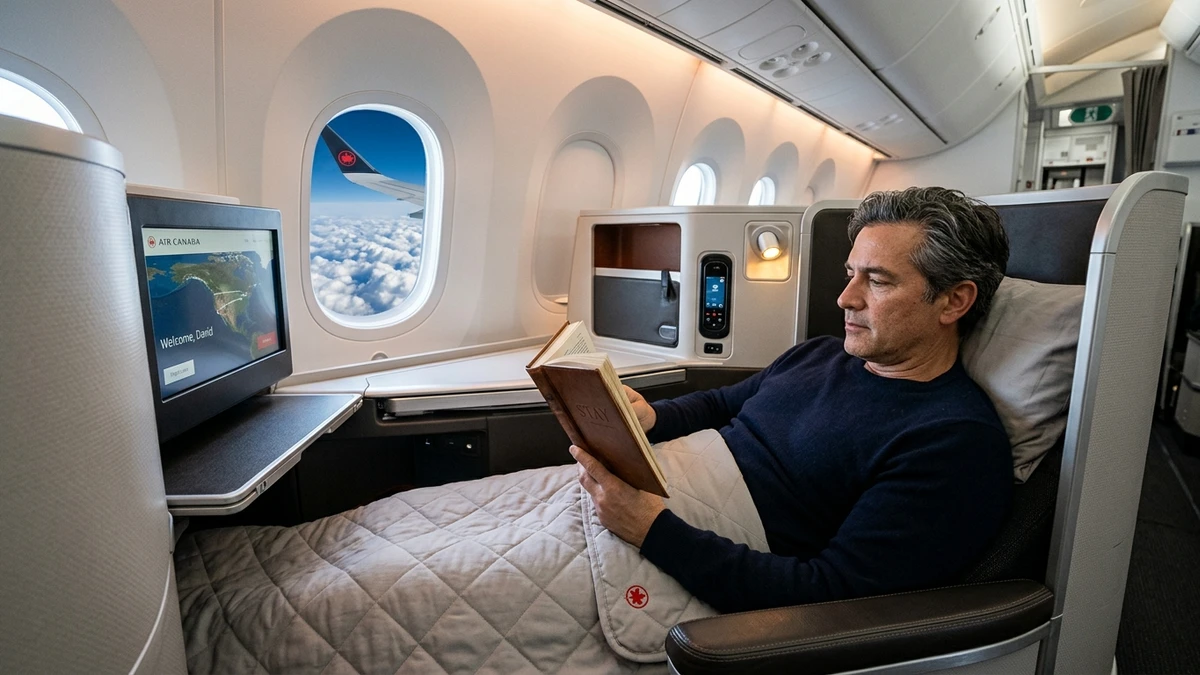
Air Canada vs ANA (All Nippon Airways) Business Class — Full Comparison
| Feature | Air Canada | ANA (All Nippon Airways) |
|---|---|---|
| Product Name | Signature Class | THE Room |
| Seat Type | 1-2-1 reverse herringbone lie-flat | 1-2-1 enclosed suite with privacy door |
| Alliance | Star Alliance | Star Alliance |
| Primary Hubs | YYZ, YUL | NRT, HND |
| US Gateways | YYZ, YVR, YUL | JFK, SFO, LAX, SEA |
| Top Destinations | London, Frankfurt, Tokyo | Tokyo, Osaka, Honolulu |
| CEOFLIGHTS Savings | Up to 40% | Up to 40% |
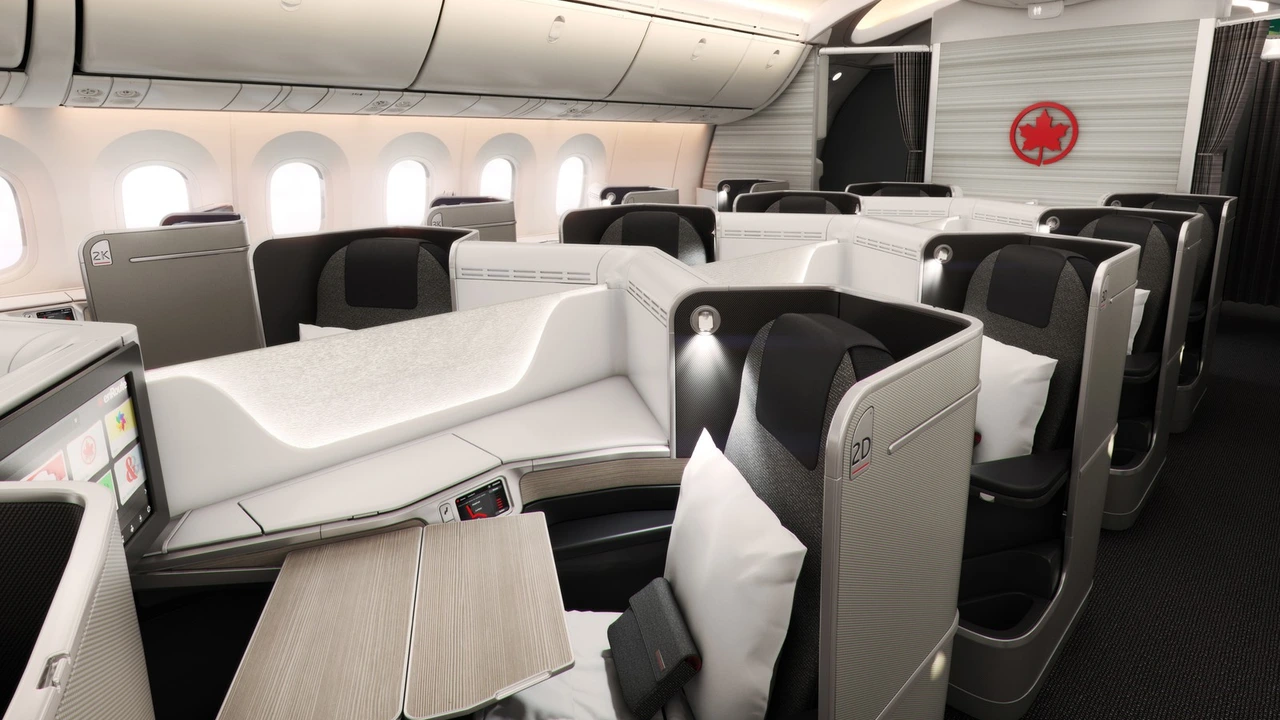
Air Canada
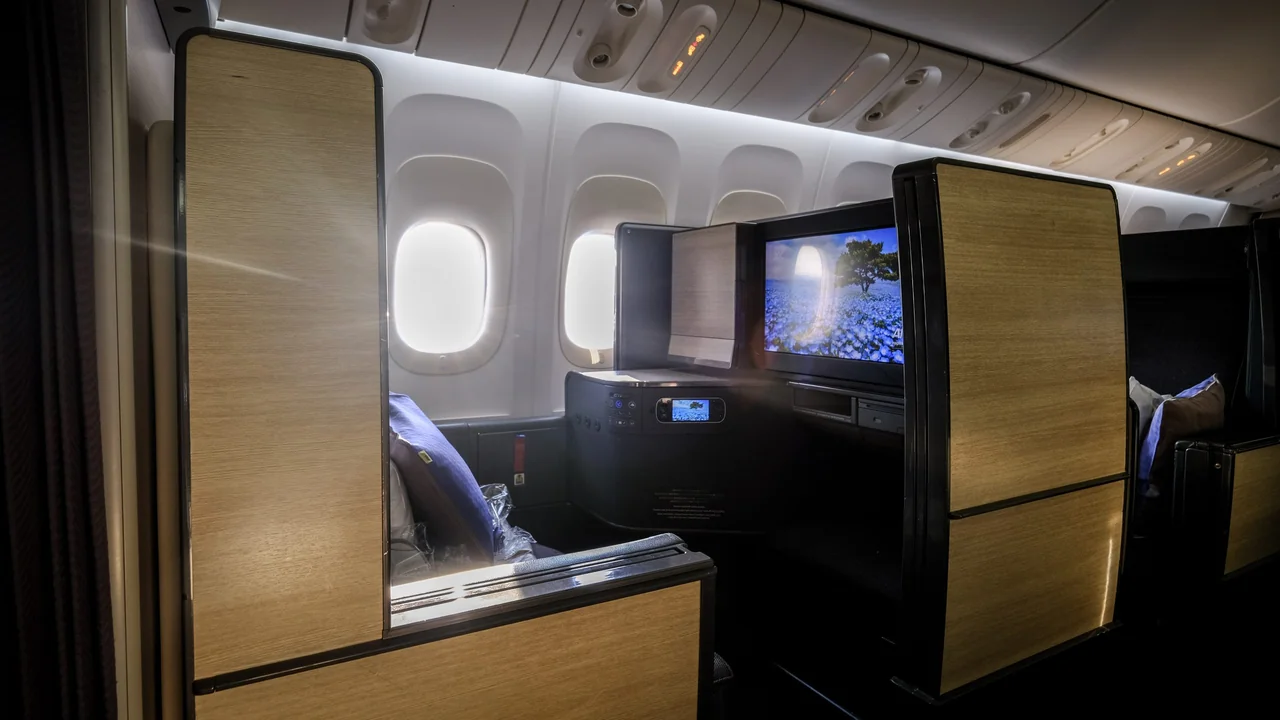
ANA (All Nippon Airways)
For business travelers weighing a North Atlantic gateway against a Pacific powerhouse, Air Canada and ANA (All Nippon Airways) represent two of Star Alliance's most polished long-haul products, but they serve fundamentally different purposes. Air Canada, flying out of Toronto Pearson and Montreal-Trudeau, is the natural choice for travelers connecting through Canada to Europe, India, or Australia. ANA, based at Tokyo Narita and Haneda, is the gold standard for anyone routing through Japan to elsewhere in Asia. Both carriers punch above their weight in hard product, but the traveler's itinerary — not brand loyalty — should drive the decision.
How Do the Seats Compare?
The hard product comparison is where these two airlines diverge most sharply. Air Canada's Signature Class uses a 1-2-1 reverse herringbone layout, giving every passenger direct aisle access and a fully lie-flat bed, a configuration that remains one of the more space-efficient designs in the industry. ANA counters with THE Room, also arranged 1-2-1, but built around an enclosed suite concept featuring a sliding privacy door and a class-leading 38-inch seat width — noticeably wider than most competitors, including Air Canada's herringbone. If privacy and personal space are the priority, ANA's suite-style enclosure edges ahead; if a proven, widely available reverse-herringbone bed is the benchmark, Air Canada delivers consistently.
What About Dining & Service?
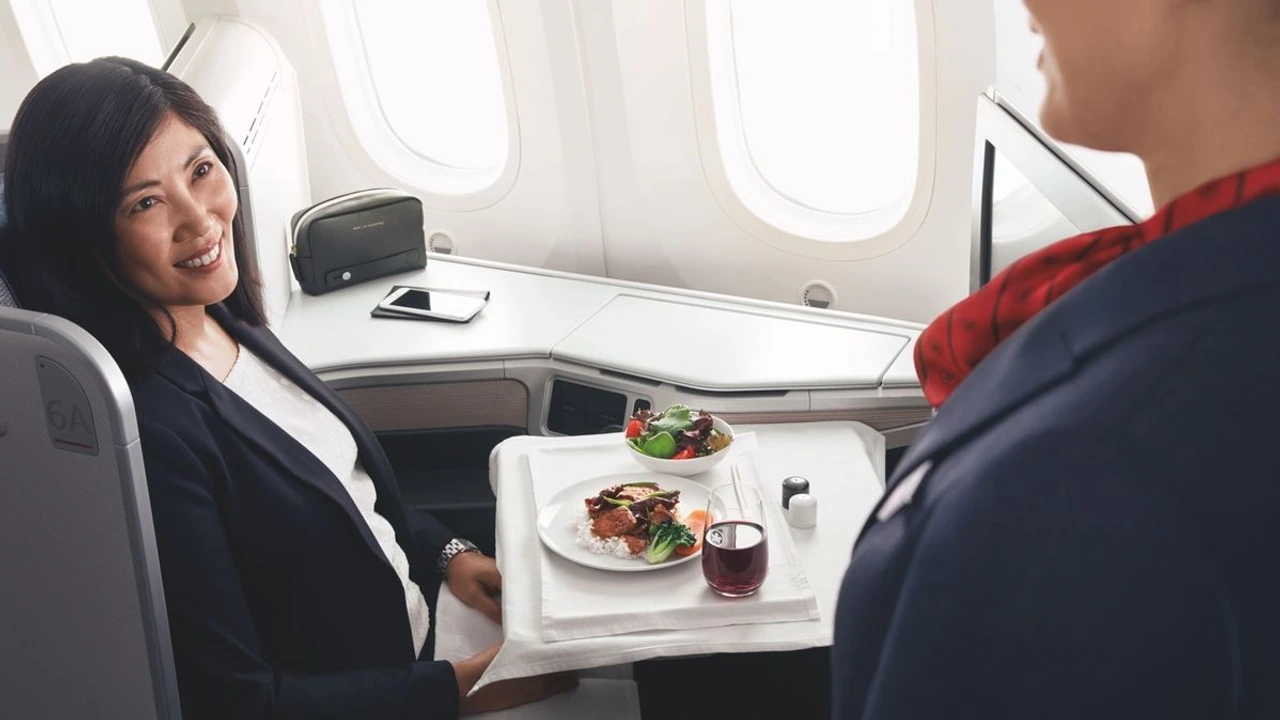
Air Canada
ANA (All Nippon Airways)
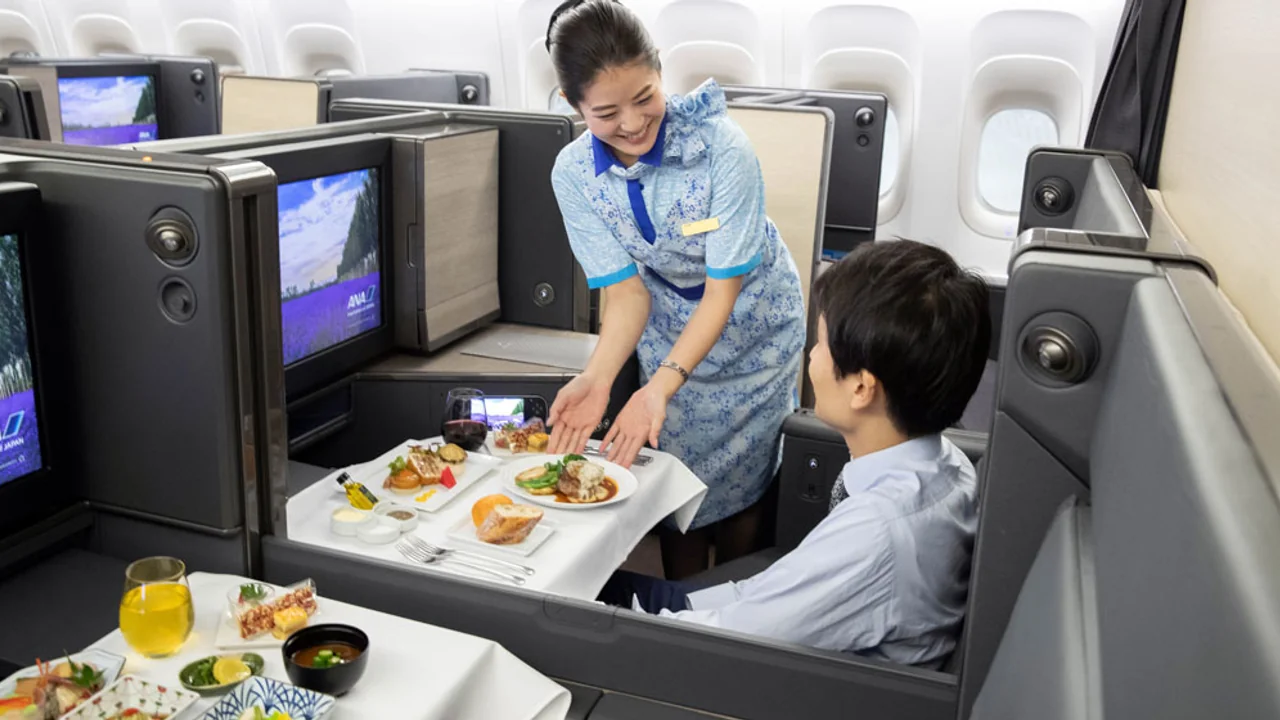
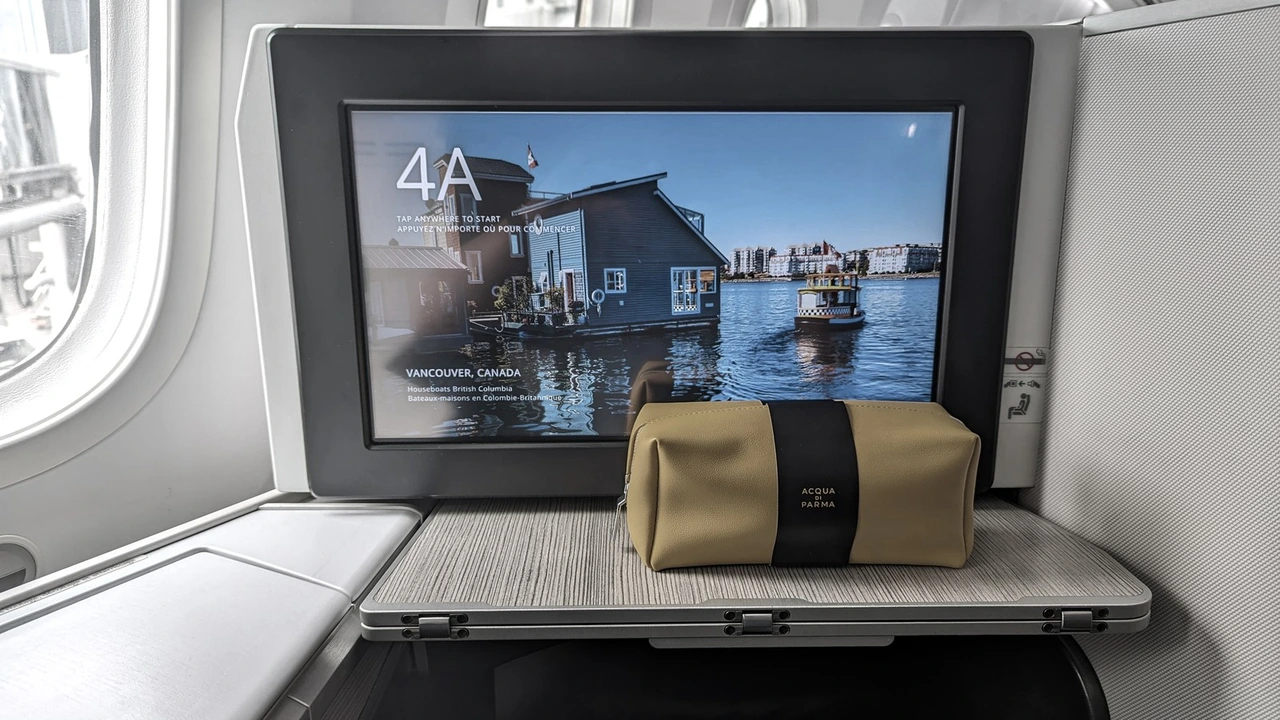
Onboard service reflects each airline's cultural DNA. Air Canada leans into a Canadian-inspired dining program with regional menus that rotate seasonally, paired with a curated wine list and the brand's well-regarded BMW-designed amenity kits. Service is warm and efficient, generally western in cadence. ANA's dining program blends Japanese and Western multi-course courses, with an emphasis on kaiseki-influenced presentation, sake pairings, and meticulous, quietly attentive Japanese hospitality that consistently ranks among the most refined in global aviation. Travelers who prioritize a highly choreographed, detail-obsessed service culture tend to favor ANA; those who want a more relaxed, conversational crew experience often prefer Air Canada.
How Do the Airport Lounges Compare?
Air Canada
ANA (All Nippon Airways)
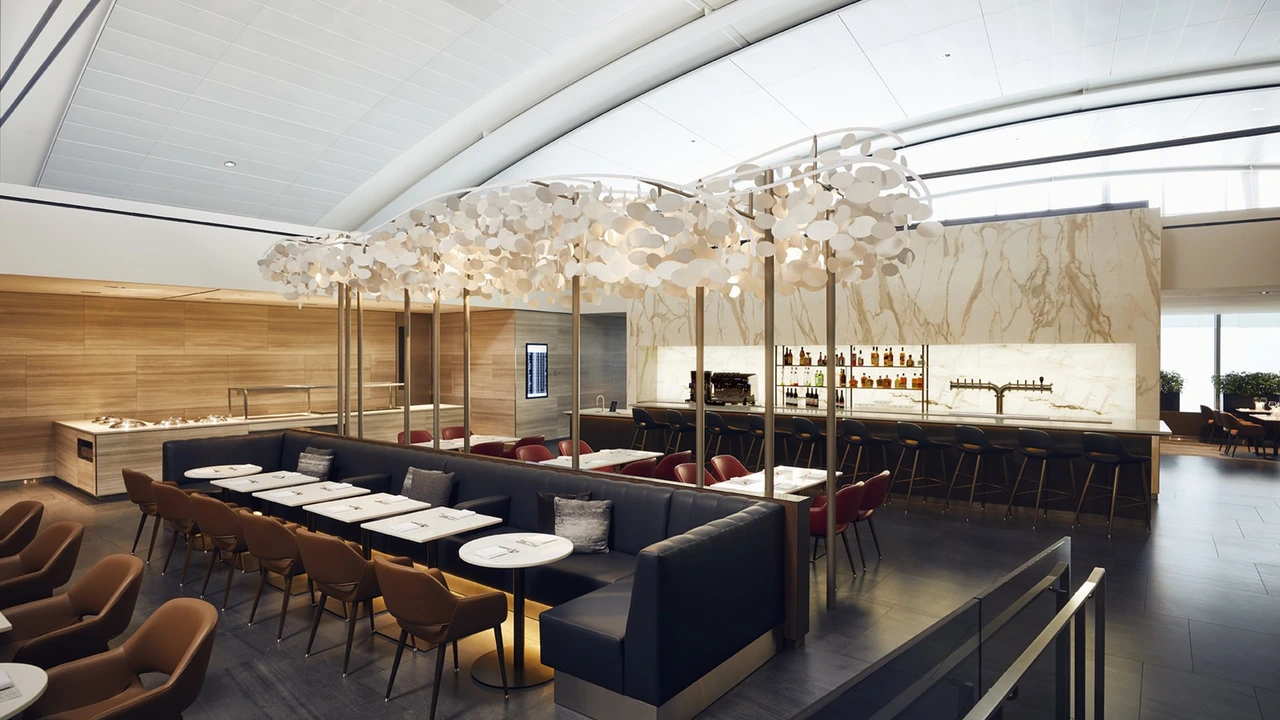
Air Canada's Maple Leaf Lounge network spans its Toronto and Montreal hubs, offering solid but not flashy pre-flight amenities geared toward connecting passengers.
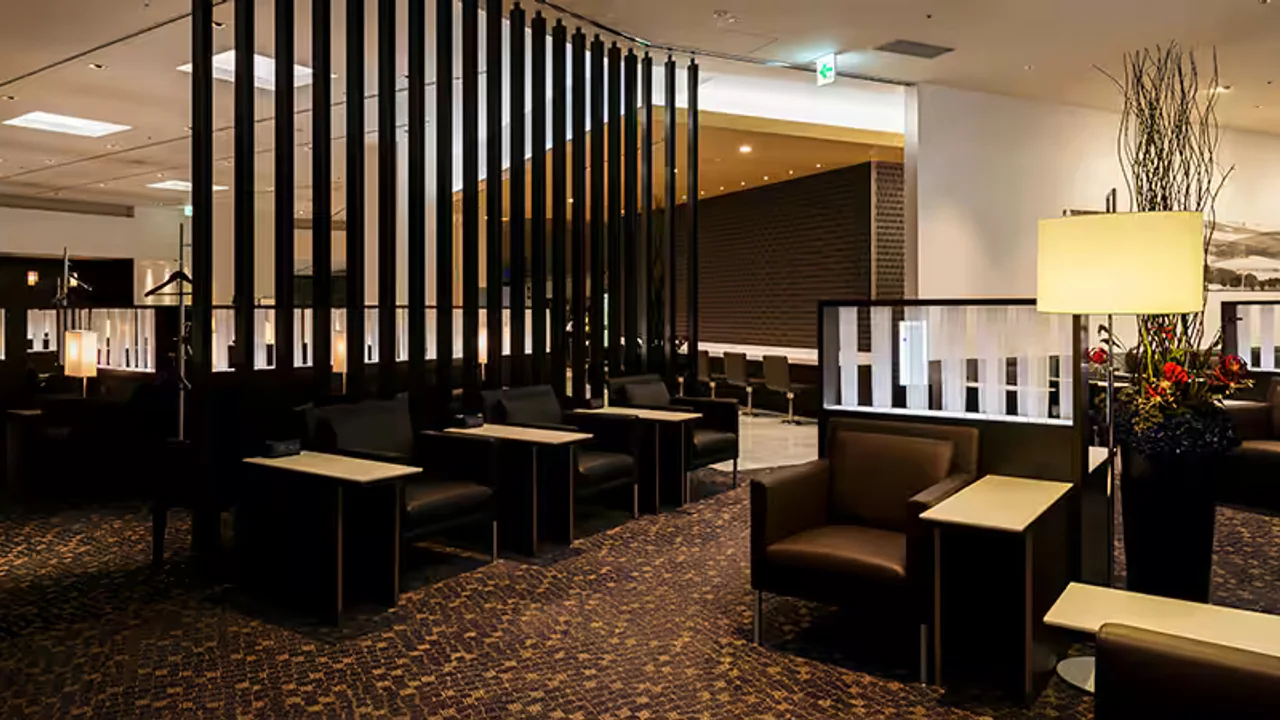
On the ground, the two carriers' lounge networks mirror their hub strategies. Air Canada's Maple Leaf Lounge network spans its Toronto and Montreal hubs, offering solid but not flashy pre-flight amenities geared toward connecting passengers. ANA's lounges at Narita and Haneda are considered among the best in Asia, with extensive dining, sake bars, and pre-flight ramen counters that have become something of a signature experience. Haneda in particular offers a smoother, more central arrival into Tokyo than Narita, and ANA leverages both effectively. For sheer ground-experience polish, ANA's Tokyo lounges have a slight edge over Air Canada's Canadian network.
Route strategy is really where the choice gets made. Air Canada's business class network reaches London, Frankfurt, Tokyo, Hong Kong, Delhi, and Sydney, making it a strong option for US-based travelers connecting northbound into Canada before continuing to Europe, South Asia, or Oceania. ANA's footprint is more concentrated — Tokyo, Osaka, and Honolulu — but its US gateway list is deep, with direct lift from JFK, SFO, LAX, SEA, and HNL, and unmatched onward connectivity across East Asia once in Japan. As fellow Star Alliance members, both carriers offer mileage and lounge reciprocity, but ANA is the sharper tool for Asia-Pacific itineraries while Air Canada better serves transatlantic and India-bound travel.
Whichever route fits your itinerary, both Air Canada Signature Class and ANA's THE Room are bookable through CEOFLIGHTS® private fares, with savings of up to 40% off standard business class pricing. Our Personal Travel Managers know the routing nuances of both carriers — from Toronto connections to Haneda slot advantages — and can structure an itinerary around the product that matters most to you. Call (888) 851 6897 to speak with a Personal Travel Manager and compare live fares on both airlines today.
Book Your Premium Cabin Today
✅ Choose Air Canada If You Value
- Reverse herringbone lie-flat with direct aisle access
- Canadian-inspired dining with regional menus
- BMW-designed amenity kit
- Maple Leaf Lounge network
✅ Choose ANA (All Nippon Airways) If You Value
- THE Room — enclosed suite with sliding door and 24" width
- Japanese-Western multi-course dining
- ANA Lounge at Narita and Haneda
- Star Alliance partner connectivity in Asia
