

Why the Lounge Matters More Than the Seat
Most people booking a $4,000 business class ticket spend weeks obsessing over seat pitch and skip the part of the journey that actually eats up the most time: the two to three hours before boarding. That's a mistake. A Qsuite ticket out of Doha means little if you're stuck in a generic contract lounge because your fare class doesn't qualify for Al Mourjan. We've had clients spend more mental energy comparing 1-2-1 seat configurations than checking whether their specific booking code unlocks the flagship lounge at their hub.
Here's an uncomfortable truth: airlines sell "business class" as a single product, but lounge access is tiered underneath it. A discounted business fare on Turkish Airlines might route you through a satellite lounge instead of the massive Istanbul Lounge everyone posts about on Instagram. At CEOFLIGHTS, we book fares specifically to protect lounge access — not just the cheapest business seat that technically qualifies. That's the difference between a $3,200 fare that gets you the real experience and a $2,900 fare that gets you a sad buffet near gate C22.
Understanding Access Tiers: Oneworld, Star Alliance, SkyTeam
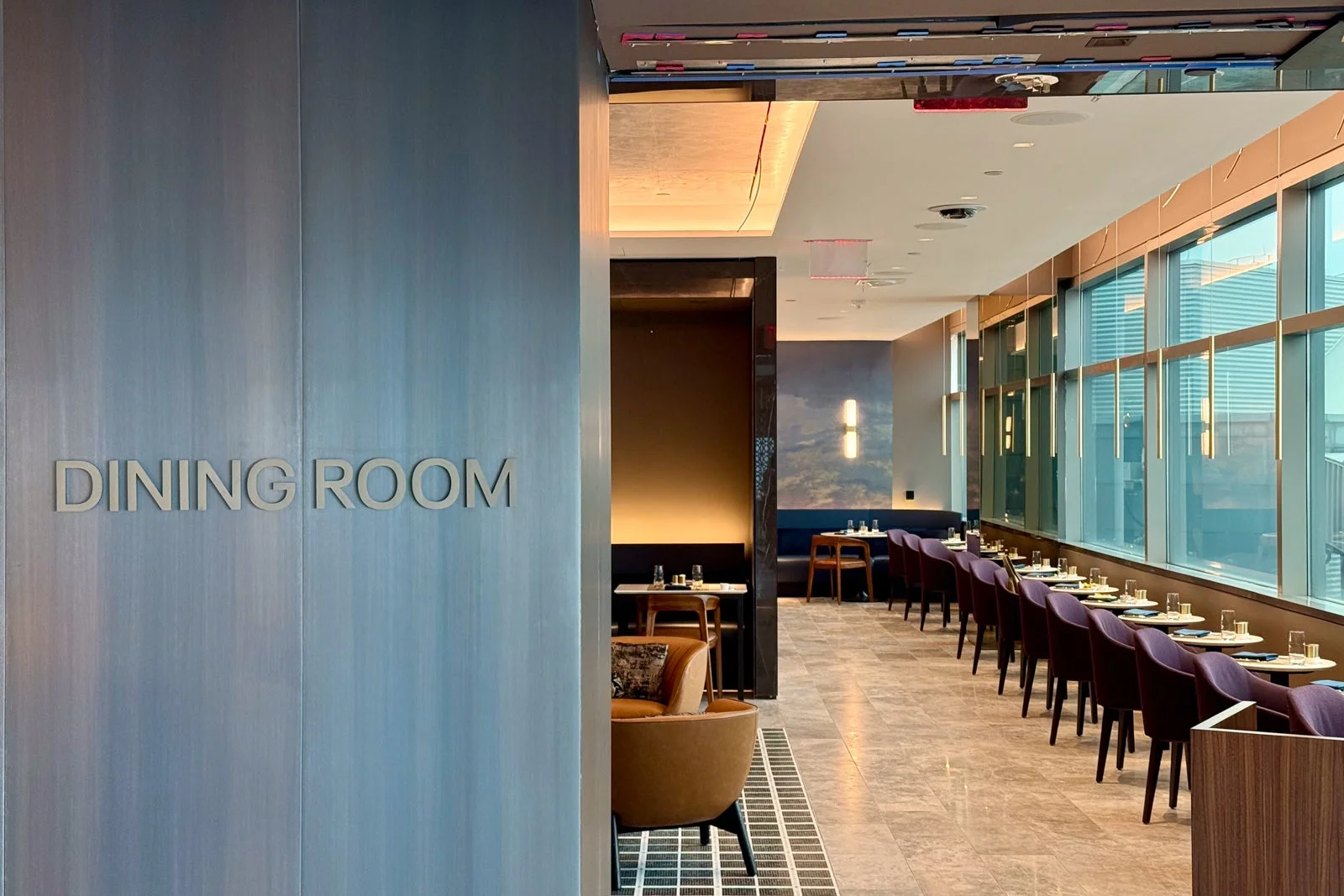
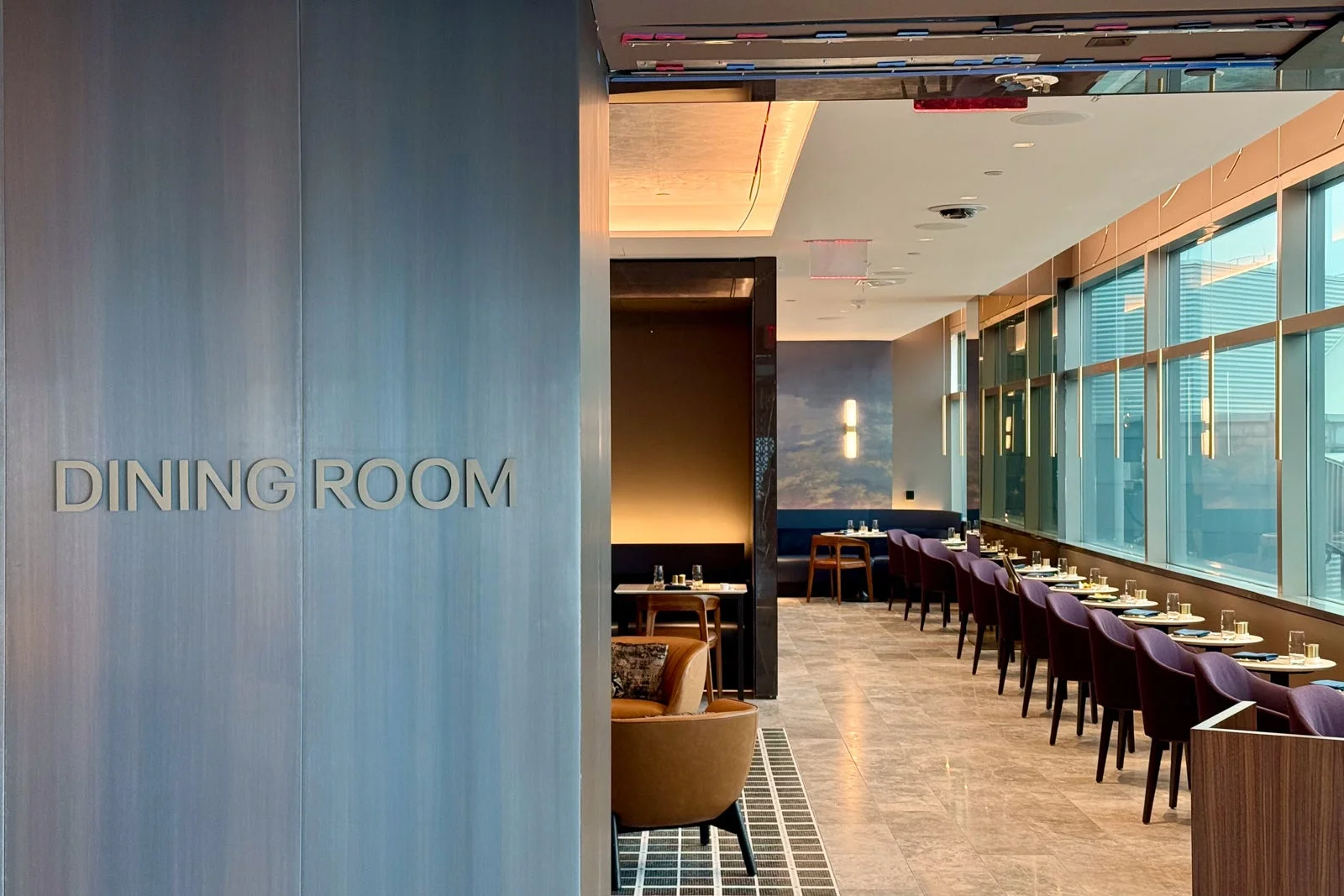
Alliance access is the part nobody explains clearly, so let's fix that. Flying Delta One puts you into SkyTeam's network, meaning Delta Sky Club plus the newer Delta ONE Lounge locations (JFK, LAX, Boston) if your ticket and route qualify. United's Polaris Business gets you into Star Alliance lounges globally, including the standout Polaris Lounge at ORD, SFO, and IAD — genuinely one of the better domestic-hub lounge products in the U.S. right now, with real plated dining instead of steam-table buffet.
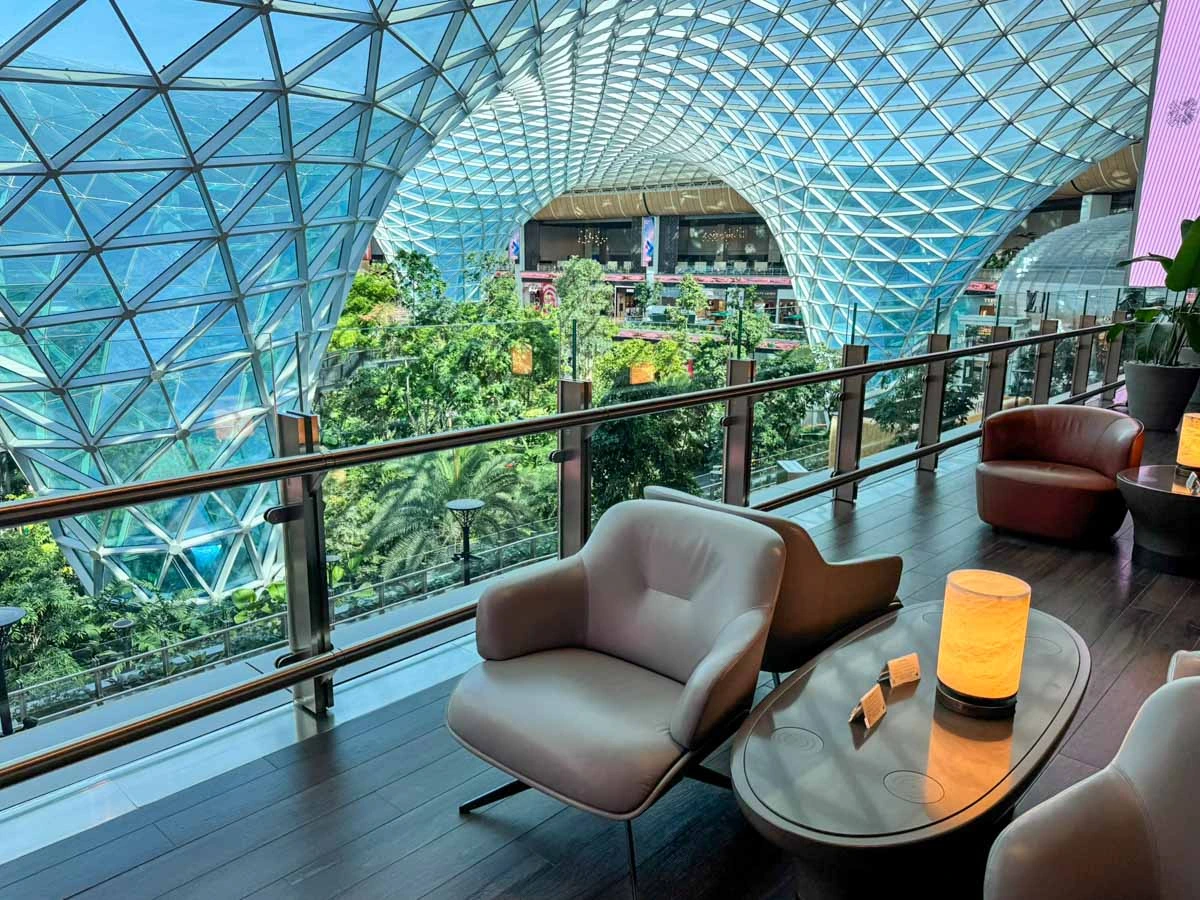
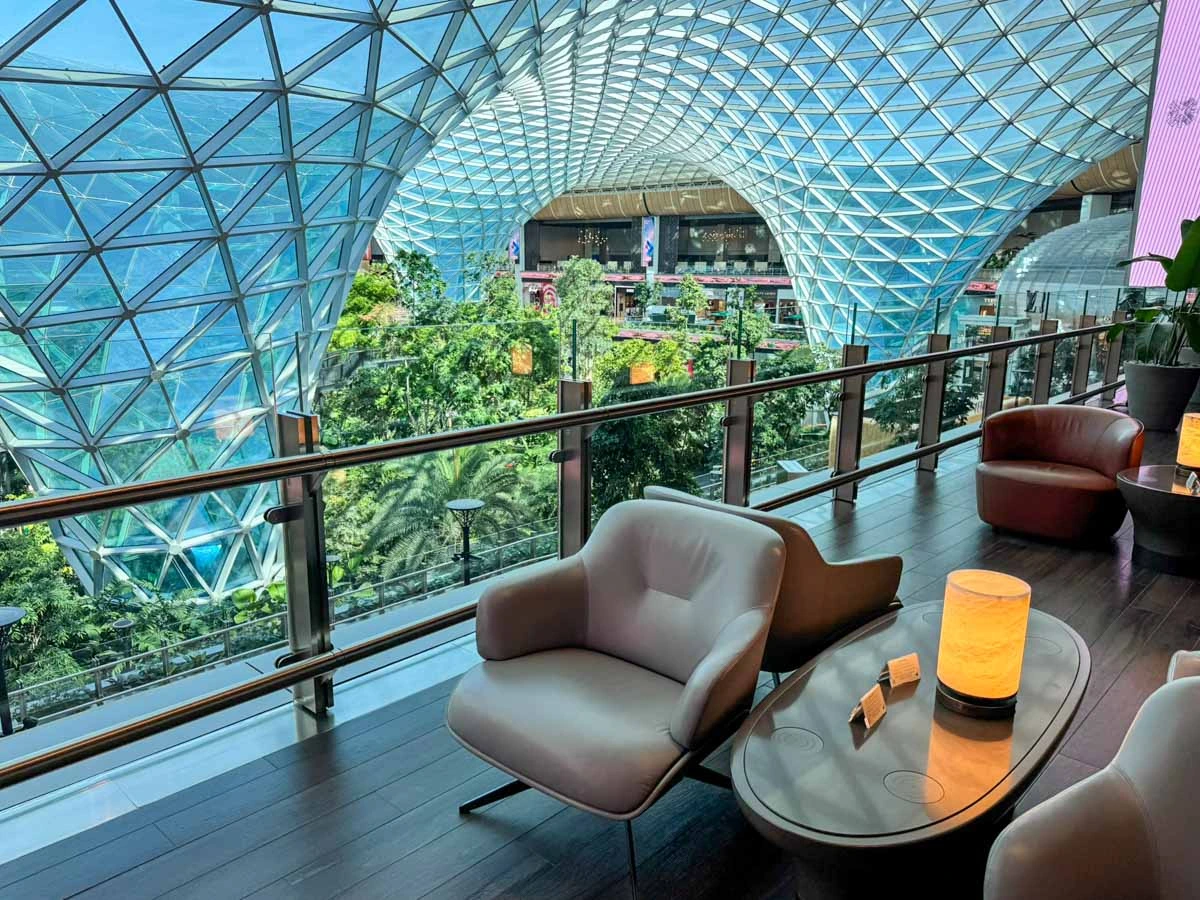
Qatar Airways sits in Oneworld, and Al Mourjan Business Lounge in Doha is, in our opinion, the single best business class lounge on the planet — a 10,000-square-meter space with a dedicated dining room, quiet rooms, and a spa that doesn't feel like an afterthought. Emirates isn't in any alliance, which cuts both ways: their own Dubai lounges are excellent, but you lose reciprocal access elsewhere unless you're flying an Emirates codeshare partner.
The rule of thumb we give clients: check the lounge finder tool for the specific alliance before you book, not after. Fare class matters here too — a deeply discounted business fare (often coded as "O" or "P" instead of "J" or "C") can technically be "business class" while excluding you from flagship lounges entirely.
Comparing the Flagship Lounges: Doha, Dubai, Istanbul, New York
Not all flagship lounges are chasing the same thing, and pretending otherwise does travelers a disservice. Here's how the five carriers in our network actually stack up when you're sitting in the chair, not reading the press release.
| Airline | Flagship Lounge | Standout Feature | Best For |
|---|---|---|---|
| Qatar Airways | Al Mourjan Business Lounge (DOH) | 10,000 sqm, dedicated à la carte dining room | Long layovers, families |
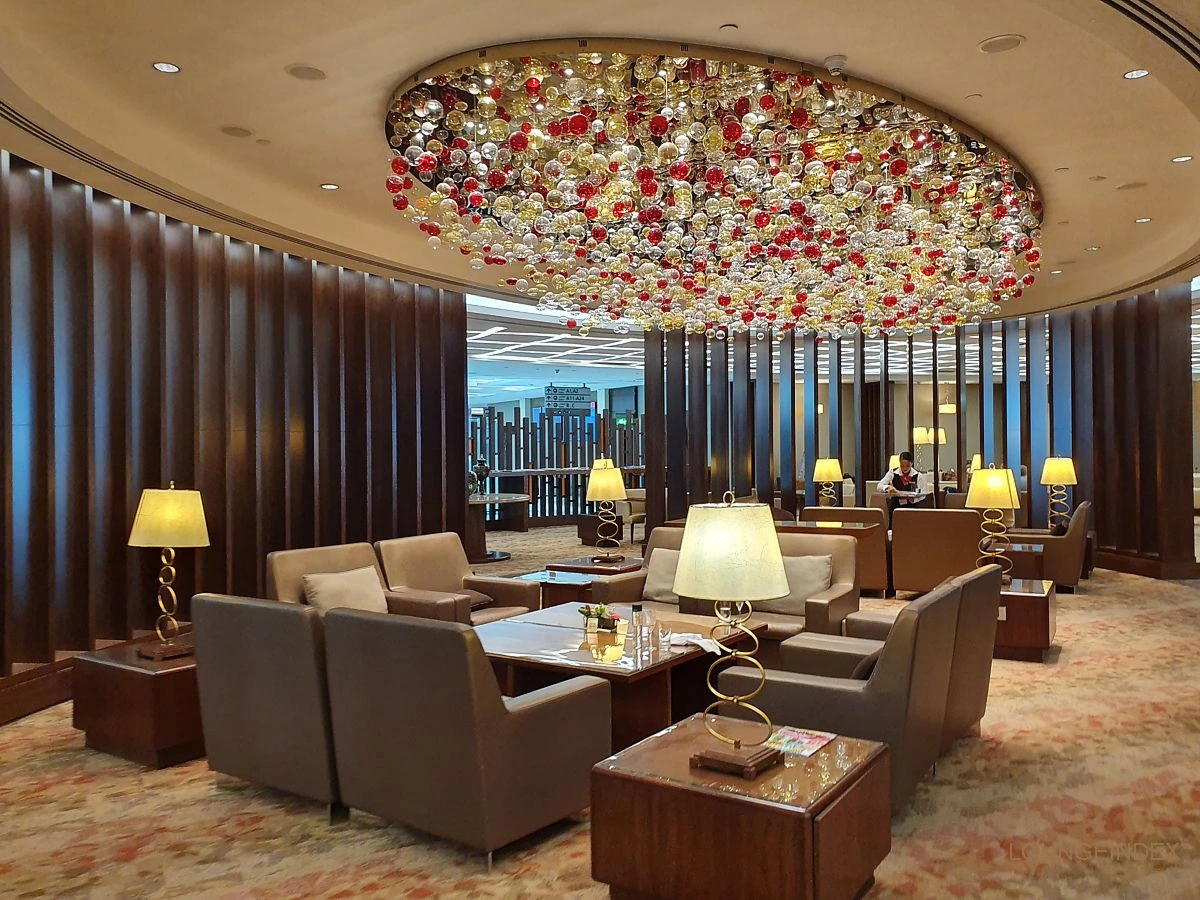
| Emirates | Emirates Business Lounge (DXB Concourse B) | On-site bar, shower spa, direct gate proximity | Quick turnarounds before A380 flights |
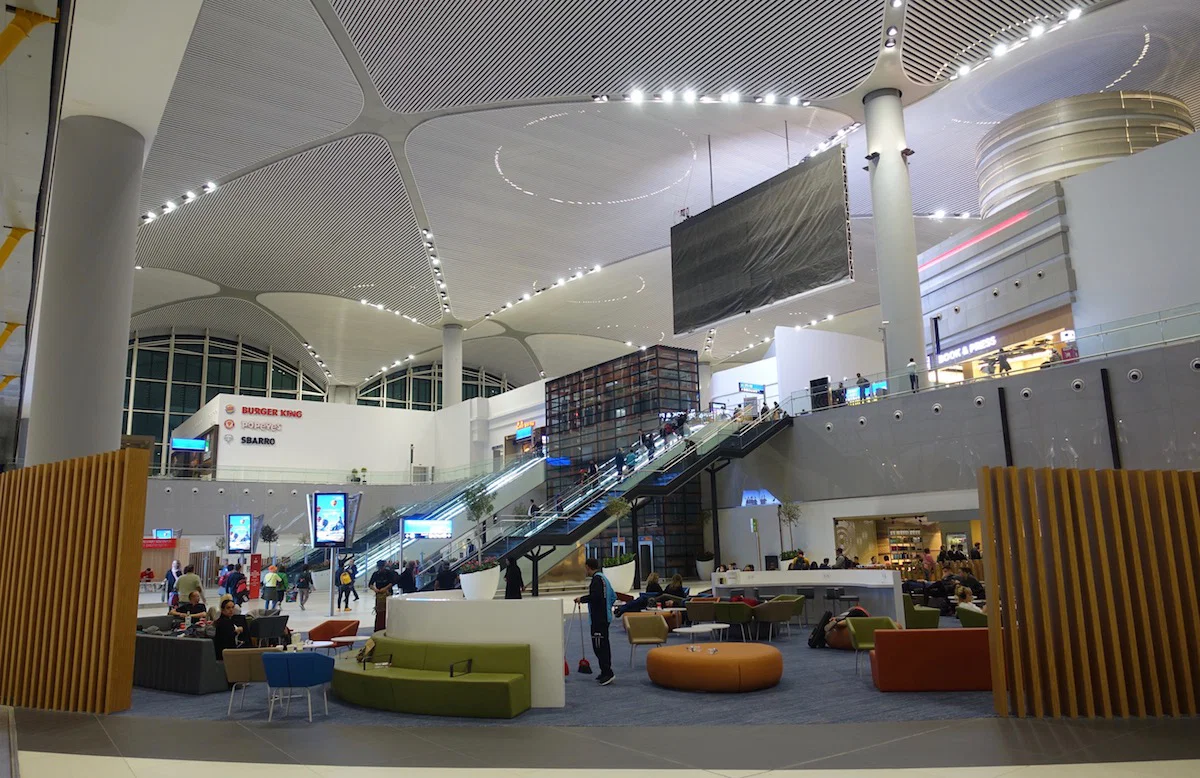
| Turkish Airlines | Istanbul Lounge (IST) | One of the largest airline lounges in the world, live cooking stations | Food-focused travelers, long connections |
| Delta Air Lines | Delta ONE Lounge (JFK, BOS, LAX) | Reservation-based dining, curated wine list | Premium domestic hub experience |
| United Airlines | Polaris Lounge (ORD, SFO, IAD) | Plated multi-course dining, shower suites | Star Alliance loyalists, U.S. hub travel |
If we had to pick one for a genuine "this changes how I feel about flying" moment, it's Al Mourjan. It's not close. Istanbul Lounge wins on sheer scale and food variety — the honey-and-cheese station alone is worth the layover — but Al Mourjan wins on quiet, service, and design coherence.
What's Actually In the Amenity Kit (And Why It Matters)
People get weirdly attached to amenity kits, and we get it — it's the tangible souvenir of the flight. Delta partners with Missoni and pairs it with premium bedding, which is a genuinely good mattress-pad-and-duvet combination on the A350 and A330-900neo Delta One Suite. United uses Therabody kits alongside its Saks Fifth Avenue bedding program. Both are solid. Neither is transformative.
What actually moves the needle is service design, not swag. Qatar's Qsuite lets couples slide the center divider down for a companion suite — genuinely useful for couples flying together, and something no amenity kit can replicate. Turkish Airlines puts an actual chef on select routes to prepare Turkish dishes to order mid-flight, which beats any kit contents by a wide margin. Emirates skips the elaborate kit narrative and instead gives every business class seat its own mini-bar — a small, smart touch that says more about the airline's priorities than a leather dopp kit ever could.
Our opinion, unhedged: skip picking an airline based on kit contents. Pick based on seat privacy and food service, then treat the kit as a nice bonus.
Seat Privacy: Sliding Doors vs. Open Suites
The sliding door changed business class more than any lounge renovation ever will. Qatar's Qsuite was first to bring a fully enclosed suite with a door to the category, and Delta followed with the Delta One Suite on the A350 and A330-900neo — both now compete directly with what used to be first-class-only privacy. United's Polaris seat gives you direct aisle access in a 1-2-1 layout, which solves the "climbing over your seatmate" problem, but there's no door — just a shell and a partition.
Emirates and Turkish Airlines run open 1-2-1 lie-flat configurations without enclosure. That's not a knock — Emirates' A380 upper deck with the onboard bar is still one of the most enjoyable ways to spend eight hours in the sky — but if privacy during a redeye is your top priority, the door matters more than the bar.
A quick, specific data point worth knowing: the Delta One Suite on the A350 measures roughly 27 inches wide with a fully flat 80-inch bed — genuinely comparable to international first class from a decade ago. Qsuite's dimensions vary slightly by configuration, but the enclosed quad-suite option (four seats convert into a private space for two couples or a family of four) has no real competitor at the moment.
Route Spotlight: New York to Istanbul and New York to London
Two routes come up constantly in client conversations, and they illustrate the access-versus-price tradeoff well.
New York to Istanbul on Turkish Airlines runs $2,200 to $5,500 round-trip in business class, and the value case is strong: you get the lie-flat seat, the in-flight chef service on eligible routings, and on the Istanbul leg, access to one of the largest lounges in the world for a long layover before continuing to Europe, the Middle East, or Asia. If chauffeur service is available in your market — Turkish offers it in many U.S. cities — that's a car both to JFK and from IST, which quietly saves two to three hours of logistics on a long trip.
New York to London spans four carriers — British Airways, American, Virgin Atlantic, and Delta — priced from $2,149 to $5,500. This is the route where shopping matters most, because the product gap between a $2,149 fare and a $5,500 fare on the same city pair can be enormous. A Delta One Suite booking on this route gets you the sliding door and Delta ONE Lounge access at JFK; a lower-tier business fare on a partner carrier might land you in a shared lounge with none of that.
This is exactly the kind of routing decision where CEOFLIGHTS earns its fee — we're not booking whatever's cheapest, we're booking the fare class that protects lounge access and seat type, often for less than travelers find searching solo.
Lounge Etiquette Nobody Tells You
A few rules, learned the hard way by clients over the years. Book your shower suite the moment you enter the lounge — Polaris and Delta ONE Lounge showers run out of slots by mid-morning on transatlantic departure banks. If a lounge has a reservation-based dining room, like the newer Delta ONE Lounges, put your name down immediately; walking up 40 minutes before boarding usually means the buffet, not the kitchen.
Phone calls belong in designated phone booths or outside the lounge, full stop. Laptops are fine everywhere; video calls without headphones are not fine anywhere. And don't overload on the champagne before an eight-hour flight — the cabin altitude will amplify it more than you expect, and you'll sleep through the meal service you paid a premium fare to get.
Booking Smart: Getting Lounge Access Without Overpaying
This is the section that saves people money. Airlines will happily sell you a business class ticket that technically satisfies the cabin requirement while quietly excluding you from the flagship lounge, because the underlying fare class is discounted. The public rarely knows to check this. We do, because it's the job.
When we build a business class itinerary for a client — say, a New York–Istanbul roundtrip in the $2,200–$3,400 range or a New York–London booking under $2,800 — we're selecting the booking code that guarantees lounge access at the departure and connecting hub, not just whatever business fare shows up first in a search engine. That's the quiet value in using a dedicated agency instead of a generic booking site: the sticker price might look similar, but the access behind it often isn't.
If you're weighing Qsuite against Delta One Suite, or trying to figure out whether a $2,900 fare actually gets you into Al Mourjan or the Polaris Lounge, call our desk before you book anything. CEOFLIGHTS builds these itineraries every day, and we know which fare codes protect the lounge access that makes the ticket worth the price. Reach us at (888) 851 6897 and we'll walk the route, the seat, and the lounge access together — before you spend a dollar.
