



EVA Air vs China Airlines Business Class — Full Comparison
| Feature | EVA Air | China Airlines |
|---|---|---|
| Product Name | Royal Laurel Class | Business Class |
| Seat Type | 1-2-1 reverse herringbone lie-flat on 787-10 | 1-2-1 reverse herringbone on A350 |
| Alliance | Star Alliance | SkyTeam |
| Primary Hubs | TPE | TPE |
| US Gateways | JFK, LAX, SFO, SEA | JFK, LAX, SFO, HNL |
| Top Destinations | Taipei, Bangkok, Tokyo | Taipei, Tokyo, Bangkok |
| CEOFLIGHTS Savings | Up to 40% | Up to 40% |
EVA Air
China Airlines
Taiwan's two flagship carriers, EVA Air and China Airlines, both operate out of Taipei Taoyuan (TPE) and compete fiercely for the same premium travelers connecting the United States to East Asia. For flyers weighing EVA Air's Royal Laurel Class against China Airlines' Business Class, the decision often comes down to alliance loyalty, seat generation, and route timing rather than a dramatic quality gap — both are excellent, but they win in different ways. EVA Air has built a global reputation as one of the finest business class products flying, while China Airlines offers a comparably strong hard product at frequently sharper pricing. Understanding the nuances between the two is essential before booking a long-haul segment through Taipei.
How Do the Seats Compare?
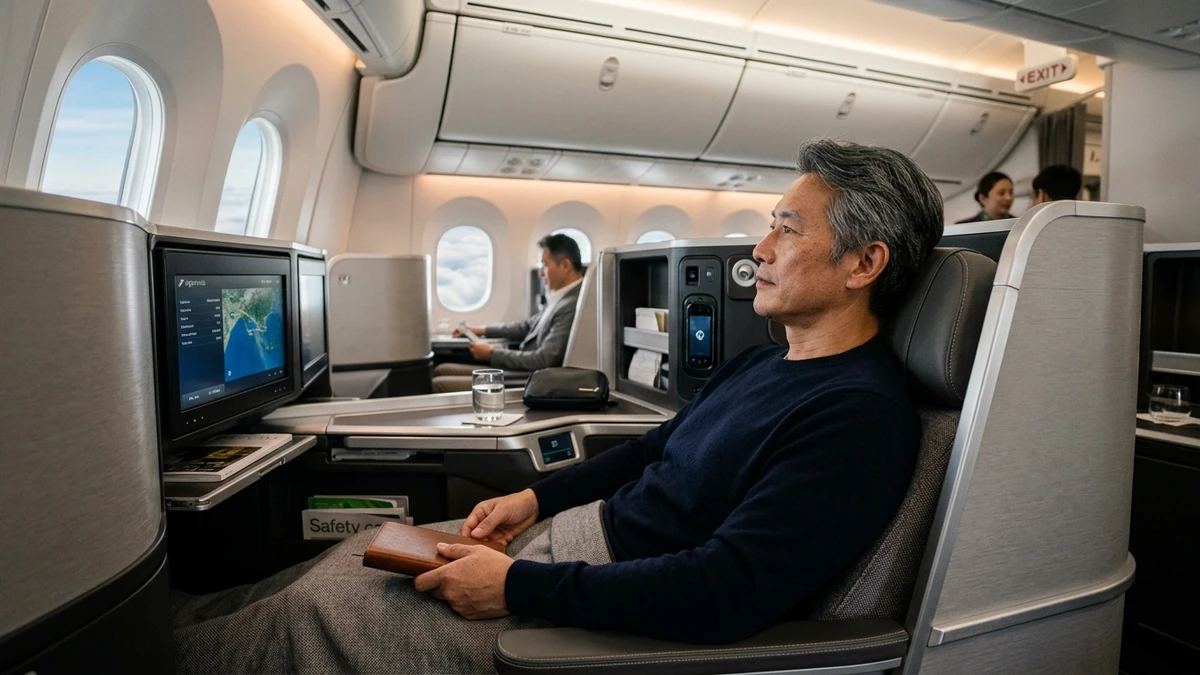
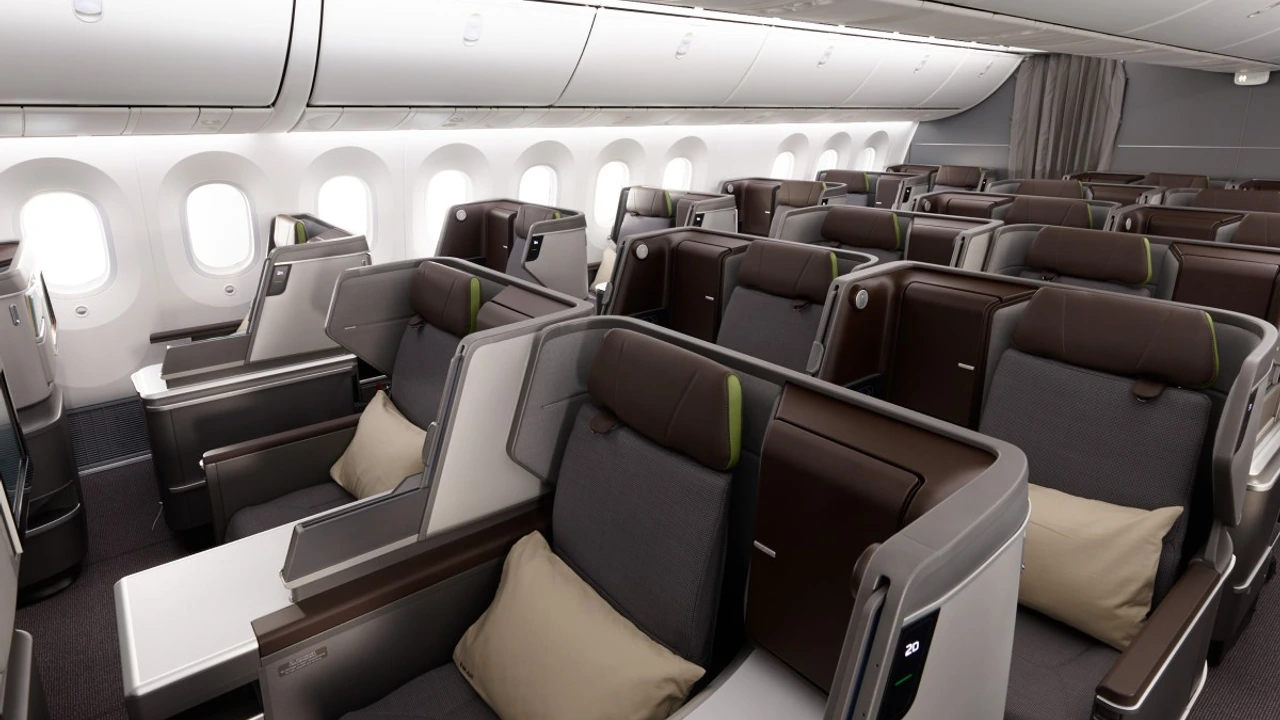
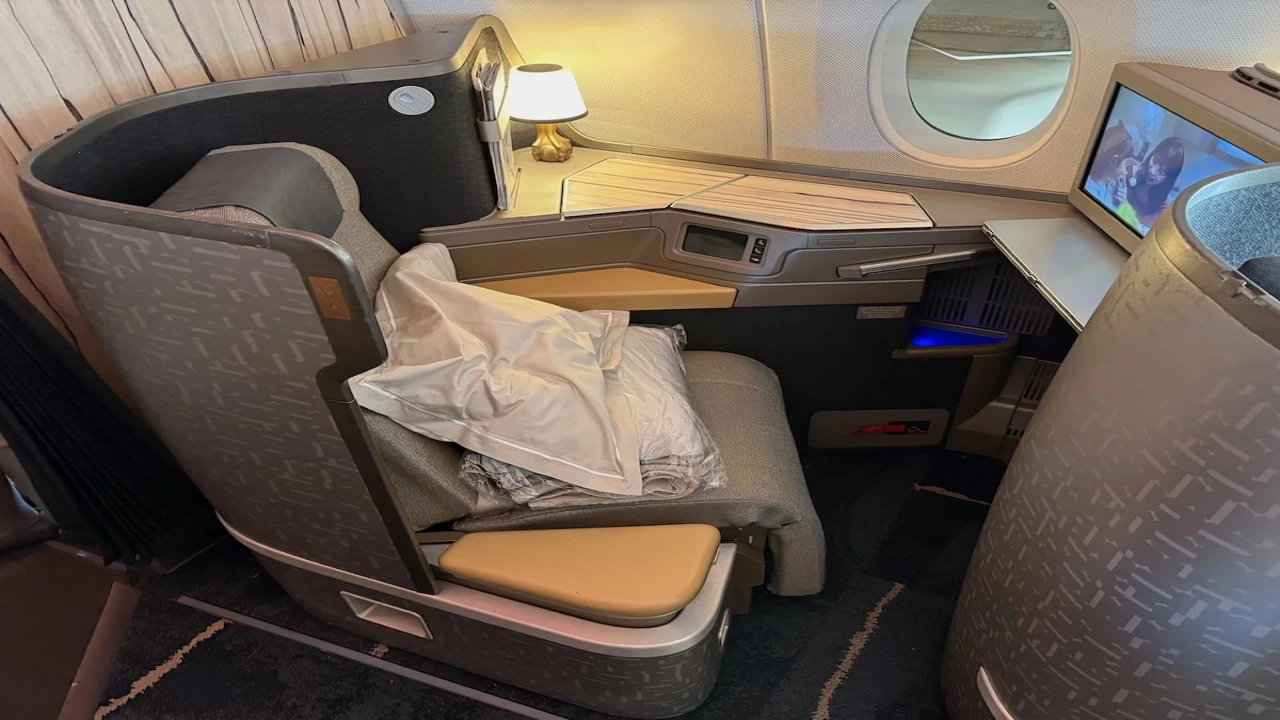
On the hardware, EVA Air's Royal Laurel Class stands out with its 1-2-1 reverse herringbone configuration on the Boeing 787-10 and 777 fleets, giving every passenger direct aisle access, generous privacy shells, and a fully lie-flat bed with plush, hotel-grade bedding. China Airlines counters with its own 1-2-1 reverse herringbone seating aboard its A350 fleet, a genuinely modern and comfortable layout that matches EVA's spatial logic almost seat-for-seat. The practical difference is fleet consistency: EVA has rolled the reverse herringbone product across more of its long-haul aircraft, while China Airlines' best experience is concentrated on the A350, meaning older aircraft on certain China Airlines routes may not match the same standard. Both beds are fully flat and suitable for red-eye sleeping, but EVA's Maison Kitsuné amenity kits and refined bedding give it a slight edge in perceived luxury.
What About Dining & Service?
EVA Air
China Airlines
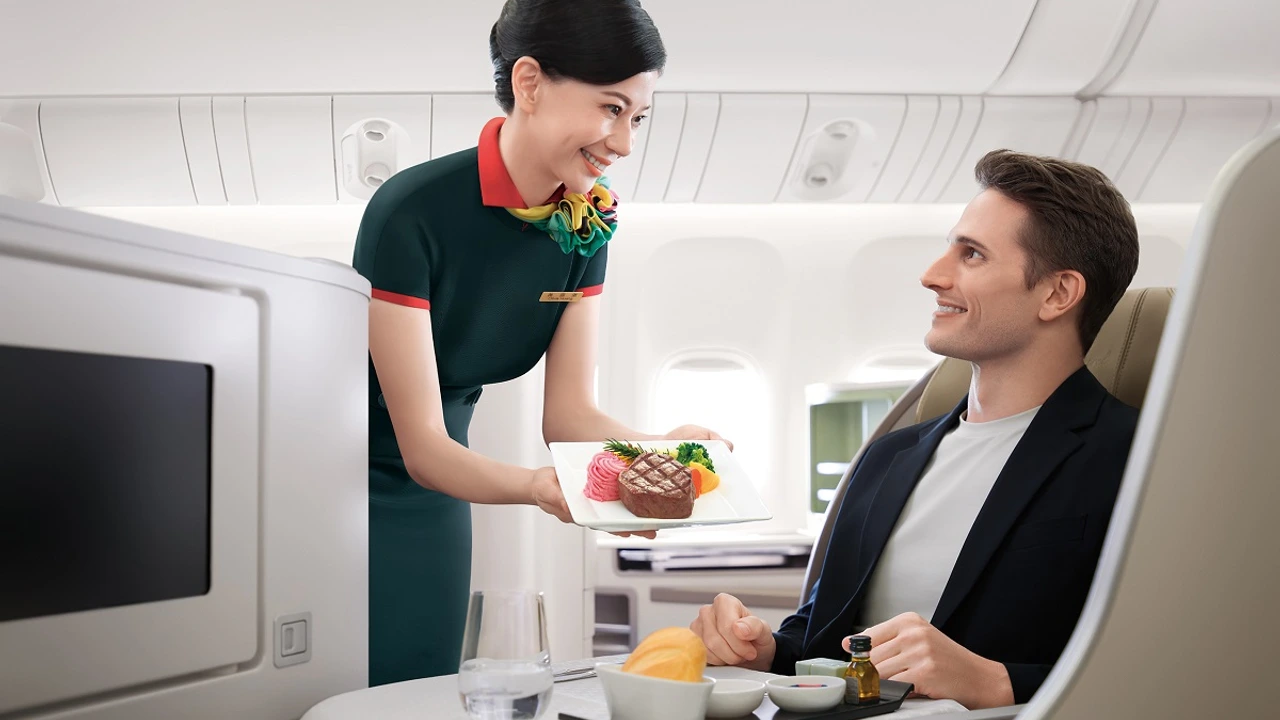
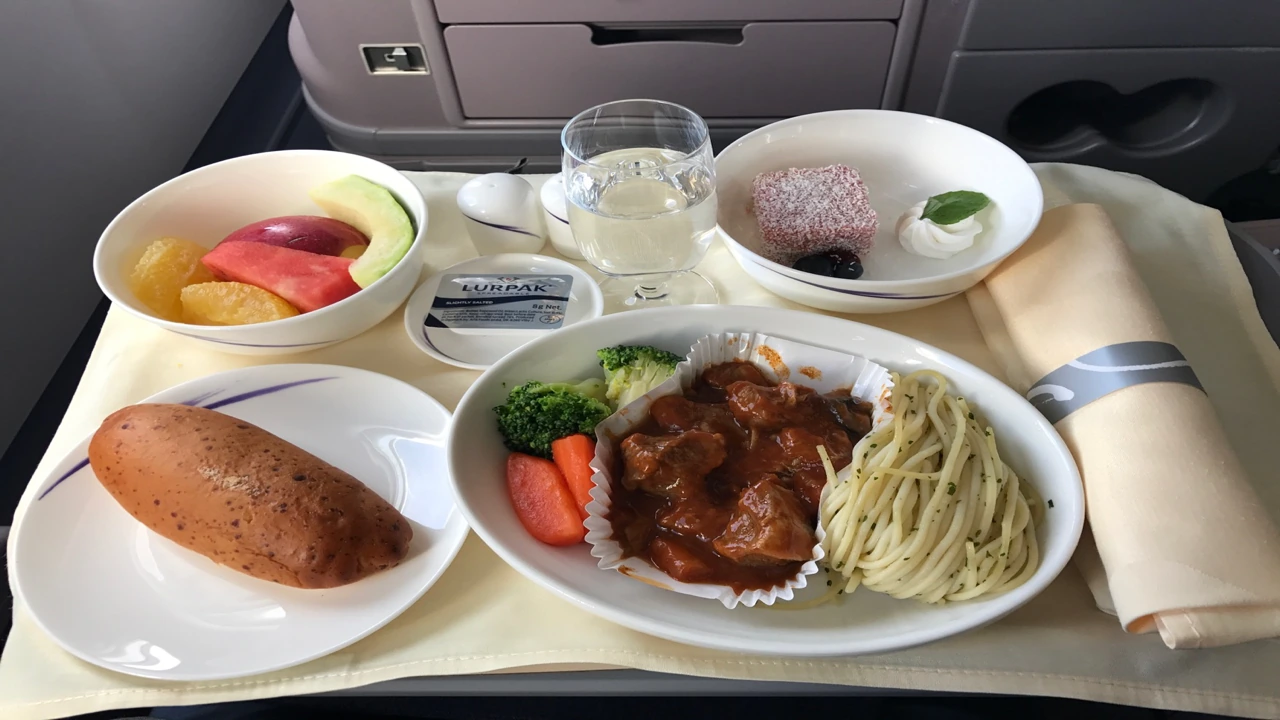
Dining is where both carriers lean heavily into Taiwanese identity, and travelers rarely leave hungry. EVA Air presents an elevated blend of Taiwanese and international cuisine with white-tablecloth presentation and a curated wine list, while China Airlines emphasizes Taiwanese fusion dishes that highlight regional ingredients with a slightly more casual, comfort-forward approach. Crew culture on both airlines is warm, attentive, and distinctly Taiwanese in its hospitality style — soft-spoken, detail-oriented, and consistent. EVA Air's service tends to feel marginally more polished and premium-oriented, a reputation reinforced by years of top-tier international awards, while China Airlines' crews are praised for genuine warmth and efficiency, particularly on the transpacific long-haul sectors.
How Do the Airport Lounges Compare?
EVA Air
China Airlines
Both carriers share the same home hub in Taipei Taoyuan, which means the ground experience often hinges on lounge access rather than airport quality.
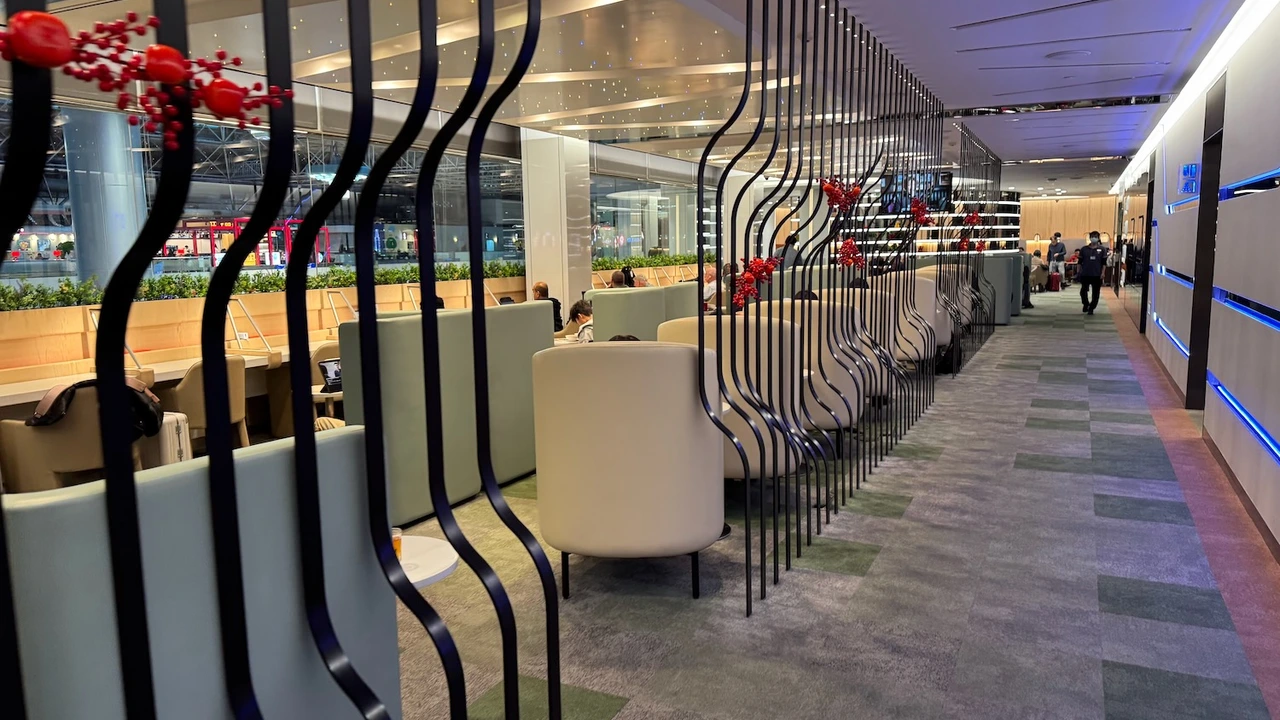
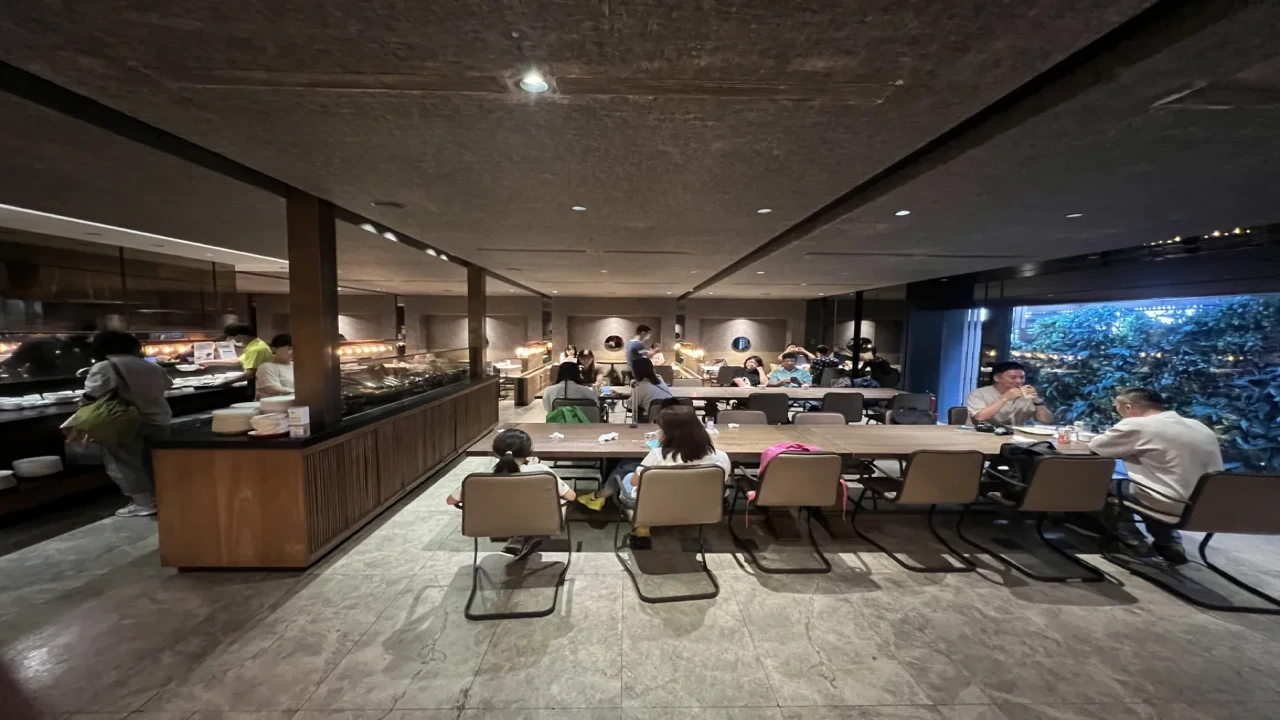
Both carriers share the same home hub in Taipei Taoyuan, which means the ground experience often hinges on lounge access rather than airport quality. EVA Air passengers enjoy access to the airline's own well-regarded lounges at TPE, known for hot noodle bars and quiet, spacious layouts. China Airlines' Dynasty Lounges at TPE offer a similarly comfortable pre-flight experience with strong dining options and shower suites. On the US side, both airlines depart from major gateways including JFK, LAX, and SFO, with EVA Air adding Seattle, Chicago, and Houston, and China Airlines uniquely offering a Honolulu gateway — a meaningful advantage for travelers connecting through Hawaii.
Network and alliance affiliation is where the two carriers diverge most meaningfully for US-based flyers. EVA Air belongs to Star Alliance, making it a natural fit for travelers holding United MileagePlus status or seeking to route through the world's largest airline alliance network. China Airlines is a SkyTeam member, aligning well with Delta SkyMiles loyalists and offering complementary connections through Delta's transpacific network. Both airlines route heavily through Taipei to destinations like Bangkok, Tokyo, Hong Kong, and Singapore, making TPE a genuinely useful secondary hub for Southeast Asia itineraries regardless of which carrier a traveler chooses.
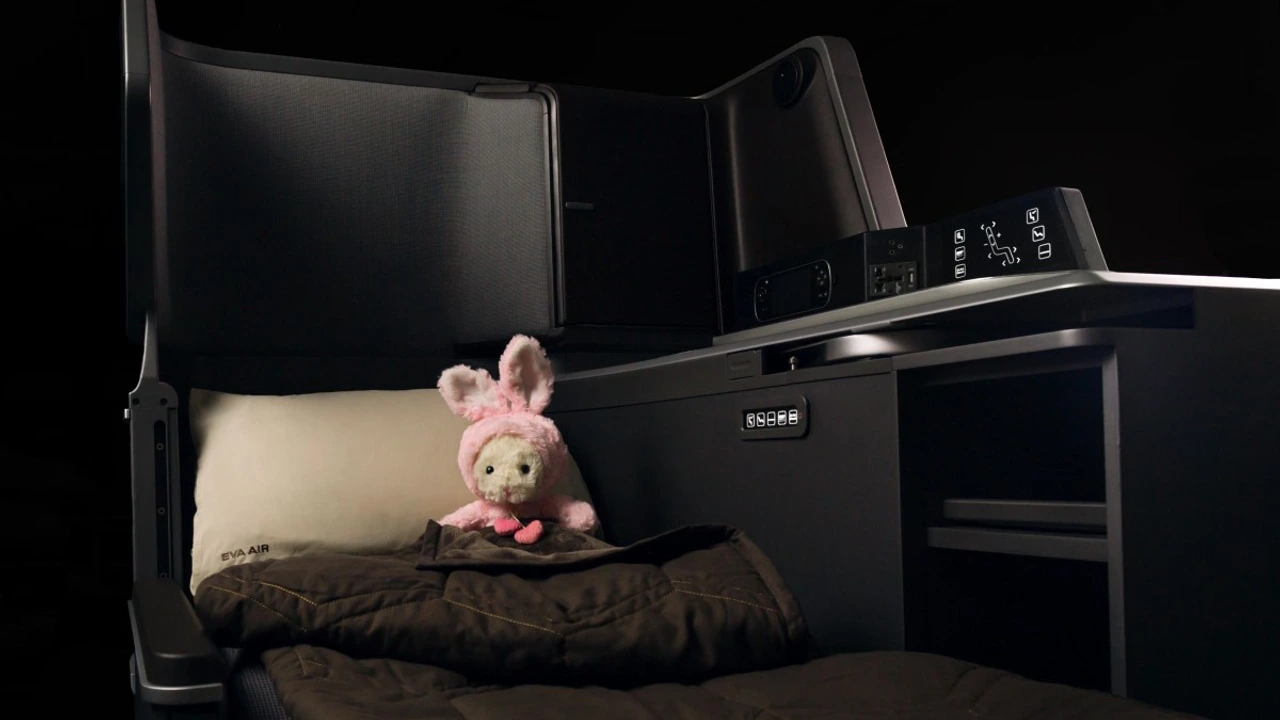
For travelers ready to book either airline, CEOFLIGHTS® offers private business class fares on both EVA Air and China Airlines at savings of up to 40 percent off published rates. Rather than navigating alliance charts and fare classes alone, travelers can call (888) 851 6897 to speak with a dedicated Personal Travel Manager who can compare live Royal Laurel and China Airlines Business Class availability, match the routing to loyalty preferences, and secure the strongest fare available for the specific travel dates.
Book Your Premium Cabin Today
✅ Choose EVA Air If You Value
- Royal Laurel reverse herringbone on 787-10 and 777
- Maison Kitsuné amenity kit and premium bedding
- Taiwanese and international cuisine
- Star Alliance connectivity via Taipei hub
✅ Choose China Airlines If You Value
- Reverse herringbone on A350 fleet
- Taiwanese fusion dining
- SkyTeam alliance partnerships
- Competitive pricing to Asia via Taipei
