




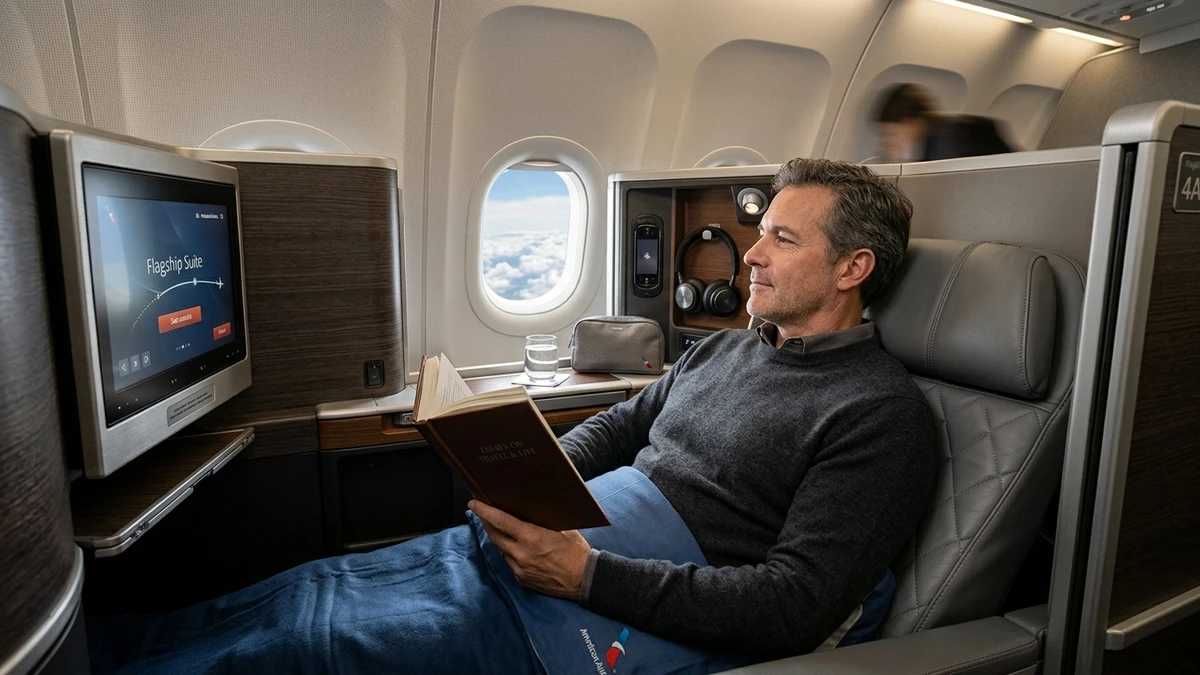
American Airlines vs United Airlines Business Class — Full Comparison
| Feature | American Airlines | United Airlines |
|---|---|---|
| Product Name | Flagship Suite | Polaris Business |
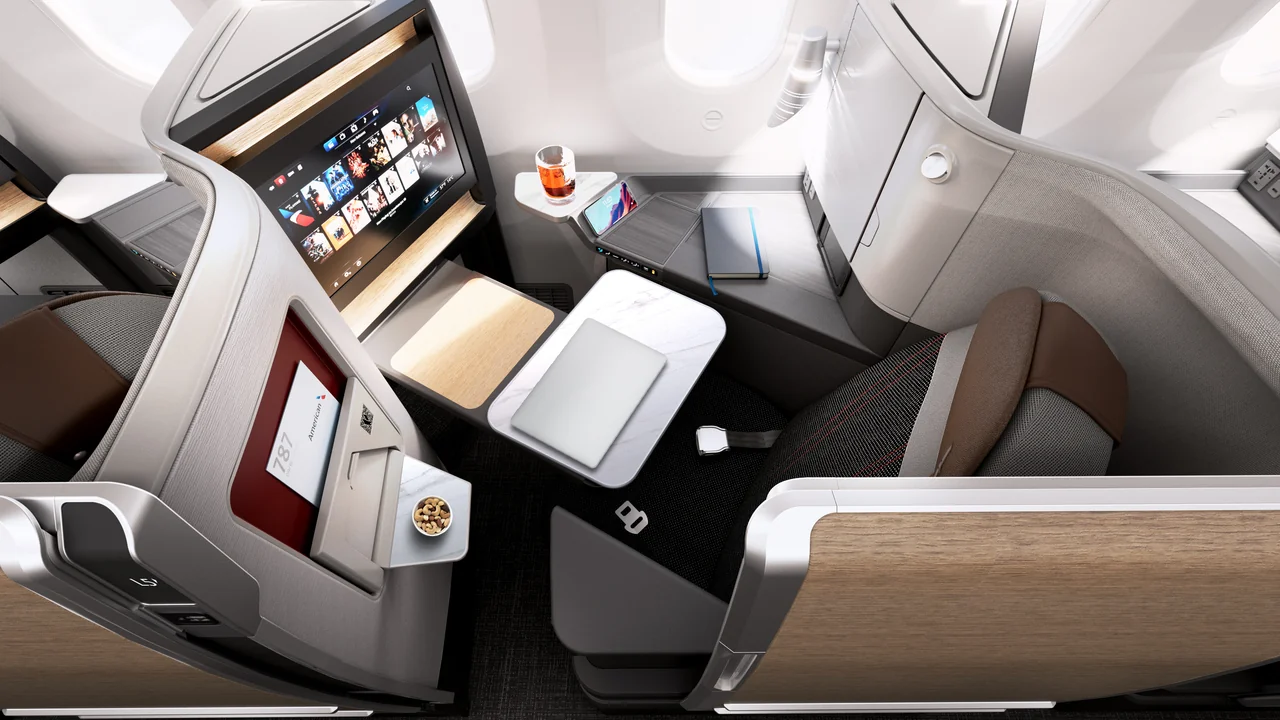
| Seat Type | 1-2-1 suite with privacy door on select aircraft | 1-2-1 direct aisle access lie-flat seat |
| Alliance | oneworld | Star Alliance |
| Primary Hubs | DFW, CLT, MIA | EWR, IAH, ORD |
| US Gateways | DFW, JFK, MIA, ORD | EWR, SFO, IAH, ORD |
| Top Destinations | London, Tokyo, Hong Kong | London, Frankfurt, Tokyo |
| Cabin Specifications | ||
| Privacy Door | ❌ None | ❌ None |
| Bed Length | 79" | 78" |
| Seat Width | 21" | 22" |
| IFE Screen | 17" | 19" 4K |
| Wi-Fi | Paid | Paid |
| Dining Style | Multi-course Service | Multi-course Service |
| Champagne | Lanson Black Label | Laurent-Perrier |
| Amenity Kit | Raven + Lily | Therabody |
| Pyjamas | ✅ Yes | ✅ Yes |
| Hub Lounge | Flagship Lounge (DFW/MIA/JFK) | United Polaris Lounge (ORD/EWR/SFO) |
| Chauffeur Drive | Not Available | Not Available |
| CEOFLIGHTS Savings | Up to 40% | Up to 40% |
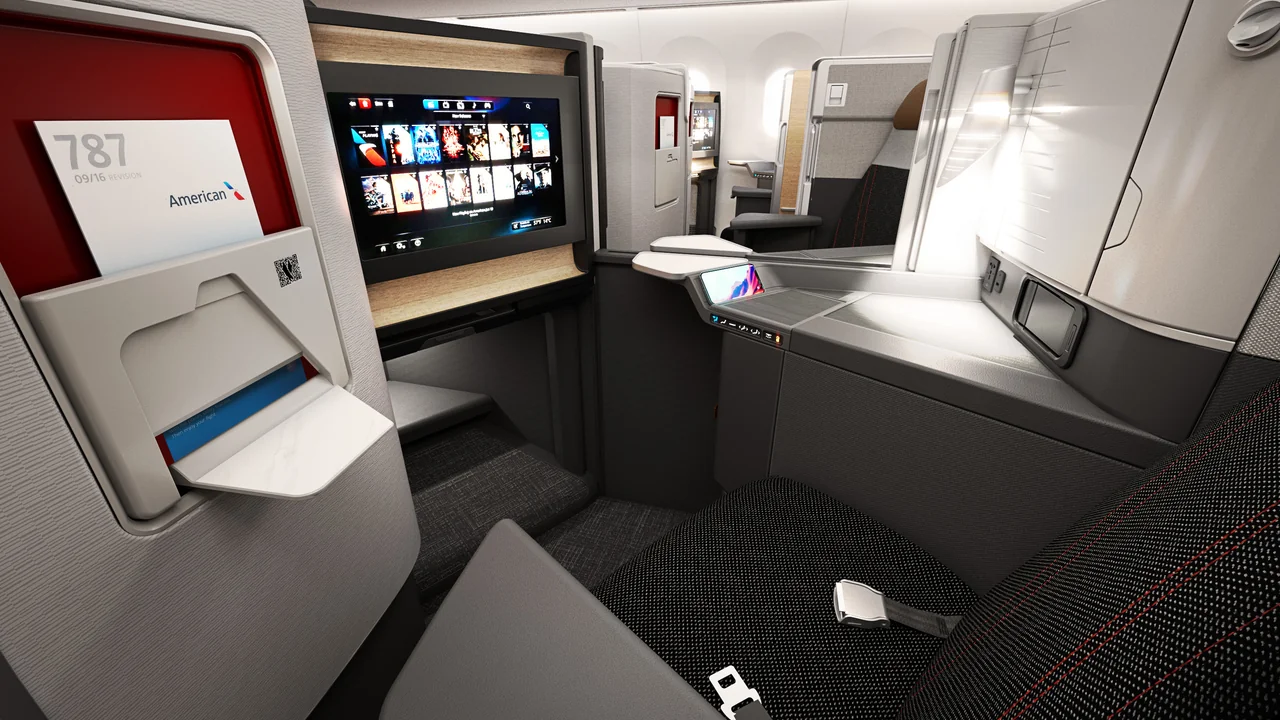
American Airlines
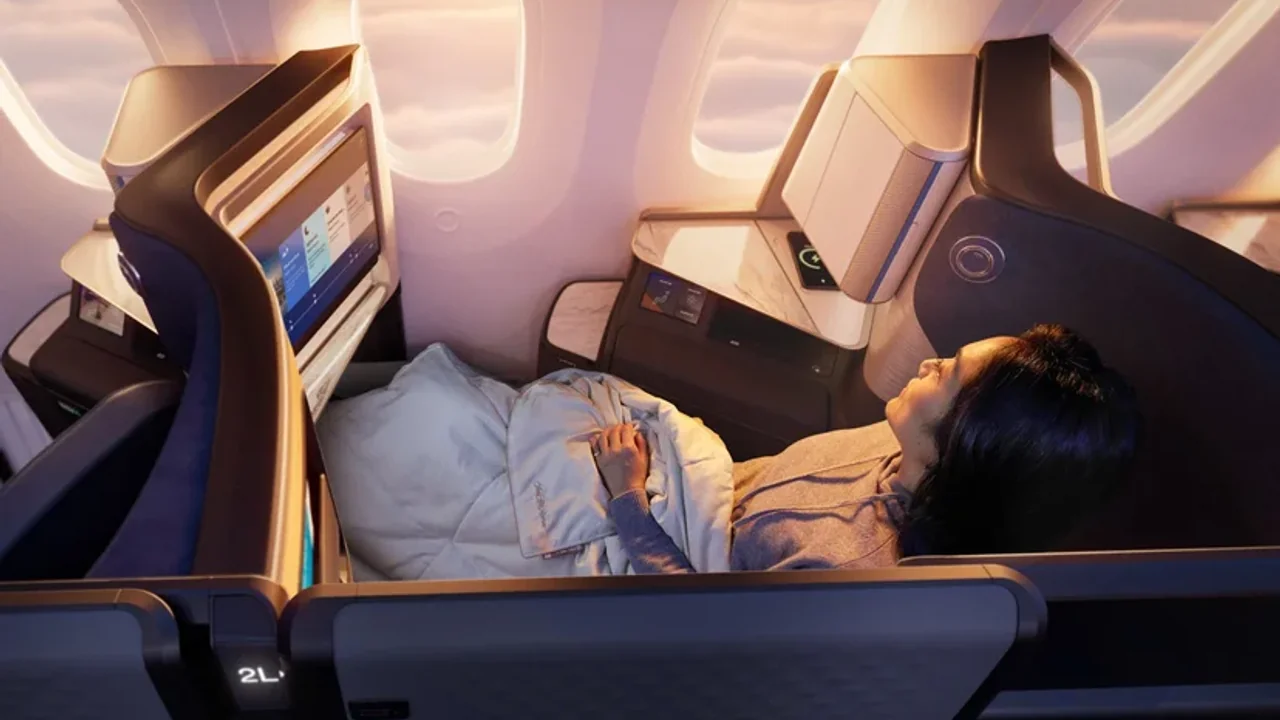
United Airlines
For business class travelers weighing America's two largest global carriers, the choice between American Airlines and United Airlines often comes down to seat privacy versus network breadth. American's Flagship Suite, with its closing door on select aircraft, appeals to travelers who prioritize a private, cocoon-like experience. United's Polaris Business, with its consistent direct-aisle-access lie-flat seat across a broader swath of its widebody fleet, appeals to those who want reliable, predictable comfort on nearly every long-haul route. Both are oneworld and Star Alliance flagships respectively, and both are bookable through CEOFLIGHTS® at meaningfully discounted private fares, which changes the calculus for many flyers who might otherwise default to loyalty alone.
How Do the Seats Compare?
On the hard product, American's Flagship Suite stands out for its 1-2-1 configuration with a closing privacy door, currently available on the A321XLR and the 777-300ER fleet (rollout in progress), giving it an edge in true seat privacy comparable to international carriers. United counters with Polaris Business, also a 1-2-1 layout, but with universal direct aisle access across its entire widebody long-haul fleet — Boeing 777s, 787s, and beyond — meaning consistency is United's strength even without a door. Both offer genuine lie-flat beds, but American's suite feels more like a private cabin-within-a-cabin, while United's Polaris seat prioritizes uniform quality over exclusivity.
What About Dining & Service?
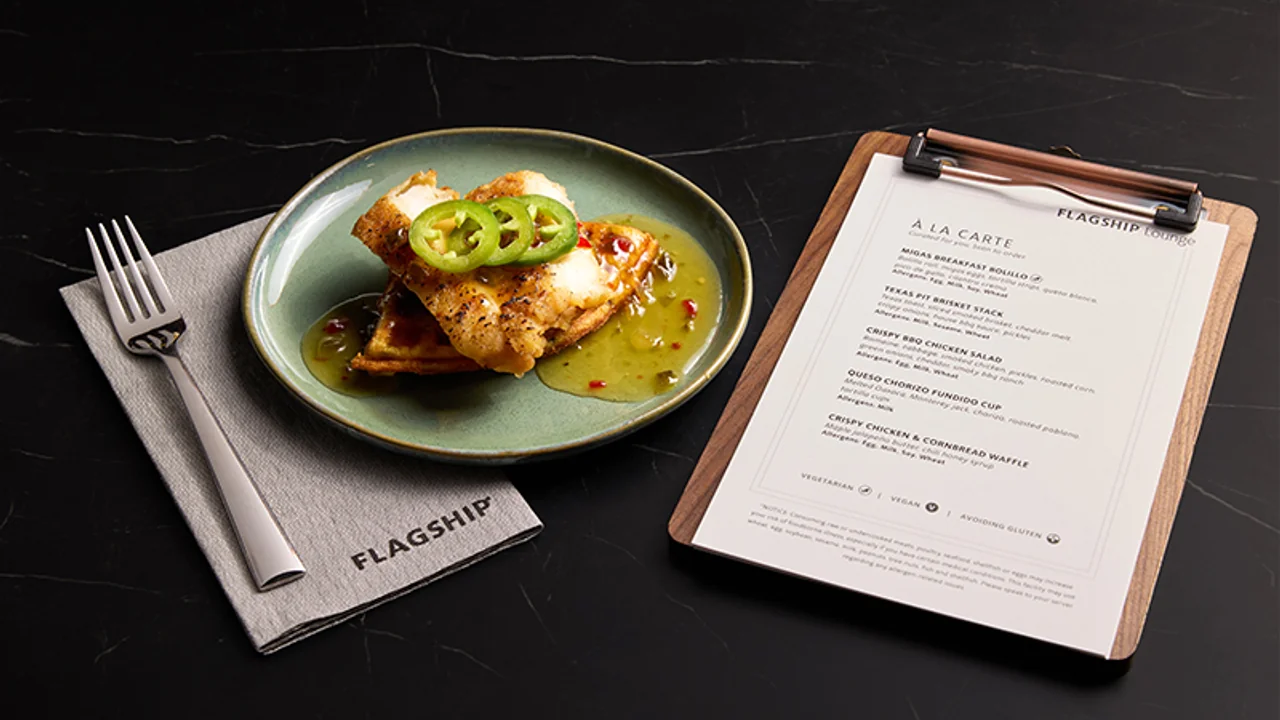
American Airlines

United Airlines
In the cabin, American leans on Bamford-designed bedding and a multi-course Flagship dining program that has drawn praise for elevated plating and wine selections on select long-haul routes. United's Polaris service includes Therabody-branded amenity kits and a Saks Fifth Avenue-curated bedding collection, paired with a service culture that has been steadily refined since the Polaris relaunch. Crew service on both carriers can vary by route and aircraft, but American's dining tends to skew slightly more restaurant-inspired, while United's beverage and course pacing on transatlantic and transpacific flights is generally well-regarded by frequent flyers on both sides of the debate.
How Do the Airport Lounges Compare?

American Airlines

United Airlines
Ground experience is where hub geography matters most.
Ground experience is where hub geography matters most. American's Flagship Lounges at hubs like DFW, MIA, PHL, and PHX offer sit-down dining and dedicated pre-flight service, complementing its wider gateway network including JFK, ORD, and LAX. United's Polaris Lounges, concentrated at EWR, ORD, SFO, IAD, and its Houston and Denver hubs, are frequently cited among the best domestic business lounges for design and food quality. Neither airline's ground experience is universally superior — it depends heavily on which hub a traveler departs from, so route planning matters as much as brand preference.
Network-wise, American's oneworld affiliation and hub structure at DFW, CLT, MIA, PHL, and PHX support strong routing to London, Tokyo, Hong Kong, Paris, Madrid, and São Paulo, making it a strong choice for travelers connecting through Latin America or classic European gateways. United's Star Alliance network and hubs at EWR, IAH, ORD, SFO, IAD, and DEN provide deep reach into Frankfurt, Tokyo, Sydney, Tel Aviv, and Delhi, giving it an edge for travelers headed to Asia-Pacific or the Middle East via a wider spread of connecting cities. For US-based flyers, alliance loyalty and connection convenience should weigh heavily on which carrier wins out for a specific itinerary.
Ultimately, both American Airlines and United Airlines represent credible, premium choices for international business class, and the better airline often depends on your departure city and destination rather than brand alone. What's consistent is the opportunity: both carriers are available through CEOFLIGHTS® private fares, with savings of up to 40% off standard business class pricing. Travelers can call (888) 851 6897 to speak with a dedicated Personal Travel Manager who can compare live fares across both American and United for a specific route, ensuring the seat, service, and price all align with the traveler's priorities.
Category Winner Breakdown
We compare the hard product across 3 key metrics — privacy, sleeping comfort, seat space, dining, entertainment, and connectivity — so you can see which airline leads where it matters to you.
Book Your Premium Cabin Today
✅ Choose American Airlines If You Value
- Flagship Suite with closing door on A321XLR and 777-300ERs (rollout in progress)
- Flagship Lounge access at major hubs
- Bamford bedding and multi-course Flagship dining
- Extensive oneworld partner network
✅ Choose United Airlines If You Value
- Polaris lie-flat seat with direct aisle access
- United Polaris Lounge at major hubs
- Therabody amenity kit and Polaris bedding
- Extensive Star Alliance connectivity
