




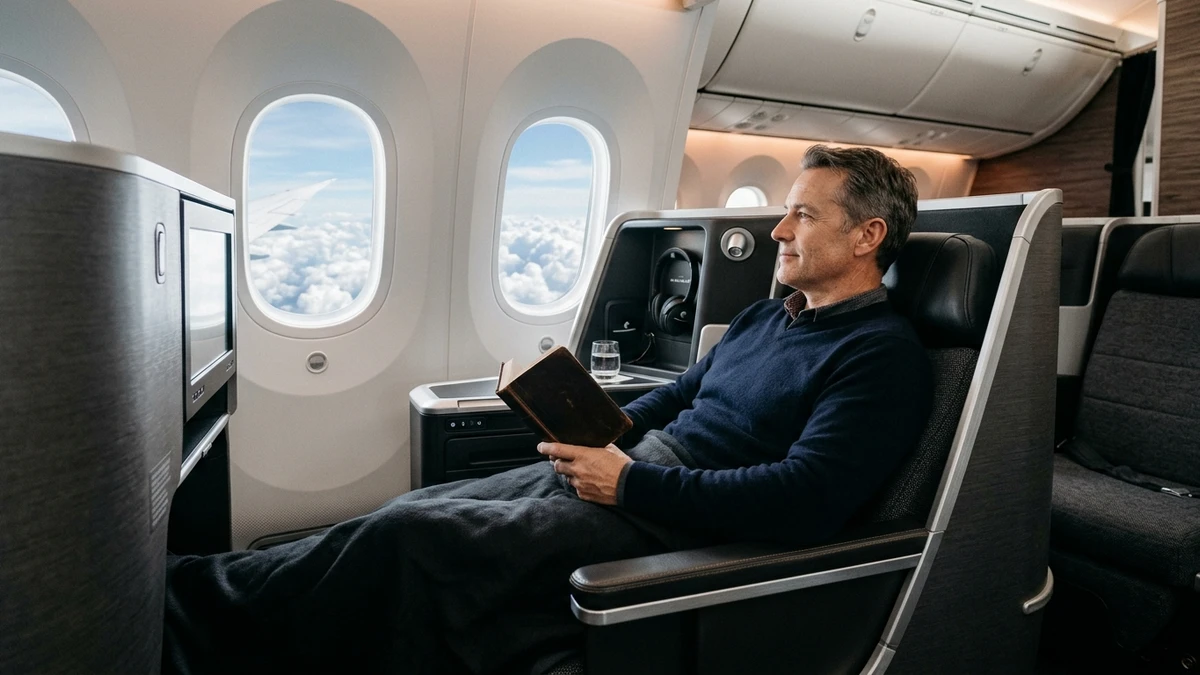
Air New Zealand vs United Airlines Business Class — Full Comparison
| Feature | Air New Zealand | United Airlines |
|---|---|---|
| Product Name | Business Premier | Polaris Business |
| Seat Type | 1-2-1 lie-flat herringbone on 787 Dreamliner | 1-2-1 direct aisle access lie-flat seat |
| Alliance | Star Alliance | Star Alliance |
| Primary Hubs | AKL | EWR, IAH, ORD |
| US Gateways | LAX, SFO, IAH, HNL | EWR, SFO, IAH, ORD |
| Top Destinations | Auckland, Wellington, Sydney | London, Frankfurt, Tokyo |
| CEOFLIGHTS Savings | Up to 40% | Up to 40% |
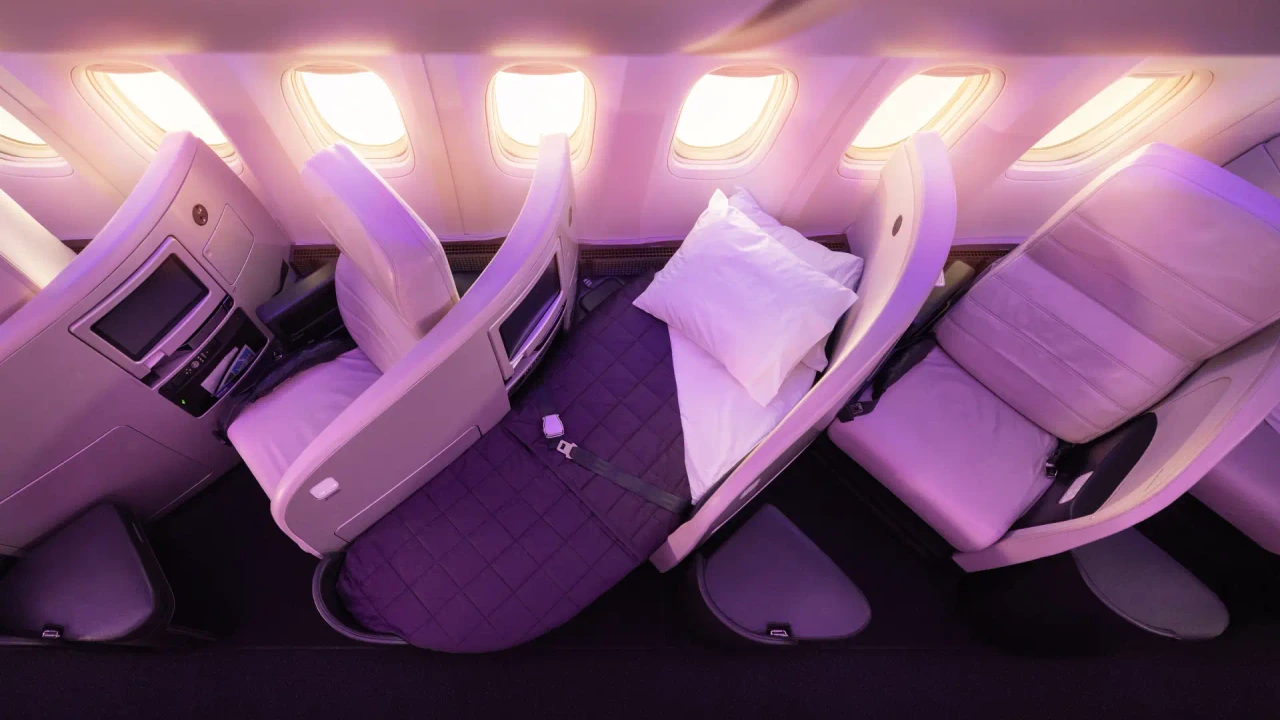
Air New Zealand
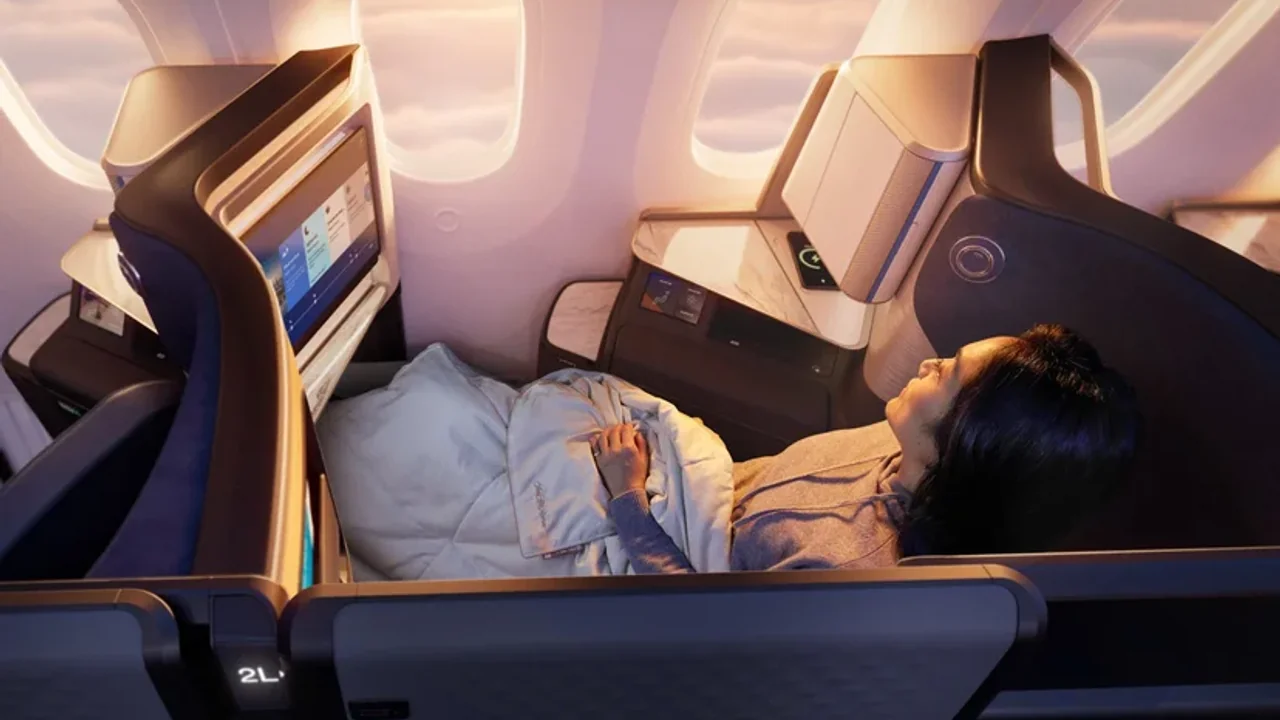
United Airlines
For business travelers weighing long-haul comfort against network reach, Air New Zealand and United Airlines represent two very different philosophies of premium travel. Air New Zealand is a boutique, destination-driven carrier whose Business Premier product is built almost entirely around the marathon flights between North America and the South Pacific. United, by contrast, is a global heavyweight whose Polaris Business cabin serves as the connective tissue for a vast international network spanning six continents. Both belong to Star Alliance, both fly the Boeing 787 on many long-haul routes, and both are bookable through CEOFLIGHTS® private fares — but the traveler profile each best serves is quite distinct.
How Do the Seats Compare?
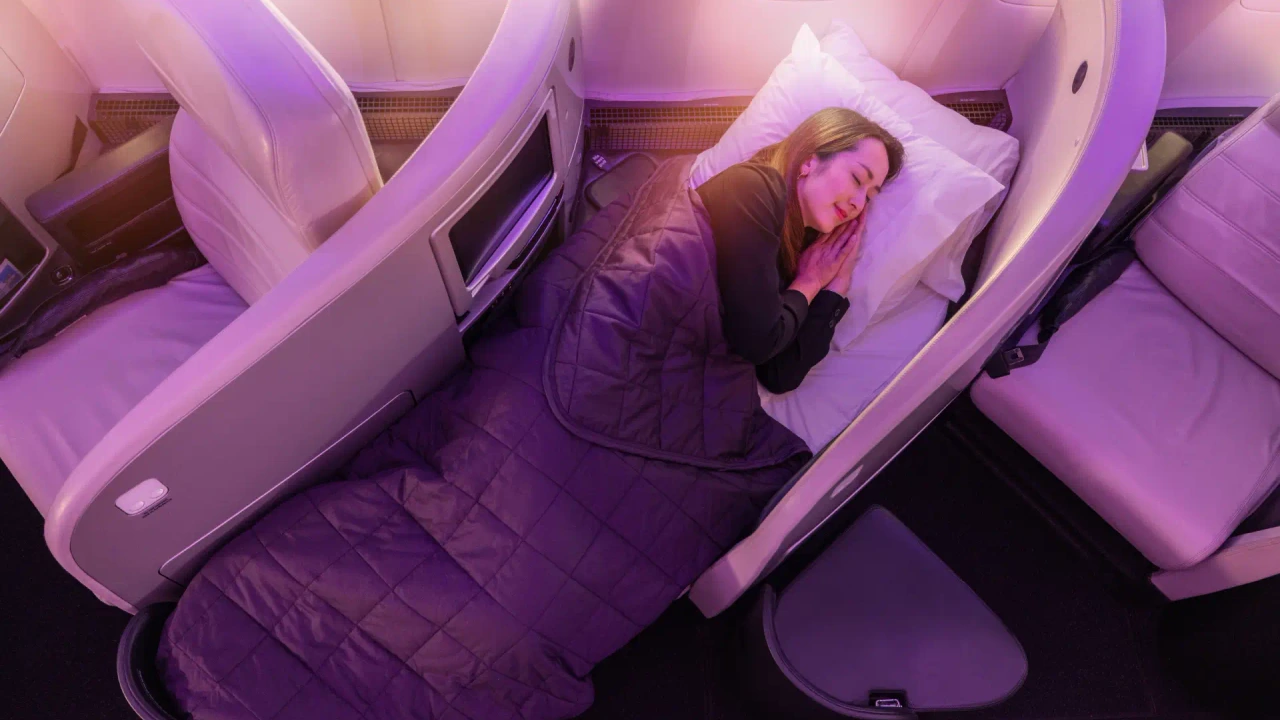
On the hard product, the two airlines are closer than their size difference suggests. Air New Zealand's Business Premier seat is a 1-2-1 herringbone lie-flat design on the 787 Dreamliner, angled slightly outward for privacy at the window and center pairs, with direct aisle access from every seat. United's Polaris seat is also configured 1-2-1 with guaranteed direct aisle access, but uses a more forward-facing, staggered layout that some flyers find offers a marginally more spacious bed and better storage at the seat. Air New Zealand's cabin feels more intimate given the airline's smaller widebody fleet, while United's Polaris seats, refreshed fleet-wide, offer slightly more consistent hard-product standardization across its larger jet family, including 777s and 787s. Both deliver a fully flat bed suitable for genuine sleep on ultra-long-haul sectors like Auckland–San Francisco or Newark–Delhi.
What About Dining & Service?
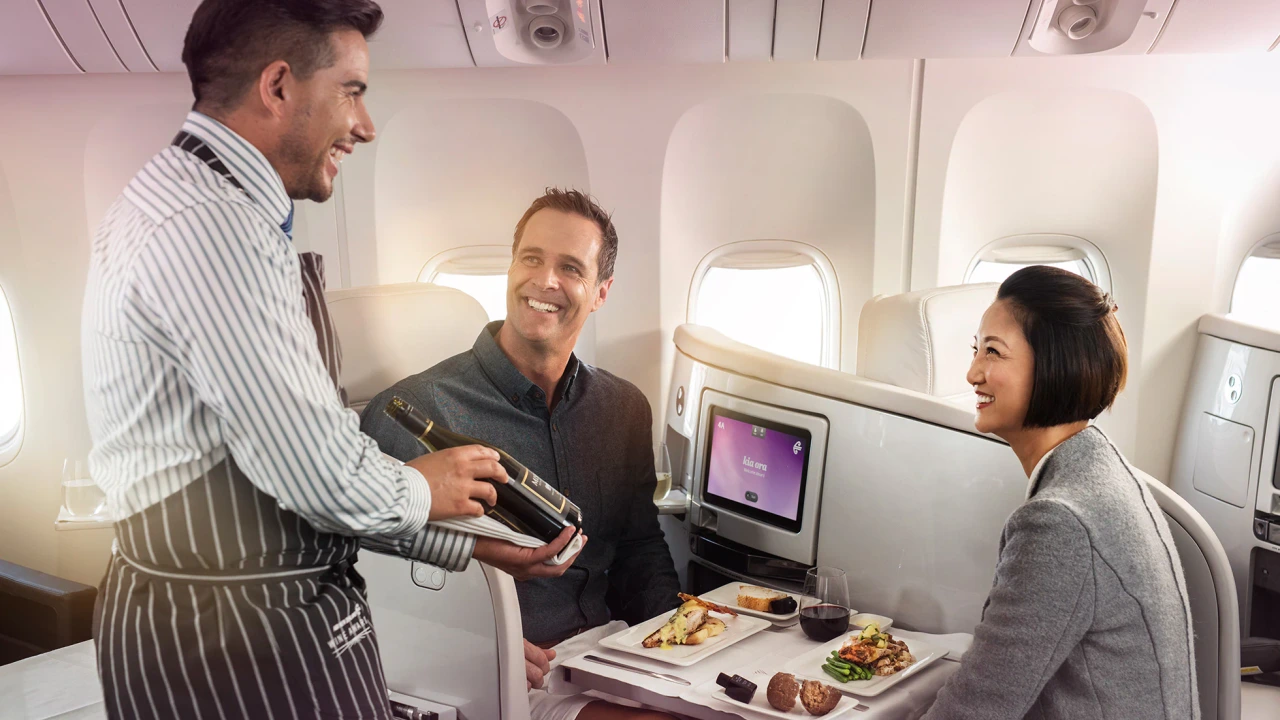
Air New Zealand

United Airlines
Where the two carriers diverge more noticeably is in dining and service culture. Air New Zealand leans heavily into its national identity, with Business Premier menus built around New Zealand lamb, seafood, and a wine list dominated by Marlborough sauvignon blancs and Central Otago pinot noirs — a genuinely regional, chef-curated experience that reviewers consistently single out. Service tends to be warm, relaxed, and personable, reflecting New Zealand's understated hospitality style. United's Polaris dining program is more internationally standardized, with multi-course meals, a curated wine list, and the addition of Therabody amenity kits and Polaris bedding designed by an in-house sleep specialist. United's crew culture varies more by hub and aircraft, delivering efficient, professional service that leans corporate rather than boutique.
How Do the Airport Lounges Compare?
Air New Zealand
United Airlines
Ground experience is where scale matters most.
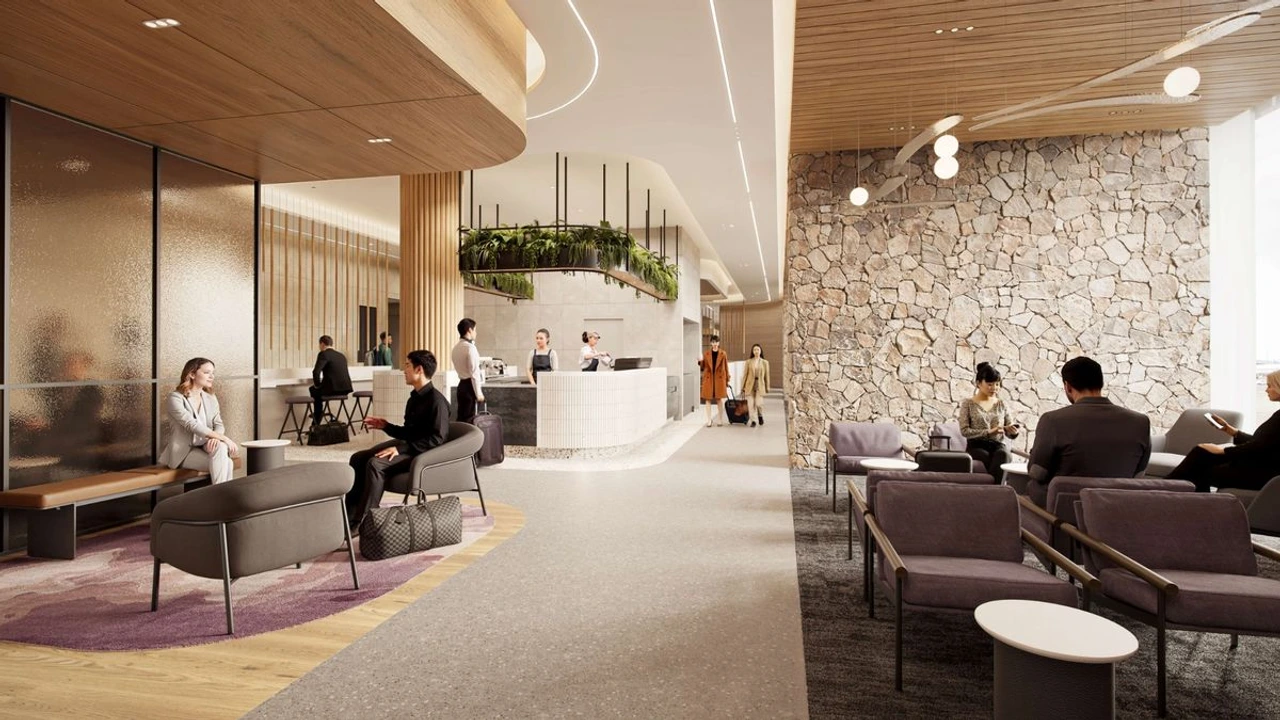
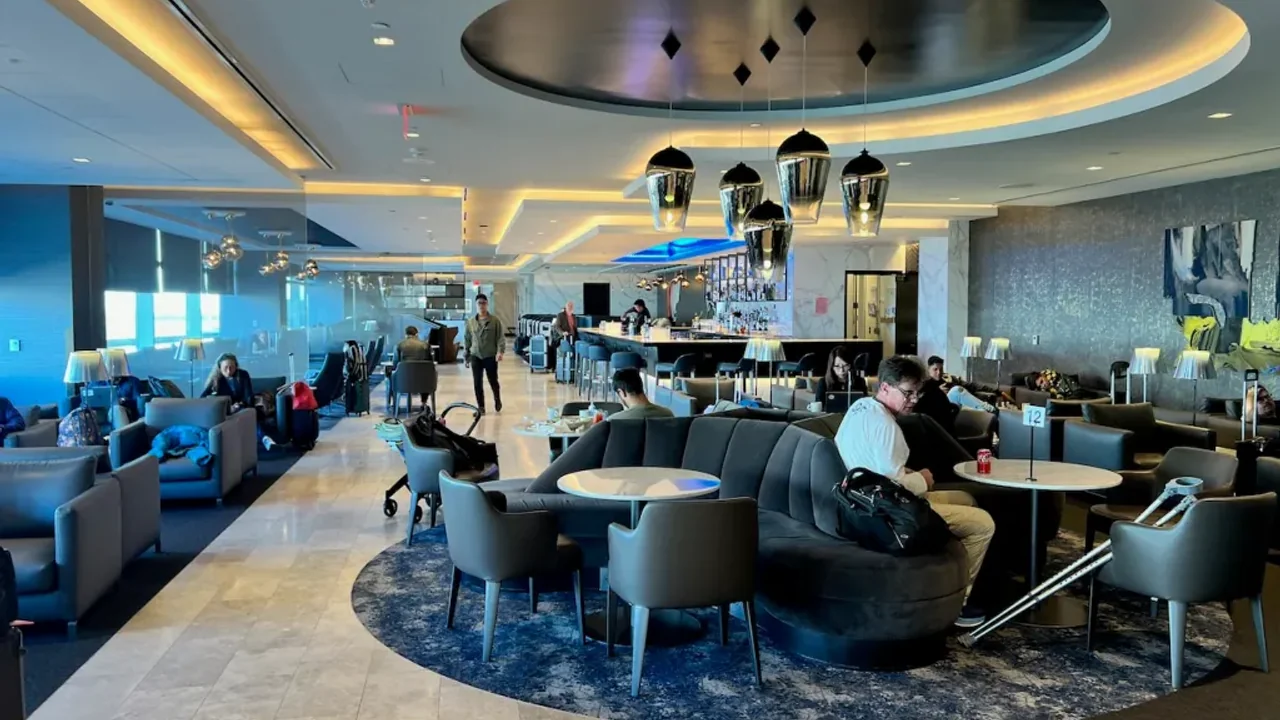
Ground experience is where scale matters most. United's Polaris Lounges — at hubs including Newark, Chicago O'Hare, San Francisco, Houston, Washington Dulles, and Los Angeles — are purpose-built, spacious, and offer sit-down dining, making them among the most consistently strong domestic lounge networks of any US carrier. Air New Zealand's home lounge experience is centered on Auckland, where its International Lounge is well-regarded but naturally limited in scope compared to a multi-hub US network. For a traveler starting a journey from a United hub city, the ground experience skews decisively American; for one connecting through Auckland en route to Sydney or Wellington, Air New Zealand's home turf offers a quieter, more curated departure.
Network breadth is the clearest differentiator. Air New Zealand's international reach is intentionally narrow — Auckland, Wellington, and Sydney from its US gateways of Los Angeles, San Francisco, Houston, and Honolulu — designed to funnel travelers efficiently into New Zealand and onward via Star Alliance partners. United's global footprint from hubs in Newark, Houston, Chicago, San Francisco, Washington Dulles, and Denver reaches London, Frankfurt, Tokyo, Sydney, Tel Aviv, and Delhi, among dozens of other destinations, with far more frequency and routing flexibility. For US-based flyers whose itineraries center on Europe, Asia, or the Middle East, United's own metal typically outperforms Air New Zealand's more specialized network. For those specifically targeting New Zealand or connecting onward through Oceania, Air New Zealand's direct nonstops are difficult to beat, and its Star Alliance ties still open connections across the wider network.
Both airlines are available through CEOFLIGHTS® at savings of up to 40 percent off published business class fares, making the choice less about budget and more about itinerary and travel style. Whether the priority is Air New Zealand's Business Premier herringbone seat and Pacific hospitality or United's Polaris cabin and expansive global network, a CEOFLIGHTS Personal Travel Manager can compare live private fares across both carriers, align seat maps and routings to your schedule, and secure the booking. Travelers ready to explore options can call (888) 851 6897 to speak directly with a Personal Travel Manager and get matched with the right premium cabin for their trip.
Book Your Premium Cabin Today
✅ Choose Air New Zealand If You Value
- Herringbone lie-flat on 787 Dreamliner
- New Zealand-inspired dining and wines
- Star Alliance connectivity via Auckland
- Direct US nonstops to New Zealand
✅ Choose United Airlines If You Value
- Polaris lie-flat seat with direct aisle access
- United Polaris Lounge at major hubs
- Therabody amenity kit and Polaris bedding
- Extensive Star Alliance connectivity
